バスティダパンカラナ周辺のアトラクション&必見スポット - トップ20
バスティダパンカラナには必見のスポットがたくさんあります。ハイキング愛好家やサイクリング愛好家の方は、ぜひバスティダパンカラナを探索してこのエリアにある20
の隠れたスポットを訪れてみてください。このエリアの必見スポットを確認し、次の冒険に出かける計画を立てましょう。
最終更新日: 10月 23, 2026
パヴィアのポンテ・コペルト(被覆橋)
ハイライト • 橋
翻訳者 Google •
役立つ情報 は

パヴィアのヴィスコンティ城
ハイライト • 城
翻訳者 Google •
役立つ情報 は

今すぐサインアップして、こんな場所を発見しよう
最高のシングルトラック、ピーク、その他のエキサイティングなアウトドアスポットのおすすめを受け取ろう。
洗濯女の像
ハイライト • 記念碑
翻訳者 Google •
役立つ情報 は

サンタ・マリア・デル・ノヴェッロ聖堂
ハイライト • 宗教的な場所
Popular …
翻訳者 Google •
役立つ情報 は

合流点のナヴィーリオ・パヴェーゼ閘門
ハイライト • 構造物
翻訳者 Google •
役立つ情報 は

無料でサインアップして、さらに多くの観光スポットを発見しましょう バスティダパンカラナでの。
すでにアカウントをお持ちですか?
無料アカウントで今日から始めよう
次の冒険が待っています。

コミュニティからのヒント

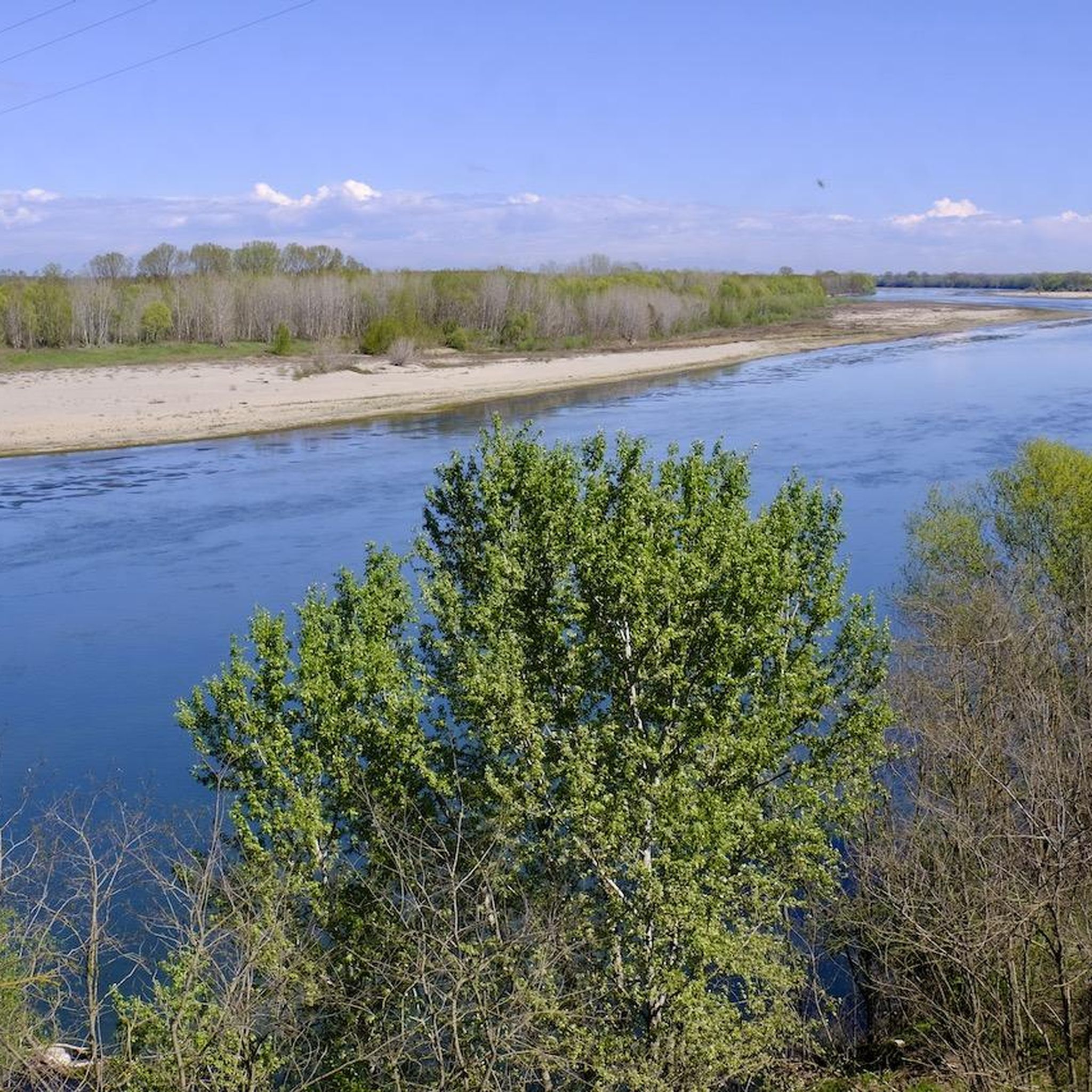
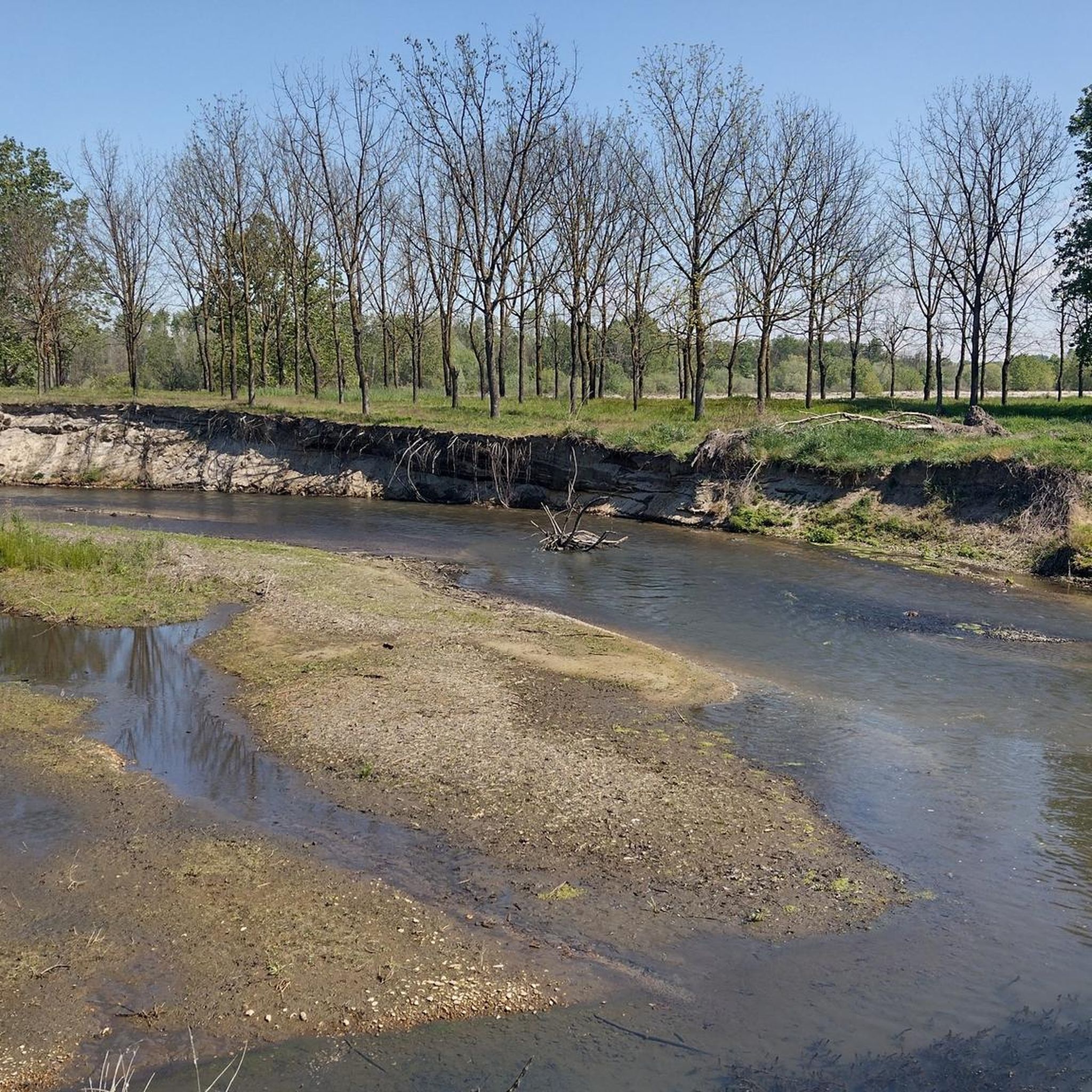
Naviglio Paveseはミラノとパヴィーアを33.1kmで結び、パヴィーア近郊のティチーノ川への合流点で終わります。そこには最後の水門(閉鎖式)があります。 主な特徴 ルートと長さ:この運河は全長33.1kmで、ミラノのダルセナ(Darsena)とパヴィーアのティチーノ川の合流点をつないでいます。 高低差と水門:ミラノとティチーノ川の間の総高低差は56.6メートルで、12箇所の水門と運河の傾斜によって克服されています。 歴史:最終的な完成工事はナポレオンの命により進められ、1819年に完了しました。1819年8月16日に大公ラニエリによって公式に開通式が行われました。 歴史的な航行:1820年にはすでに最初の蒸気船がティチーノ川との合流点で運航を開始し、ミラノとポー川、そしてアドリア海を結んでいました。
0
0

洗濯婦の記念碑は、パヴィアにある有名なブロンズ彫刻で、ボルゴ・ティチーノの趣のある地区の川沿いにあります。この作品は、有名なポンテ・コベルトを渡ってすぐ左側の、ヴィア・ミラッツォの入り口にあります。
1
0
サンタ・マリア・デル・ノヴェッロ聖堂(ノヴェッロ聖堂としても知られる)は、パヴィア県トラヴァコ・シッコマリオにある魅力的な宗教的建造物です。この小さな田舎の教会は、ポー川の左岸の主要な堤防からわずか数歩の、氾濫原内の印象的で孤立した場所にあります。 起源:元の構造は1500年代後半(または一部の地元情報源によると1600年代初頭)に遡ります。ボナコッサ家によって委託され、以前の田舎の礼拝堂の上に建てられ、その内部には今日でも聖母の元のフレスコ画が保存されています。 洪水からの保護:民俗伝承によると、この建物は洪水からの神の保護を祈願するために、この正確な場所に建てられました。
0
0

A memorial to the laundresses. Thanks to Willem VS for his excellent descriptions!
3
0

This imposing brick castle was built between 1360 and 1365 by order of Galeazzo Visconti and served as a fortification and residence. The north wing of the castle was destroyed at the battle of Pavia (1525) between the French and the Spanish. Petrarch loved the building and assembled a rich library there, which later moved to France. The large courtyard has arcades and an ornate loggia with twin windows.
7
0
According to legend, some pilgrims wanted to attend midnight mass in the city on Christmas Eve in 999, but due to the thick fog their boats could not cross the river. Suddenly, a man dressed in red arrived and promised that he would immediately build a bridge in exchange for the first soul to cross the bridge. The man in red was the devil, and only the Archangel Michael, who had come from the nearby church, recognized him. Michael pretended to agree to the deal, but once the bridge was built, a goat crossed it first. The bridge is therefore also known as the Ponte del Diavolo ("Devil's Bridge").
10
0
The covered bridge has its origins in Roman times. The current one was constructed in the 14th century and covered in 1583. Upstream of the bridge you can still see pillars of the original bridge, reconstructed after the Second World War. A memorial stone on the bridge tells that Albert Einstein stayed in Pavia for several months and loved the place.
8
0
The Statua della Lavandaia in Pavia is one of the symbols of the city. This beautiful sculpture, created by local artist Giovanni Scapolla in 1981, recalls the time when the banks of the Ticino River were populated by women who washed clothes in the river. Giovanni Scapolla was inspired by his mother, a famous washerwoman named 'Sciura Teresina', who always wore a traditional 'caplina' on her head. Names of the washerwomen: The washerwomen often had nicknames related to physical characteristics. The most famous was 'Angiuleta', but there were others such as 'Marieta dai pe tort' (with crooked feet) and 'Gianina la culona' (the plump one). Method: The women worked all day on the riverbank. The clothes were soaked overnight in large concrete containers and then washed by the river using a wooden board (‘a scägn’). Men and children collected the washed clothes and delivered them throughout the city. It was hard and unprofitable work, with only one or two lira each. Singing and entertainment: To pass the time, the washerwomen often sang. One of their favorite songs was “La donna è mobile” from Verdi's opera Rigoletto. They even adapted the text: 'La dona l'è UN MOBIL da met in sala, l'om l'è un asin da met in stala', referring to the fact that men walked around all day while the women stood still to to wash.
9
0
バスティダパンカラナでのの人気観光スポット

komootモバイルアプリでインスピレーションを得よう


さらに探索
まだ探しているハイライトが見つかりませんか?他の地域のトップアトラクションのガイドを見てみましょう:
