ケタースハウゼン周辺のアトラクション&必見スポット - トップ20
ケタースハウゼンには必見のスポットがたくさんあります。ハイキング愛好家やサイクリング愛好家の方は、ぜひケタースハウゼンを探索してこのエリアにある20
の隠れたスポットを訪れてみてください。このエリアの必見スポットを確認し、次の冒険に出かける計画を立てましょう。
最終更新日: 8月 29, 2026
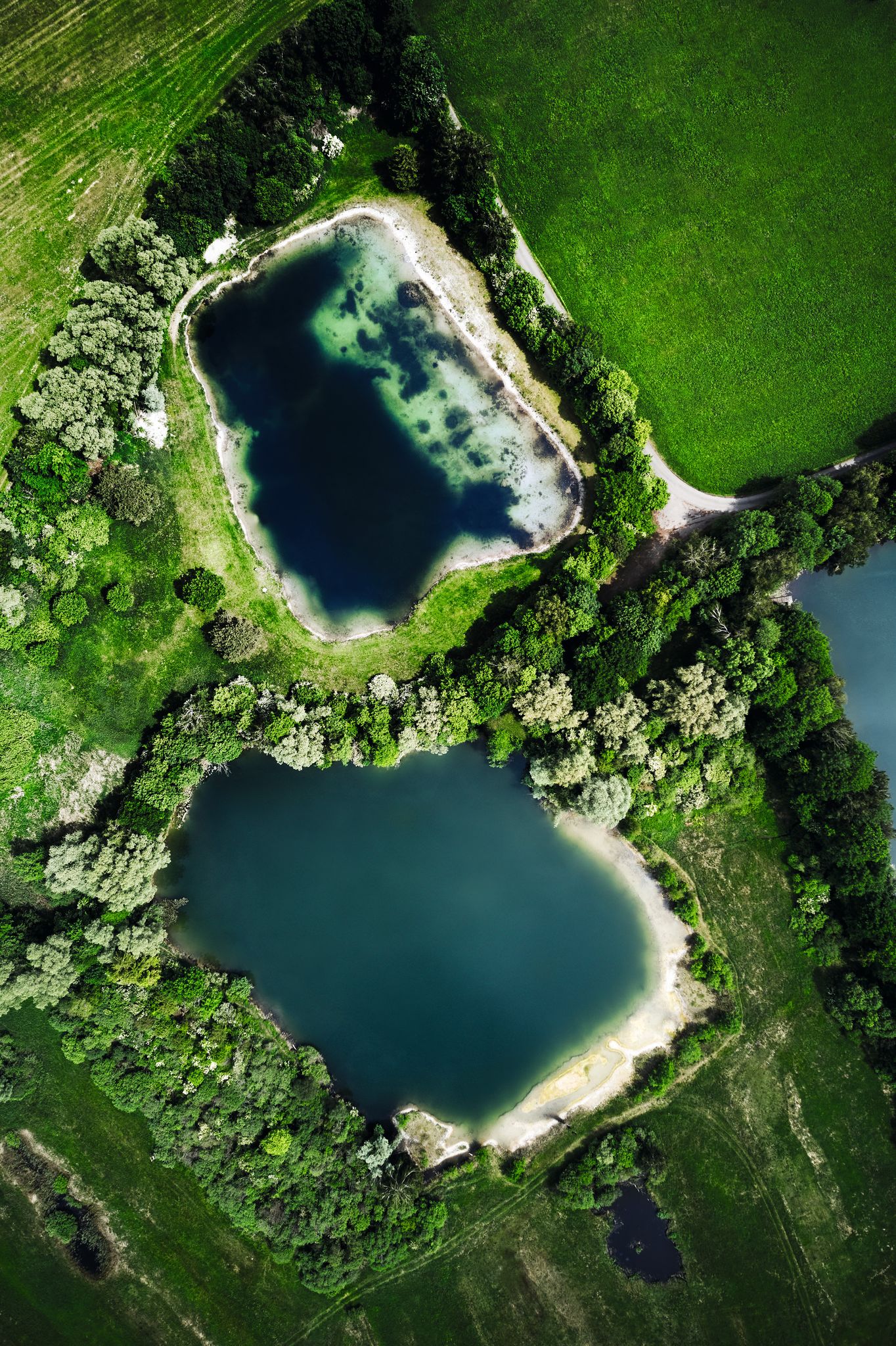
ロッゲンブルク池
ハイライト • 湖
翻訳を表示中
役立つ情報 は

ロッゲンブルク修道院と修道院宿舎
ハイライト • 宗教的な場所
翻訳者 Google •
役立つ情報 は
今すぐサインアップして、こんな場所を発見しよう
最高のシングルトラック、ピーク、その他のエキサイティングなアウトドアスポットのおすすめを受け取ろう。
無料新規登録
ヴァンネンベルク巡礼教会
ハイライト • 宗教的な場所
翻訳者 Google •
役立つ情報 は

イラー=ロート=ギュンツ自転車道
ハイライト (セグメント) • サイクリングロード
翻訳者 Google •
役立つ情報 は

ガルテンカルチャー博物館とイレルティッセン宿根草園
ハイライト • 記念碑
翻訳者 Google •
役立つ情報 は

無料でサインアップして、さらに多くの観光スポットを発見しましょう ケタースハウゼンでの。
無料新規登録
すでにアカウントをお持ちですか?


コミュニティからのヒント

The beautiful monastery complex and the beer garden are highly recommended. Great food at affordable prices.
2
1

Museum café of the Staudengärtnerei, a visit is always worth it🍰👍
0
0

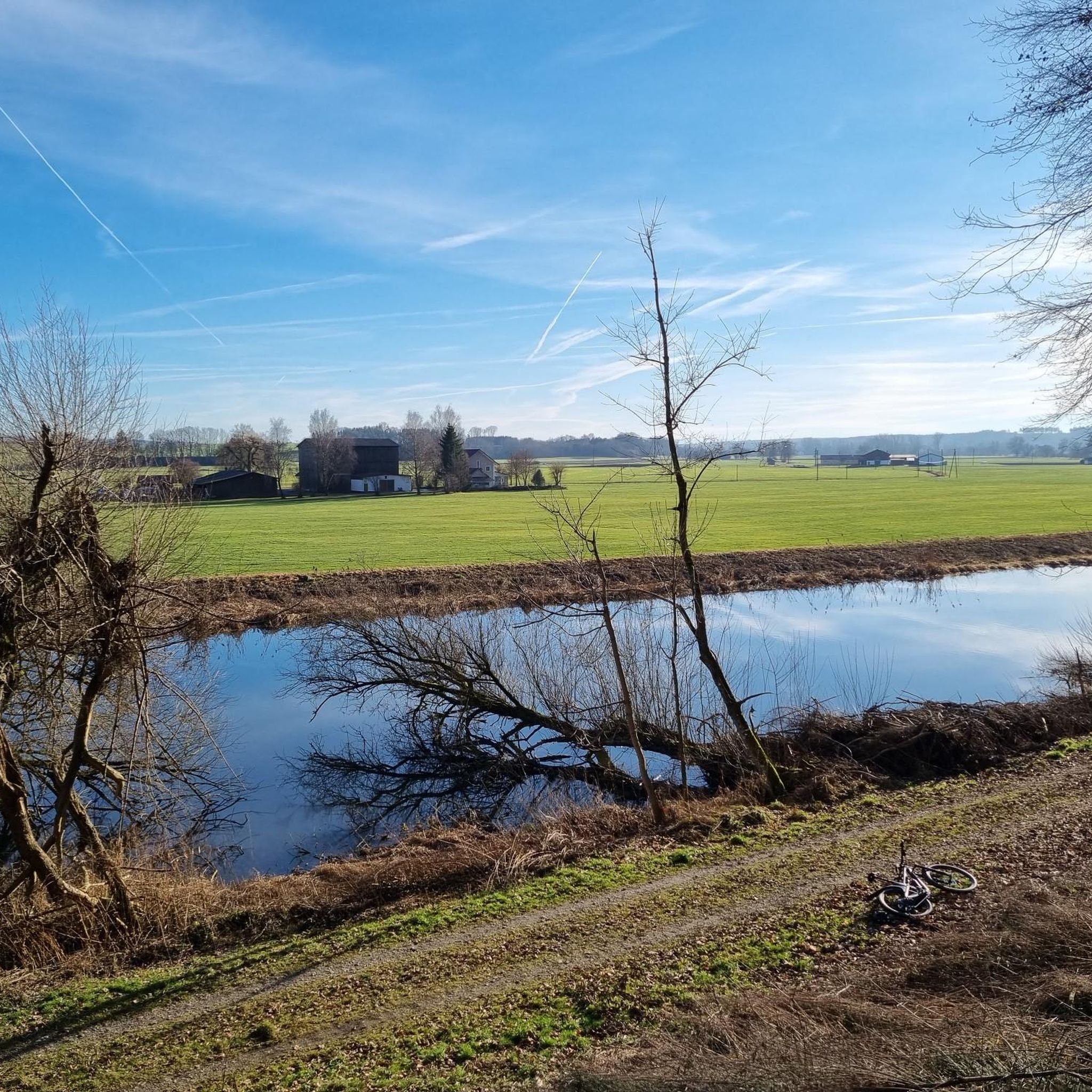
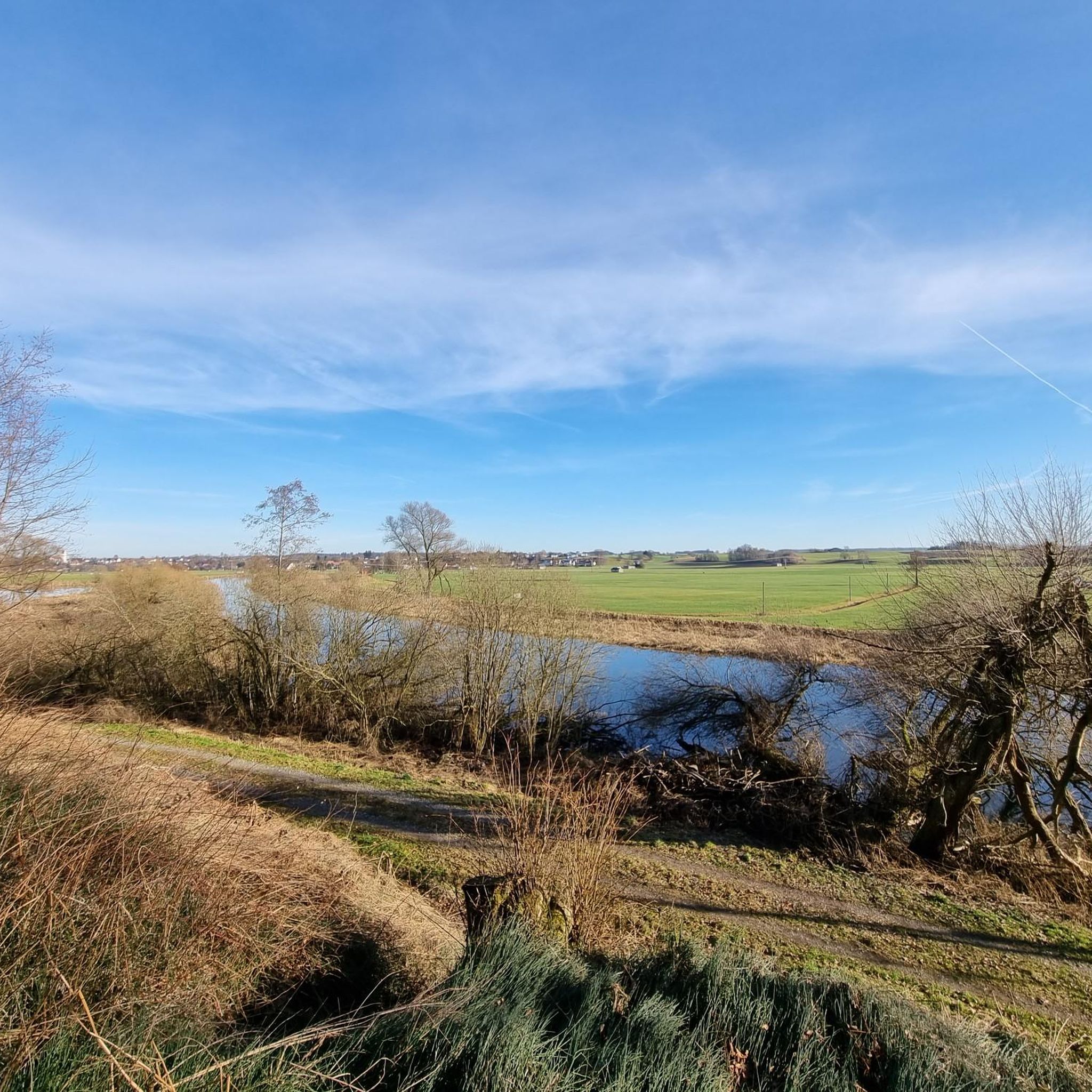
Very nicely located recreation pond, with a great meadow and furniture... only it was now significantly less voluminous because it was drained...
3
0


You have to experience it at least once! 👍🏻 TOP. Greetings, Marcus
3
0

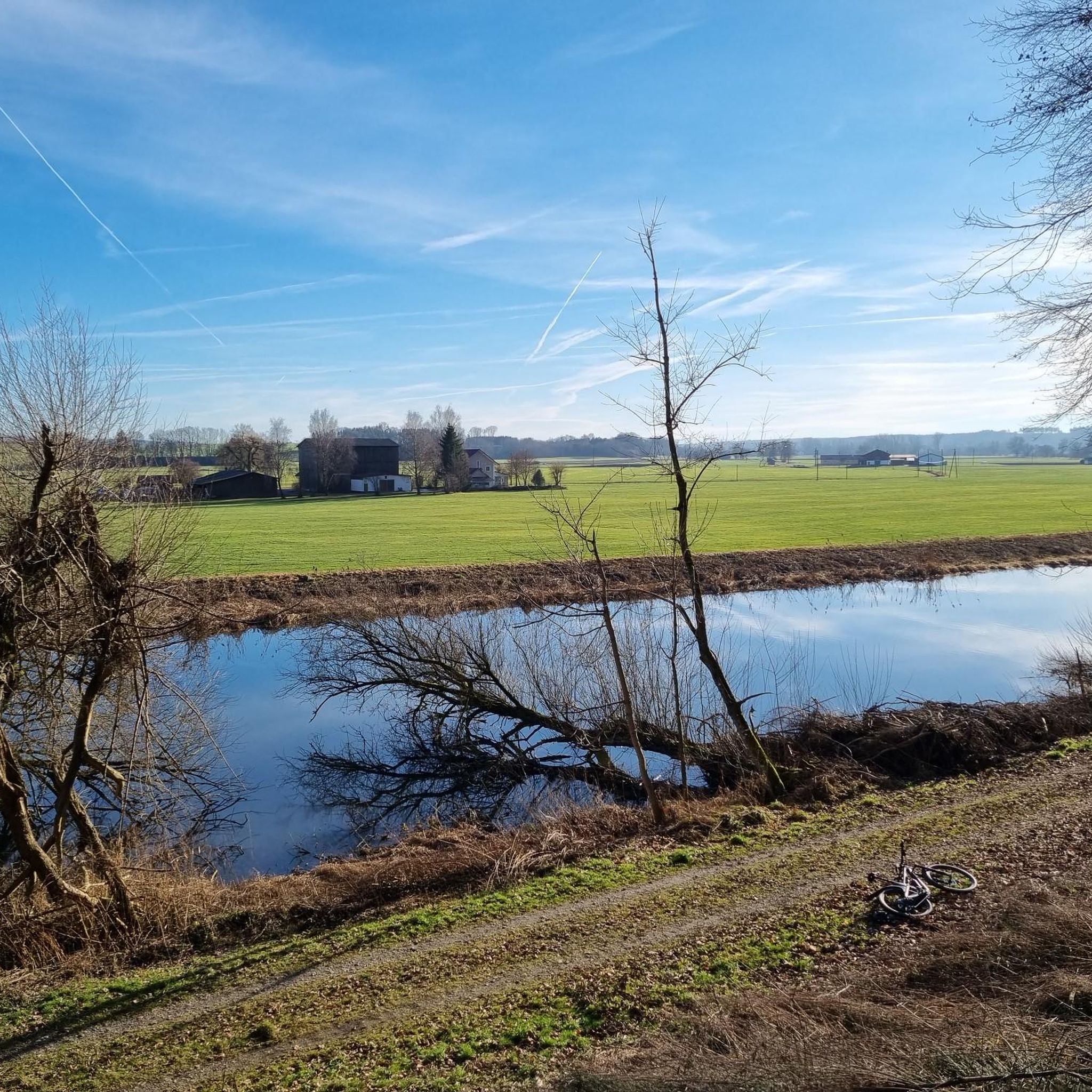
Beautifully paved bike path from Kellmünz an der Iller to Babenhausen. The path runs dead straight through forest and meadow.
0
0

Here on the Wanneberg hill, above Meßhofen, the Wanne Chapel sits at the edge of the forest. It is a pilgrimage chapel whose origins date back to the 17th century. The current building was commissioned in the late 18th century by Thaddäus Aigler, the last Imperial Abbot of Roggenburg. The chapel developed into a popular place of pilgrimage, especially in the 19th century. A lovely chapel with a comfortable bench under shady trees. Perfect for a rest.
2
0

The organ of the monastery church is popularly known as "the great Roggenburgerin", in particular because of the imposing organ case, which is one of the most elegant in southern Germany. The organ case, made by the Bergmüller family of altar carpenters, looks like a large altar. In 1761 the Ulm organ builder Georg Friedrich Schmahl created the first organ work for this case. In the course of 250 years, the instrument was modified several times or a completely new work was conceived: At the end of the 18th century, Johann Nepomuk Holzhey (Ottobeuren) gave the organ a more "French note". In 1905 this instrument had to make way for a large late-Romantic organ with pneumatic action, built by the Hindelang brothers' organ building workshop (Ebenhofen in the Allgäu). In 1955/56 the organ movement prevailed, and the Nenninger company from Munich built a neo-baroque organ based on plans by Rudolf Quoika and Arthur Piechler. Source: wikipedia
1
0
ケタースハウゼンでのの人気観光スポット

komootモバイルアプリでインスピレーションを得よう


さらに探索
まだ探しているハイライトが見つかりませんか?他の地域のトップアトラクションのガイドを見てみましょう:
