Top 7 Caves around Strozza
Caves around Strozza are primarily characterized by the surrounding Lombardy region's geological features, though the municipality itself does not contain notable natural cave systems. The area includes the site of an ex quartz quarry on Monte Castra, which represents a man-made excavation. While natural caves are not prominent directly in Strozza, the broader region offers various karst formations and underground pathways. These locations provide insights into the local geology and historical uses of the landscape.
Best caves around Strozza
- The…
Last updated: September 19, 2026
Sanctuary of Cornabusa
Highlight • Religious Site
Translated by Google •
Tip by

Val Giongo Cave
Highlight • Cave
Translated by Google •
Tip by

Sign up now to discover places like this
Get recommendations on the best single tracks, peaks, & plenty of other exciting outdoor places.
Corno Buco Cave
Highlight • Cave
Translated by Google •
Tip by

Grotta Europa
Highlight • Cave
Translated by Google •
Tip by

Grotta dei Laghetti
Highlight • Cave
Translated by Google •
Tip by

Sign up for free to discover even more caves around Strozza.
Already have an account?
Start today with a free account
Your next adventure awaits.
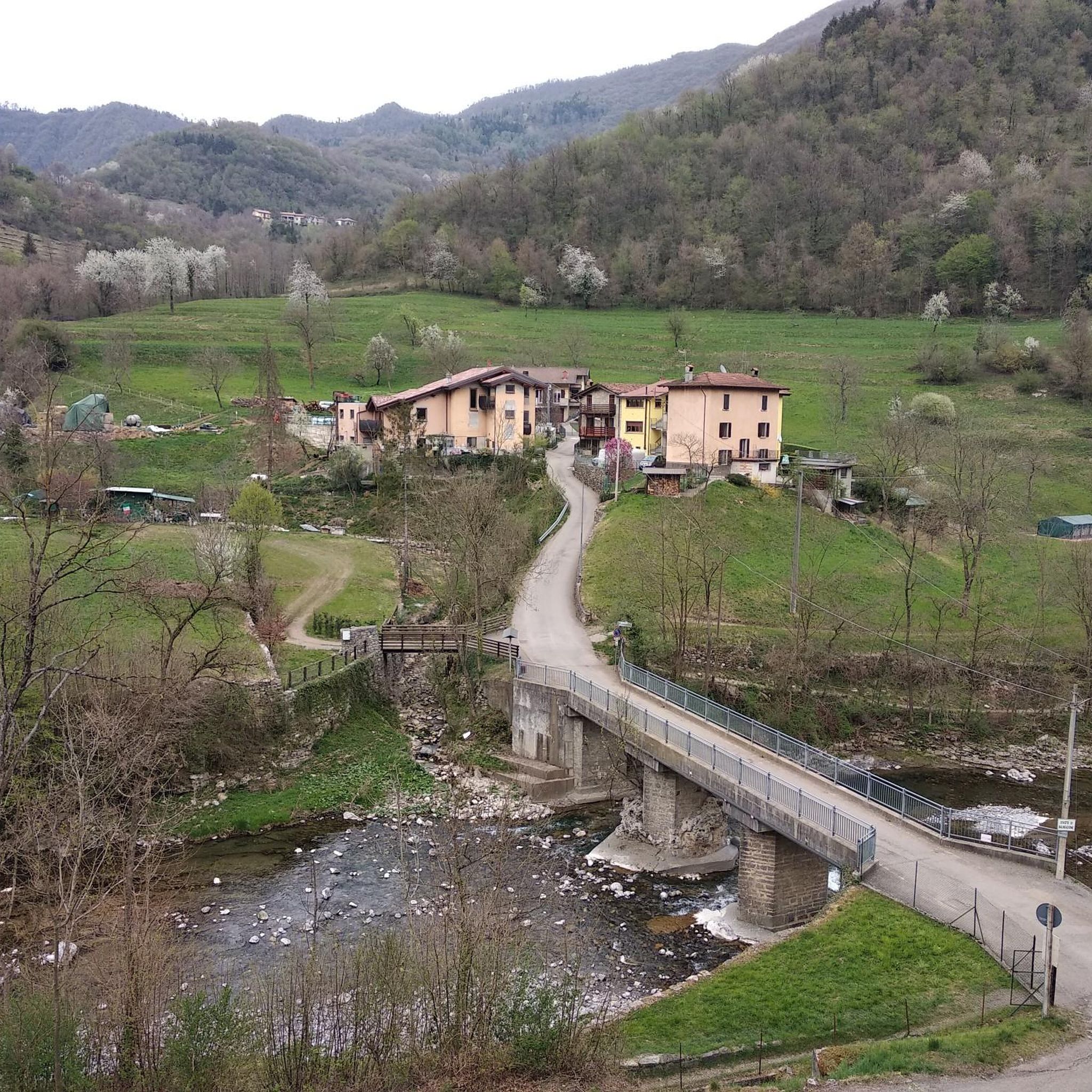
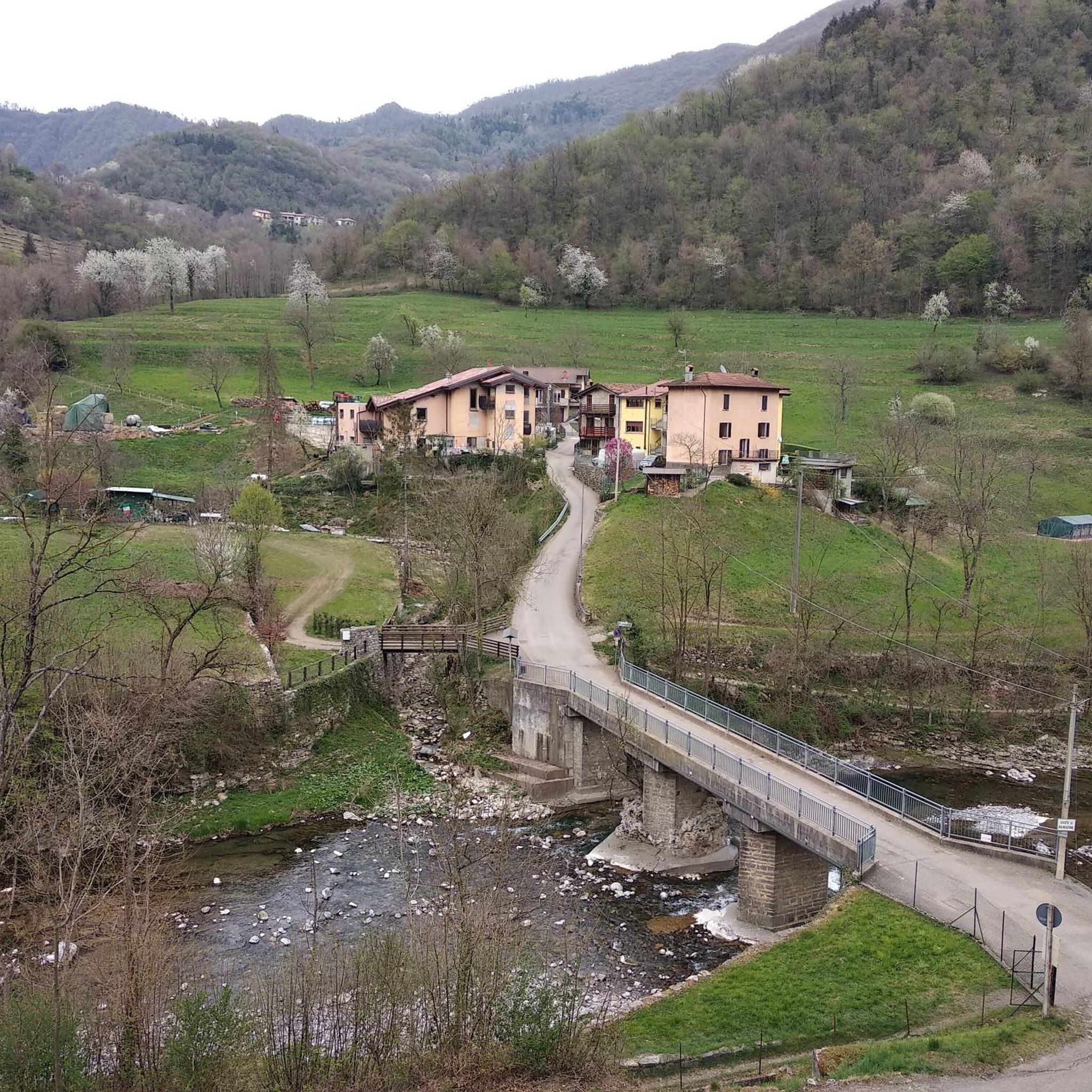
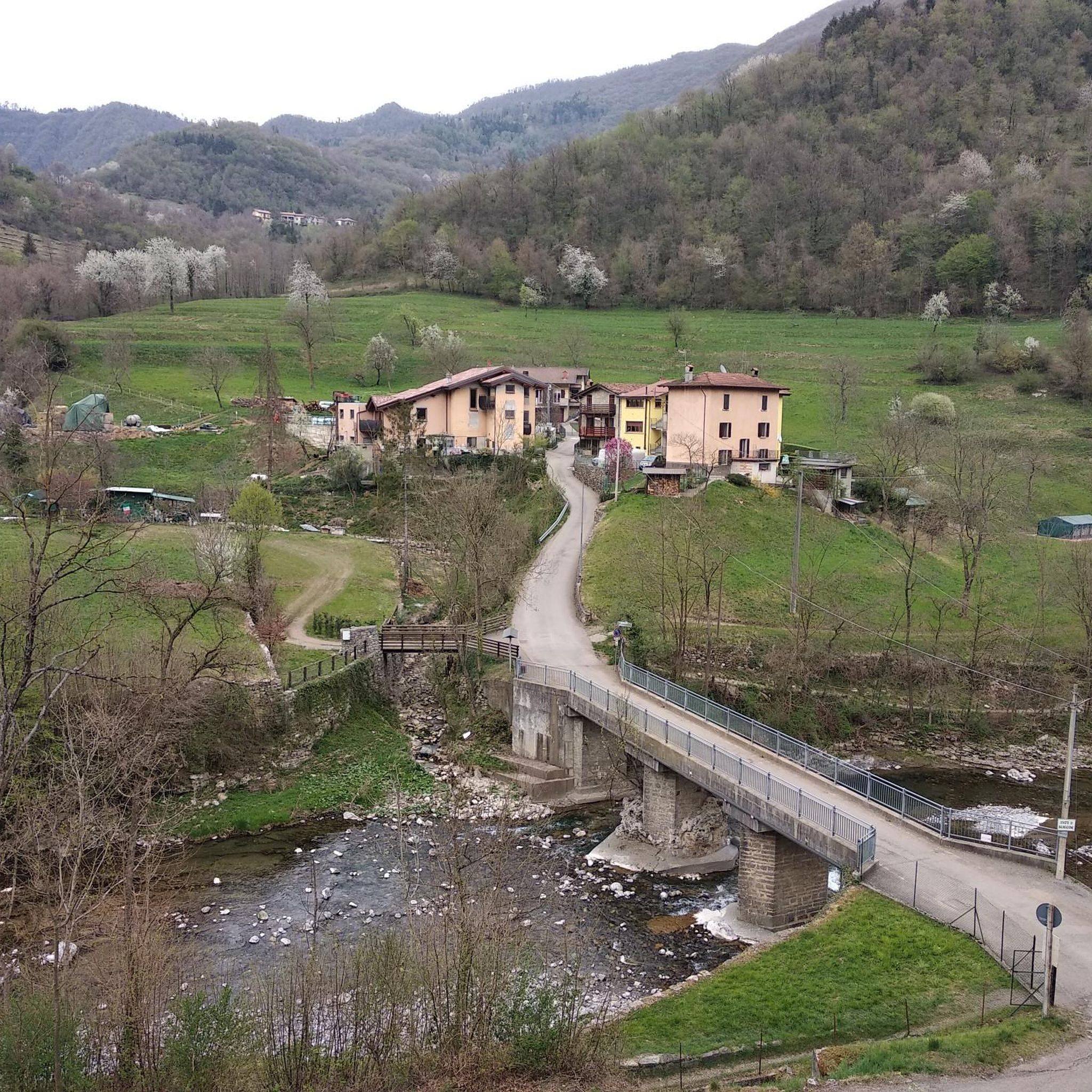
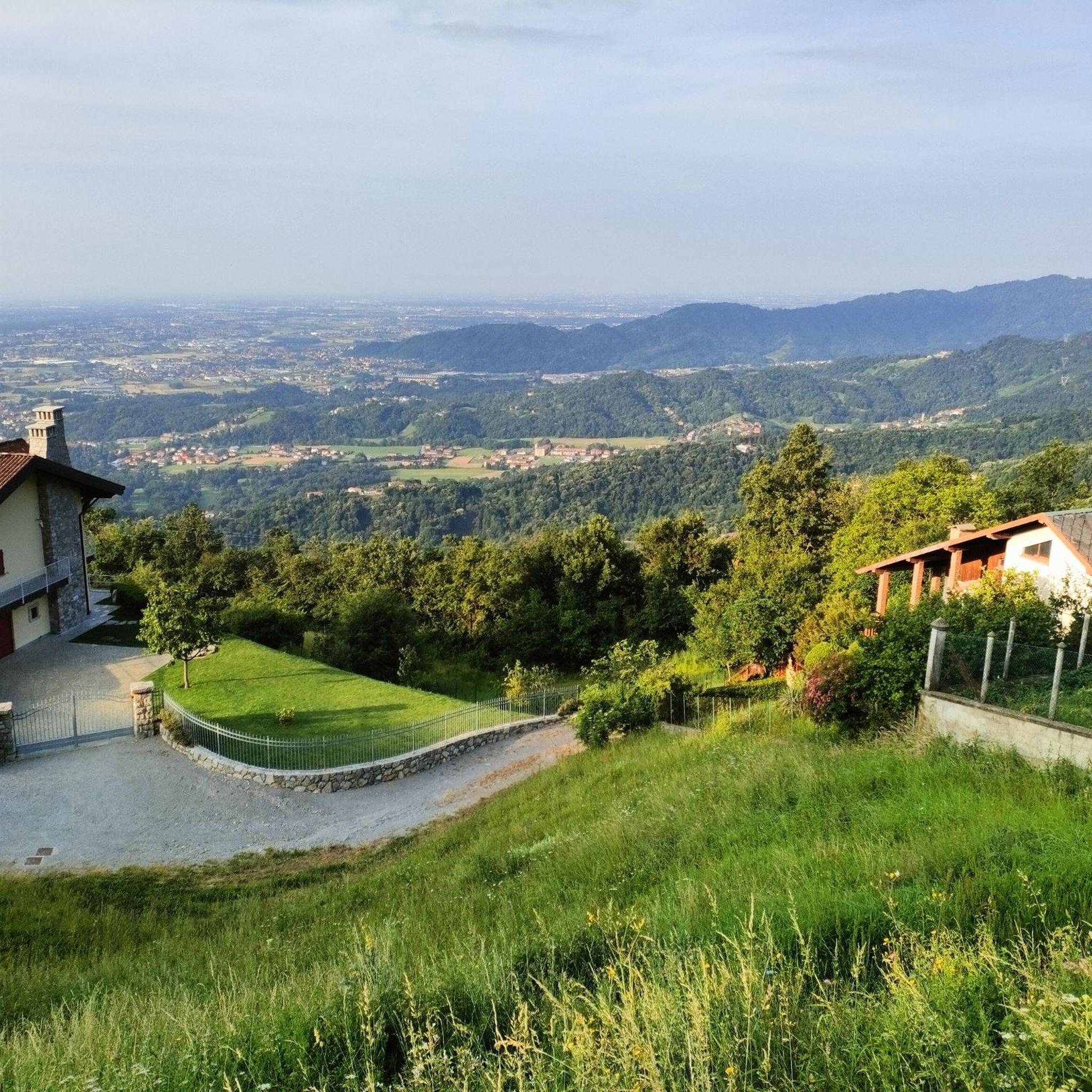


Tips from the Community

To maintain the sacredness of the place, it is better to remove the map 🧐
1
0

nice cave, about ten meters long, beautiful concretions.
0
0

But it is not the European cave, but the cave of the sanctuary of Cornabusa
0
0

Semi-hidden cave with no signs.
0
0

The Cornabusa Sanctuary, located in the heart of the Imagna Valley, is one of the most evocative sanctuaries in Lombardy. Built inside a natural cave, the sanctuary is dedicated to Our Lady of Sorrows, venerated in this place since the 16th century. The church has been expanded over the years, while maintaining the charm of the original place of worship carved into the rock. The sanctuary is a destination for pilgrimages and is appreciated for its spiritual atmosphere and spectacular panoramic view of the surrounding valley.
0
0


Grotta dei Laghetti near Canto Alto (BG). Quite evident path and now also traced with blue paint marks. The last stretch requires a climb of a few meters on a wall equipped with a rope and some support points dug into the rock. https://www.sassbaloss.com/pagine/uscite/cantoalto2/cantoalto2.htm https://www.orobie.it/album/2020/11/grotta-dei-laghetti/37356/ https://youtu.be/LdQ-L_OtX9A
3
1
Frequently Asked Questions
What types of caves can be found around Strozza?
Around Strozza, you'll find a mix of natural caves, karst resurgences, and man-made excavations. While the municipality of Strozza itself doesn't feature prominent natural cave systems, the broader Lombardy region offers various geological formations. Notable examples include the Sanctuary of Cornabusa, a religious site within a natural cave, and the natural Corno Buco Cave.
Are there any historical caves or sites with historical significance near Strozza?
Yes, the Sanctuary of Cornabusa is a significant historical site. It's a religious building located within a natural cave, venerated since the 16th century. Additionally, the Corno Buco Cave is known in local tradition as a hiding place for the brigand Vincenzo Pacchiana, also known as Pacì Paciana.
What natural features can I expect to see in the caves around Strozza?
The caves around Strozza and in the surrounding Lombardy region offer diverse natural features. For instance, the Val Giongo Cave is an important karst resurgence with two small lakes in its initial section. Other caves may feature natural concretions, stalactites, and stalagmites, typical of karst formations.
Are there any family-friendly caves or activities suitable for children near Strozza?
While specific 'family-friendly' categorizations for caves are not always explicit, sites like the Sanctuary of Cornabusa offer a unique cultural and natural experience that can be enjoyed by families. Its impressive setting within a cave and panoramic views make it an interesting visit for various age groups. For more challenging cave explorations, some sites may require specialized equipment or experience.
What is the former quartz quarry on Monte Castra, and can I visit it?
The 'ex cave of Strozza' refers to a former quartz quarry on Monte Castra. This is a man-made excavation rather than a natural cave system. It represents a historical use of the landscape and offers insights into local geology. While it's a point of interest, specific visitor access details or guided tours for the quarry are not detailed in the provided information.
What outdoor activities can I combine with a visit to the caves near Strozza?
The area around Strozza is excellent for various outdoor activities. You can find numerous routes for cycling, including moderate to difficult loops like the 'Quisa Cycle Path loop from Villa d'Almè'. For hikers, there are options ranging from moderate to difficult, such as the 'Roncola Water Trail' or more challenging mountain hikes like the 'Monte Ocone Via Ferrata loop'. You can explore these routes on komoot's dedicated guide pages for the region.
Are there challenging caves for experienced cavers near Strozza?
Yes, some caves in the region offer more challenging experiences. For example, the Val Giongo Cave is described as a sub-horizontal cave with numerous branches, and a wetsuit is recommended for its initial section due to small lakes. The Grotta dei Laghetti also requires a climb on a wall equipped with a rope in its last stretch, indicating a more demanding exploration.
What is the best time of year to visit caves around Strozza?
General cave visits are often less dependent on external weather than other outdoor activities, as cave temperatures tend to be stable year-round. However, access to some caves or their surrounding trails might be affected by heavy rain or snow, especially in mountainous areas. It's advisable to check local conditions and specific cave access information before planning your visit, particularly during colder months or periods of high precipitation.
What do visitors enjoy most about the caves and sites around Strozza?
Visitors appreciate the unique blend of natural beauty and historical significance. The Sanctuary of Cornabusa is particularly loved for its spiritual atmosphere and spectacular panoramic views of the Imagna Valley. The natural caves like Grotta Europa offer suggestive natural features, while others provide opportunities for more adventurous exploration.
Are there any caves near Strozza that are easily accessible or suitable for beginners?
While specific accessibility details for each cave vary, sites like the Sanctuary of Cornabusa, being a religious site, generally have more developed access for visitors. For natural caves, the level of difficulty can range. It's recommended to research individual cave conditions and trail difficulty before attempting to explore, especially for beginners.
Can I find any unique geological formations in the caves near Strozza?
Yes, the caves in the Lombardy region, including those around Strozza, are part of a karst landscape, which means they can feature unique geological formations. These often include stalactites, stalagmites, and other natural concretions formed by mineral deposits over time. Karst resurgences, like the one at Val Giongo Cave, are also notable geological features.
Most popular routes around Strozza
Most popular attractions around Strozza

Get inspired with the komoot mobile app


Explore more
Extend your search for the best caves by checking out these guides of the top ones around Strozza:
