The 12 Most Amazing Peaks around Eichenbach
Best mountain peaks around Eichenbach are found within a region characterized by diverse geological features, including volcanic origins and striking rock formations. The area offers a blend of natural landscapes and historical sites, providing various points of interest for outdoor enthusiasts. Visitors can explore elevated viewpoints, historical structures, and unique natural monuments. The terrain includes mountains within the Ahr and Eifel regions, offering varied hiking experiences.
Best mountain peaks around Eichenbach
- The most popular mountain peaks is Aremberg Castle Tower…
Last updated: August 20, 2026
St Michael's Chapel on the Michelsberg
Highlight • Religious Site
Translated by Google •
Tip by

Aremberg Castle Tower
Highlight • Castle
Translated by Google •
Tip by

Sign up now to discover places like this
Get recommendations on the best single tracks, peaks, & plenty of other exciting outdoor places.
Sign up for free
Teufelsley Quartzite Formation
Highlight • Natural Monument
the legend, in which the devil built the castle here, high in the sky, in defiance of God, based on this observation of the rocks, which had already …
Translated by Google •
Tip by

Peace Cross Hühnerberg
Highlight • Viewpoint
Since …
Translated by Google •
Tip by

Summit cross and relaxation lounger above Rohr
Highlight • Summit
Translated by Google •
Tip by

Sign up for free to discover even more peaks around Eichenbach.
Sign up for free
Already have an account?
Start today with a free account
Your next adventure awaits.
Login or Signup
Tips from the Community

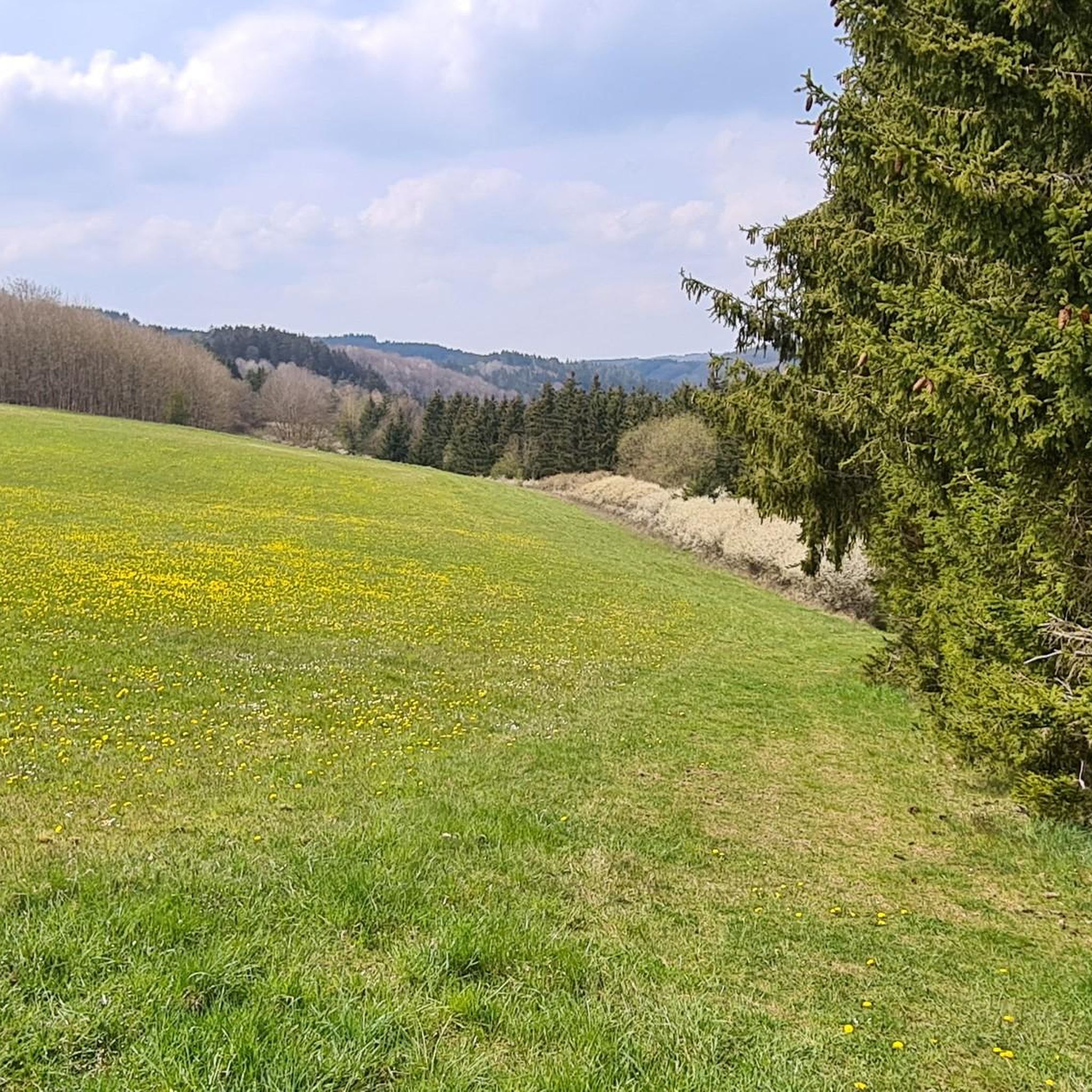
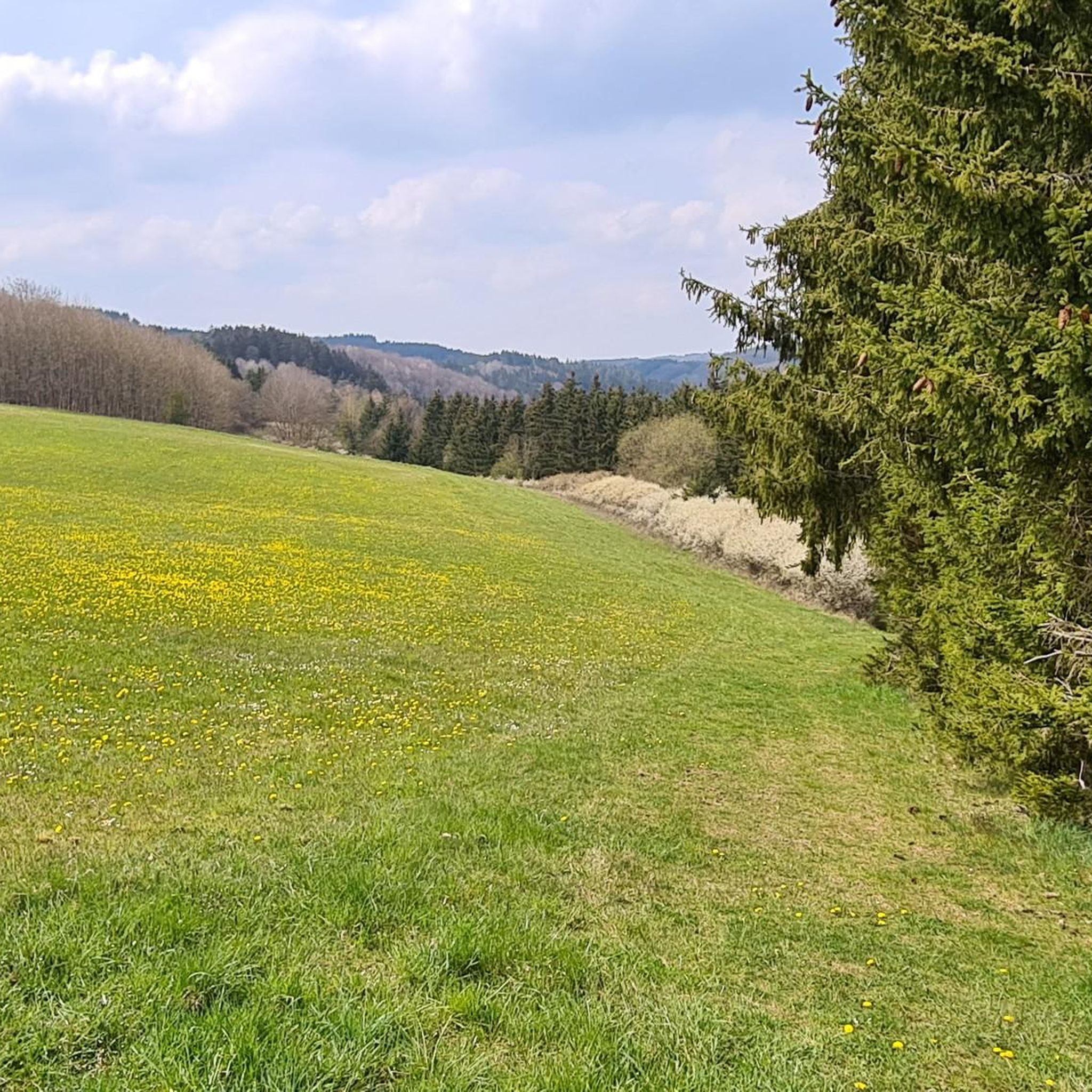
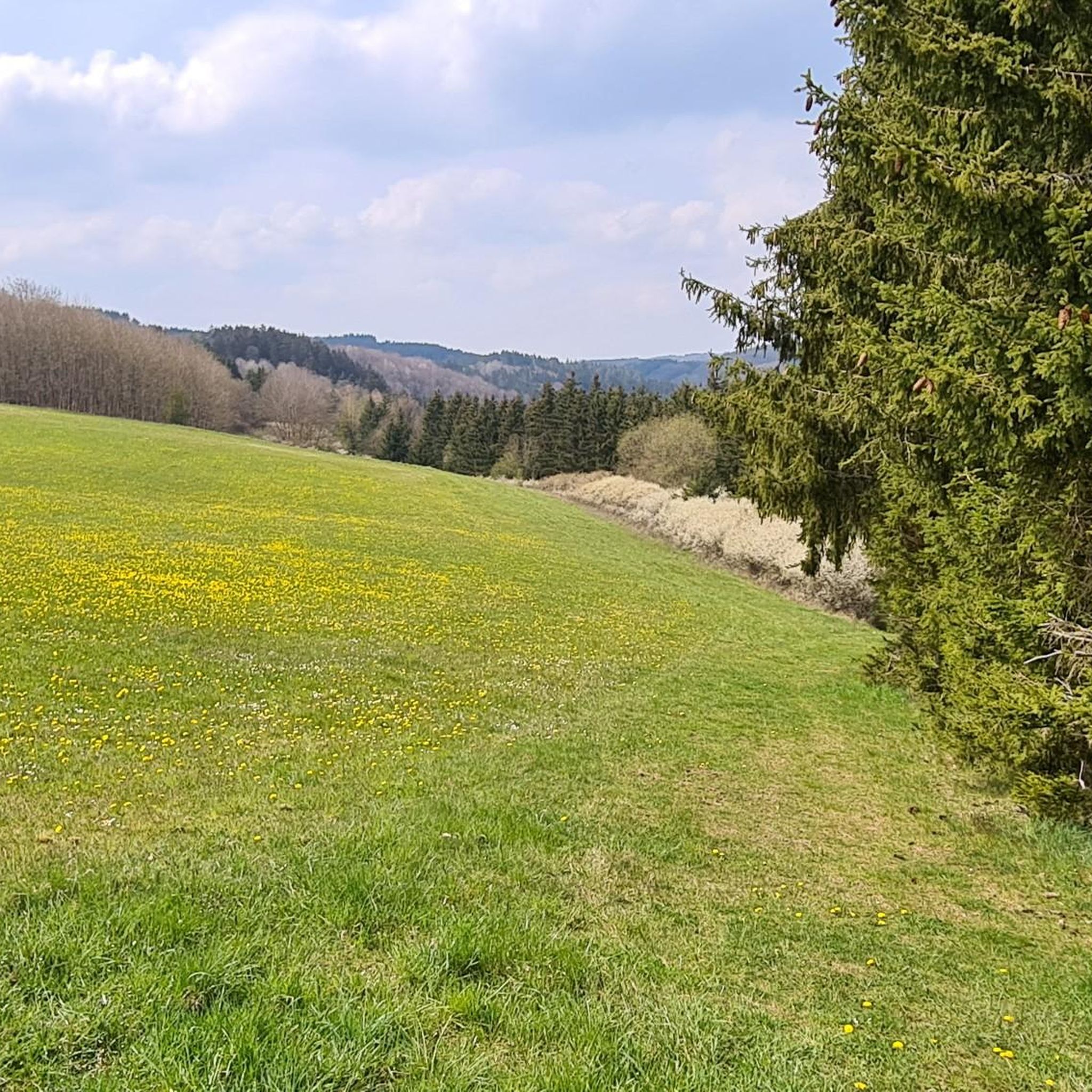
From here you have a particularly beautiful view towards Nürburg and Hohe Acht.
2
0

The Legend the legend, in which the devil built the castle here, high in the sky, in defiance of God, based on this observation of the rocks, which had already been made in the past by people with a natural acumen. (...) This time, as always, it did not work out well for the devil: his half-finished castle was shattered by one blow of the hand of God, and the rock really gives the impression of a Cyclopean castle ruin.
16
0
The largest contiguous quartzite block in Europe, Teufelsley, is located four kilometres from Dümpelfeld.
14
0

It is assumed that the first chapel was built on the Michelsberg as early as the beginning of the 14th century. A missal dated 1456 was written for the "Michaelskapelle auf dem Mahlberg", although this place name refers to the earlier name of the Michelsberg. Of the chapel, which was finally built around 1500, only the late Gothic choir with its net vault remains today. The transverse rectangular nave with a three-storey west tower in front of it was built in the late 17th century and renovated between 1857 and 1860 after large parts of it had burned down in a lightning strike in 1836. The tower roof was added in 1869. As part of its renovation in 1934 and 1935, an observation platform was also created in the tower. The chapel was systematically repaired between 1953 and 1961. The roofs were re-covered, the exterior and interior plastering was renewed and the stucco ceiling of the nave was repaired. The open staircase on the south side, which leads to the portal of the church, was also rebuilt as part of the renovation. Source: Wikipedia
6
0

For the quartzite blocks see e.g. B. https://de.m.wikipedia.org/wiki/Teufelsley_(Rhineland-Palatinate) The largest quartzite block in Europe is 80 meters long and 18 meters high. Quartzite sandstone, the oldest Eifel rock, was formed around 400 million years ago. At that time the region was on the equator, and a Devon Sea covered the land. And its deposits formed rock formations like this over the course of the tides. Quartzite itself is barren, but soil collects in its cracks, greening the stone. The red inclusions come from iron components. The word Ley means rock. According to legend, the devil once wanted to build a castle here all the way to heaven - but a single push from God was enough to thwart his blasphemous plan. Source: 111 places in the Eifel that you have to see
6
0

Among other things, Gottfried Kinkel comments on Teufelsley: “This extremely fantastic rock rises on a narrow mountain ridge, so that it looks as if the mass had been shattered by a terrible shock from the east. There is no doubt that the legend of the castle, which the devil erected sky high in defiance of God, is based on this observation made earlier by the people with their usual natural acumen. (…) This time, as always, it turned out badly for the devil: His half-finished castle was shattered with a single blow of God's hand, and the rock really gives the impression of a Cyclopean castle ruin. ”However, there is no historical news of a possible castle on Teufelsley or even construction remains. Source: Wikipedia
12
0

“Each of these crosses can tell its own story and what motivated people to erect“ their ”cross at this point. (...) These crossroads were erected as visible signs and attract the eyes of many people. The cross is a symbol of life. It stands as a sign of our Christian hope and wants to direct our gaze to Jesus Christ, who overcame death (...). The cross is part of our life, just as it was part of the life of Jesus. So I hope that many people ... visit the crossroads, whether as places of silence and breathing before God, whether as places of congregation meeting, prayer and praise of God. " (Dean Rainald M. Ollig in "Wegekreuze")
5
2
Frequently Asked Questions
What are the most notable mountain peaks and viewpoints around Eichenbach?
The region around Eichenbach offers several distinctive peaks and viewpoints. Among them are the Aremberg Castle Tower, standing on the highest peak in the Ahr Mountains, and St Michael's Chapel on the Michelsberg, which provides panoramic views extending to the Vulkaneifel and Eifel National Park. Another significant natural feature is the Teufelsley Quartzite Formation, recognized as the largest contiguous quartzite block in Europe. For serene views, the Peace Cross Hühnerberg offers a wonderful vista of the Ahr Valley.
Are there historical sites among the mountain peaks in the Eichenbach area?
Yes, the Eichenbach region is rich in history. The Aremberg Castle Tower is built from the ruins of a 12th-century castle, which was once an impressive Renaissance fortress. St Michael's Chapel on the Michelsberg, originally built around the 14th century, stands on a mountain that was used as a strategic vantage point by Romans and later as a pagan place of worship by Franks. The Peace Cross Hühnerberg also has historical significance, with a peace tree planted there for World Youth Day in 2005.
What kind of natural features can I expect to see on the mountain peaks around Eichenbach?
The Eichenbach area is characterized by diverse natural landscapes. You can explore the unique Teufelsley Quartzite Formation, which is a striking rock formation and the center of a small nature reserve. The Michelsberg, where St Michael's Chapel is located, is of volcanic origin. Many peaks offer extensive forest areas and panoramic views of the surrounding Eifel and Ahr regions, showcasing the area's geological diversity.
Are there family-friendly mountain peaks or viewpoints suitable for a relaxed outing near Eichenbach?
For a more relaxed experience, the Summit cross and relaxation lounger above Rohr offers a beautiful view of the Northern Eifel landscape from a comfortable lounger. Similarly, the Peace Cross Hühnerberg features a relaxation lounger and benches, making it an ideal spot for an extended break with family.
What outdoor activities can I do near the mountain peaks around Eichenbach?
The region around Eichenbach is excellent for various outdoor activities. You can find numerous running trails, including moderate loops from Wershofen and longer, more difficult routes like the Ahr River Ford – Insul Tunnel loop. For cyclists, there are many cycling routes, such as the Ahr Cycle Path loops. Gravel biking is also popular, with challenging routes like the Sahrbach Valley Scenic Road loop.
Where can I find hiking trails near the mountain peaks of Eichenbach?
Many of the mountain peaks themselves are accessible via hiking trails, offering intermediate difficulty. For dedicated hiking, you can explore the running trails around Eichenbach, which often double as hiking paths. These include routes around Wershofen and along the Ahr River, providing diverse terrain and distances for hikers.
What do visitors enjoy most about the mountain peaks around Eichenbach?
Visitors particularly appreciate the panoramic views from various summits, such as those from St Michael's Chapel on the Michelsberg and the Peace Cross Hühnerberg. The historical significance of sites like the Aremberg Castle Tower and the unique natural beauty of the Teufelsley Quartzite Formation are also highly valued. The presence of relaxation loungers at some viewpoints adds to the enjoyment, inviting visitors to linger and soak in the scenery.
Are there any facilities like cafes or restaurants near the mountain peaks?
While specific cafes are not widely listed for every peak, the region does offer some options. For instance, the area around the Aremberg Castle Tower has a small restaurant on site, providing a convenient stop for refreshments after exploring the historical ruins.
What is the typical difficulty level for reaching these mountain peaks?
Most of the highlighted mountain peaks and viewpoints around Eichenbach are categorized as having an intermediate difficulty level for access. This means they generally involve moderate climbs or walks, suitable for those with a reasonable level of fitness. For example, the Aremberg Castle Tower is accessible only on foot or by bike.
Can I find viewpoints that offer extensive panoramic views?
Absolutely. The Michelsberg, home to St Michael's Chapel, provides panoramic views stretching across the Vulkaneifel and Eifel National Park. The Peace Cross Hühnerberg also offers a wonderful view of the Ahr Valley. Even the Summit cross and relaxation lounger above Rohr provides a beautiful vista of the Northern Eifel.
Are there any unique geological formations to explore?
Yes, the Teufelsley Quartzite Formation is a prime example of a unique geological feature. It is the largest contiguous quartzite block in Europe and forms the center of a small nature reserve, offering a striking natural monument to explore.
What is the highest peak in the Ahr Mountains near Eichenbach?
The highest peak in the Ahr Mountains is the Aremberg, standing at 623 meters. On its summit, you'll find the Aremberg Castle Tower, built from the ruins of a historic castle.
Most popular routes around Eichenbach
Most popular attractions around Eichenbach

Get inspired with the komoot mobile app


Explore more
See even more amazing summits around Eichenbach with these guides:
