The best walks and hikes around Santa Croya De Tera
4.8
(4)
17
hikers
5
hikes
Hiking around Santa Croya De Tera offers routes through varied landscapes, including ancient forests and historical sites. The region is characterized by gentle terrain, with trails often following river valleys and agricultural areas. Hikers can explore paths that connect small villages and reveal local heritage, providing a blend of natural scenery and cultural interest. The area features a network of trails suitable for different fitness levels, from easy strolls to more challenging excursions.
Best hiking trails around Santa Croya De…
Last updated: August 13, 2026
2
hikers
Moderate hike. Good fitness required. Easily-accessible paths. Suitable for all skill levels.
8.72km
02:20
40m
50m
Moderate hike. Good fitness required. Mostly accessible paths. Sure-footedness required.

Sign up for free
15.4km
03:59
90m
90m
Moderate hike. Good fitness required. Easily-accessible paths. Suitable for all skill levels.
15.3km
04:02
130m
130m
Moderate hike. Good fitness required. Easily-accessible paths. Suitable for all skill levels.
4.8
(4)
15
hikers
Hard hike. Very good fitness required. Easily-accessible paths. Suitable for all skill levels.
Our route recommendations are based on thousands of hikes, rides, and runs completed by other people on komoot.
Start today with a free account
Your next adventure awaits.
Login or Signup
Popular around Santa Croya De Tera
Tips from the Community

Tábara is a Spanish municipality of about 830-950 inhabitants located in the province of Zamora, within the autonomous community of Castile and León. This small village stands at an altitude of 749 meters and is the capital of the Tierra de Tábara comarca. It represents a center of great historical-cultural importance, as well as being a fundamental stop for pilgrims traveling the Camino Sanabrésl
1
0

Tábara, located in the northwest of the province of Zamora (Castilla y León), is a town with a rich medieval history, a stunning natural setting, and a significant cultural heritage. Origins: These date back to the Bronze Age and Roman period. Middle Ages: It was an important monastic center with the Monastery of San Salvador de Tábara, founded by Saint Froilán in the 9th century at the behest of Alfonso III.
10
0

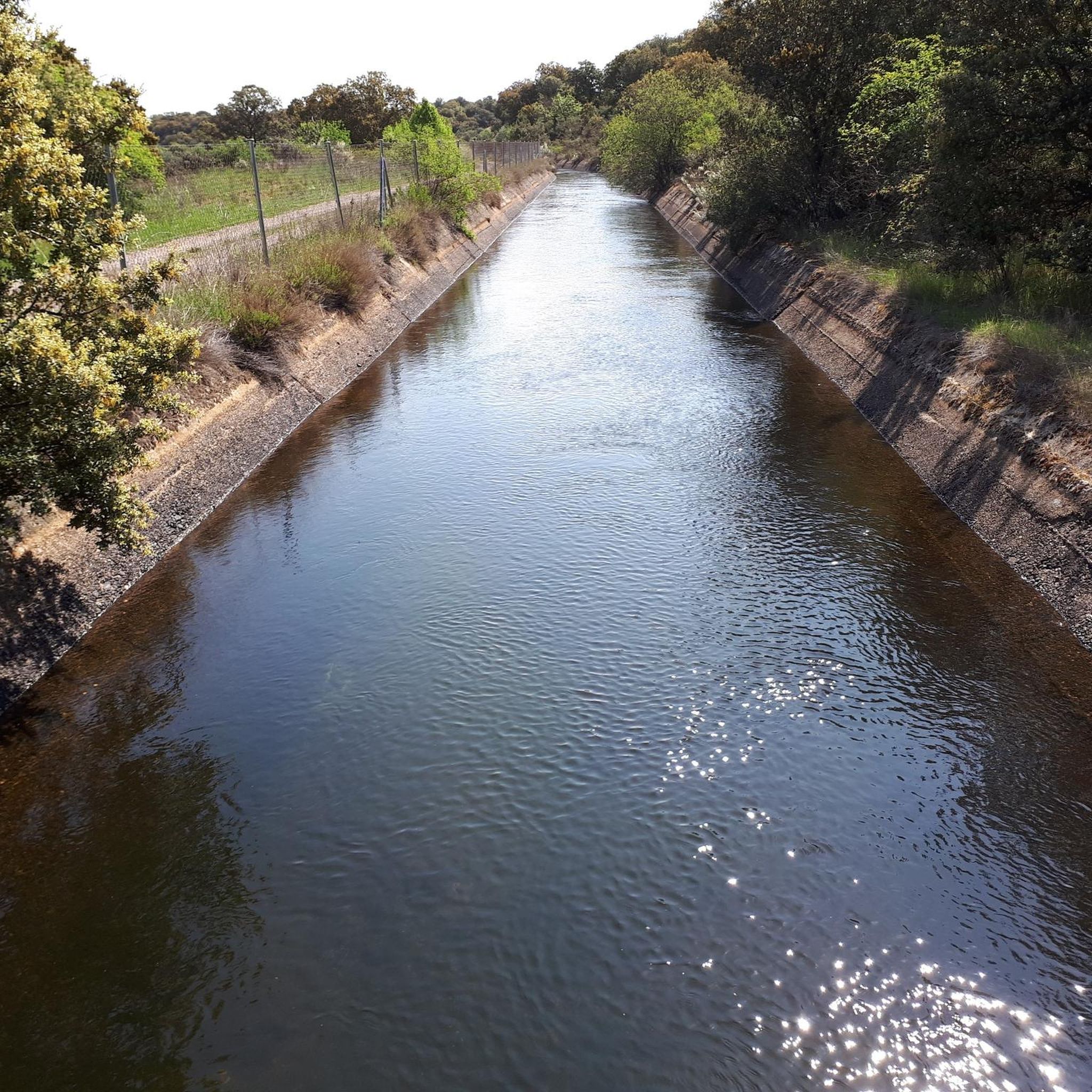
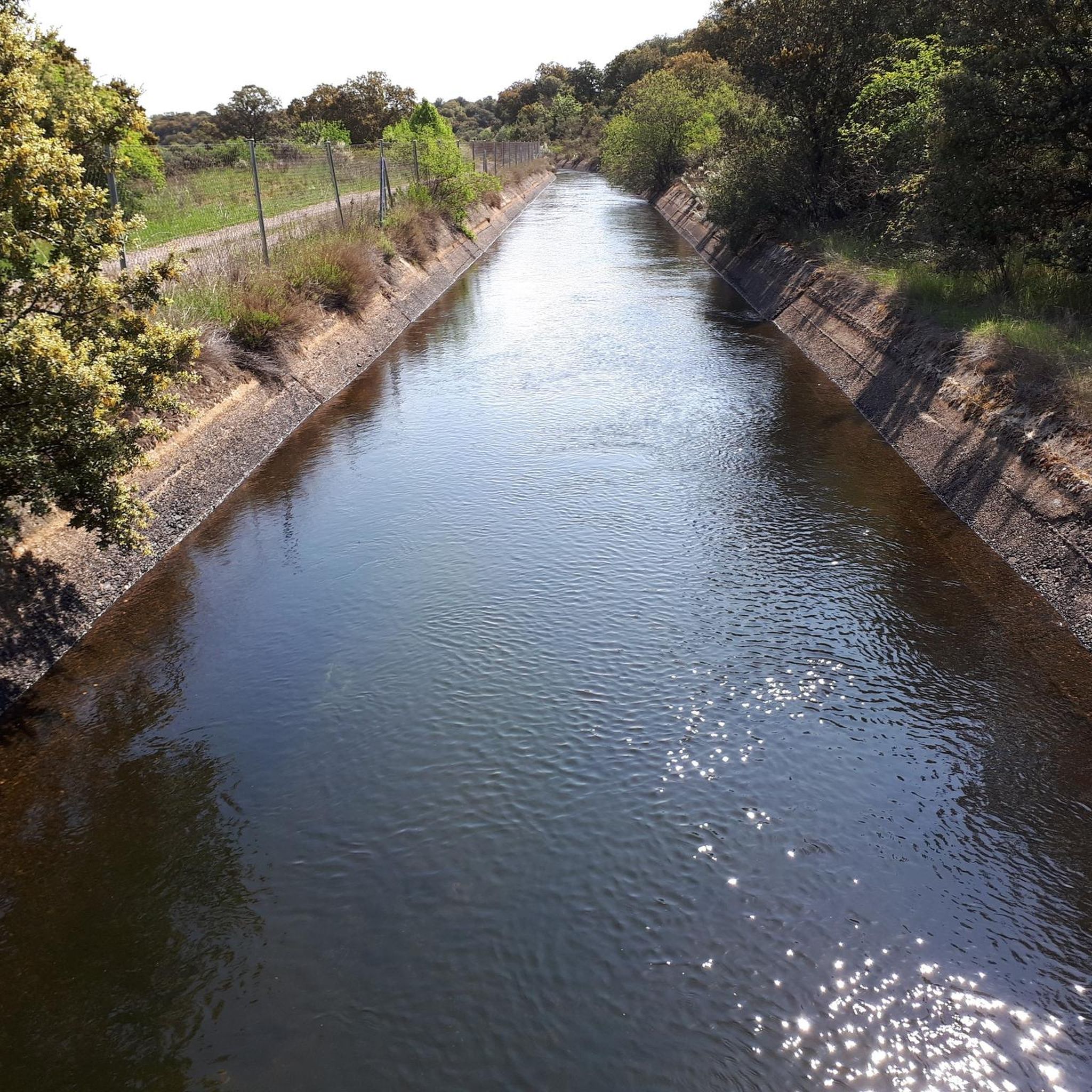
This is the third and last reservoir in this area of the Tera river, which previously crosses two more to reach this dam. From this point the river continues until it joins the Río Esla.
0
0

One of dozens of prehistoric stone structures found in this area.
2
0
Brime de Urz is a small town at the foot of the Sierra de Carpurias. Walk to the small chapel at the top of the hill where you can take in beautiful views of the valley and mountains.
1
0
A prehistoric stone circle. The structure was usually built from locally quarried granite or slate. They were used for various ceremonies throughout the seasons.
2
0
Rectangular wall that surrounds the ruins of the Castle-palace of the counts of Benavente built in the 15th century.
1
0
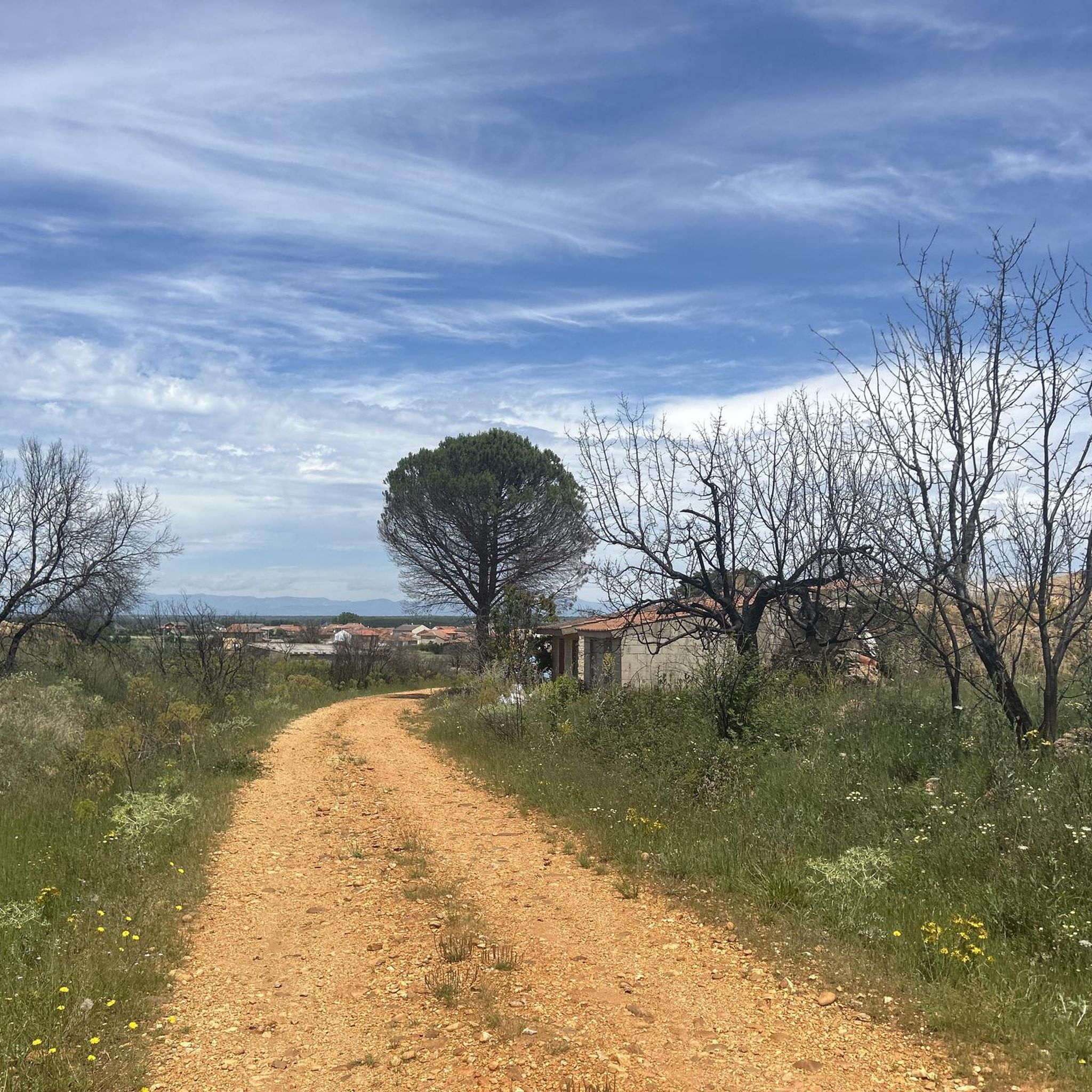
Surrounded by fields is a small and charming chapel on the outskirts of the town of Granucillo. You can rest under the shade of the trees during your walk.
1
0
Frequently Asked Questions
How many hiking trails are available around Santa Croya De Tera?
There are 5 hiking trails documented around Santa Croya De Tera on komoot, offering a variety of experiences from easy strolls to more challenging excursions.
What do other hikers enjoy most about hiking in Santa Croya De Tera?
The area is highly rated by the komoot community, with an average score of 4.0 stars. Reviewers often praise the varied landscapes, including ancient forests and historical sites, and the blend of natural scenery with cultural interest.
Are there easy hiking trails suitable for beginners in Santa Croya De Tera?
Yes, there is 1 easy hiking trail available in Santa Croya De Tera, making it suitable for beginners or those looking for a relaxed walk. The region generally features gentle terrain, often following river valleys.
Can I find circular hiking routes in Santa Croya De Tera?
Yes, several routes offer circular options. For example, the Camino Sanabrés: Olleros de Tera Loop is a moderate circular path, and the Granucillo — circular by the Roman Military Road also provides a loop experience.
Are the hiking trails in Santa Croya De Tera dog-friendly?
While specific regulations for dogs can vary, the rural and natural character of Santa Croya De Tera generally makes it welcoming for hikers with dogs. It's always advisable to keep dogs on a leash, especially near livestock or in protected areas, and to carry waste bags.
What kind of attractions or landmarks can I see while hiking?
The region is rich in historical and cultural points of interest. You can explore sites like the Church of Santa Marta de Tera, the ancient Granucillo Castle, and various dolmens mentioned in routes like the Route of the Dolmens and Castles of Granucillo.
What is the best time of year to go hiking in Santa Croya De Tera?
Spring and autumn are generally ideal for hiking in Santa Croya De Tera, offering pleasant temperatures and vibrant natural scenery. Summers can be warm, while winters are typically mild but can be damp.
Are there any long-distance hiking options in the area?
Yes, for those seeking longer excursions, routes like the Tábara – View of the Countryside loop from Chano la Devesica offer a challenging 23.4 km (14.5 miles) experience. The region also features sections of the historic Camino Sanabrés.
Is winter hiking possible in Santa Croya De Tera?
Winter hiking is generally possible in Santa Croya De Tera, as the terrain is mostly gentle and snowfall is not typically heavy or prolonged. However, trails can be damp or muddy, so appropriate waterproof footwear and layers are recommended.
Are there any family-friendly hiking trails?
Given the region's gentle terrain and the presence of easy trails, many paths are suitable for families. The trails often follow river valleys and connect small villages, providing interesting and manageable walks for all ages. Consider the easier sections of the network for younger children.
What should I wear for hiking in Santa Croya De Tera?
Layered clothing is recommended to adapt to changing weather conditions. Comfortable, sturdy hiking shoes are essential, especially for paths that may be uneven or damp. Depending on the season, a waterproof jacket and sun protection are also advisable.
Are there places to eat or get refreshments near the hiking trails?
The trails often connect small villages and pass through rural areas. While specific cafes directly on every trail might be limited, you can typically find local establishments in the villages along or near the routes, such as Camarzana de Tera, for refreshments.
Most popular attractions around Santa Croya De Tera

Get inspired with the komoot mobile app


Explore more
Browse the best Hikes in other regions.
