암스텔펜 최고의 러닝 경로
4.3
(90)
11,630
달리기 하는 사람
168
러닝
암스텔펜에서 하이킹하며 노스 홀랜드 구석 부분까지 살펴볼까요? 암스텔펜에 있는 모든 하이킹 및 워킹 경로 컬렉션 중 가장 멋진 하이킹 경로를 엄선하여 소개해드릴게요. 다른 하이커가 공유한 실제 팁과 사진을 살펴보고 후기를 읽으며 마음에 드는 암스텔펜 워킹 경로를 찾아보세요.
마지막 업데이트: 10월 2, 2026
5.0
(2)
1,647
달리기 하는 사람
18.2km
01:55
20m
20m
어려운 조깅. 우수한 체력 필요. 대부분 포장된 지면. 실력과 관계없이 누구나 갈 수 있음.
5.0
(2)
1,084
달리기 하는 사람
4.55km
00:29
10m
10m
초급용 러닝. 모든 체력 수준에 적합. 대부분 포장된 지면. 실력과 관계없이 누구나 갈 수 있음.

4.6
(5)
724
달리기 하는 사람
5.14km
00:32
10m
10m
보통 조깅. 좋은 체력 필요. 대부분 포장된 지면. 실력과 관계없이 누구나 갈 수 있음.
3.6
(5)
1,105
달리기 하는 사람
21.2km
02:12
30m
30m
어려운 조깅. 우수한 체력 필요. 대부분 포장된 지면. 실력과 관계없이 누구나 갈 수 있음.
4.2
(11)
418
달리기 하는 사람
8.22km
00:51
10m
10m
보통 조깅. 좋은 체력 필요. 대부분 포장된 지면. 실력과 관계없이 누구나 갈 수 있음.
더 다양한 경로와 다른 탐험가들의 추천을 살펴보세요.
이미 komoot 계정이 있나요?
투어 추천은 다른 사람들이 komoot에서 완료한 수천 개의 활동을 바탕으로 구성되어 있습니다.



커뮤니티 팁


Some water on the road is always nice.
1
0

The Bosbaan, built in 1937, is the oldest artificial rowing course in the world and a popular place for rowing training and competitions. From the shore near the restaurant you can often see rowers training hard or competing here. Follow the paths along the water to experience the activity up close, or walk further into the Amsterdamse Bos for a peaceful walk through nature.
2
0


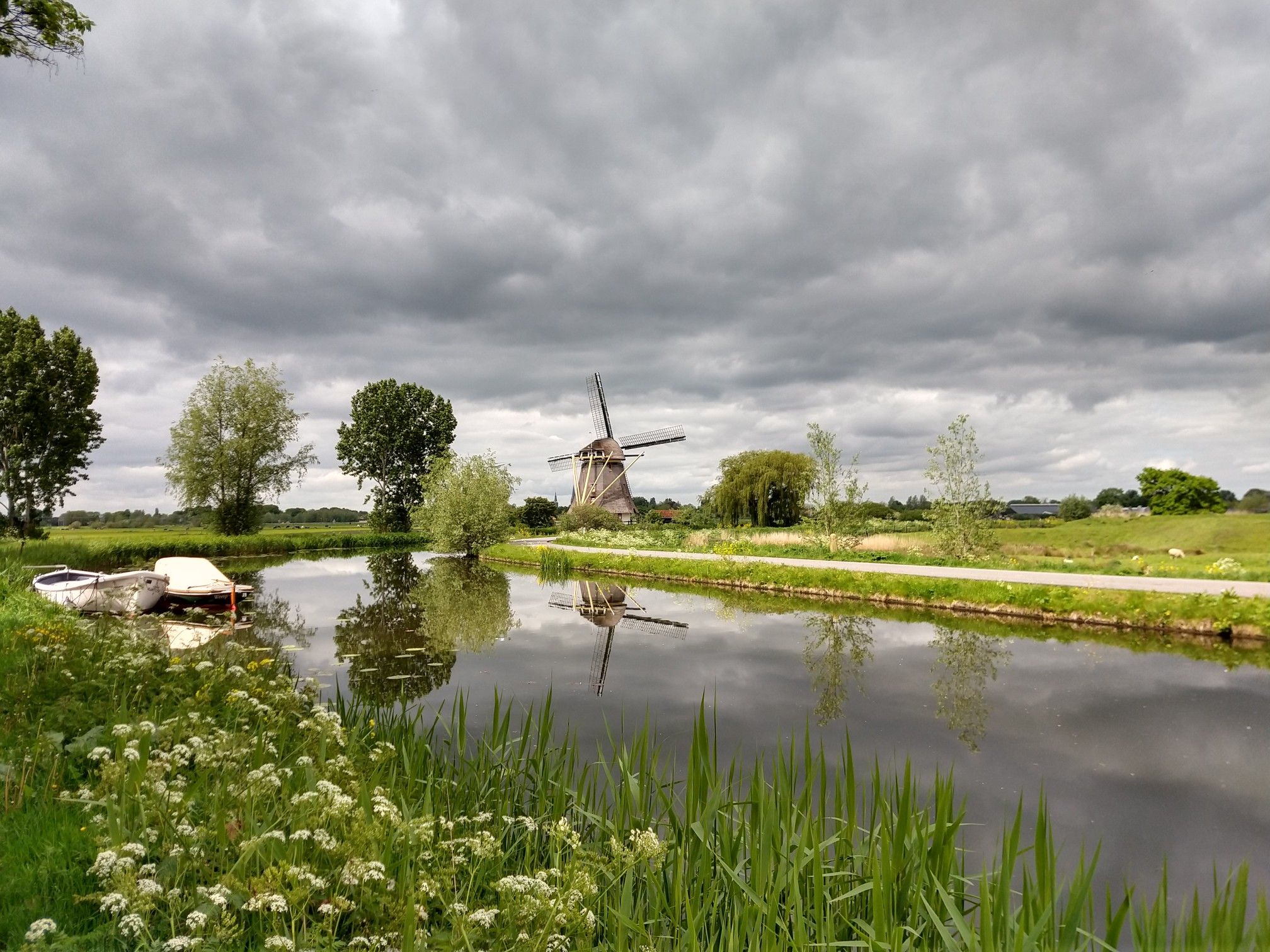
The Rieker Mühle is located on the edge of the Amstelpark, near the Amstel River. The Amstel, Gooi and Vecht Water Board has been the owner since 1997. Before it was the Municipality of Amsterdam. Not far from the mill is a monument to Rembrandt, who painted many pictures along the Amstelufer.
1
0
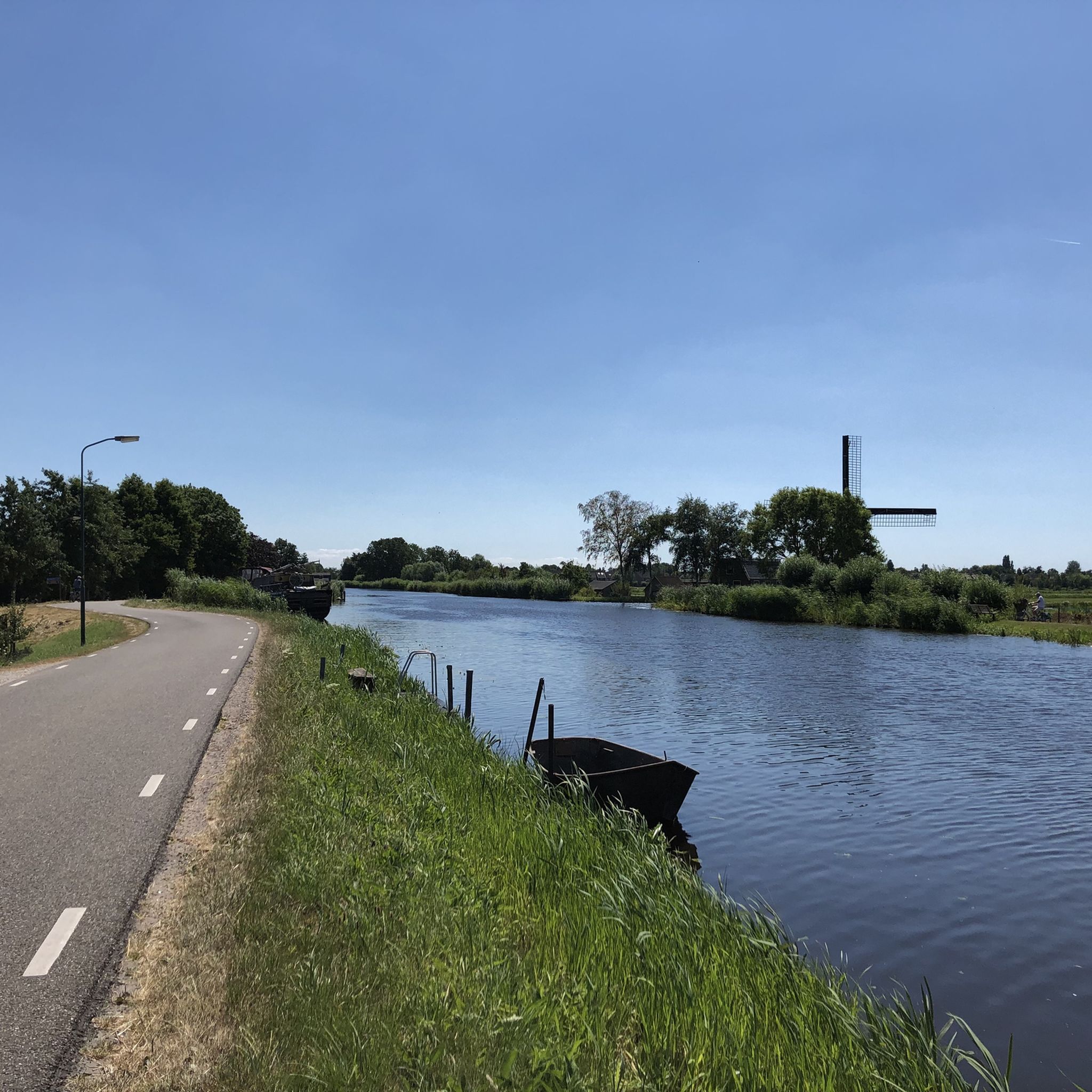
De Zwaan was built around 1638 as an inland windmill. It drained the Klein-Duivendrechtse and Binnenbullewijkerpolder on the Amstel (the Amstelland reservoir), which together covered an area of 356 hectares. The mill has a flight of 25.6 meters. On July 22, the landowners of the Klein-Duivendrecht district and part of the Binnenbullewijk received a patent to dyke their land, which had previously been used jointly with the Amstelland polder. This created a polder that bordered the Westbijlmer and Laanderpolders to the east, which had their own windmills. In 1879, the polders were merged through peat extraction, creating the "Verenigde Westbijlmer- en Klein Duivendrechtse polder." This national monument is owned by the association "De Hollandsche Molen" (The Dutch Mill). In early 1900, the drained land was reclaimed, and the newly created polder was named "New Bullewijk." It was regulated by a state decree on December 21, 1909. Following an agreement of May 20 of that year, which stipulated that the remaining part of the "Verenigde Westbijlmer- en Klein Duivendrechtse polder" could divert its surplus water to the much lower-lying land under certain conditions, the steam pumping station of "Nieuwe Bullewijk" took over the function of the polder's two windmills in early 1910, when the agreement came into force. The mill of the Westbijlmer and Laanderpolders was then first partially and then completely demolished. The mill of the Klein-Duivendrechtse en Binnenbullewijkerpolder remained standing but gradually fell into disrepair. In 1930, the "De Hollandsche Molen" association took over management of the mill. It was rented out as a residential building, but the mill itself was no longer in operation. A pole was removed, and the reeds were also gradually disappearing, so demolition was considered. Source: nl.wikipedia.org/wiki/De_Zwaan_(Ouderkerk_aan_de_Amstel)
0
0
De Zwaan was built around 1638 as an inland windmill. This drained the Klein-Duivendrechtse and the Binnenbullewijkerpolder on the Amstel (the reservoir of Amstelland), which together had an area of 356 ha. The mill has an escape of 25.6 meters. On July 22, the landlords of the Klein-Duivendrecht district and part of the Binnenbullewijk received a patent to embank their lands previously shared with the Amstellandsches Schoß. This created a polder that bordered to the east on the Westbijlmer and Laander polders, which had their own windmills. In 1879 the polders were merged through peat cutting, resulting in the "Verenigde Westbijlmer- en Klein Duivendrechtse polder". This national monument is owned by the association "De Hollandsche Molen" (The Dutch Mill). In the early 1900s the drained land was reclaimed and the newly created polder was given the name "New Bullewijk". It was regulated by state decree on December 21, 1909. As a result of an agreement of May 20th of the same year, which decided that the remaining part of the "Verenigde Westbijlmer- en Klein Duivendrechtse polder" could, under certain conditions, drain its excess water to the much lower-lying land, the abandonment of the two windmills became of this polder at the beginning of 1910, when the agreement came into force, was taken over by the steam pumping station of "Nieuwe Bullewijk". The mill in the Westbijlmer and Laander polders was then partially and then completely demolished. The mill of the Klein-Duivendrechtse en Binnenbullewijkerpolder remained standing, but fell into disrepair. In 1930 the association "De Hollandsche Molen" took over the management of the mill. It was rented out as a residence, but the mill itself was no longer in operation. A pole is removed and the reeds are also gradually disappearing, so demolition was considered. Source: https://nl.wikipedia.org/wiki/De_Zwaan_(Ouderkerk_aan_de_Amstel)
0
0
암스텔펜 주변에서 가장 인기 있는 명소


더 살펴보기
다른 지역의 최고의 러닝 트레일 & 경로를 살펴보세요.
