아우하겐 최고의 러닝 경로
4.7
(10)
128
달리기 하는 사람
29
러닝
아우하겐 주변 조깅은 주로 평탄한 지형과 물가 산책로가 특징인 코스를 제공합니다. 이 지역은 운하를 따라 마을 풍경을 가로지르는 길의 네트워크를 갖추고 있어 접근성이 좋은 조깅 기회를 제공합니다. 대부분의 코스에서 고도 상승이 최소화되어 있어 편안한 달리기에 적합한 지역입니다. 이 길들은 종종 역사적인 마을 빵집과 같은 지역 명소를 미텔란트 운하와 같은 자연 경관과 연결합니다.
아우하겐 주변 최고의 조깅 코스
- 가장 인기 있는 조깅 코스는 역사적인 뢰든 빵집 (Backhaus Auhagen) – 아우하겐 출발 운하변 산책로 루프로, 8.8km 길이이며 완료하는 데 약 55분이…
마지막 업데이트: 10월 9, 2026
5.0
(6)
22
달리기 하는 사람
7.83km
00:49
20m
20m
보통 조깅. 좋은 체력 필요. 대부분 포장된 지면. 실력과 관계없이 누구나 갈 수 있음.
10
달리기 하는 사람
보통 조깅. 좋은 체력 필요. 대부분 포장된 지면. 실력과 관계없이 누구나 갈 수 있음.

6
달리기 하는 사람
4.31km
00:27
10m
10m
초급용 러닝. 모든 체력 수준에 적합. 대부분 포장된 지면. 실력과 관계없이 누구나 갈 수 있음.
5
달리기 하는 사람
16.3km
01:41
30m
30m
어려운 조깅. 우수한 체력 필요. 대부분 포장된 지면. 실력과 관계없이 누구나 갈 수 있음.
3
달리기 하는 사람
5.31km
00:35
60m
60m
보통 조깅. 좋은 체력 필요. 대부분 포장된 지면. 실력과 관계없이 누구나 갈 수 있음.
더 다양한 경로와 다른 탐험가들의 추천을 살펴보세요.
이미 komoot 계정이 있나요?
투어 추천은 다른 사람들이 komoot에서 완료한 수천 개의 활동을 바탕으로 구성되어 있습니다.
오늘 무료 계정으로 시작하세요
다음 모험이 기다리고 있어요.

커뮤니티 팁

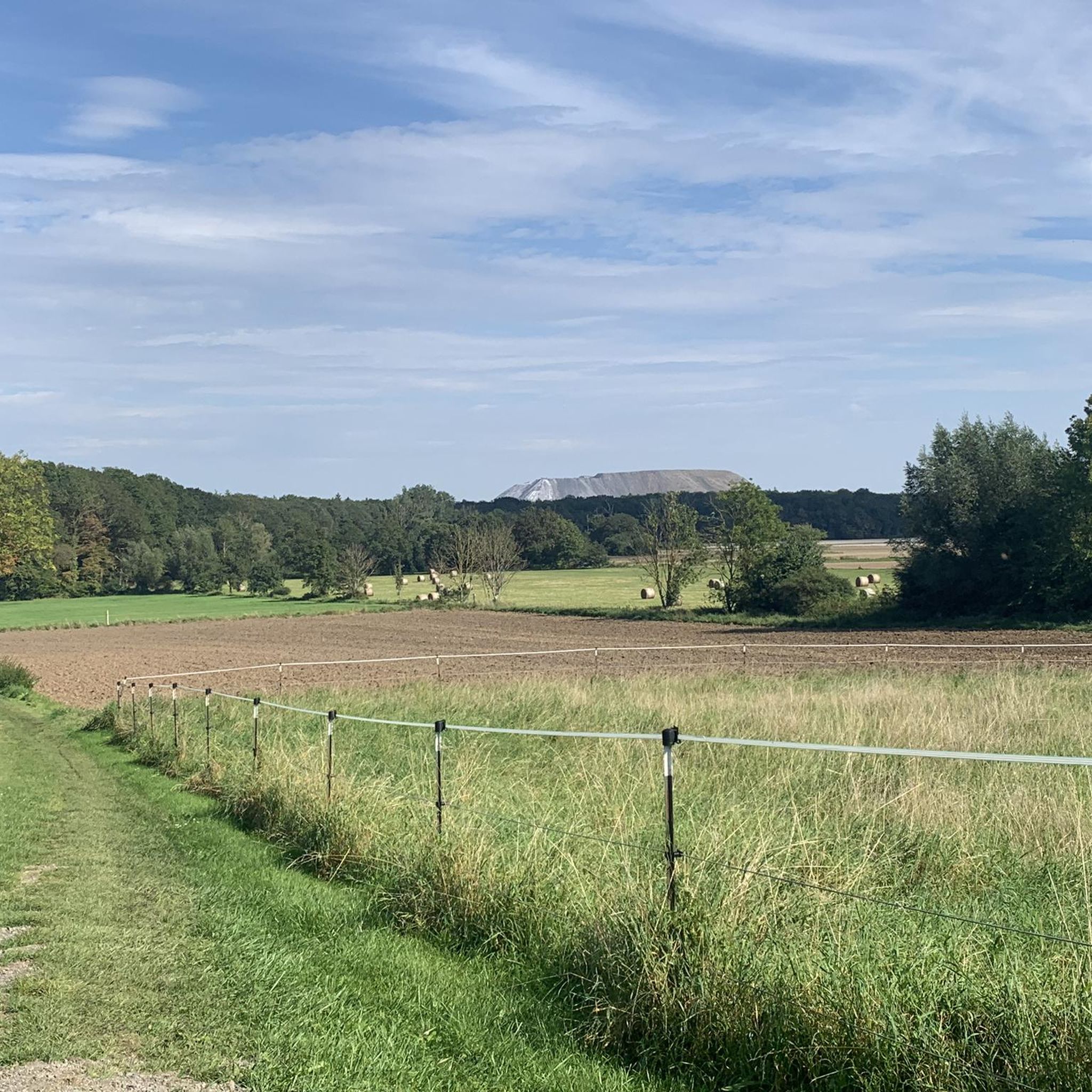
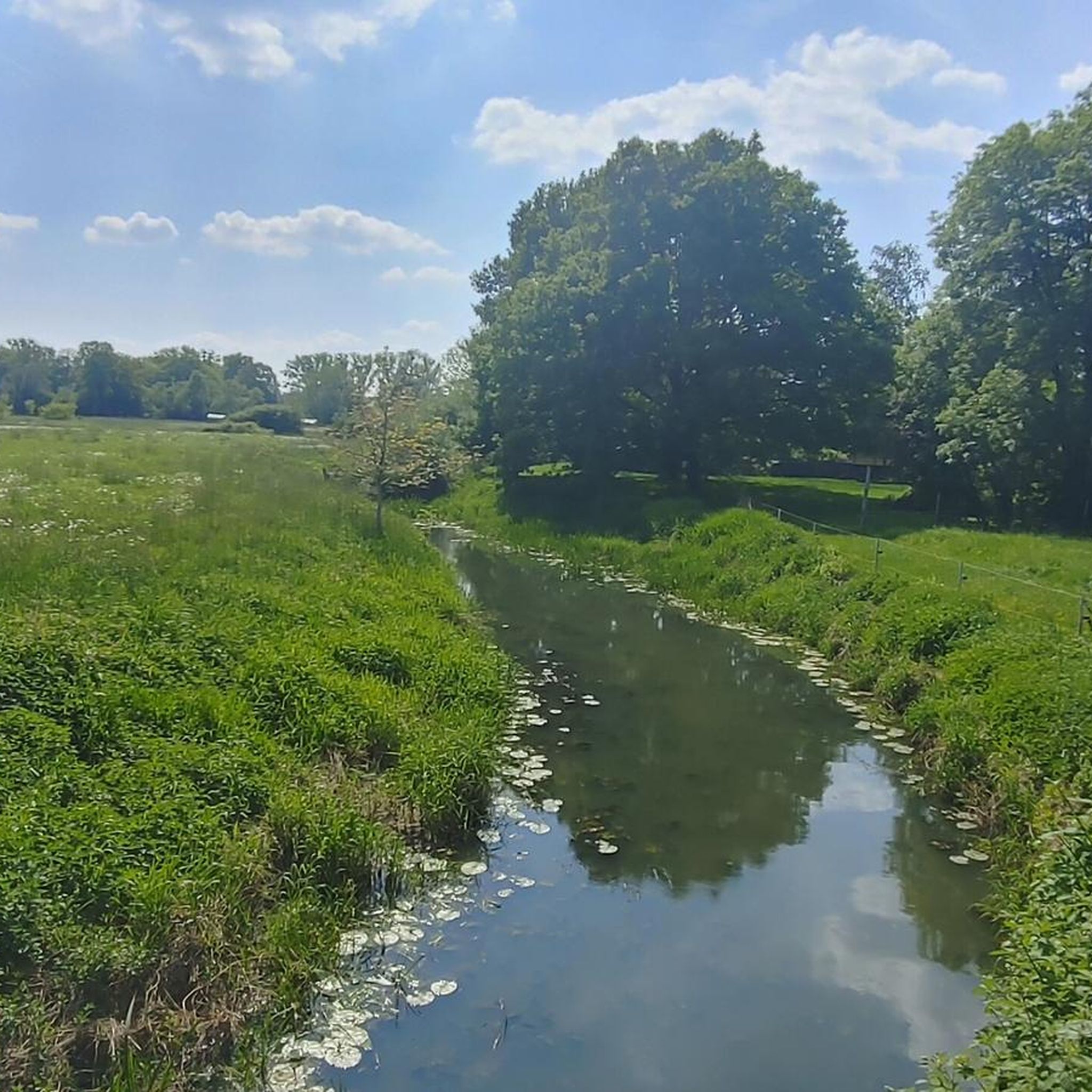
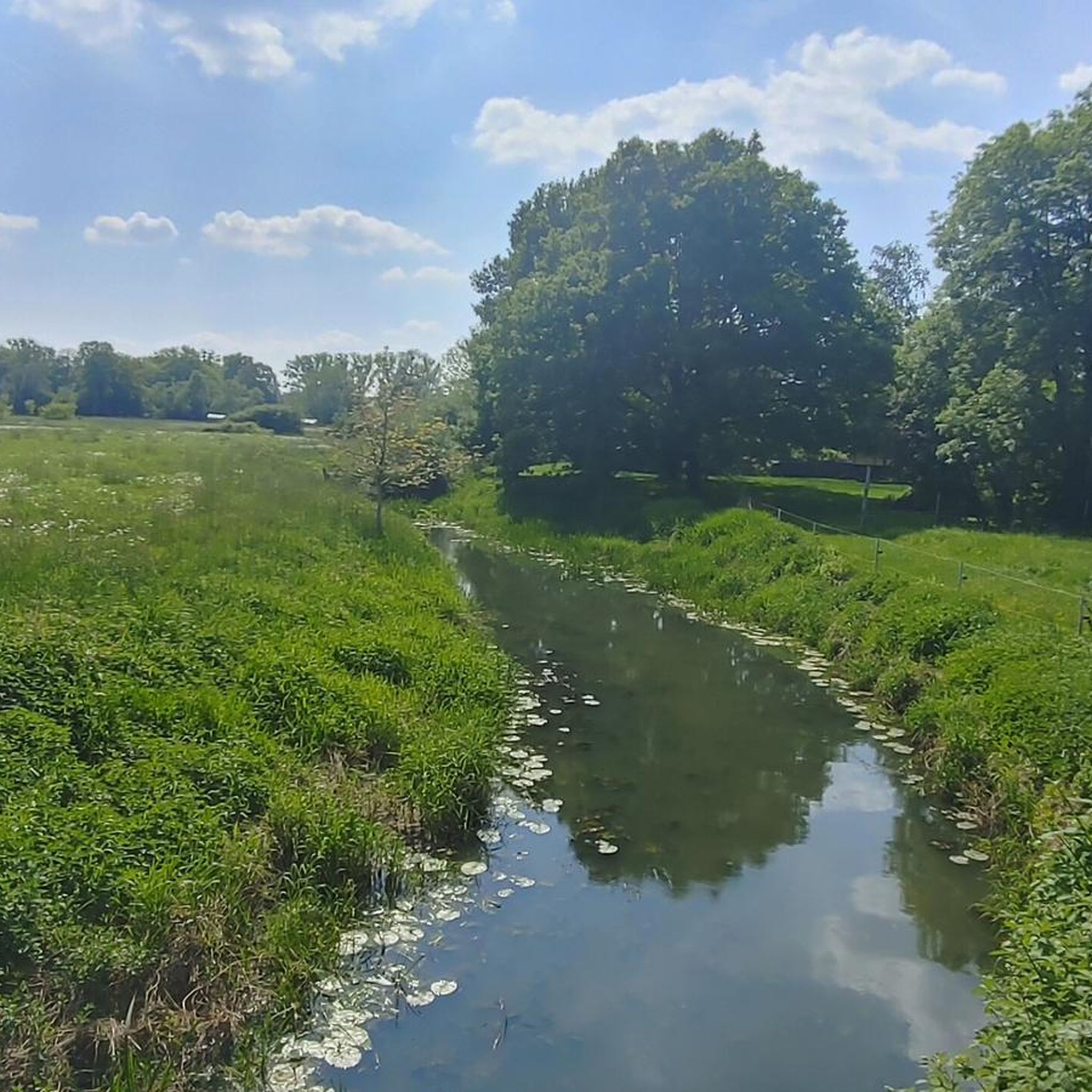
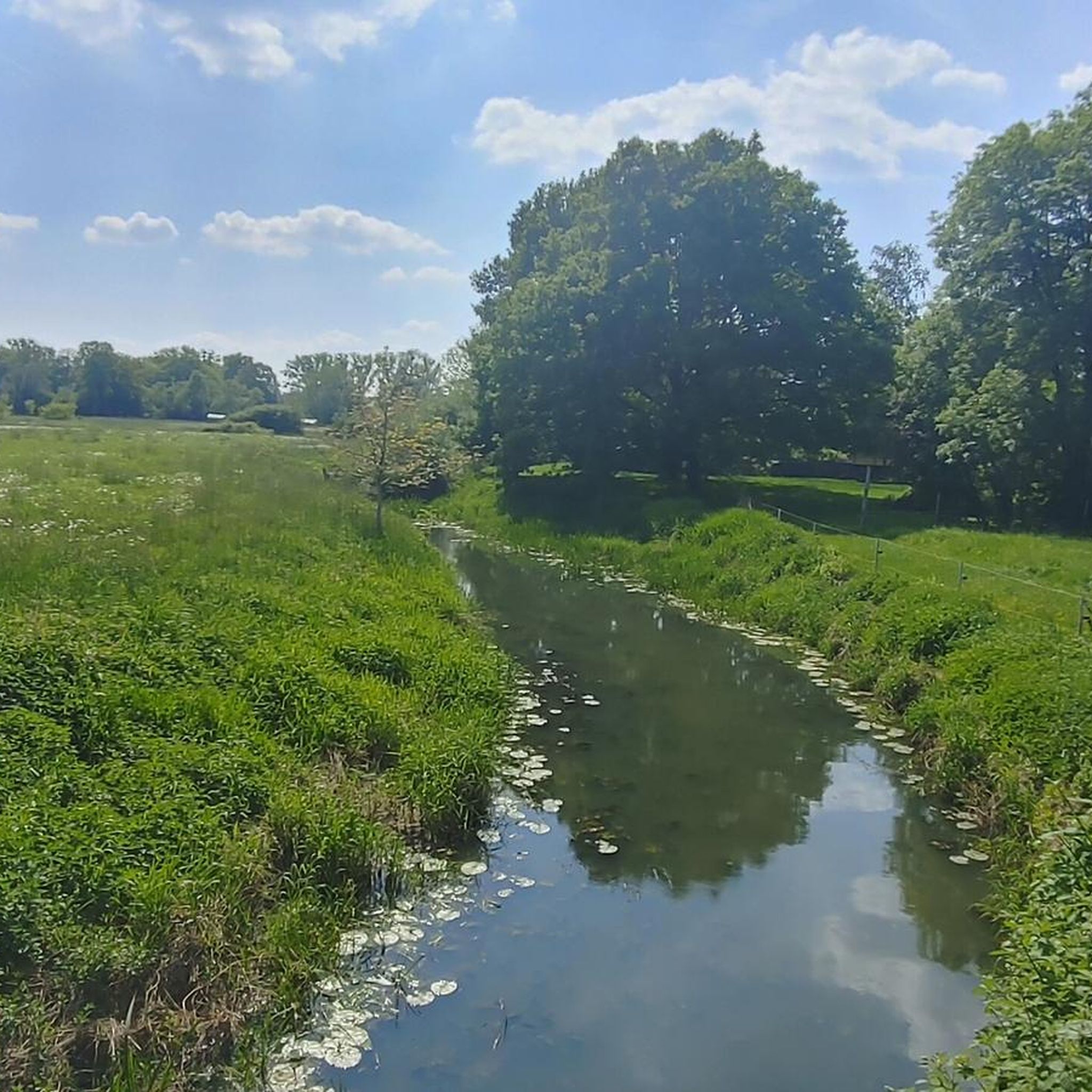
하노버 지역의 미텔란트 운하. 운하를 따라 아름다운 코스이지만, 안타깝게도 풀 때문에 시야가 다소 제한됩니다.
1
0

beautiful cycle route along the Mittelland Canal
3
0

It's always nice on the Mittelland Canal
4
0

The Mittelland Canal: The Mittelland Canal (MLK) is a federal waterway and, at 325.3 kilometers long, the longest artificial waterway in Germany. Including branch and connecting canals, the length is 392 km. It connects the Dortmund-Ems Canal with the Weser, Elbe and the Elbe-Havel Canal. In a broader sense, it is part of a connection between the Rhine and the Oder. In the west, the connection to the Rhine is established via the Dortmund-Ems Canal and the Rhine-Herne Canal or Wesel-Datteln Canal. In the east, the Elbe-Havel Canal, the Lower Havel Waterway and the Havel-Oder Waterway connect the Mittelland Canal with the Oder.
6
0

The small half-timbered building was built around the year 1790. Originally it served as storage on a farm on the Weser. About 30 years later, in 1819, the count sold the former warehouse to the Hagenmeister in Auhagen in the district of Schier. For transport, the house was completely taken apart and brought by horse and cart to Auhagen. Arriving at the new farm, the half-timbered house was rebuilt and got an oven. Now the store had been converted into a back house. Until the beginning of the 20th century each farm had its own bakery. Baking bread was part of the regular work in the yard. During the baking process, the doors were closed tightly and the loaves of bread lying close to each other remained in the Backhaus from noon until the next morning. After 20 hours the breads were cooked. Later, when the farmer decided that the bakery had to be brought closer to the house, it was gradually taken to the new location on wheels. In 1916 the farm burned down. The bakery was spared by the fire, but then served for some time as a horse stable. Later it was used again as Backhaus. After World War II, the farmers stopped baking their own bread and the oven fell into decay. The bakery now became unusable as a shed until in 1985 the local council in Auhagen decided to carry out a village renewal. The bakery has been declared a cultural monument and should be completely renovated. The owner bequeathed the house to the community. So that the cultural property can be visited by anyone, the bakery had to change its location a third time. It was once again carefully dismantled by experts and taken to its new location - in the middle of the village in the district of Rähden. Here it was rebuilt. Around the bakery, a group of seats was made from old sandstone slabs. At the inauguration on 3 October 1990, a pond was planted to the right. The inauguration ceremony was on October 28, 1990, and the furnace was fueled, as in former times, to bake large plates with cakes. In 2007, the old bakery was joined by an outbuilding built in the same style, with a toilet and a storeroom. Source (http://www.blume-gen.de/auhagen-backhaus.html)
0
0
From here you have on two sides of a sweeping view, both on the Schaumburg land, as well as on the other side of the Steinhuder sea. The rest area is covered and partly sheltered from the wind. The Sigwardsweg leads here as well.
4
0
아우하겐 주변에서 가장 인기 있는 명소


더 살펴보기
다른 지역의 최고의 러닝 트레일 & 경로를 살펴보세요.
