20의 젤자이트가지 명소 & 주요 장소
젤자이트에는 둘러볼 만한 장소가 많답니다. 하이킹 또는 사이클링을 좋아한다면 젤자이트에 숨겨진 20
가지 보석을 만날 수 있을 거예요. 이 지역의 주요 명소를 살펴보면서 다음 모험을 계획해보세요.
마지막 업데이트: 10월 9, 2026
Moervaart 자전거길
하이라이트 • 자전거 도로
번역자 Google •
팁에 의해

모어베케의 테르베스트브뤼그
하이라이트 • 다리
번역자 Google •
팁에 의해

이런 장소를 발견하려면 지금 가입하세요
최고의 싱글 트랙, 봉우리 및 다양한 흥미로운 야외 장소에 대한 추천을 받아보세요.
퓌엔브뢰크 주립 공원
하이라이트 • 휴식 공간
번역자 Google •
팁에 의해

필리핀 무셀 기념비
하이라이트 • 기념물
The mussel monument, created …
번역자 Google •
팁에 의해

Kloosterbos
하이라이트 • 숲
번역자 Google •
팁에 의해

무료로 가입하여 젤자이트 주변의 더 많은 명소를 발견하세요.
이미 komoot 계정이 있나요?
오늘 무료 계정으로 시작하세요
다음 모험이 기다리고 있어요.

커뮤니티 팁


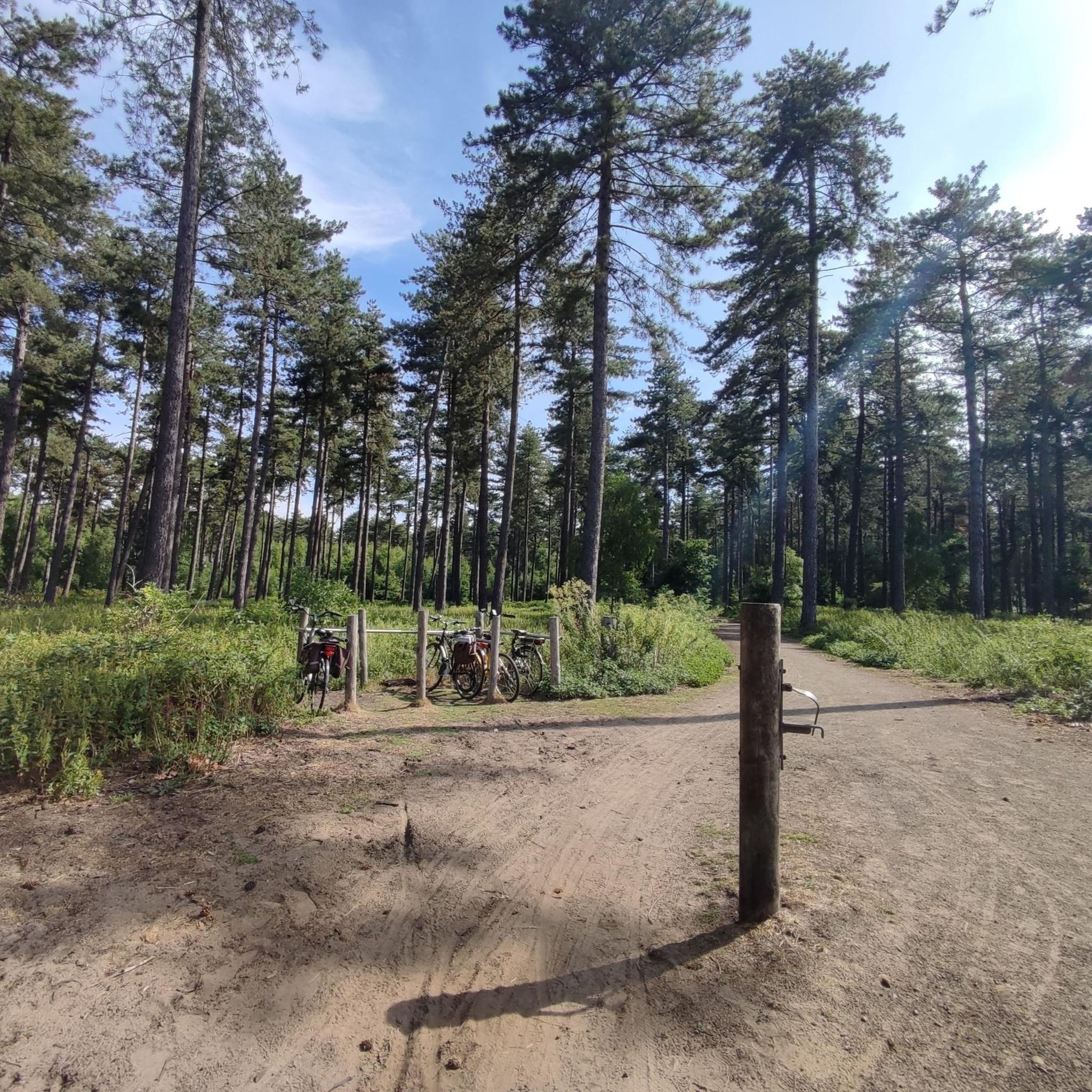
The Kloosterbos is a nature reserve in the north of East Flanders and is divided between Zelzate and Wachtebeke. It is, just like the Heidebos and the Stropersbos, one of the last remnants of what was once an extensive forest and heathland area from Maldegem to Stekene. Most of the trees in the current forest have been planted in the last 200 years, before that it was mainly heathland, as can be clearly seen on the Ferraris map. A number of zones in the forest have been set up as play forests. The forest has had the FSC label since June 2010.
2
0

There are many large and varied walking trails, as well as a play forest, a grass field and a sand hill area. You can also spot deer.
1
1

town with many mussel restaurants but also department store/Spar (open on Sundays).
0
0

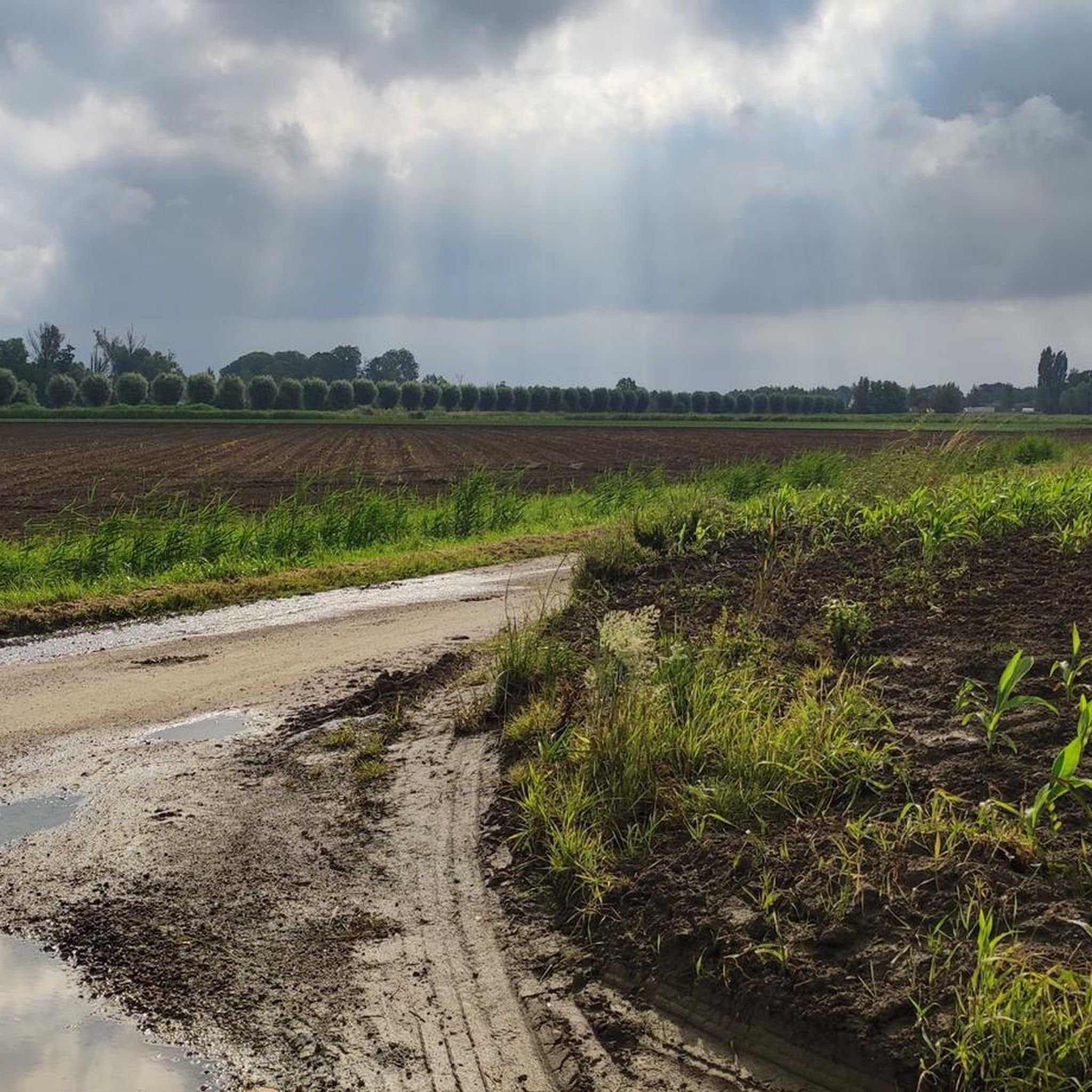
nice cycle paths we also cycled through puiyenbroek
2
0

Philippine is a small town on the Belgian-Dutch border and is mainly known for one thing: mussels! Philippine is the mussel capital and you will not be able to ignore that because of the various mussel restaurants in the center. It can be very busy here, especially during the mussel season (traditionally from late August to April); Whole busloads of enthusiasts come to this town to enjoy these delicacies from the sea. But why is it that Philippine is the mussel capital? There is no sea to be seen here at all. That's right, the town is several kilometers away from the sea, but anyone who delves a little into the history of the town will notice that this has not always been the case. And it wasn't that long ago that the last mussel boat unloaded its precious cargo here. In the 19th century, fishing in Philippine became increasingly important. When mussels became increasingly popular, more and more mussel farmers settled in the town. In the meantime, Zeeland mussels were exported in large quantities from Philippine to Belgium and even France. However, the reclamation of land caused the Braakman to become increasingly silted up and the port became increasingly difficult to reach. To remedy this, a canal was dug between the harbor and deeper water; this canal was festively inaugurated in 1900. Mussel production reached its peak just before the First World War. However, the silting up could not be stopped and the port was closed after the Second World War. The final blow came in 1952 with the damming of the Braakman. The mussel tradition and reputation of Philippine had already been formed and we can still enjoy it today. The many mussel restaurants are living proof of this. More info at http://www.xplorengo.com/ned/europa/nederland/zeeland/philippine.htm
4
0


