콜레살베티 최고의 워킹 & 하이킹 경로
4.4
(767)
2,802
등산객
22
하이킹
정확한 경로를 찾는 것이 때로는 어렵지만 콜레살베티에서 하이킹을 하면 다양한 경치를 마음껏 감상할 수 있답니다. 콜레살베티에서 가장 멋진 하이킹과 워킹 중에서 마음에 드는 활동을 시작해보세요.
마지막 업데이트: 10월 10, 2026
어려운 하이킹. 우수한 체력 필요. 실력과 관계없이 누구나 쉽게 갈 수 있는 길.
보통 하이킹. 좋은 체력 필요. 실력과 관계없이 누구나 쉽게 갈 수 있는 길.

4.1
(22)
48
등산객
9.77km
03:01
320m
320m
보통 하이킹. 좋은 체력 필요. 대부분 갈 수 있는 길. 미끄러지지 않게 조심해야 함.
3.8
(10)
12
등산객
4.48km
01:25
140m
140m
보통 하이킹. 모든 체력 수준에 적합. 대부분 갈 수 있는 길. 미끄러지지 않게 조심해야 함.
5.0
(2)
12
등산객
17.4km
05:16
540m
540m
어려운 하이킹. 우수한 체력 필요. 대부분 갈 수 있는 길. 미끄러지지 않게 조심해야 함.
더 다양한 경로와 다른 탐험가들의 추천을 살펴보세요.
이미 komoot 계정이 있나요?
투어 추천은 다른 사람들이 komoot에서 완료한 수천 개의 활동을 바탕으로 구성되어 있습니다.
오늘 무료 계정으로 시작하세요
다음 모험이 기다리고 있어요.
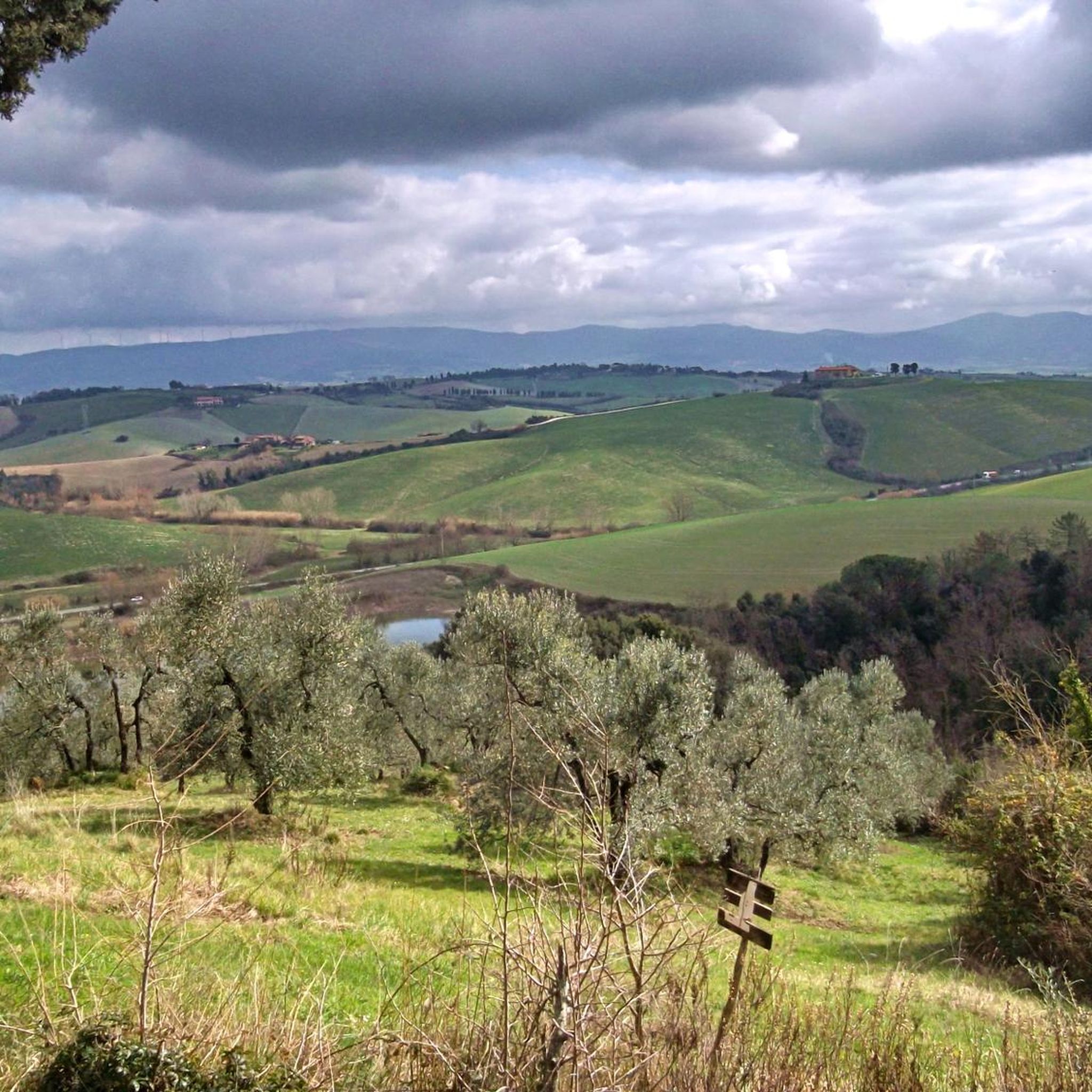
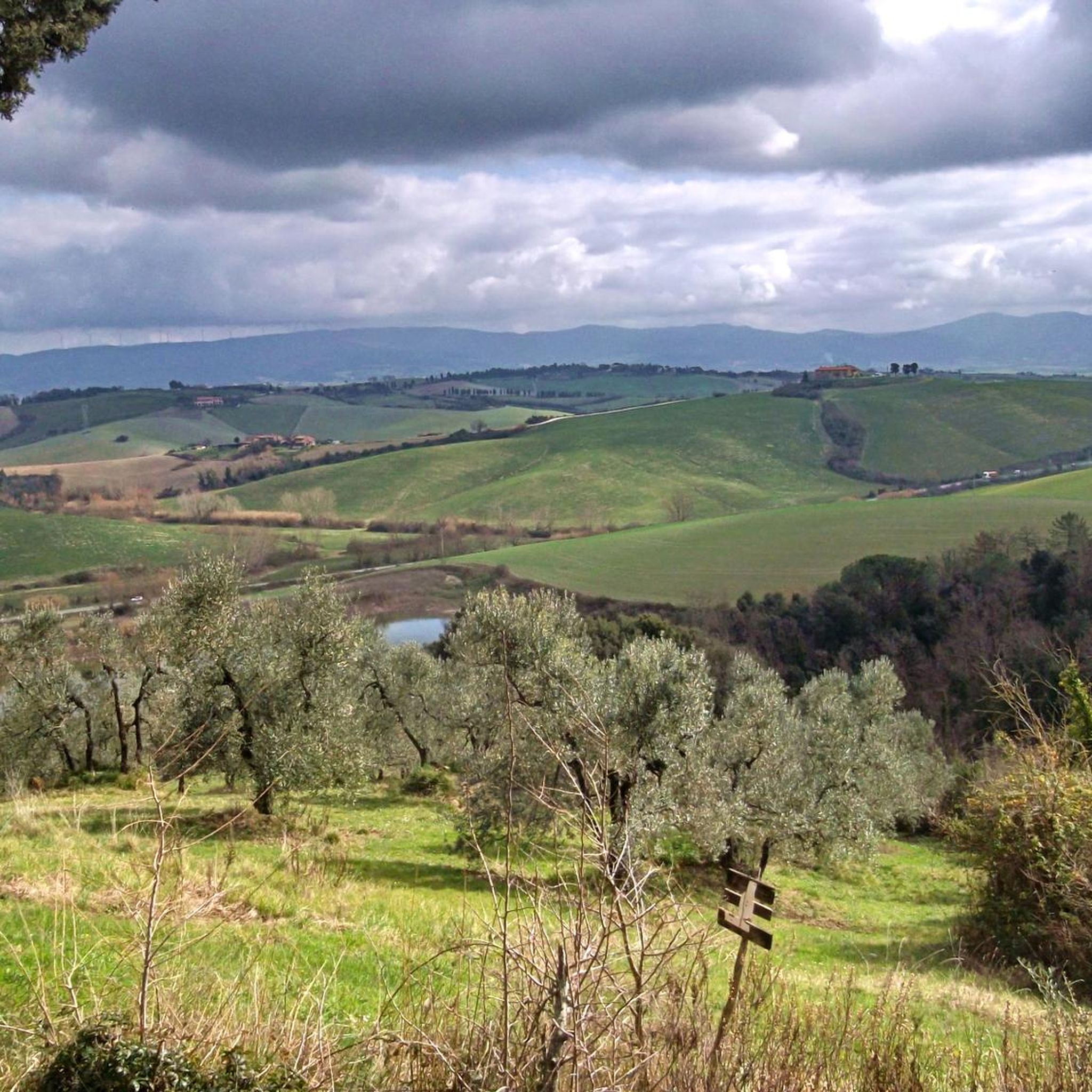
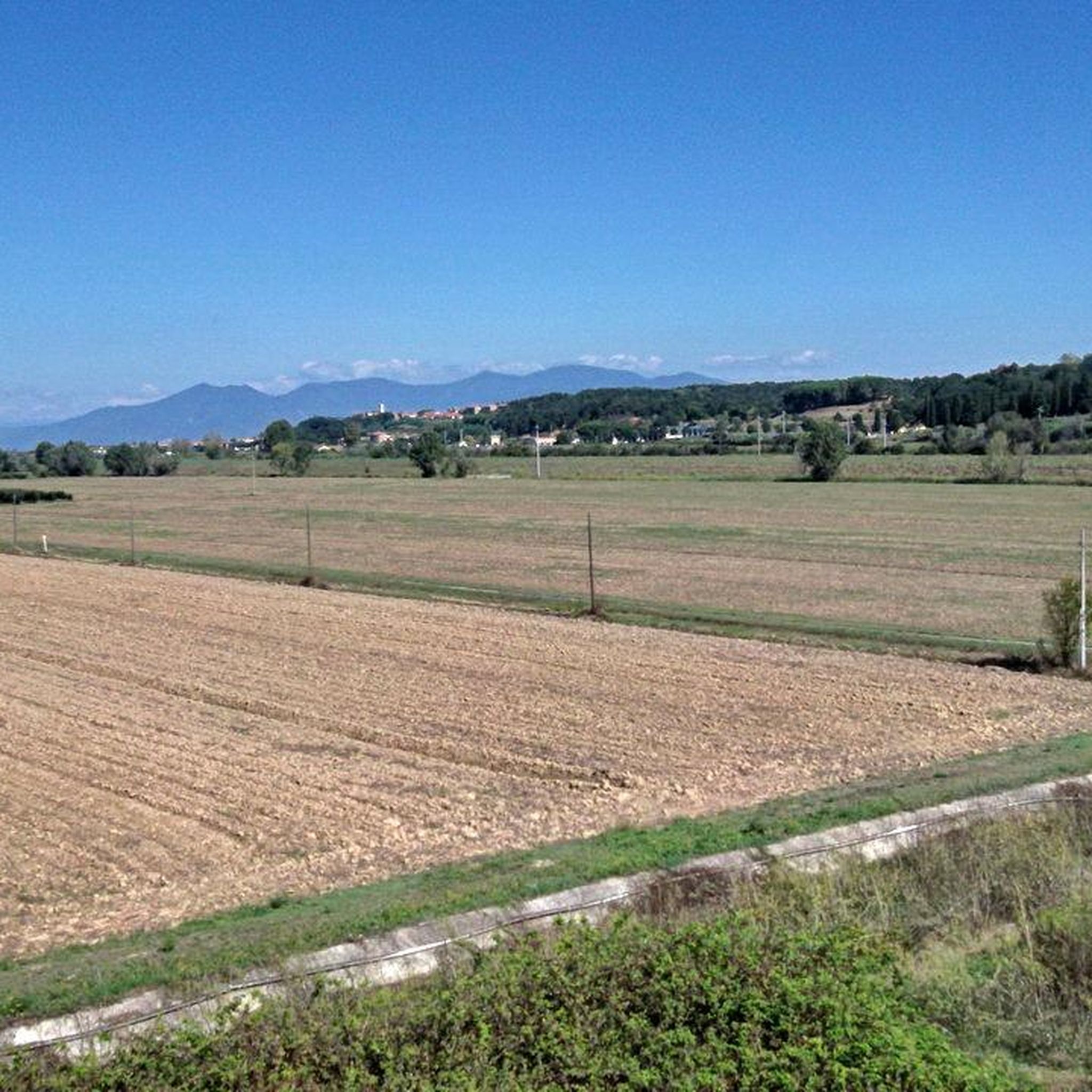
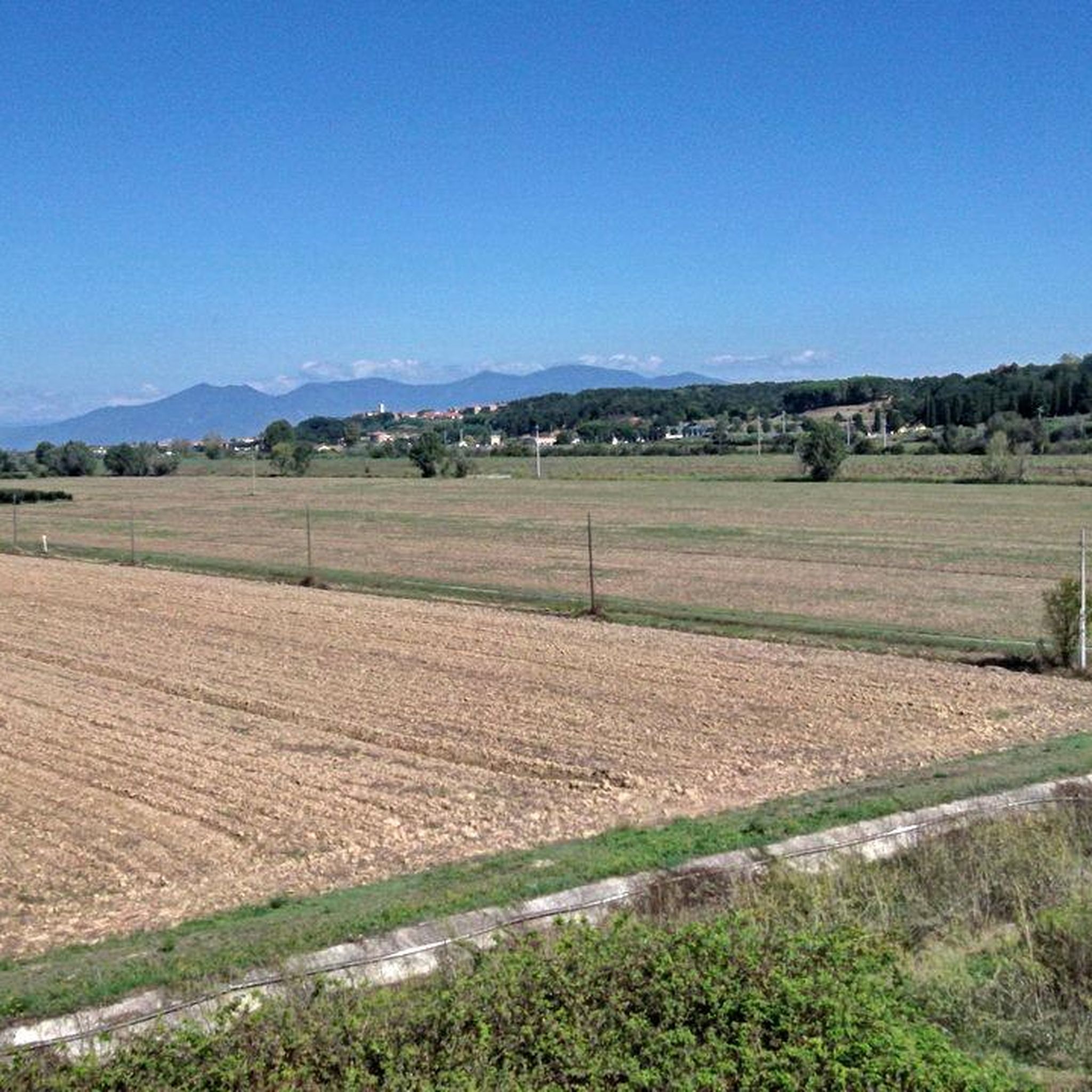

커뮤니티 팁

Please take into account that it is very technical and some roads are closed.
0
0

An 18th-century masterpiece just waiting for you Also known as the Poccianti Aqueduct or the Colognole Aqueduct, this ambitious project, begun in 1793, was conceived by order of Grand Duke Ferdinand III in response to the growing water needs of an expanding Livorno. Thanks to its port, in fact, the city was experiencing a significant population increase. However, it was Leopold II who brought it to completion, inaugurating the work only in 1852. The project of the aqueduct, which supplied water to the city of Livorno from 1816 to 1912 and still serves the neighboring towns, was conceived by the skilled Florentine architect Giuseppe Salvetti, the first to trace the path through the hills of Colognole, where various springs gush generously. Due to his premature death, the work was assigned to the architect Calocchieri and completed by Pasquale Poccianti. The latter in particular left an indelible mark on the structure, creating the three imposing cisterns visible in Livorno: the Cisternone, the Cisternino di Città and the Cisternino di Pian di Rota.
0
0


Eremo della Sambuca (Valle Benedetta - Livorno) The hermitage is located south of the Valle Benedetta in the forest of the Livorno Mountains. Already known in the 13th century as an Augustinian hermitage, one of the many that flourished throughout the Christian West to welcome those who wanted to retreat in prayer far from the noise of the world, in 1390 it took the name of Eremo di Santa Maria in Parrana Among others, the Gesuati penitential friars settled there. The Gesuati (not to be confused with the Jesuits) were born as an association of lay penitents founded in the 14th century by St. Giovanni de' Colombini from Siena. They preached peace, poverty and their main function, in addition to prayer, was to assist the sick, the poor and the needy. They spread throughout Italy and, in particular in Tuscany, founded many convents. The Augustinian hermitage was expanded and strengthened by them with other interventions in the vicinity (cultivations, a water mill, "icehouses"). Precisely because of the holy life that these monks led and because of its position sunken into the valley of the Ugione stream, the hermitage took the name of Santa Buca, or Sambuca. Over time, the Gesuati also took over the administration of the Sanctuary of Montenero. After the Gesuati order was suppressed in 1668 by Pope Clement IX (and their assets confiscated to support the war against the Turks), the complex passed to a series of private owners and followed a long period of decline. The structure consisting of a small church (with a single nave, divided into three bays with a circular apse, cross vaults and remains of frescoes, including an Annunciation), cells, guesthouse, refectory, kitchen, granary, cellar, is in poor condition. Since 1950 the structure has been a state-owned building of the Municipality of Collesalvetti. In 1912 it was declared a national monument and a few years ago it was entrusted to the Parish of Giovanni Gualberto in Valle Benedetta.
3
0

Villa Cristina is a scout house. In the summer of 2023 I was also lucky enough to go camping with the Salesians
1
0
Nice dirt road at times with large stones but nothing complicated, all pedalable.
1
0
Ancient Hermitage, whose oldest nucleus dates back to 1100 (small church of Santa Maria di Parrana, with a few cells, Augustinian Fathers of S. Jacopo in Acquaviva), located in the valley of the Ugione torrent, in the Provincial Natural Park of the Livornesi Mountains and in the complex regional agricultural-forestry Livornesi Hills (Valle Benedetta Forest). From 1390 the hermitage took the name of Santa Maria della Sambuca and the penitential Gesuati friars settled there (until 1668, the year of dissolution of the order), with consequent expansion of the structure (church, cells, guesthouse, refectory, kitchen, barn, cellar). A state property since 1950, the Hermitage has been partly renovated with CIPE funds, but is in a state of abandonment and the other two wings (including the beautiful cloister) require urgent conservative restoration. Of great interest for the circuit of existing routes that touch other cultural emergencies such as the remains of mills on the Ugione stream (late 1600s - early 1700s), the ice houses (late 1700s) and other historical-cultural testimonies, as well as naturalistic and geological emergencies.
2
0
The Agesci and Cngei scouts are responsible for managing Villa Cristina, which is a structure immersed in the greenery of the Livornesi Mountains provincial park, precisely between the Corbolone shooting gallery and the Sambuca Hermitage. The structure, public, and owned by the Tuscany Region, which entrusted its management first to the province of Livorno and subsequently to the Colline Metallifere body
0
0
콜레살베티 주변에서 가장 인기 있는 명소


더 살펴보기
다른 지역의 최고의 하이킹를 살펴보세요.
