20의 아테사가지 명소 & 주요 장소
아테사에는 둘러볼 만한 장소가 많답니다. 하이킹 또는 사이클링을 좋아한다면 아테사에 숨겨진 20
가지 보석을 만날 수 있을 거예요. 이 지역의 주요 명소를 살펴보면서 다음 모험을 계획해보세요.
마지막 업데이트: 8월 3, 2026
Sangro River 전쟁 묘지
하이라이트 • 역사적 장소
번역자 Google •
팁에 의해

산 파스콸레 수도원(아테사)
하이라이트 • 종교적 장소
번역자 Google •
팁에 의해

이런 장소를 발견하려면 지금 가입하세요
최고의 싱글 트랙, 봉우리 및 다양한 흥미로운 야외 장소에 대한 추천을 받아보세요.
무료 회원 가입
칸티나 소치알레 프렌타나 - DINAclub e-바이크 충전소
하이라이트 • 휴식 공간
번역자 Google •
팁에 의해

보스코 디 돈 베난치오 지역 자연 보호구역
하이라이트 • 숲
번역자 Google •
팁에 의해


오늘 무료 계정으로 시작하세요
다음 모험이 기다리고 있어요.
로그인 또는 가입하기
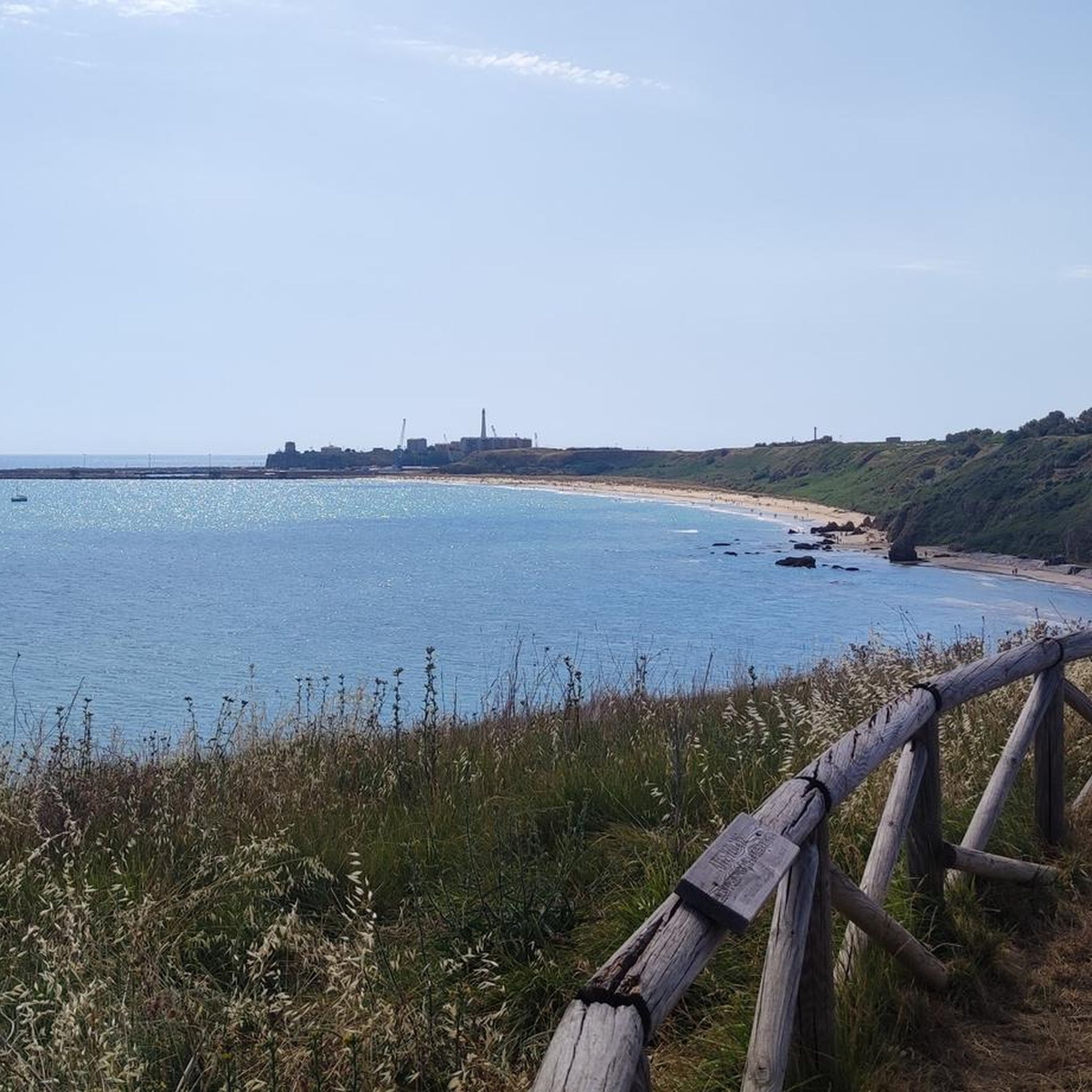
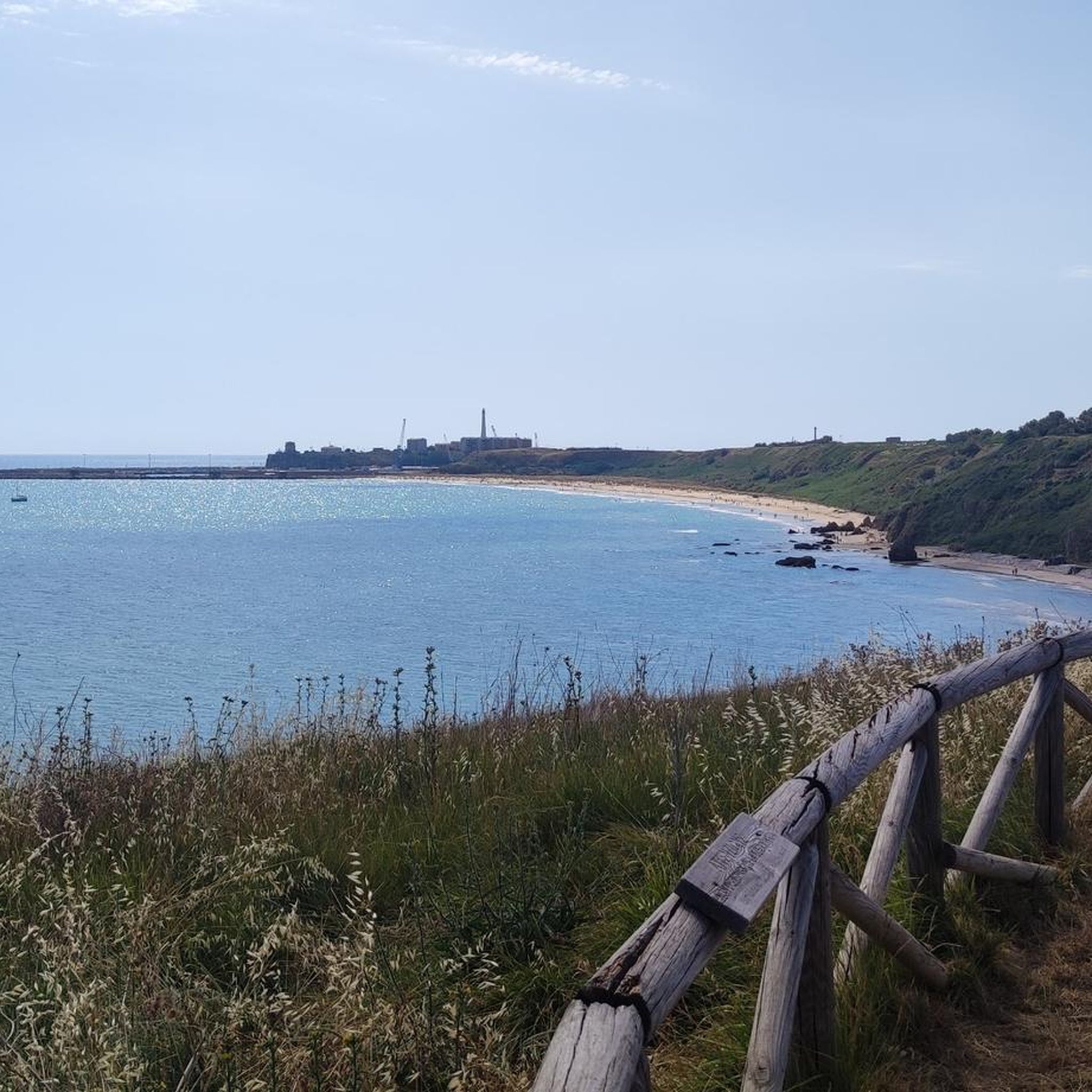
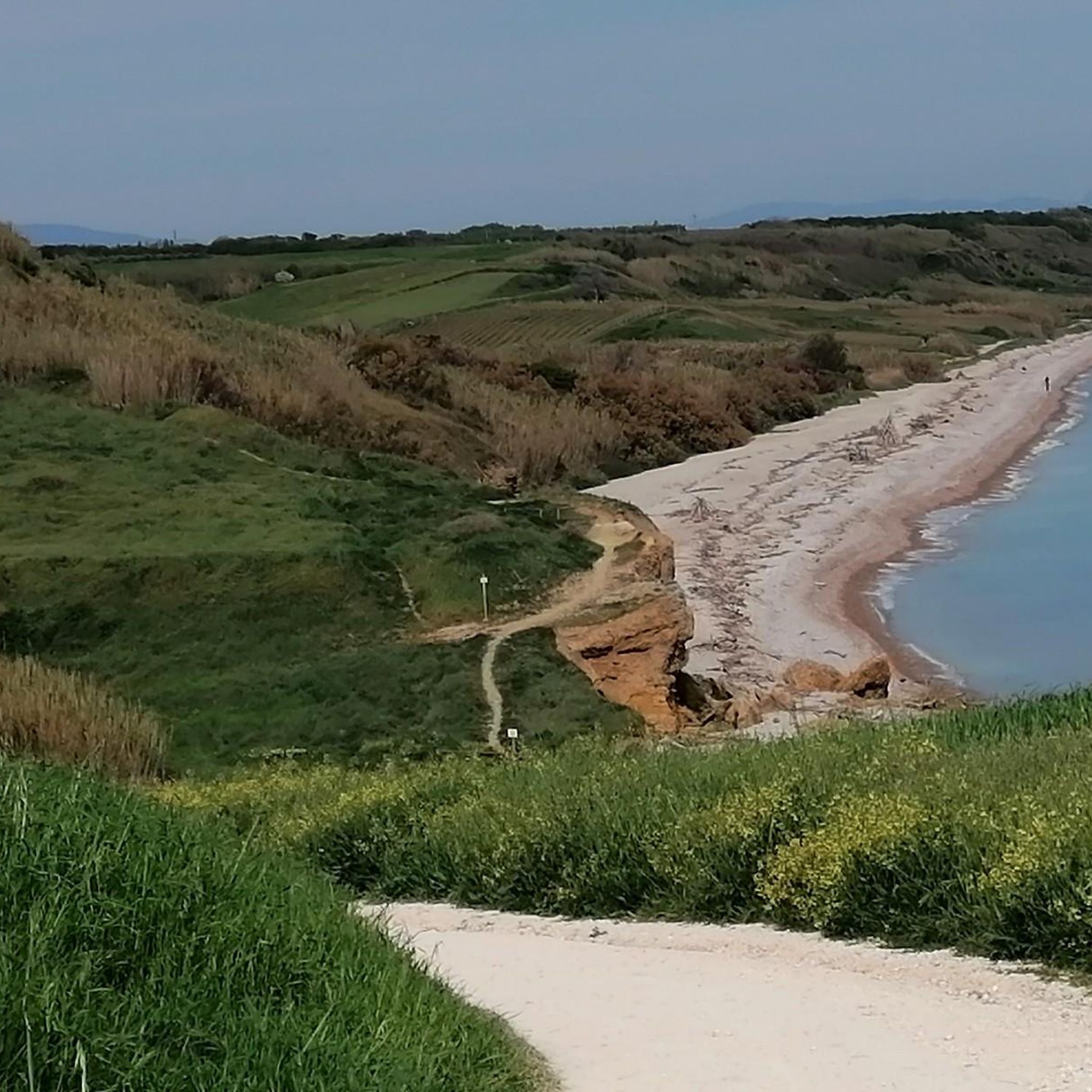
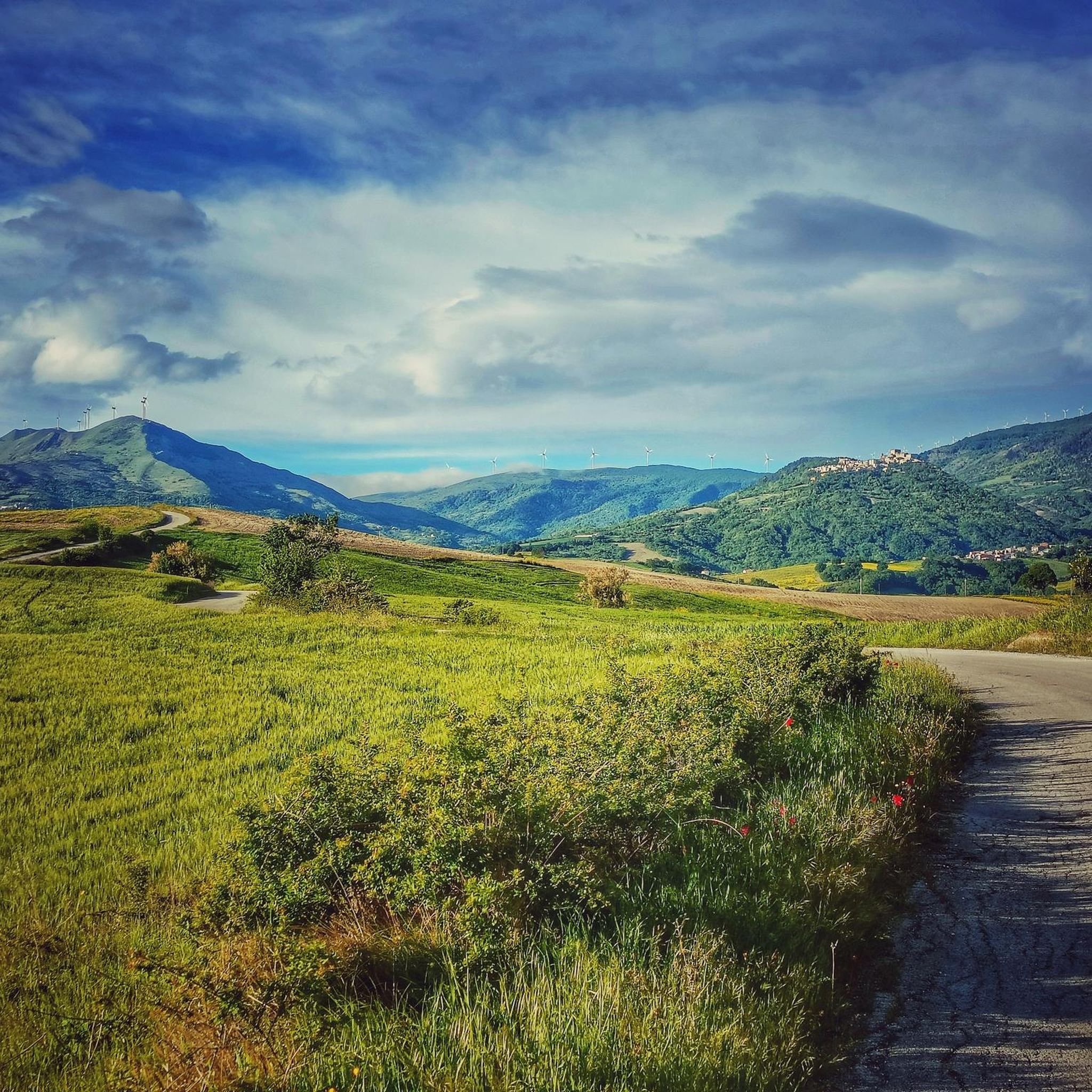

커뮤니티 팁

평온의 오아시스에 있는 역사적인 프란치스코회 수도원. Convento di San Pasquale(공식 명칭 산타 마리아 델리 안젤리 수도원)는 중세 도시 아테사 바로 외곽의 발라스프라 언덕에 있는 녹지 속에 숨겨져 있습니다. 이 인상적인 복합 건축물은 1408년 복된 Tommaso da Firenze에 의해 설립되었습니다. 자연석으로 완전히 지어졌으며 고요하고 역사적인 분위기를 풍깁니다. 내부와 중앙 우물(1709년산)이 있는 아름다운 수도원 정원은 운영 시간이 자주 변경되어 아쉽게도 대중에게 자주 공개되지 않지만, 외부에서 보는 이 복합 건축물은 절대적인 볼거리입니다. 앞쪽의 큰 현관 아래에서 오래된 피에타 프레스코화를 감상할 수 있습니다. 또한, 조용하고 그늘진 환경은 스포츠 투어 중 잠시 휴식을 취하기에 완벽합니다. 재미있는 사실: 이 수도원은 과거에 유명한 현지 허브 리큐르 "Amaro San Pasquale"의 이름을 빌렸는데, 이 리큐르는 원래 이 계곡의 허브로 수도사들이 제조했던 것입니다.
1
0

Suggestive war cemetery, where the fallen English allies (Commonwealth) have their deserved rest.
0
0

Convent of S.Maria degli Angeli (S.Pasquale) in Vallaspra di Atessa (CH) In the name Vallaspra, Valle-aspra, one can sense the peculiarity of a wild and fruitless nature, but also the sedimentation of a troubled historical and religious with long periods of splendor and apostolate. The history of the Vallaspra convent is linked to the Franciscan spirit and the incessant work of evangelization of the observant Friars Minor. Way back in 1408, Tommaso da Firenze, lay friar and secretary of Father Nicola da Osimo, commissioner of the province of Sant'Angelo in Puglia, stopped his wanderings in the Frenta area, in front of an ancient Cona depicting the Madonna of Sorrows with the Dead Christ and on the sides Saint John and Saint Francis on the right, Mary Magdalene and Saint Anthony of Padua on the left, venerated in a barren and wild place, precisely Vallassero di Atessa. Conquered by the evocative sacredness of the place and the profound meaning of this Pietà, Frà Tommaso began the construction of the first nucleus of the convent, which was completed and inaugurated just ten years later, in 1430. The convent of Vallaspra dedicated by Frà Tommaso to Santa Maria degli Angeli , not only in the dedication, but above all in the architectural structures, preserves the cleanliness of the Franciscan forms. The church, with a central nave and a side one, was enriched, in the early 1700s, with a chapel dedicated to San Pasquale Baylon (Spanish), a lay Franciscan, canonized in 1860, in honor of the Contestabile Colonna; the latter changed the title of the convent and San Pasquale simply, rather than Vallaspra, indicates the locality and the monastic complex. Over the centuries the structure was a woolen mill (the Franciscan habit was produced there); operating for more than a century and closed in 1675, it was linked to the intense period of traffic along the herd arteries. Over the years, the Convent of S.Pasquale became an important center of theological studies. Today, the Convent transmits a strong sense of belonging, of religious, spiritual and cultural identity; characteristics, the latter, which make it a solid, safe reference center, as well as a pole of aggregation, prayer and apostolate.
1
0
The forest is made up of a series of progressively decreasing river terraces. The first is the one on which the farmhouse stands and is the one where forests have been deforested to make room for crops, it is also the largest and covers the entire Sinello valley. The second, at a difference in altitude of about 7 metres, is the one that hosts the current residual forest. In winter and spring it is often flooded and puddles form, while in the hottest months of the year the ground is completely dry. The next terrace is the one where the Sinello, when in flood, flows and hosts very heterogeneous vegetation. One meter below is the last terrace made up of the river bed made up of limestone and gravel. The climate of the forest is Mediterranean, the average temperature throughout the year is 16°, while the average temperature in July is 25° and in January 6°. The most important tree species are present on the second terrace and are the Cerro, the English oak, the white hornbeam and the ash. There are specimens of trees that reach 25 meters in height. Inside the forest and also in the part of the river that passes through it, a delicate ecosystem survives, in the waters of the Sinello we can find Brasche, Buttercups, Water Celery, Watercress. There are submerged colonies of vegetation that give the waters their characteristic blue-green colour. The fauna of the area is represented by the various migratory birds frequent in the temperate coastal areas, by foxes and badgers, as well as moles and hedgehogs.
0
0
Pollutri can boast the presence, in its territory, of the Don Venanzio forest: a delicate and precious, as well as rare, example of a plain forest, towards which scientists and ecologists have turned their attention, in fact the Don Venanzio forest is one of the last strips of lowland forest on the Adriatic coast. Unfortunately what we can see today is nothing more than what remains of a much larger and more extensive forest near the Sinello river. The Forest card Location: 1 km from the exit Vast North of the A14 Extent: approximately 78 ha Height: 30 m above sea level Owner: Municipality of Pollutri Reserve since: 29/11/1999 LR 128 Structure: Tall forest, spread over a series of river terraces. Vegetation: White poplar, Black poplar, Downy oak, Turkey oak, Ash, White hornbeam and English oak. Shrubs: Dogwood, Ivy, Pendulum sedge, Cornioo, Undergrowth: Apennine anemone, Butcher's broom, Red lily and others. Entrance to the site is free, on request it is possible to take a guided tour. Info: 0872/50357 – 338/5728304 There.
0
0
The reserve is always open, while the restaurant and bar respect closing days and periods.
0
0

Monastic complex located in Atessa. The style is Renaissance/Baroque and its origins date back to the 15th century. the convent is entirely made of stone and there is a nursery in its garden.
2
0

Abruzzo is a continuous discovery and the wines of Cantina Frentana are the perfect photograph of this region. There is only to choose!
0
0
아테사 주변에서 가장 인기 있는 명소


더 살펴보기
찾고 있는 하이라이트를 아직 못 찾으셨나요? 다른 지역의 주요 명소 가이드를 확인해보세요:
