캄포사노에는 둘러볼 만한 장소가 많답니다. 하이킹 또는 사이클링을 좋아한다면 캄포사노에 숨겨진 20
가지 보석을 만날 수 있을 거예요. 이 지역의 주요 명소를 살펴보면서 다음 모험을 계획해보세요.
마지막 업데이트: 6월 5, 2026
하이라이트 • 종교적 장소
번역자 Google •
팁에 의해
이런 장소를 발견하려면 지금 가입하세요
최고의 싱글 트랙, 봉우리 및 다양한 흥미로운 야외 장소에 대한 추천을 받아보세요.
무료 회원 가입
하이라이트 • 성
번역자 Google •
팁에 의해
하이라이트 • 성
번역자 Google •
팁에 의해
하이라이트 (구간) • 트레일
번역자 Google •
팁에 의해
무료로 가입하여 캄포사노 주변의 더 많은 명소를 발견하세요.
무료 회원 가입
이미 komoot 계정이 있나요?
오늘 무료 계정으로 시작하세요
다음 모험이 기다리고 있어요.
로그인 또는 가입하기
TO visit, it is still possible to climb up one of the 4 towers for a view over the entire valley
1
0
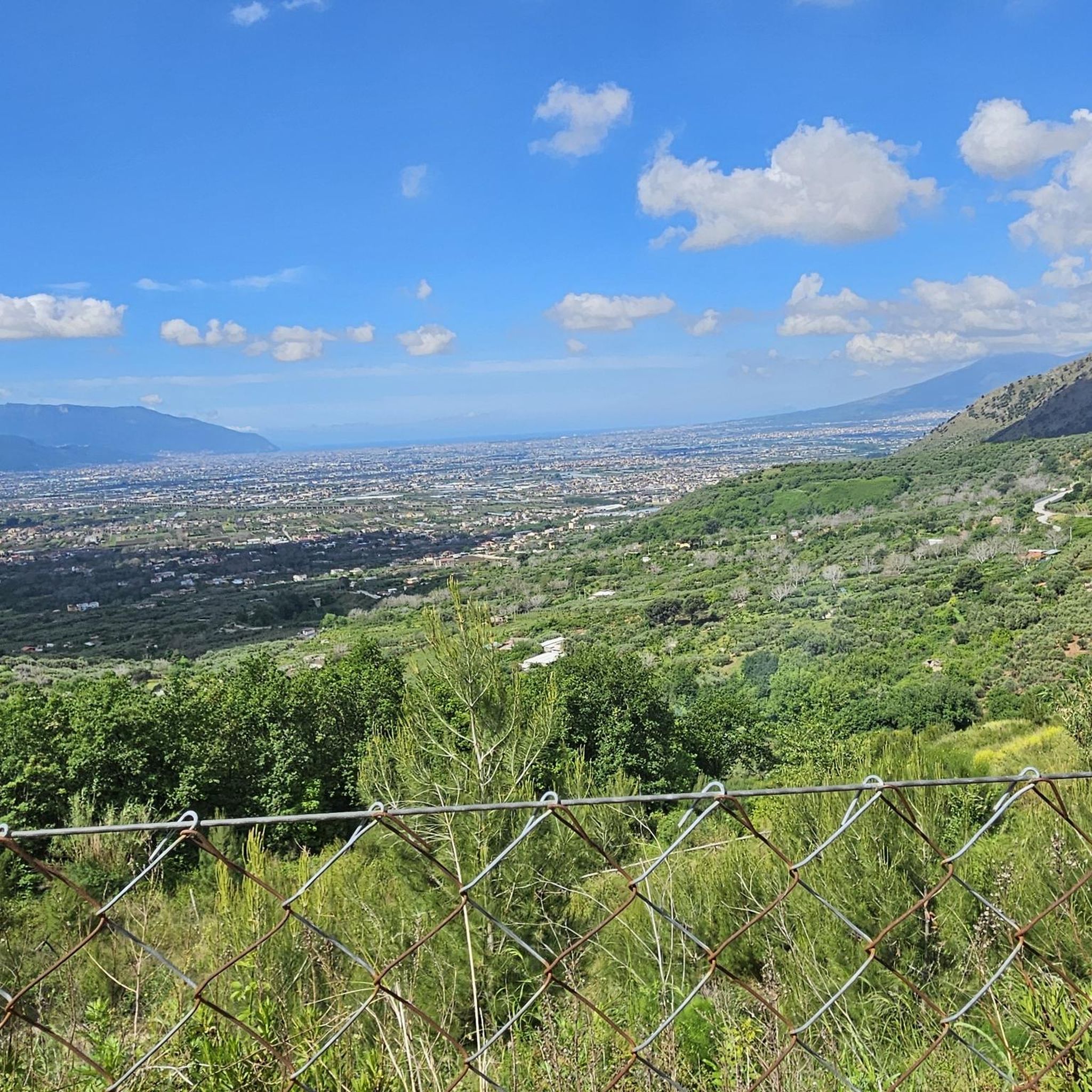
Sanctuary with wonderful fall over the entire Caudina valley
0
0
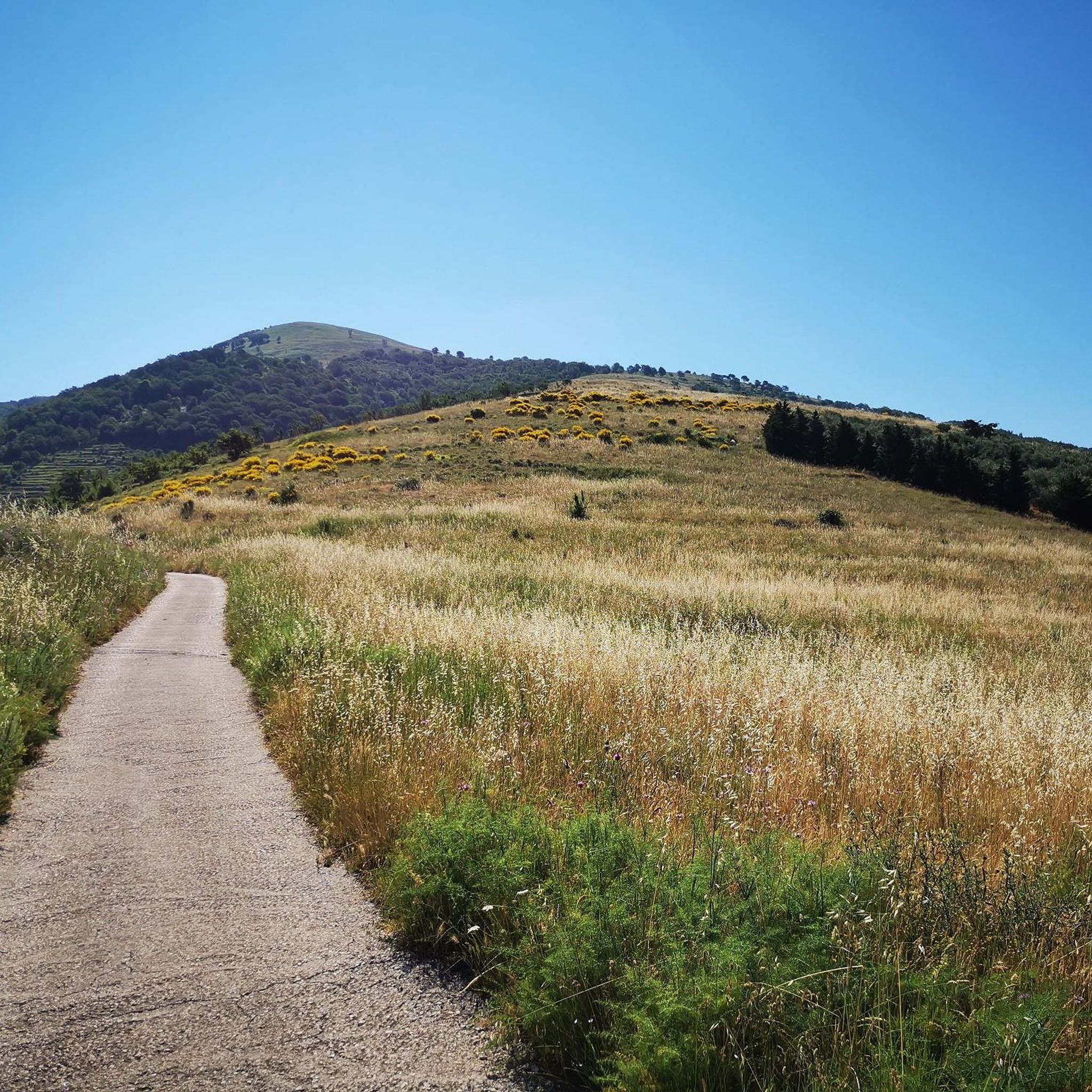
Clearance with Sant'Angelo Sanctuary in Palombara, with adjoining panoramic view of the Caudina valley.
0
0
A wonderful place from which you can admire a sensational view of the whole area below.
1
0
This castle was wanted by Tommaso II d'Aquino. Over the years it was the home of nobles, such as the Sicilian kings, but later also of brigands.
2
0
The castle of Matinale, or castle of Rudovaco, is a castle of Cancello, a fraction of the municipality of San Felice a Cancello, in the province of Caserta. It stands on an elevation overlooking the entrance to the Suessola valley. The construction of the castle of Matinale is attributed to Tommaso II d'Aquino, count of Acerra, on the occasion of his wedding with Margherita di Svevia, illegitimate daughter of Emperor Frederick II, a wedding which took place before 1247. The bride's dowry included the fiefdom di Suessola, to which the Cancello hamlet also belonged. According to local tradition, an original Lombard fortification of the ninth century would have been the work of a certain Rudovaco and would have passed on to his death to the Count of Acerra, Cullezio. He wanted to join his castle of Acerra to that of Cancello with an underground path, causing the ruin of the western side and was unable to restore it following his death in battle. The castle was later restored or rebuilt by the Norman Ramperto and again by the Mattaloni counts in the 12th century. The castle hosted the kings of Sicily Guglielmo il Malo (1131-1166) and Manfredi di Svevia (1232-1266) and the Dukes of Rebursa and again, in the Angevin period, King Ladislao I and the Carafa in the Aragonese period. In the 15th century it was abandoned, having lost its military function. It was the seat of an inn and probably housed an archpriest church dedicated to St. Thomas the Apostle. In 1799 the French general Jean Étienne Championnet established his headquarters there and later became a den of brigands. It was donated at the beginning of the twentieth century by the D'Aquino family, princes of Caramanico, to the baron Giovanni Barracco. During the Second World War it hosted the allied command in 1943.
19
0
S. Angelo in Palombara seems, more than a sacred place, a solitary and massive fortress. News of the locality and the Abbey can be found in documents of less than one thousand. The Diploma of Landolfo, Archbishop of Benevento, which contains the act of reconstruction or foundation of the Diocese of Sant 'Agata dei Goti, dated 14 December 970, speaks of the summit of the mountain called Palombara, as the boundary of the new Diocese. Even if there is no express mention of the church, the recall of the territory suggests that there must have been something there that could give rise to conflicts of jurisdiction in the future. The first act in which S. Angelo a Palombara is explicitly named is the diploma of Henry II dated 6 March 1022; those of Corrado follow, 8 June 1038; William, 1070; Pope Gregory VII, December 3, 1084; Pope Anacleto, 1130 and 1139. These are acts in which the possession and dependence of numerous abbeys with their respective appurtenances and endowments as well as other real rights over people and things is recognized at the Monastery of Santa Sofia in Benevento.
23
0
찾고 있는 하이라이트를 아직 못 찾으셨나요? 다른 지역의 주요 명소 가이드를 확인해보세요: