필렌호펜 최고의 워킹 & 하이킹 경로
4.4
(1076)
6,000
등산객
36
하이킹
정확한 경로를 찾는 것이 때로는 어렵지만 필렌호펜에서 하이킹을 하면 다양한 경치를 마음껏 감상할 수 있답니다. 필렌호펜에서 가장 멋진 하이킹과 워킹 중에서 마음에 드는 활동을 시작해보세요.
마지막 업데이트: 9월 30, 2026
4.7
(27)
70
등산객
15.2km
04:22
350m
350m
보통 하이킹. 좋은 체력 필요. 실력과 관계없이 누구나 쉽게 갈 수 있는 길.
4.8
(13)
64
등산객
8.35km
02:14
90m
90m
보통 하이킹. 좋은 체력 필요. 실력과 관계없이 누구나 쉽게 갈 수 있는 길.

4.8
(36)
93
등산객
17.8km
05:15
490m
490m
어려운 하이킹. 우수한 체력 필요. 대부분 갈 수 있는 길. 미끄러지지 않게 조심해야 함.
5.0
(13)
26
등산객
5.53km
01:35
130m
140m
초급용 하이킹. 모든 체력 수준에 적합. 실력과 관계없이 누구나 쉽게 갈 수 있는 길.
4.5
(12)
34
등산객
8.06km
02:14
140m
140m
보통 하이킹. 좋은 체력 필요. 실력과 관계없이 누구나 쉽게 갈 수 있는 길.
더 다양한 경로와 다른 탐험가들의 추천을 살펴보세요.
이미 komoot 계정이 있나요?
투어 추천은 다른 사람들이 komoot에서 완료한 수천 개의 활동을 바탕으로 구성되어 있습니다.
오늘 무료 계정으로 시작하세요
다음 모험이 기다리고 있어요.
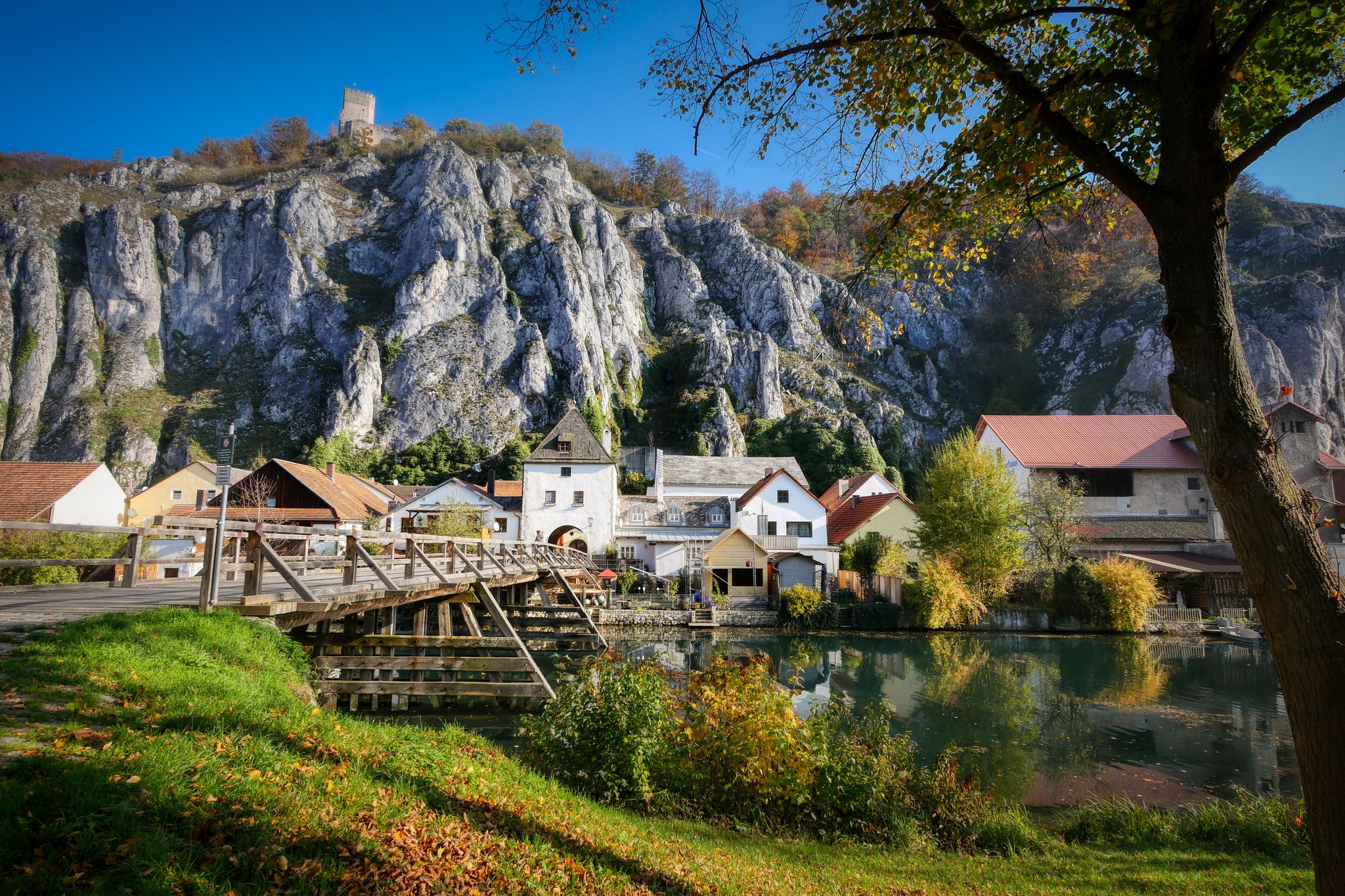
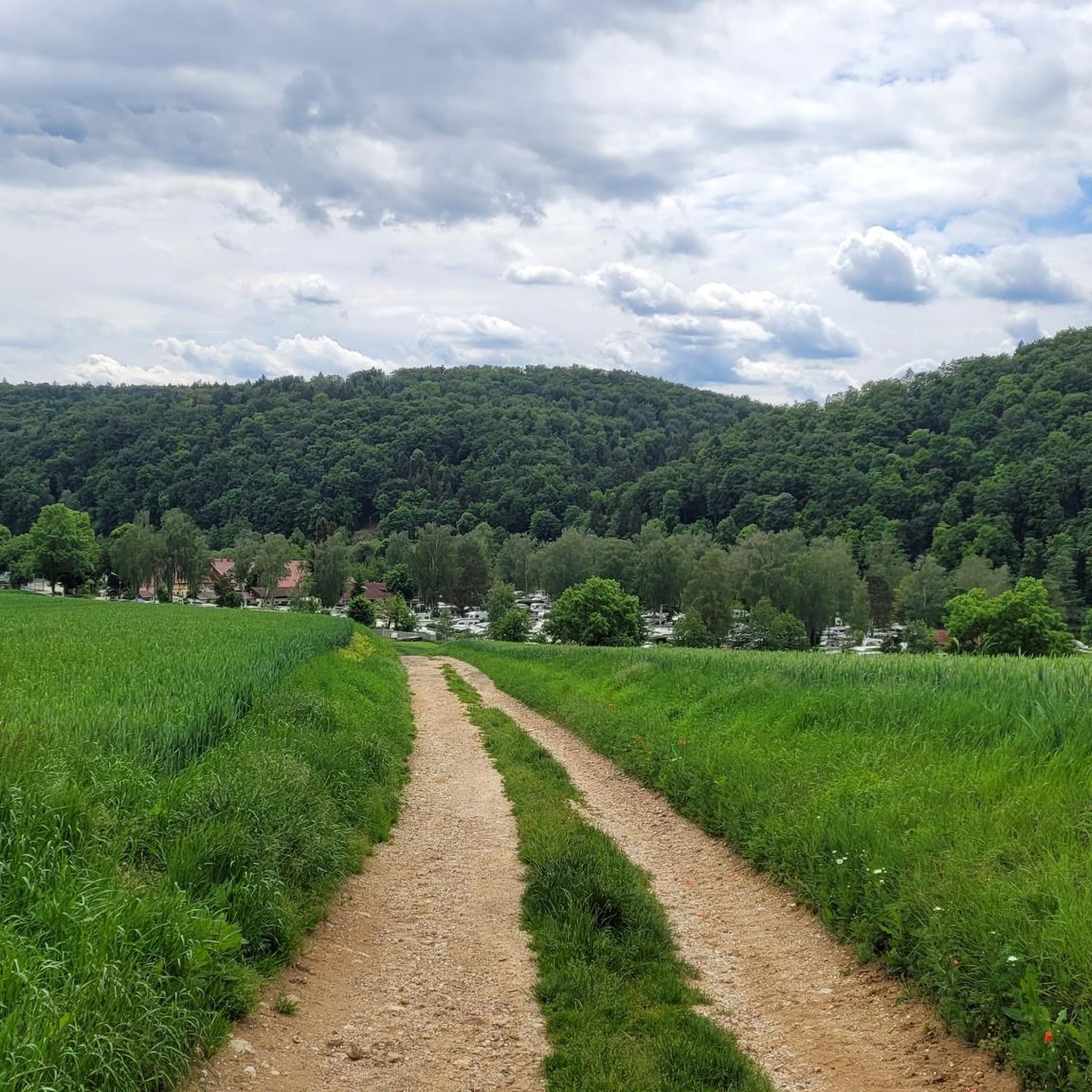
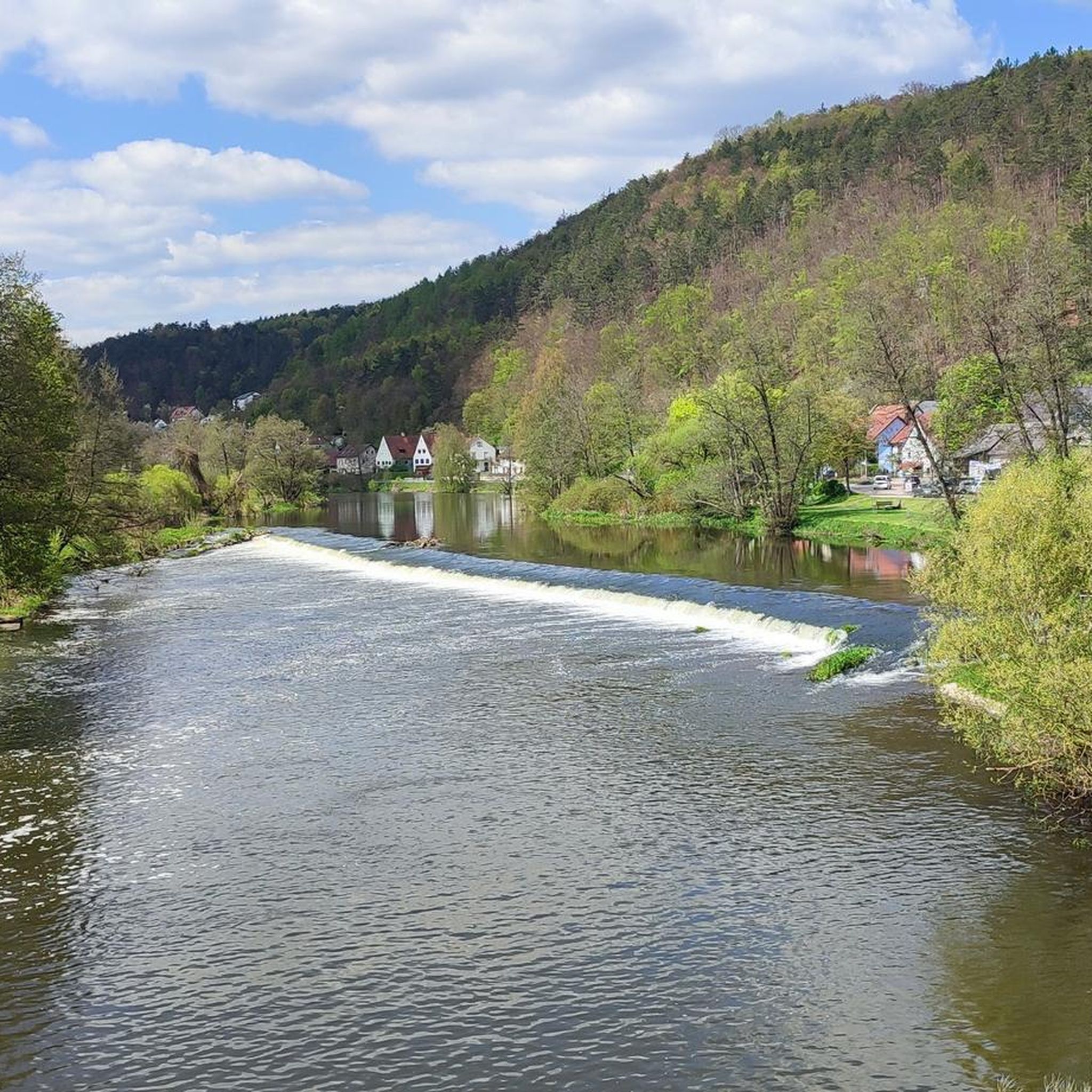
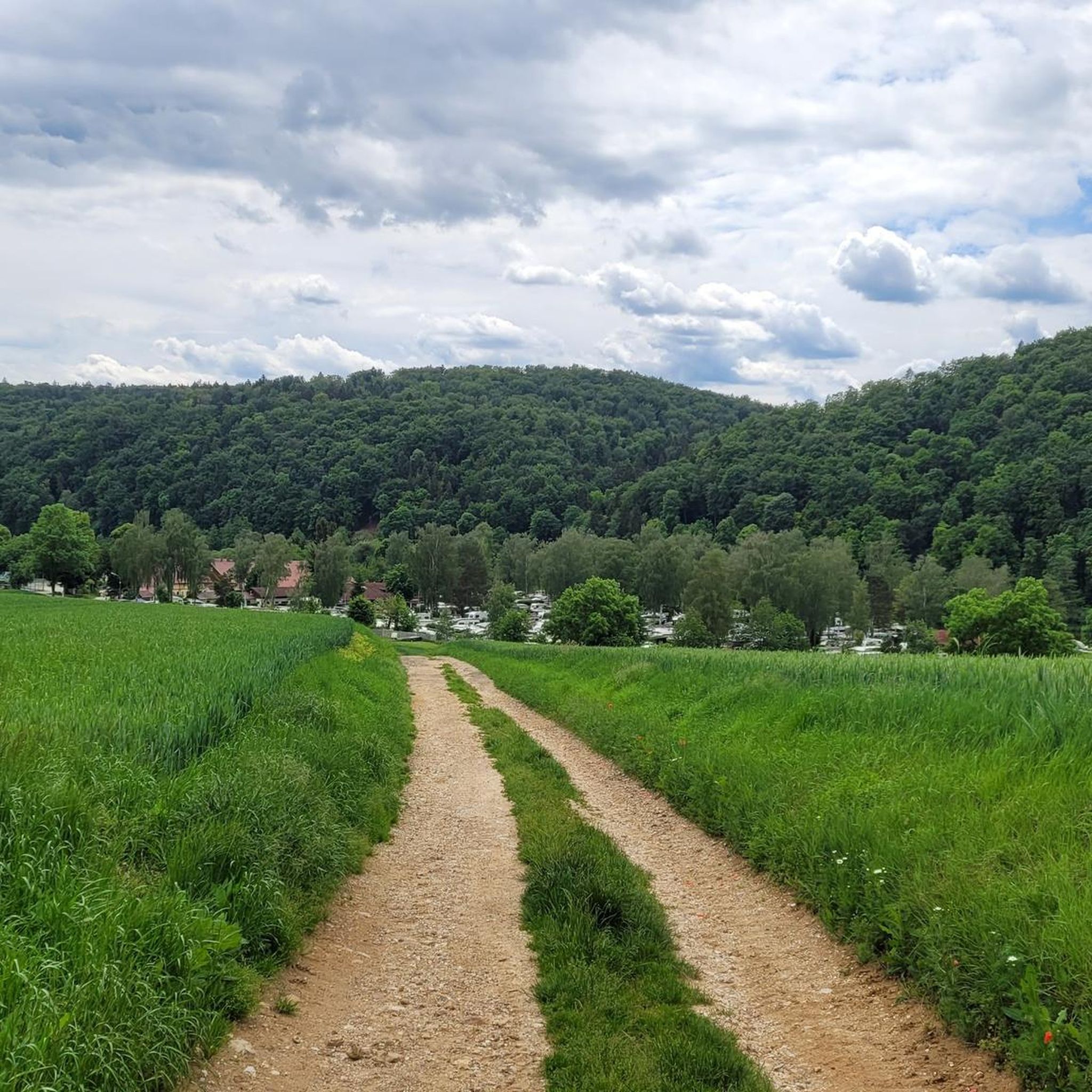
필렌호펜 주변의 다른 모험

커뮤니티 팁

Lichtenroth Castle on the Engelsfelsen (Angel Rock) A six-meter-deep and over ten-meter-wide moat draws attention to the Lichtenroth Castle above Oberfreiung, between Pielenhofen and Duggendorf. The steep walls of the Engelfelsen (Angel Rock) secure the approximately 40-meter-long and up to eight-meter-wide area on three sides; from the rocky peak, one enjoys a magnificent view over the Naab Valley. Where the access path crosses a rampart, there used to be a gate. The highest part of the former castle complex is a narrow ridge above the moat, on which the remains of a residential building can be seen. At approximately 12 to 15 meters, it corresponds to the typical size of a late Romanesque stone house. There are no visible traces of the keep left. It presumably stood near the rocky peak and served as an observation tower. The date of the castle's construction is unknown; it is assumed to have been in the 11th or 12th century. We only learn of their existence after their demise, when Lord Jordan of Murach, a feudal lord of the Bishop of Regensburg and the Lords of Laaber, sold the "Burgstall zu Lichtenrode" to the nuns of Pielenhofen in 1297. The name, also recorded as "Lichtnroth," indicates a clearing area belonging to the Bishopric of Regensburg. Source: Burgensteige information board
1
0

Brief description of the geotope The light-colored limestone from the former Ebenwies quarry provided the building material for Walhalla. The quarry walls show extensive boreholes and traces of the wire sawing work used to remove the limestone blocks from the wall. Romantically overgrown ruins of the former factory buildings are still preserved. In total, there were around 30 quarries in which this mass limestone was mined. The former Ebenwies quarry area is now a designated biotope and is located in a landscape conservation area. Stay away from the high quarry walls!
2
0

A wonderful view here.
3
0

Beautiful view of the valley. Caution: steep slopes and rocks.
1
0


A very beautiful landscape
2
0

From the bridge you have great views of the Naab and the wooded river banks. It's quite a sight!
0
0

A very large monastery, right in the village
1
0
필렌호펜 주변에서 가장 인기 있는 명소


더 살펴보기
다른 지역의 최고의 하이킹를 살펴보세요.
