윈터샤임에서 가장 멋진 20개의 천연기념물
천연기념물을 방문하여 윈터샤임의 아름다운 풍경을 만나보세요. 윈터샤임에 있는 20
개의 천연기념물과 상세 정보를 살펴본 후에 방문하고 싶은 천연기념물을 다음 모험 계획에 추가해보세요!
마지막 업데이트: 9월 14, 2026

오펜하임의 크뢰텐브루넨
하이라이트 • 기념물
The Oppenheim Toad …
번역자 Google •
팁에 의해

이런 장소를 발견하려면 지금 가입하세요
최고의 싱글 트랙, 봉우리 및 다양한 흥미로운 야외 장소에 대한 추천을 받아보세요.
가이어의 라인 돌파구
하이라이트 • 강
번역자 Google •
팁에 의해

샤프하우젠 근처 복원된 젤츠강
하이라이트 • 강
번역자 Google •
팁에 의해

슈베덴조일레 (Schwedensäule)
하이라이트 • 기념물
We are standing on historical ground: a military masterpiece for the time.
Last but not least, the course of the Rhine has also …
번역자 Google •
팁에 의해

무료로 가입하여 윈터샤임 주변의 더 많은 자연 기념물을 발견하세요.
이미 komoot 계정이 있나요?
오늘 무료 계정으로 시작하세요
다음 모험이 기다리고 있어요.
커뮤니티 팁


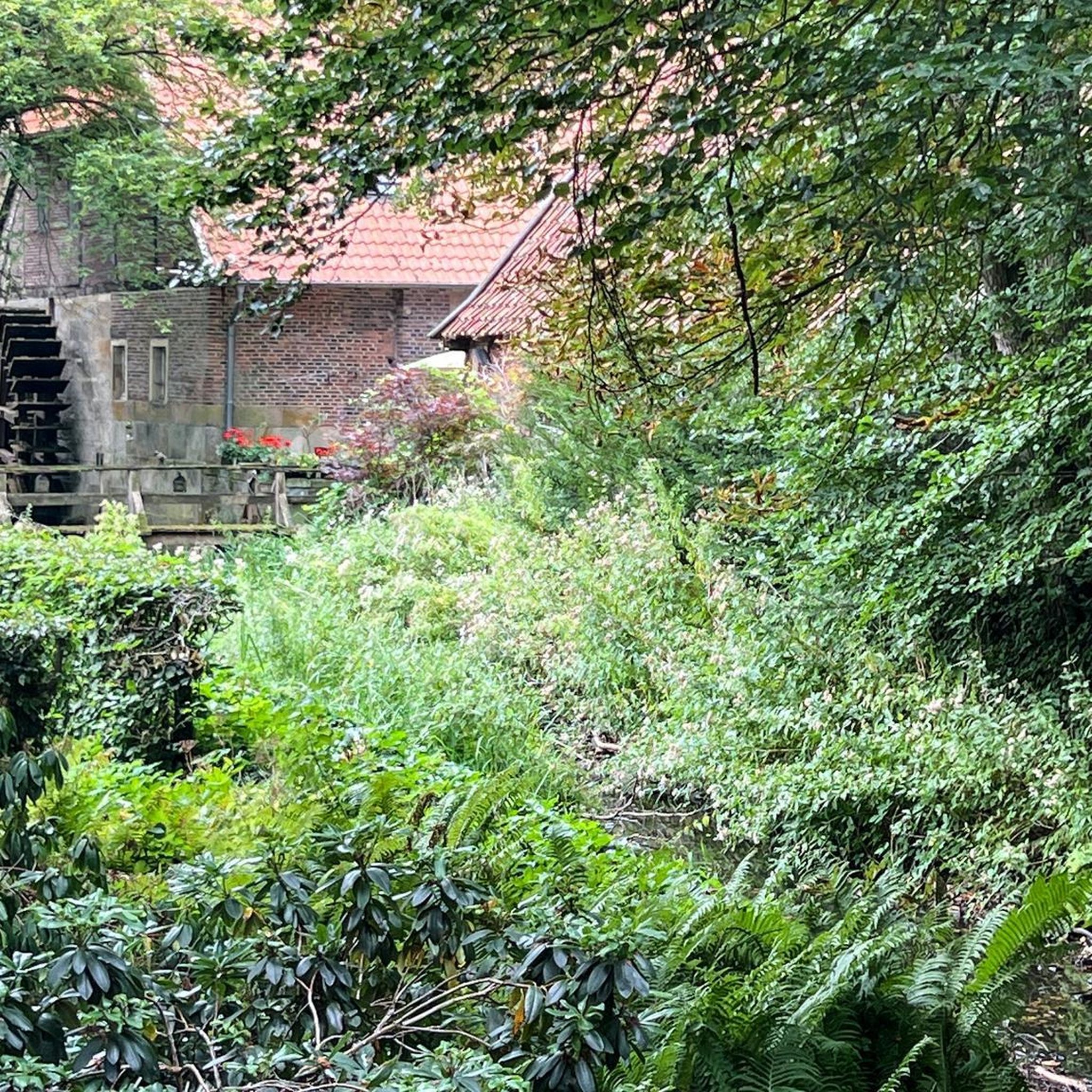
The renaturalized Selz River near Schafhausen is a prime example of successful nature conservation in Rheinhessen. This section of the Selz River south of Alzey-Schafhausen has undergone extensive ecological enhancement in recent years – and you'll notice this immediately when you walk along it.
1
0

Really wonderful renaturation. There are lots of places to sit and watch waterfowl.
1
0

The Swedish Column is a monument in the Kühkopf-Knoblochsaue nature reserve in Hesse. It commemorates the crossing of the Rhine by the Swedish King Gustav Adolf and his troops during the Thirty Years' War at Hahnensand near Erfelden on December 21, 1631. The twelve-meter-high column was erected in 1632 on the orders of Gustav Adolf by the fortress builder Matthäus Staud. Ludwig Bechstein describes it in his German Book of Legends, published in 1853, as "a tall column resting on four balls that support the pedestal, in the shape of an obelisk. On top it bore the seated Swedish heraldic lion with a helmeted and crowned head, holding a sword and orb in its front paws." This is how the column still appears today. The lion is looking in the direction in which the crossing took place, the battlefield and the Swedish cemetery. However, the Swedish Column is no longer in its original location. It was built in the 18th century due to the threat of erosion
11
0
The Swedish Column is a monument in the Kühkopf-Knoblochsaue nature reserve in Hesse. It commemorates the crossing of the Rhine by the Swedish King Gustav Adolf and his troops during the Thirty Years' War at Hahnensand near Erfelden on December 21, 1631. The twelve-meter-high column was erected in 1632 on the orders of Gustav Adolf by the fortress builder Matthäus Staud. Ludwig Bechstein describes it in his German Book of Legends, published in 1853, as "a tall column resting on four balls that support the pedestal, in the shape of an obelisk. On top it bore the seated Swedish heraldic lion with a helmeted and crowned head, holding a sword and orb in its front paws." This is how the column still appears today. The lion is looking in the direction in which the crossing took place, the battlefield and the Swedish cemetery. However, the Swedish Column is no longer in its original location. It was moved inland in the 18th century because of the threat of erosion. Bechstein also reports that the Swedish king and four companions sailed down the Rhine in a small boat and spotted Spanish units entrenched near Oppenheim on the left bank of the Rhine. In any case, the Spaniards had taken up positions on the Kühkopf peninsula, which was then on the left bank of the Rhine, to protect Oppenheim as a military outpost. In order to cross the river with his troops from the right bank of the Rhine, Gustav Adolf had the barn doors of the local farmers pried open and mounted on the few boats available. In this way, his troops, several thousand infantry men, as well as cavalry and artillery of unknown strength, crossed to the other bank. The crossing of the Rhine, which was then around 300 m wide, took place in two places. The Swedes managed to take Oppenheim by storm. This crossing of the Rhine is considered one of the outstanding military achievements of the Thirty Years' War. One immediate consequence was that Mainz fell into the hands of the Swedes. For this reason, another monument was erected. After the Second World War, when people were considering what motif the new windows of the Protestant church in Stockstadt am Rhein should have (the old windows were destroyed in a bombing raid), one of the motifs chosen was Gustav II Adolf, because he was welcomed in Stockstadt as a liberator and savior.
12
1

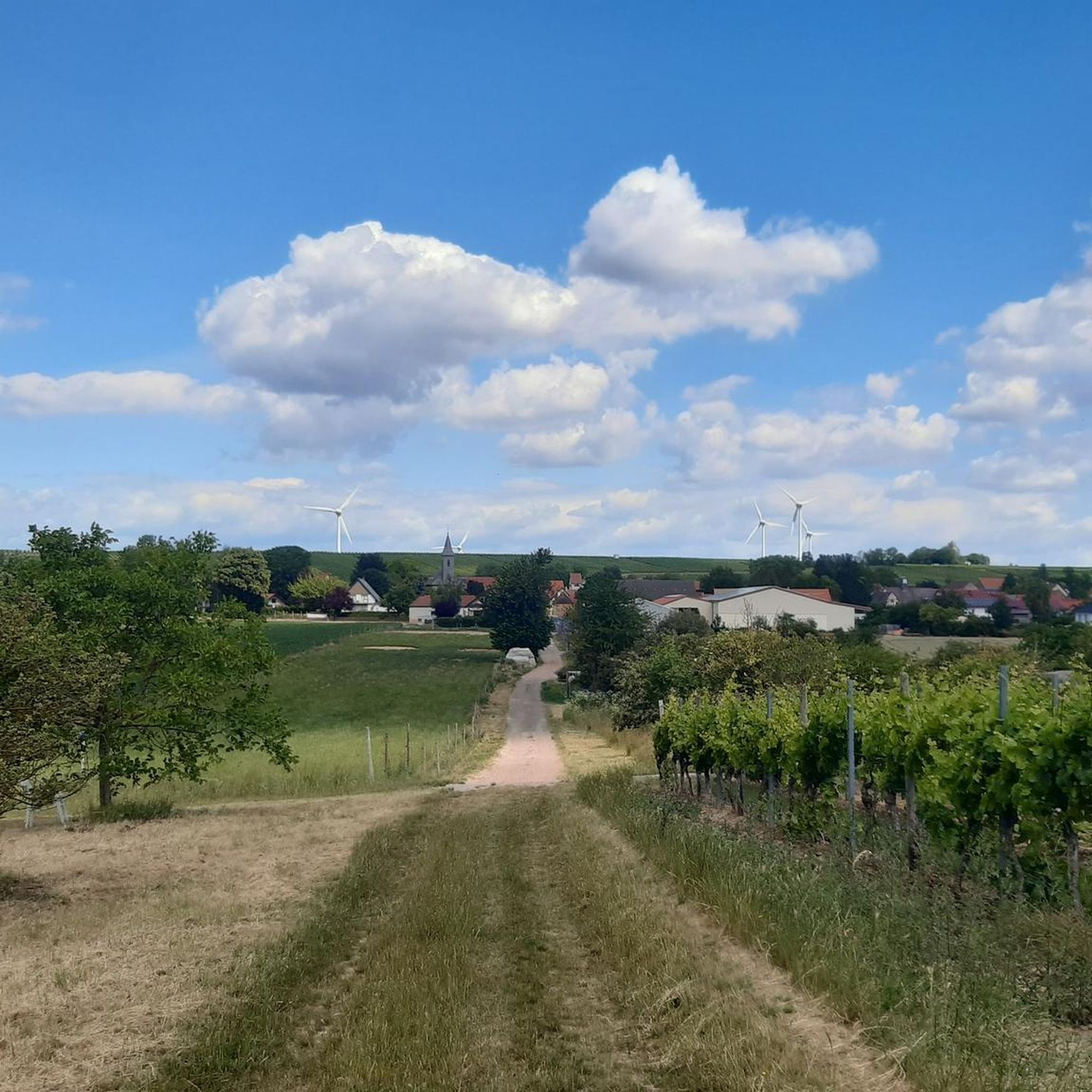
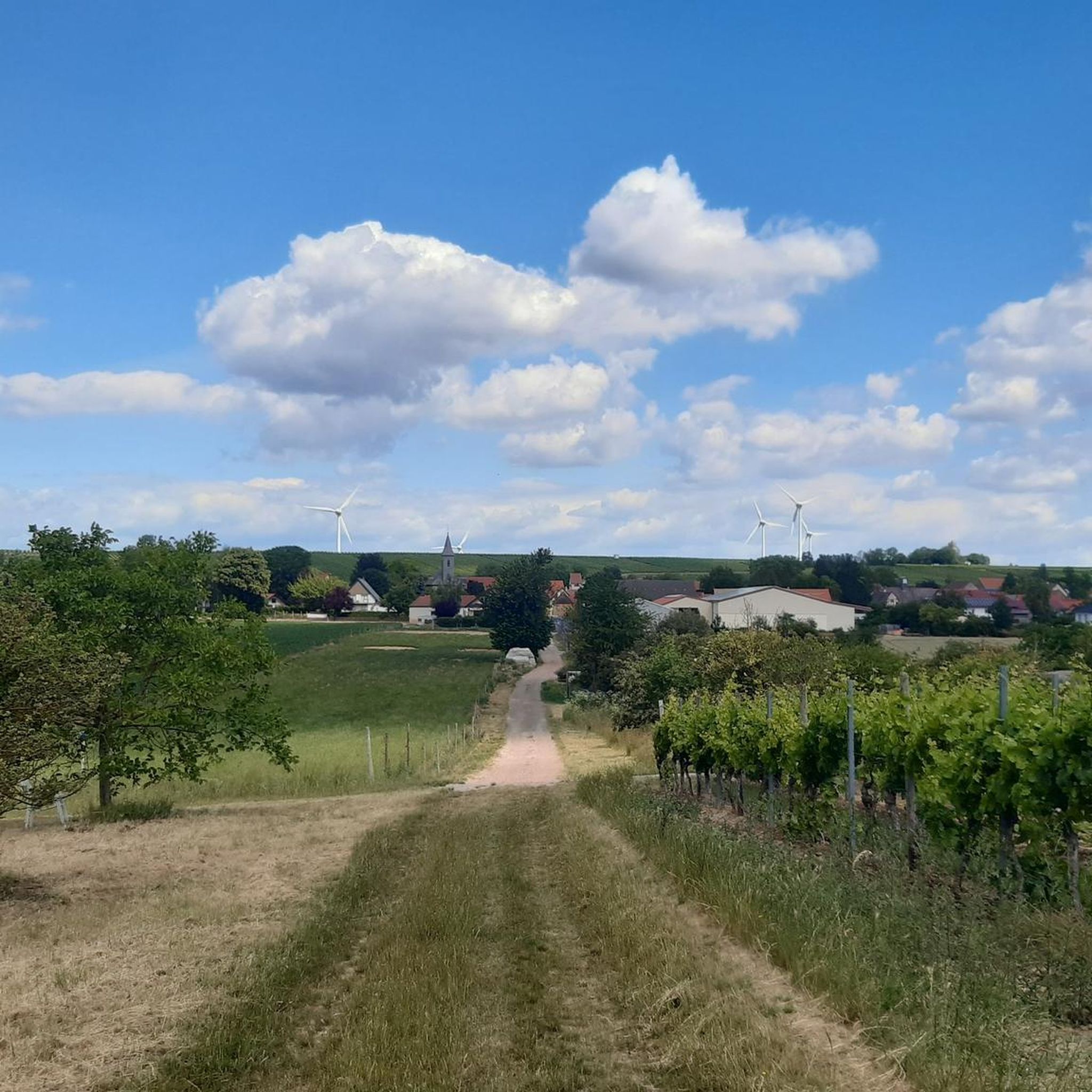
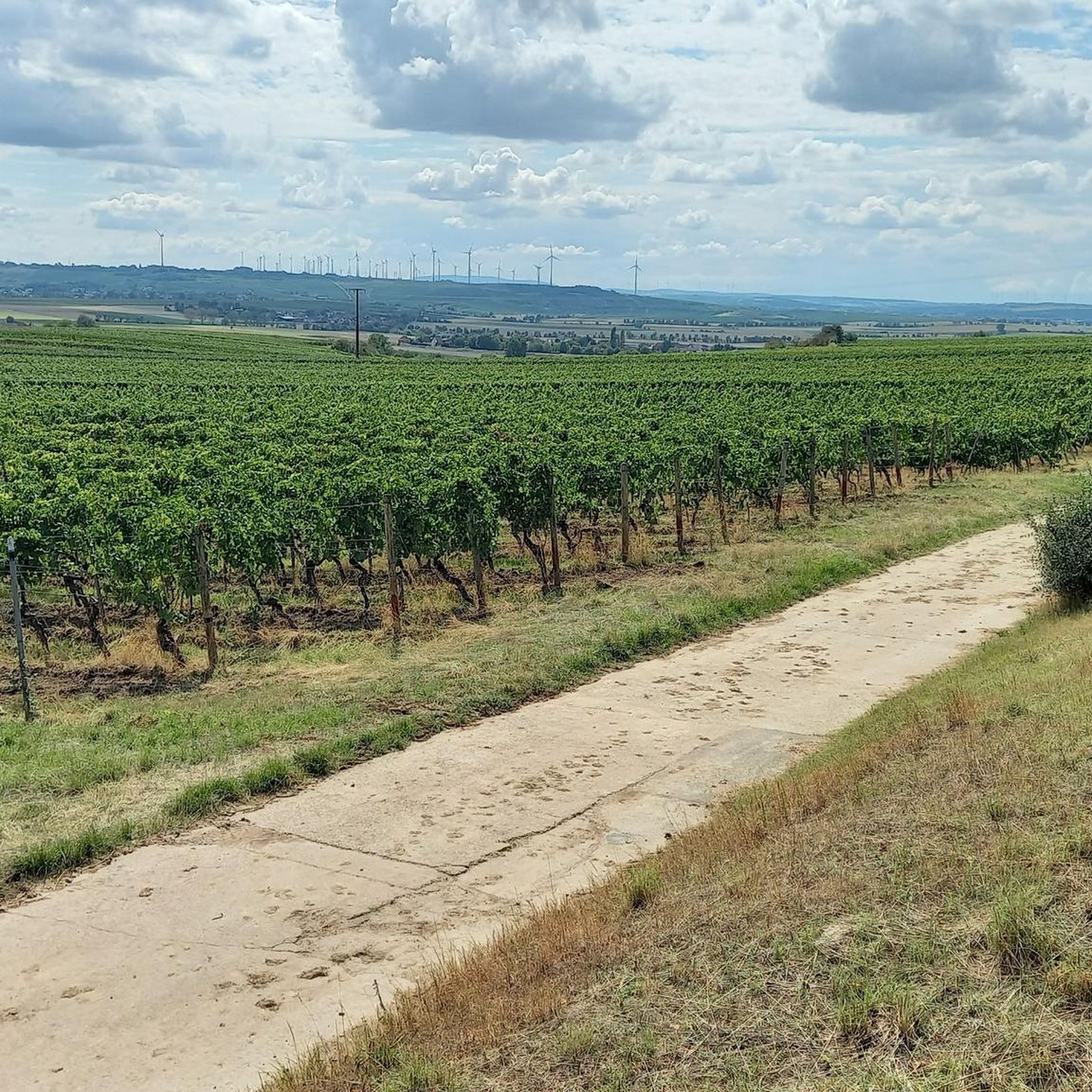
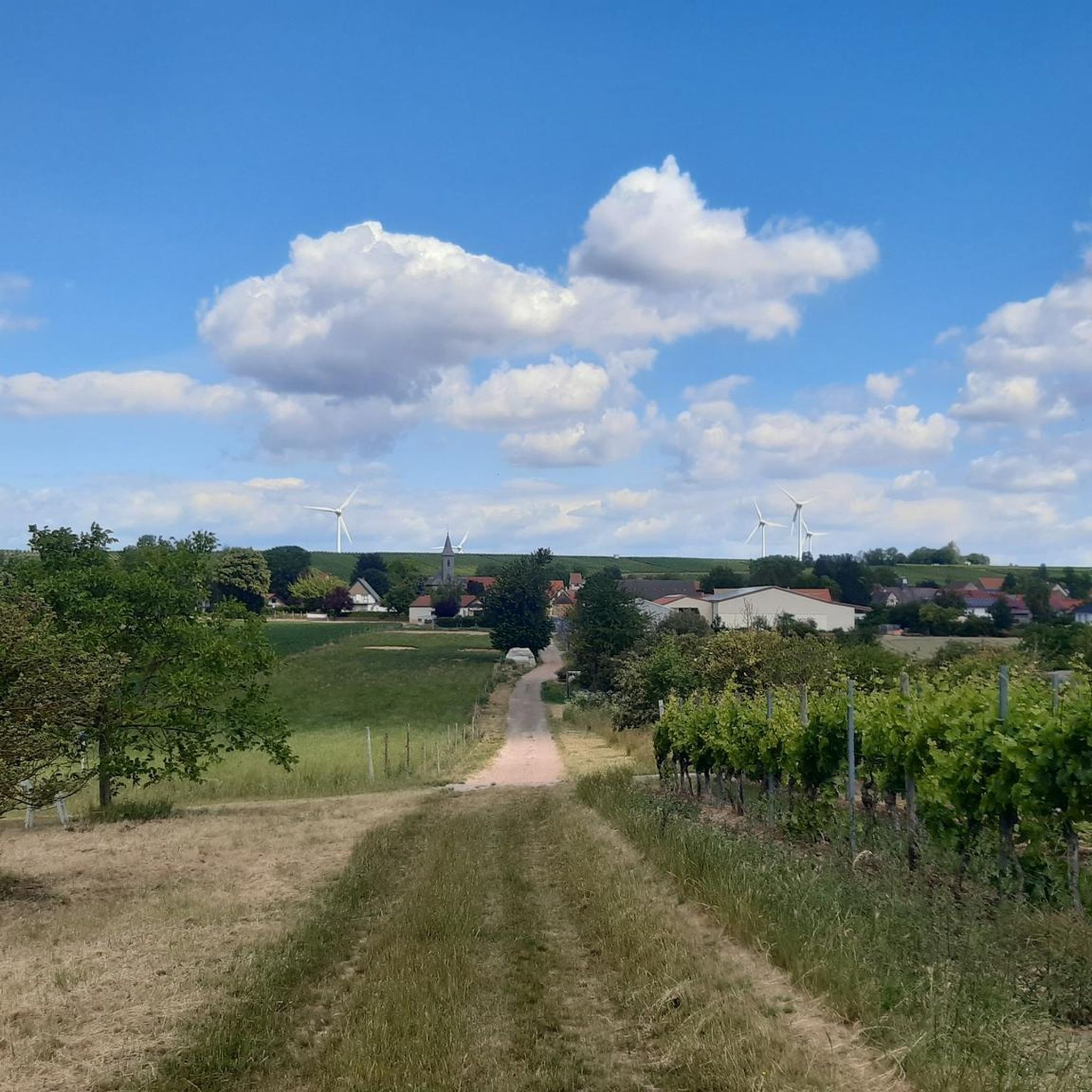
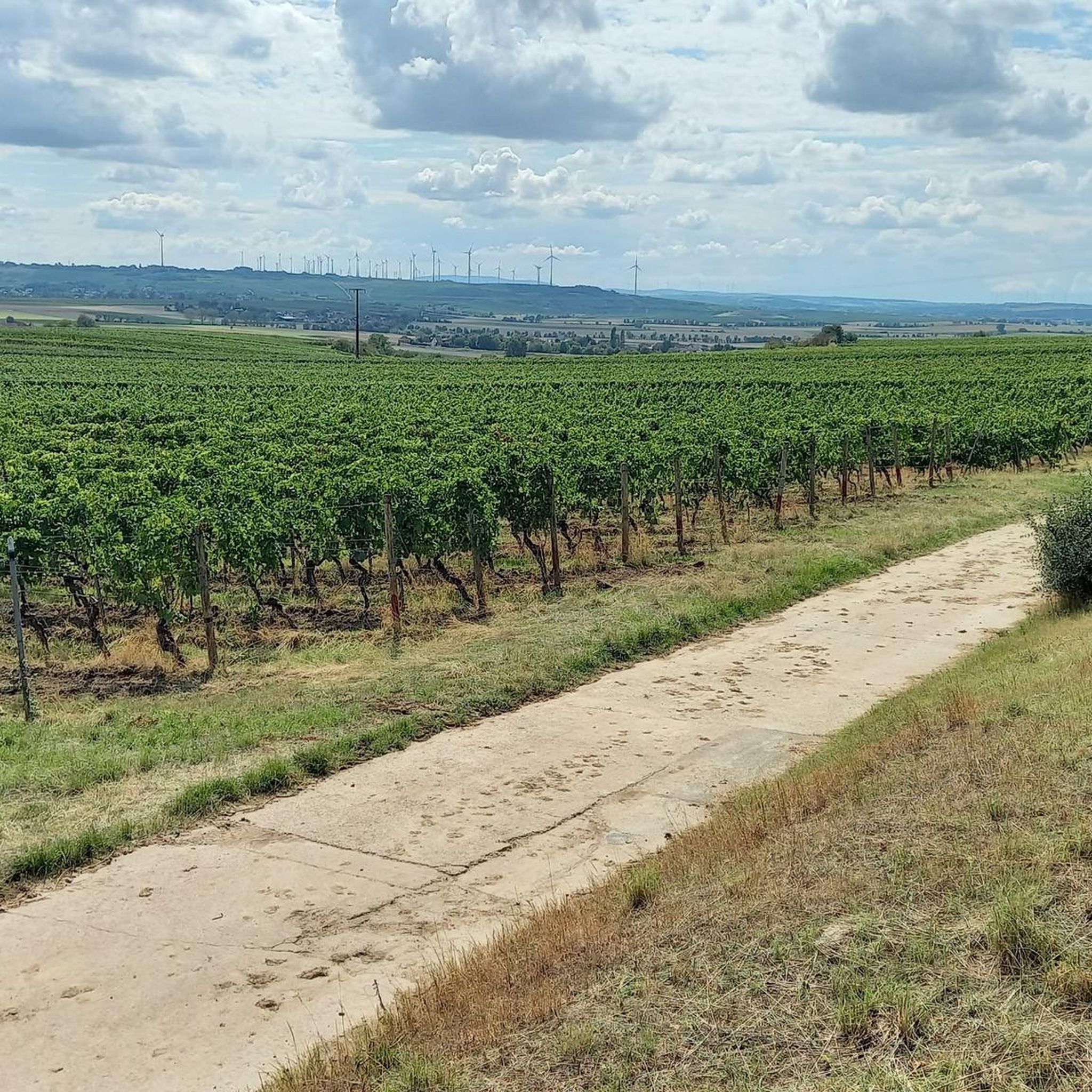
Beautiful view from the Toad Fountain over the vines to Oppenheim.
4
0
란츠크론 성에 대한 정보는 여기에서 찾을 수 있습니다: https://de.m.wikipedia.org/wiki/Burg_Landskron_(Oppenheim)
7
0
역사 란츠크론 성이 건설되기 전, 아마도 같은 자리에 살리에르 또는 슈타우페르 왕조의 요새가 있었을 것으로 추정되며, 이는 1118년에 "praesidium"으로 언급되었고 하인리히 5세 국왕의 소유였으나 마인츠 대주교 아달베르트의 군대에 의해 파괴되었습니다. 이 성 자체는 13세기 초에 지어졌을 것으로 추정됩니다. "오펜하임 제국 성"에 대한 가장 오래된 현존하는 서면 기록은 1244년의 것입니다. 이 성은 1257년과 1275년에 오펜하임 시민들이 성주들의 특권을 둘러싼 분쟁 중에 파괴했습니다. 그러나 루돌프 폰 합스부르크는 시민들에게 1281년까지 성을 재건하도록 강요했습니다. 1375년에 카를 4세 황제는 이 성을 팔츠의 루프레히트에게 저당 잡혔습니다. 이에 따라 루프레히트는 성을 확장했습니다. 그 후 그의 손자인 루프레히트 3세가 성의 소유주가 되었고, 그곳에서 사망했습니다. 선제후 프리드리히 5세는 1615년에 이 성을 궁전처럼 개조하도록 했습니다. 이 궁전은 30년 전쟁 중 오펜하임 시 화재 때 불탔습니다.
8
0
윈터샤임 주변에서 가장 인기 있는 명소


더 살펴보기
윈터샤임 주변의 최고의 동굴을 찾기 위해 이 가이드를 확인해보세요:
