슈프렌들링겐에서 가장 멋진 20개의 천연기념물
천연기념물을 방문하여 슈프렌들링겐의 아름다운 풍경을 만나보세요. 슈프렌들링겐에 있는 20
개의 천연기념물과 상세 정보를 살펴본 후에 방문하고 싶은 천연기념물을 다음 모험 계획에 추가해보세요!
마지막 업데이트: 9월 14, 2026
라인그라펜슈타인 성의 전망
하이라이트 • 전망대
View from the town of Bad Münster am Stein.
Its origins are legendary: the devil is said to have built the castle on the steep, 245 m …
번역자 Google •
팁에 의해

간스(바트 크로이츠나흐)에서의 전망
하이라이트 • 전망대
번역자 Google •
팁에 의해

이런 장소를 발견하려면 지금 가입하세요
최고의 싱글 트랙, 봉우리 및 다양한 흥미로운 야외 장소에 대한 추천을 받아보세요.
브레첸하임 암석 은둔처
하이라이트 • 역사적 장소
completely in the rock carved place of worship, only Felseneremitage north of the alps
번역자 Google •
팁에 의해

지퍼스하이머 호른의 파노라마 벤치
하이라이트 • 전망대
번역자 Google •
팁에 의해

뮐베르크의 독수리 기념비
하이라이트 • 기념물
번역자 Google •
팁에 의해

무료로 가입하여 슈프렌들링겐 주변의 더 많은 자연 기념물을 발견하세요.
이미 komoot 계정이 있나요?
오늘 무료 계정으로 시작하세요
다음 모험이 기다리고 있어요.
커뮤니티 팁

👑 Rheingrafenstein Castle Ruins – The Rock Boss on the Cycle Path Tip: Stop here! The Rheingrafenstein ruins sit dramatically perched on a 136-meter-high porphyry cliff above the Nahe River – one of the most impressive sights of the entire tour. The castle was the ancestral seat of the famous Wildgraves and Rhinegraves (until it was blown up in 1689). The view from the cycle path is phenomenal! If you really want to go up (and have enough energy), you can take the small hand-pulled ferry across and take the steep hiking trail to the ruins. It's worth it for the view over the Nahe Valley, but honestly: My legs were already tired enough from cycling. The panoramic view from below is worth its weight in gold! A must-have for your photo collection!
1
0

Rheingrafenstein Castle sits enthroned on a steep porphyry cliff (245 meters high) directly above the Nahe River near Bad Münster am Stein-Ebernburg. Legend has it that the devil himself built the castle—a reference to its dramatic location and mystical aura. In fact, it likely dates back to the 11th century and was the ancestral seat of the Lords of Stein, later the Wildgraves and Rhinegraves. In 1689, it was blown up by French troops under Louis XIV, and since then it has been a ruin—but an extremely impressive one.
3
0

Don't forget sunscreen before going to sleep 🦀 🦀 🦀
1
0

Very beautiful heathland... you feel like you are on the Lüneburg Heath
1
0

Beautiful rock with the Rheingrafenstein castle ruins. It is said that the devil is said to have built the castle. In any case, the castle was blown up by the French troops under Louis XIV.
4
2

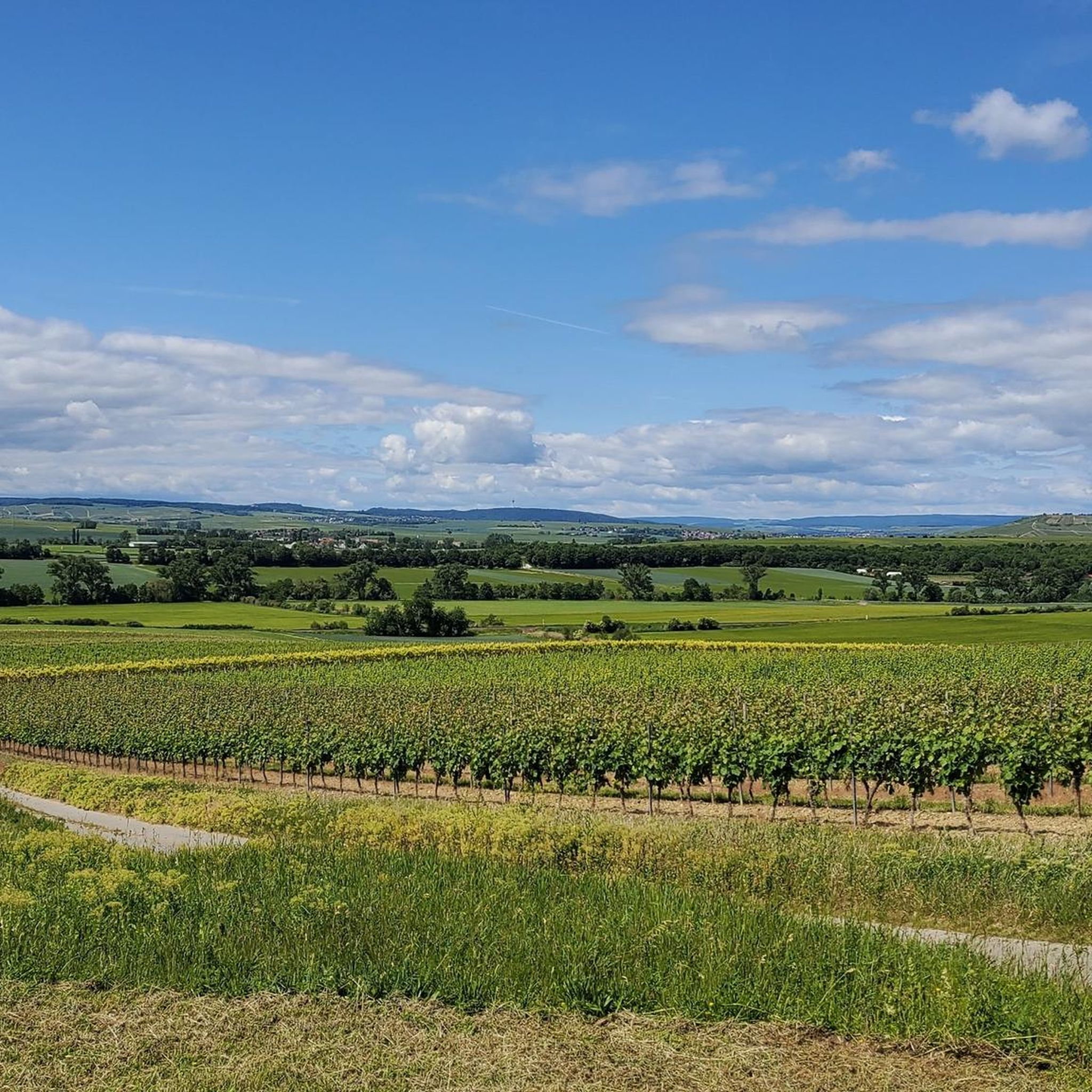
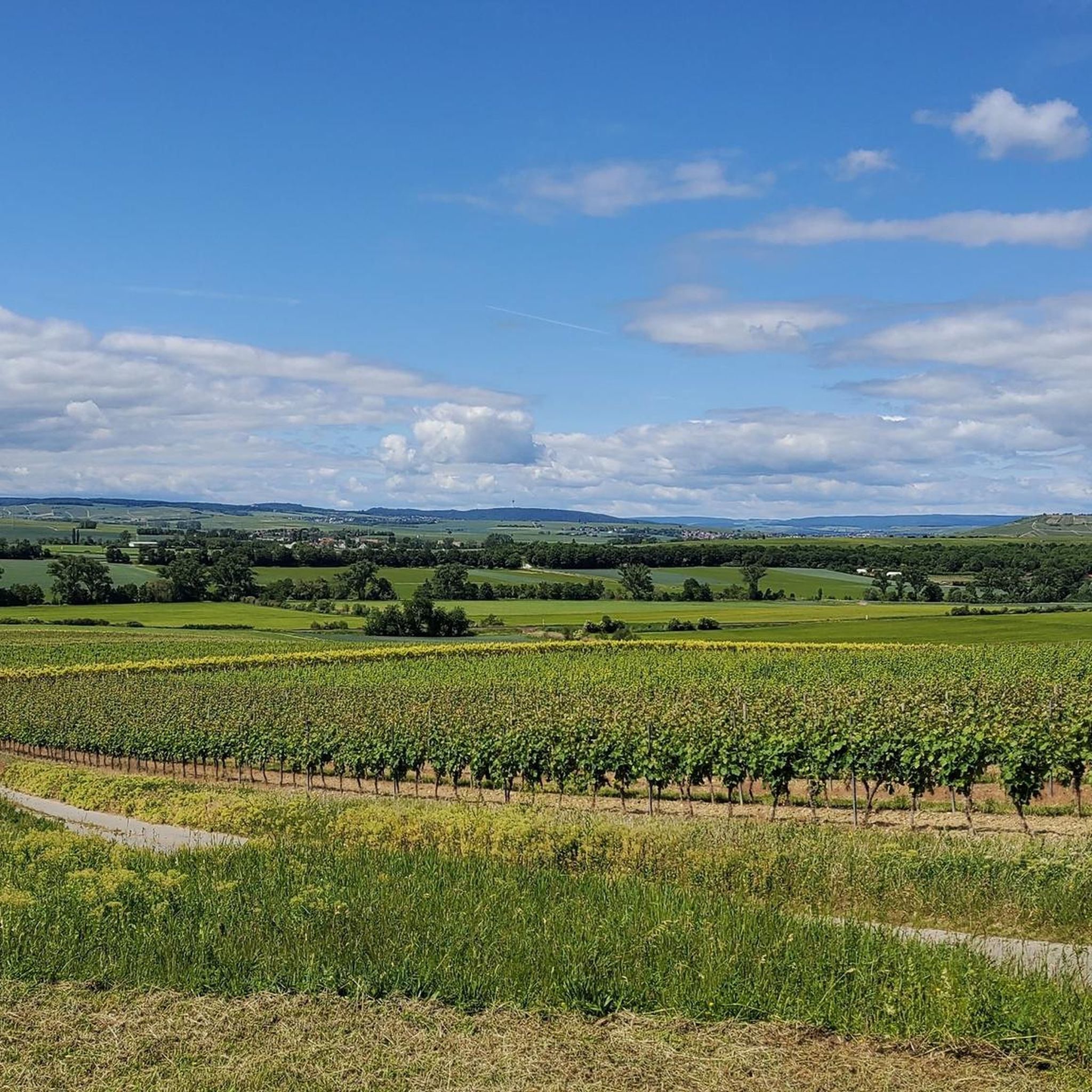
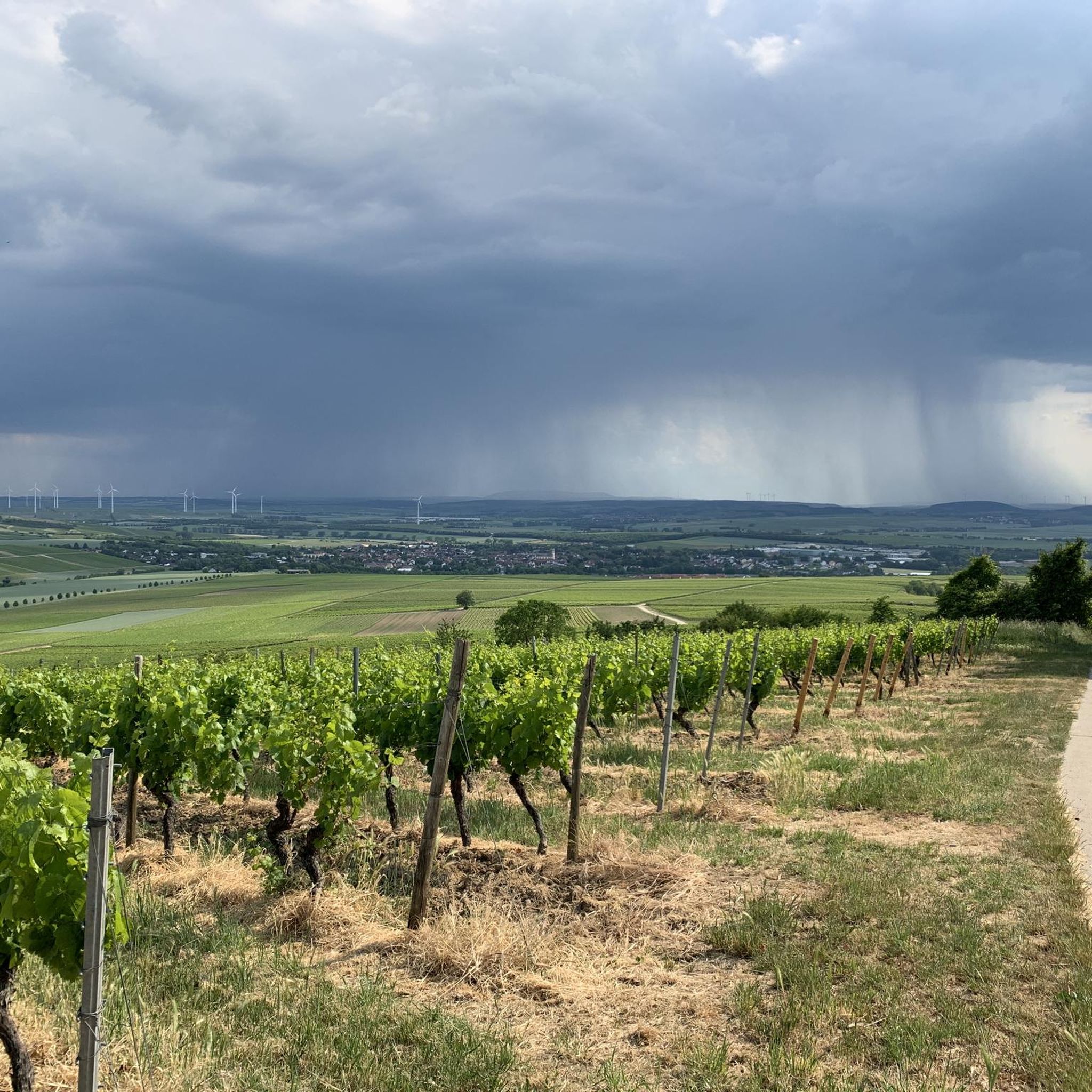
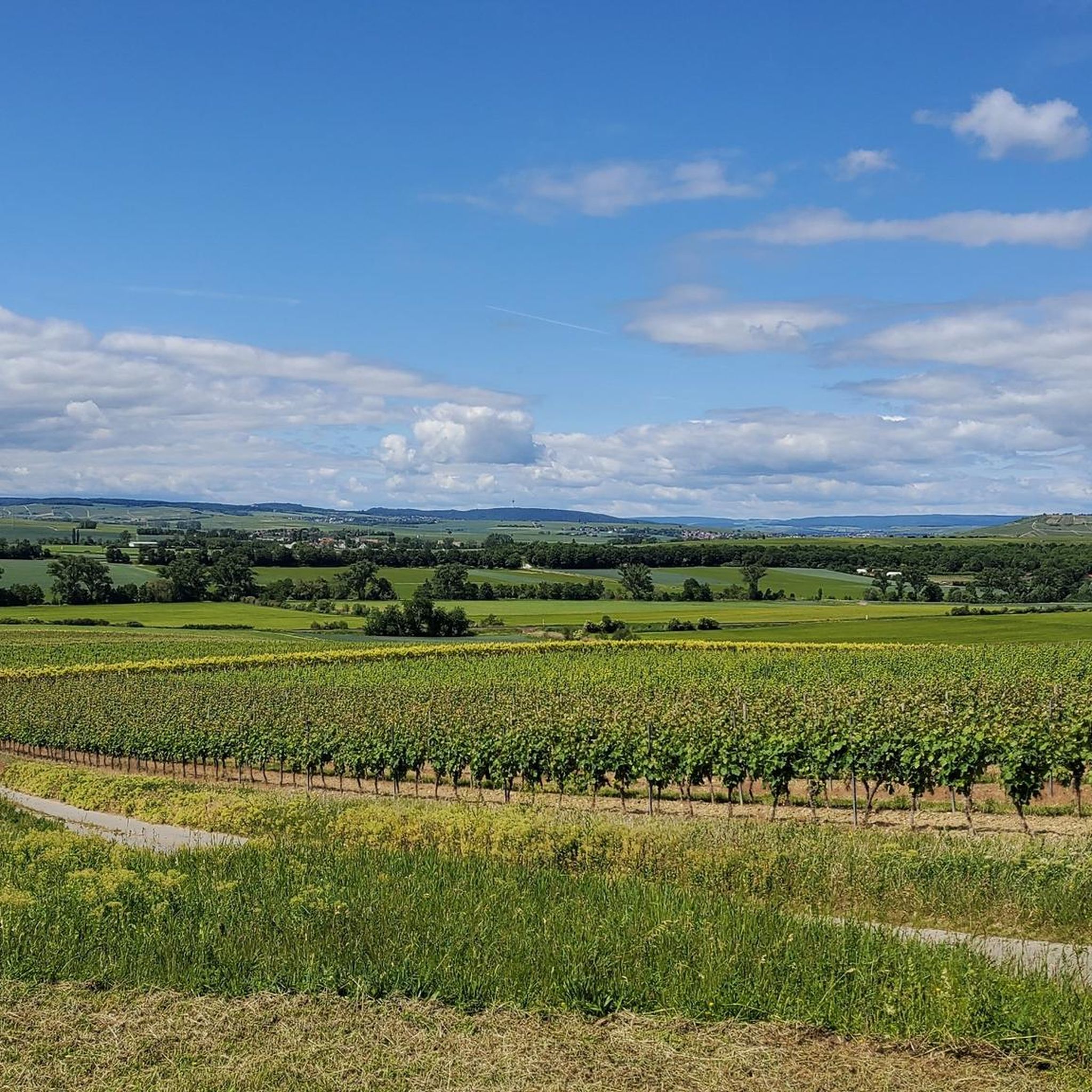
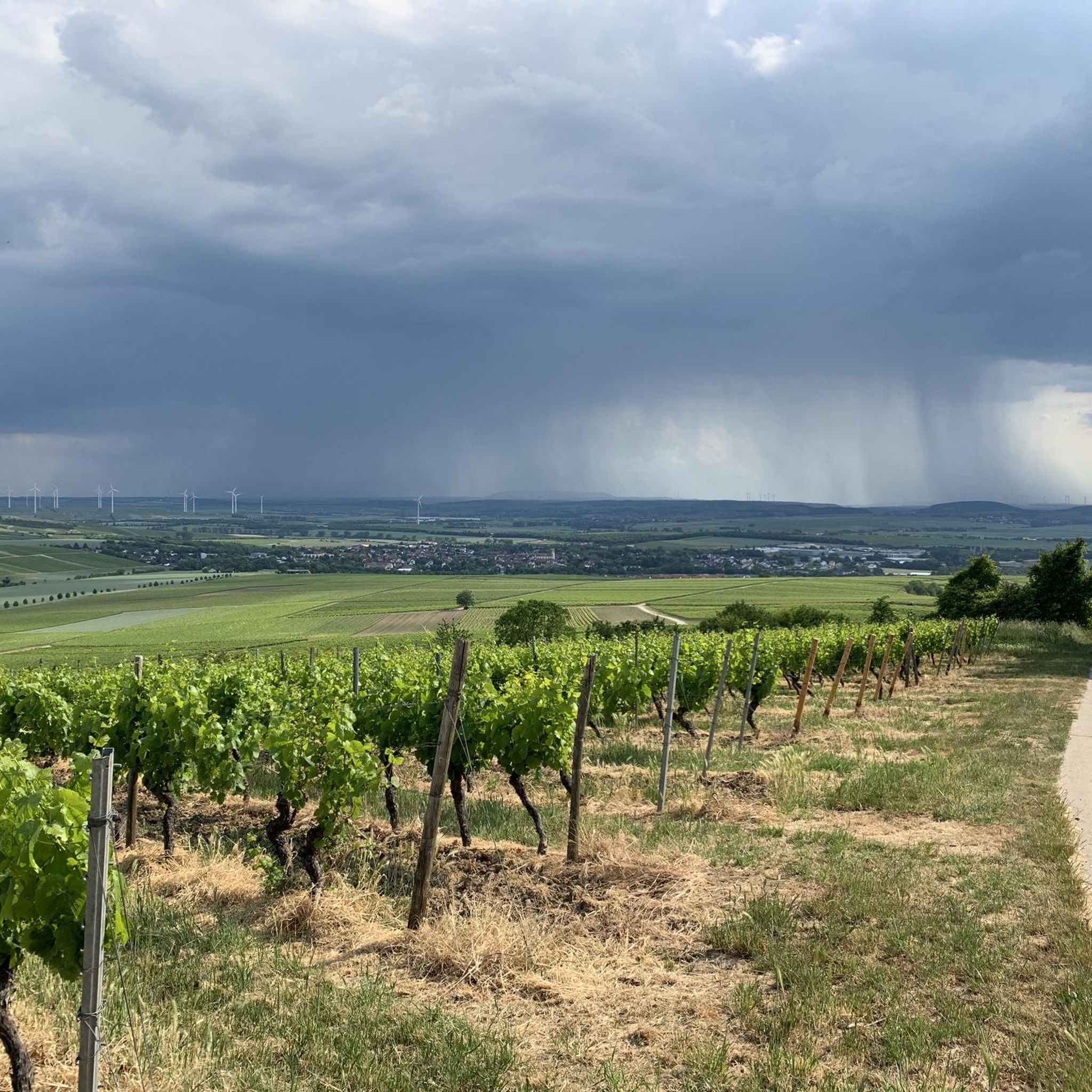
Very nice vineyard lounger. Today, with a stiff breeze and rain, it wasn't occupied either.
2
0

The imposing monument with the stone inscription "Gott mit uns" under the feet of the one-headed imperial eagle at the top is made of coarse porphyry blocks. This memorial was built in 1914 by a replacement battalion for the fallen of the Franco-Prussian War of 1870/71. The eagle looks west to the "evil archenemy". On the pillar the admonition: "To honor the fallen, to teach the living". This conflict was the birth of the German Empire, which was symbolically proclaimed in 1871 in the Hall of Mirrors at Versailles. With the founding of the empire, the old dream of a unified nation state came true for many; it permanently changed the balance of power on the European continent.
9
1

everything good has already been written. Unfortunately, there is only one bench, but in the route that follows there are other beautifully situated seating options, also with a great view
2
0
슈프렌들링겐 주변에서 가장 인기 있는 명소


더 살펴보기
슈프렌들링겐 주변의 최고의 동굴을 찾기 위해 이 가이드를 확인해보세요:
