허크 드 스타드에서 가장 멋진 20개의 천연기념물
천연기념물을 방문하여 허크 드 스타드의 아름다운 풍경을 만나보세요. 허크 드 스타드에 있는 20
개의 천연기념물과 상세 정보를 살펴본 후에 방문하고 싶은 천연기념물을 다음 모험 계획에 추가해보세요!
마지막 업데이트: 10월 15, 2026
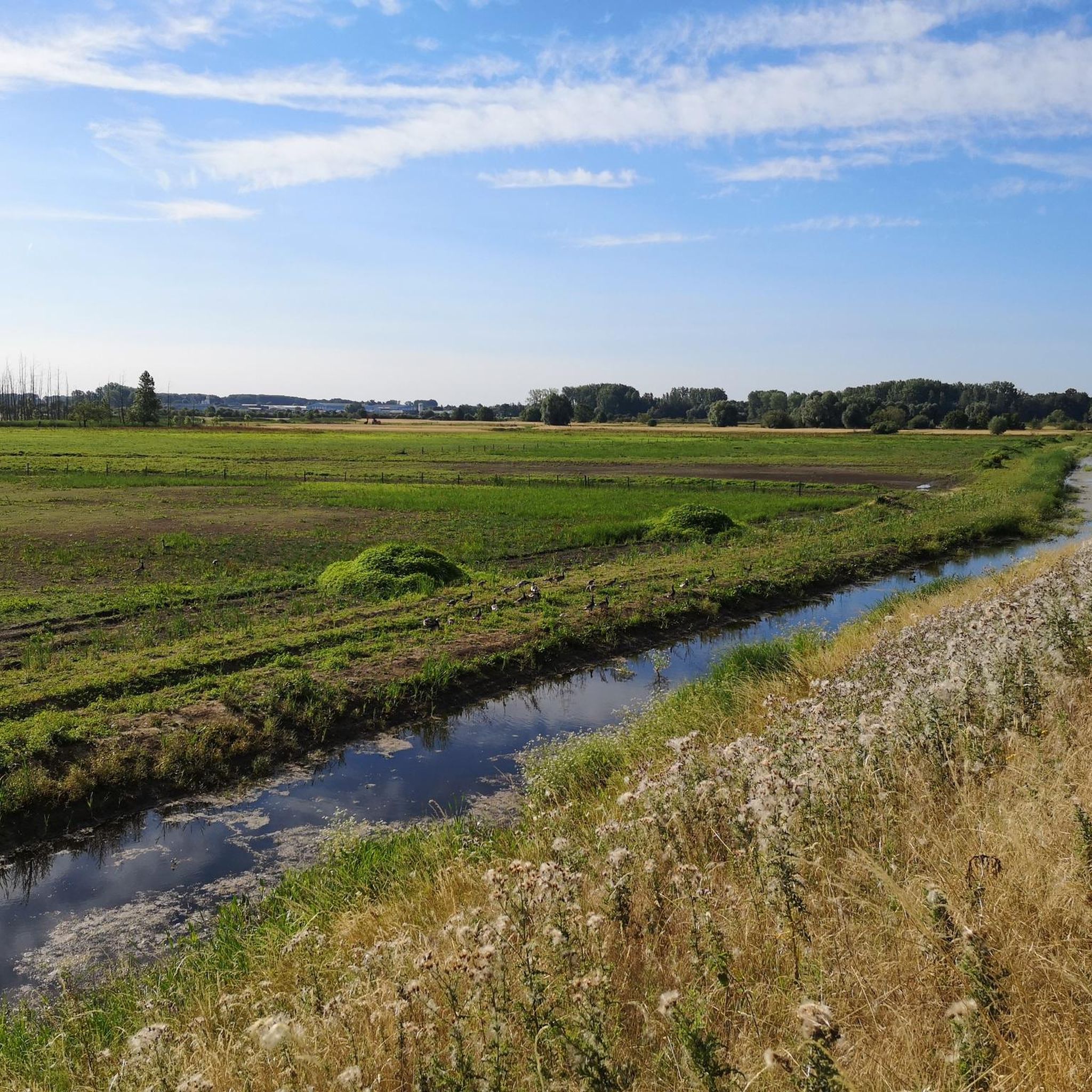
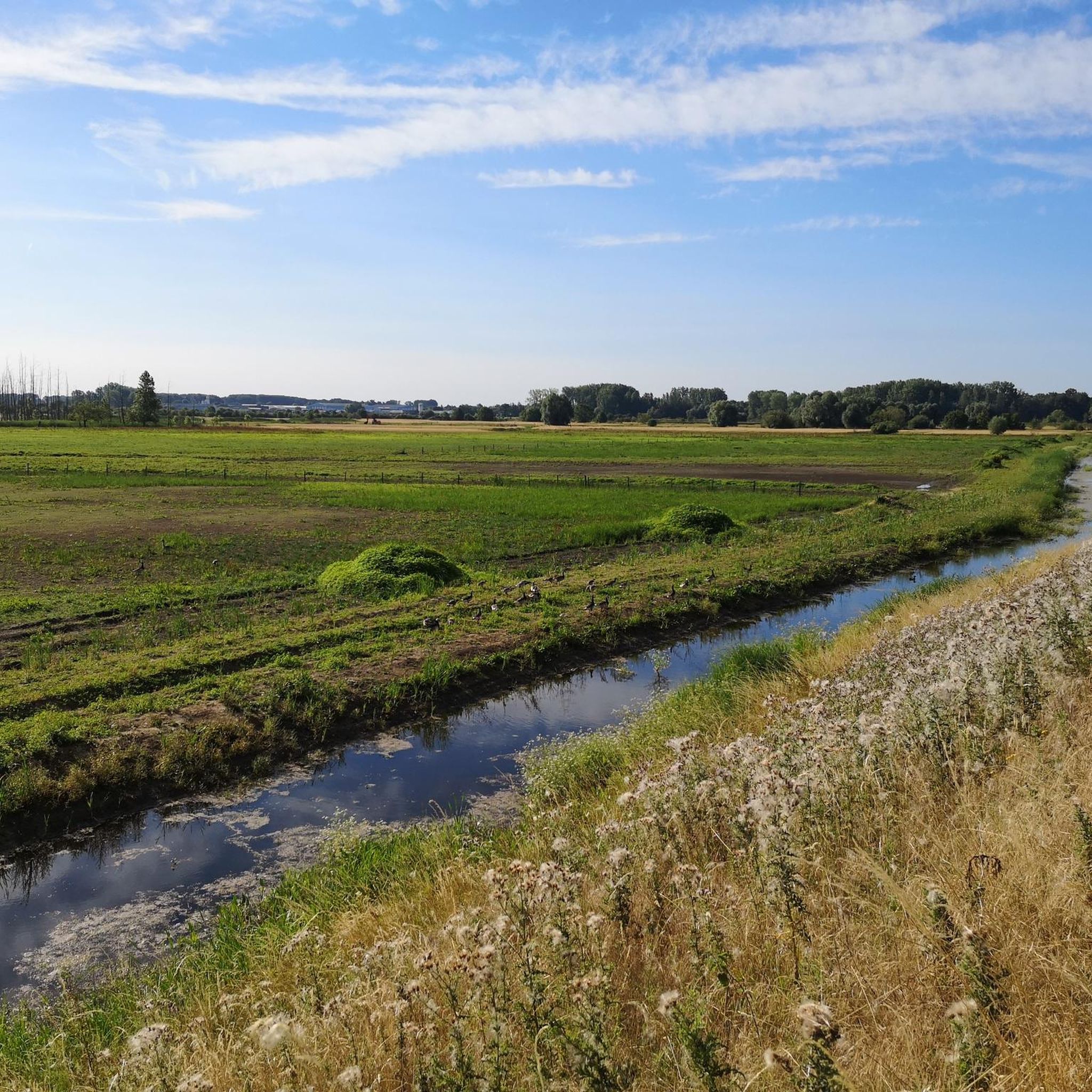
자연 보호구역 De Platwijers-Wijvenheide
하이라이트 • 호수
번역자 Google •
팁에 의해

Herkenrode 수도원 부지
하이라이트 • 역사적 장소
번역자 Google •
팁에 의해

이런 장소를 발견하려면 지금 가입하세요
최고의 싱글 트랙, 봉우리 및 다양한 흥미로운 야외 장소에 대한 추천을 받아보세요.


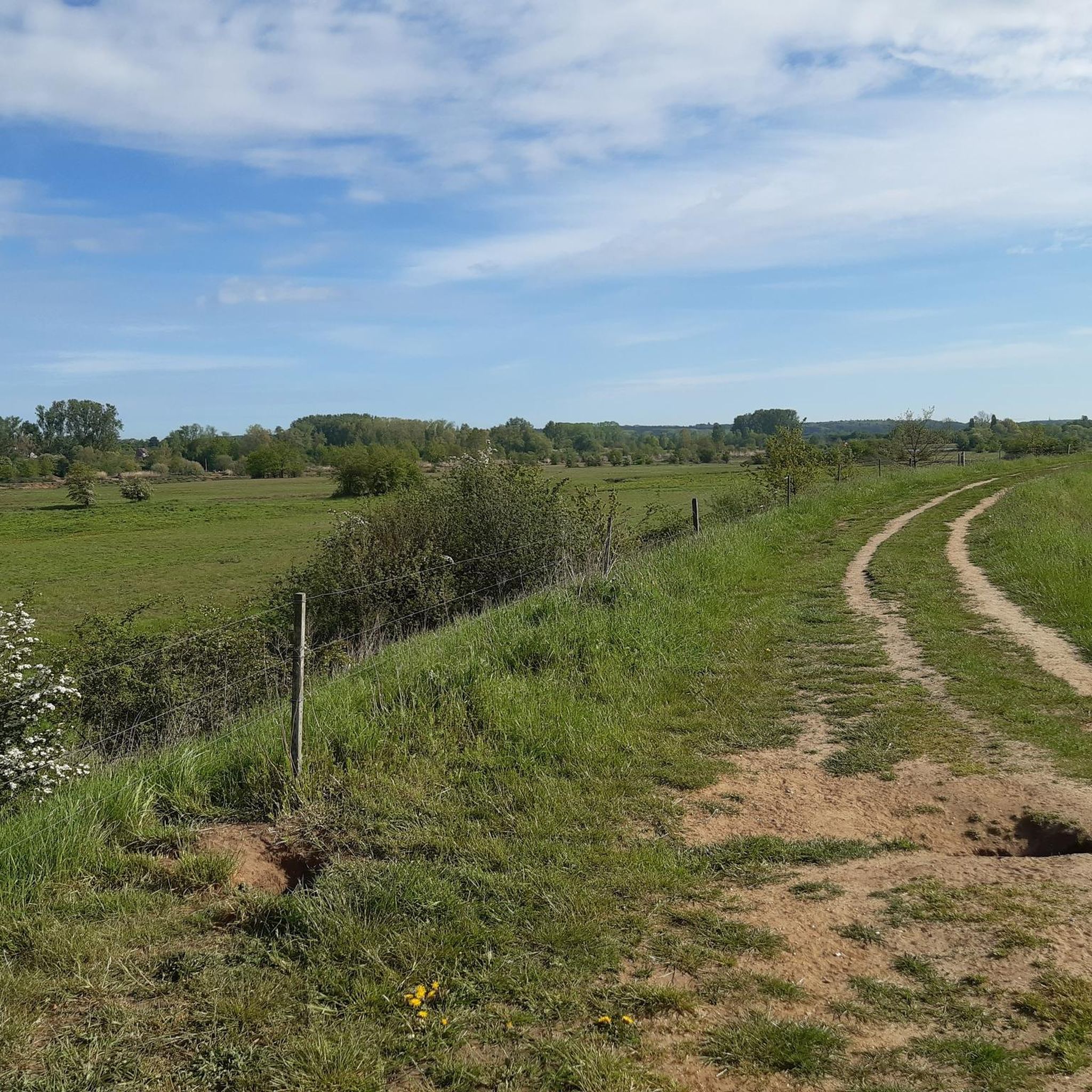
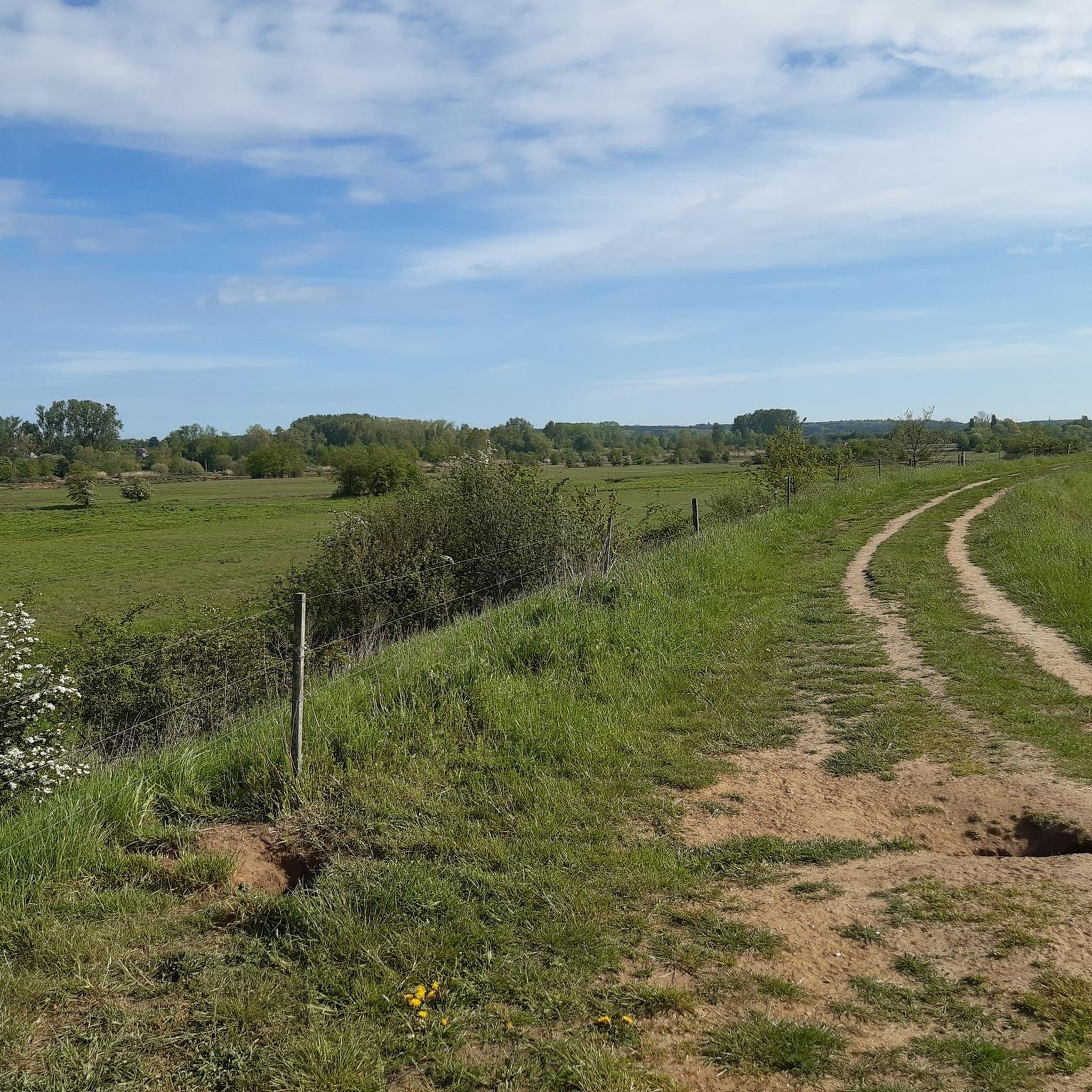
볼더베르크 자연 보호구역
하이라이트 • 자연 기념물
번역자 Google •
팁에 의해

무료로 가입하여 허크 드 스타드 주변의 더 많은 자연 기념물을 발견하세요.
이미 komoot 계정이 있나요?
오늘 무료 계정으로 시작하세요
다음 모험이 기다리고 있어요.

커뮤니티 팁

Very relaxing, beautiful well-maintained paths.
0
0

Witness hill The Bolderberg and especially its origins were the subject of heated discussions within the geological community for more than a hundred years, but its geological history is now well known. Today, this hill is the reference or type location for what is known in stratigraphy (the study of the succession of the earth's layers) as the Bolderberg Formation. It consists of yellow to white very fine sand, mainly composed of quartz grains. When the sun reflects in the sand, thin flakes, mica sheets, light up. Fossil shells also occur in the sand in various places. All these sediments were deposited in a shallow sea about 20 million years ago. The first descriptions of the geological structure of the Bolderberg date from the second half of the 19th century. André Dumont Sr., the author of the first detailed geological map of Belgium, defined his Système Boldérien there. The bulk of the hill belongs to this Système Boldérien or the current Formation of Bolderberg. The top of the hill, separated from the underlying Sand of Bolderberg by a gravel of black and blue flint pebbles, is formed by the Sand of Diest. Typical for this 10 million year old sand package is the rusty brown color and the presence of iron sandstone banks, formerly frequently used as building stone in many important buildings. These iron sandstone banks are the weathering product of minuscule dark green round glauconite grains that occur in the sand. It is probably the cap of resistant rusty iron sandstone that has ensured that the underlying sand has not been washed away and the Bolderberg has remained as a witness hill. Source: https://www.hbvl.be/regio/limburg/heusden-zolder/de-bolderberg-belangrijk-limburgs-geologisch-erfgoed/32387063.html
6
0

The Herkenrode Abbey site is an interesting combination of culture, history, nature and an ideal starting point for walks.
11
0

Beautiful walking on these hilly sandy paths between the heath. 👌
4
1
The Bolderberg is a witness hill and nature reserve near the eponymous town of Bolderberg in the Belgian municipality of Heusden-Zolder. It is located near the Circuit Zolder, Domein Bovy and the nature reserves Waterlozen and Wijvenheide. The largest part of the hill - including the historic Kluis van Bolderberg - belongs to the private domain of Kasteel Vogelsanck. This part of the domain is accessible to the public. Another part is owned by Limburgs Landschap vzw and is managed as a nature reserve. This is a sub-area of the Laambeekvallei reserve and covers almost 70 ha. This reserve also includes the heathland on the Bolderberg known as the Gust Claesheide, named after the Bolderberg school principal Gust Claes (1927-1978), who did much to spread knowledge about and love for nature. At the bottom of the steeply sloping heathland, seepage emerges and one finds wet heathland and raised bog with, among other things, cotton grass, bog asphodel and bog myrtle. The tree frog also occurs there. From the Kluis one has a special view of the ponds in the depths and the castle of Terlaemen. (Wikipedia)
17
0
The main entrance to the abbey is located to the south of the complex. It is a late Gothic gatehouse, built in 1531 by order of Abbess Mechtildis of Lechy. There are two storeys under two intersecting slate saddle roofs with a spire with a pear-shaped crowning at the intersection, dated 1531 (coat of arms on the rear facade) and restored in 1907 (architect G. Rypens) and 1973. Inventory of Immovable Heritage: Herkenrode Abbey, https://id.erfgoed.net/erfgoedobjecten/22246
9
0
The Herkenrode abbey site is located in the Demer valley, in a transitional area between the Lage Kempen and Haspengouw, south of the village centre of Stokrooi (Hasselt). It is an extensive historical domain that dates back to the former abbey complex of the Cistercian nuns. To the north of the Demer are the meadows, to the south the old abbey with its appurtenances, the farmyard, the eastern castle park and the other, higher agricultural lands. In addition to unirrigated hay and pasture land, there were also large flood meadows here until the 20th century. The latter were supplied with water via the Tuilterdemer. The abbey was founded in 1182, when Geeraard, Count of Loon, donated his estate Herkenrode to a certain brother Henricus to build a monastery for women. In 1271 the monastic community joined the order of Cîteaux. It became a flourishing enterprise that over the years acquired numerous possessions. The religious purpose came to an end with the departure of the sisters in 1796. At the beginning of the 19th century, the new abbess wing, built in 1768 to the south of the old abbess quarters, was converted into a castle. In the same period, an English garden was laid out on the east side and a front garden on the west side. The 14th-century church burned down in 1826 and was demolished together with the monastery building and the convent buildings in 1843. The buildings and the surrounding grounds formed a single differentiated whole for a long time. Over time, however, they fell into the hands of different owners. In 1972, 11 ha of the former abbey site became the property of the canonesses of the Holy Sepulchre. The property includes the actual remaining abbey buildings with the sisters' quarters, the old abbess quarters, the sacristy, the infirmary, the 18th-century abbess wing and the adjoining landscaped park. Inventory of Immovable Heritage: Herkenrode Abbey Site, https://id.erfgoed.net/erfgoedobjecten/135252
11
0
At the end of June 2024, it was announced that architects Arnout Van Vaerenbergh and Pieter-Jan Gijs will resurrect the church and other disappeared buildings on the Herkenrode site. Not quite as fully-fledged buildings, but with the interplay of lines that they are known for and that many have already seen in their see-through church in Borgloon. It should bring the total experience of Herkenrode more closely into line with historical reality and should work perfectly with the buildings that are still there today, making Herkenrode already a tourist attraction. This should be ready in 2026 and you can discover more about it at https://www.vrt.be/vrtnws/nl/2024/06/27/clausura-herkenrode/
12
0
허크 드 스타드 주변에서 가장 인기 있는 명소


더 살펴보기
허크 드 스타드 주변의 최고의 동굴을 찾기 위해 이 가이드를 확인해보세요:
