빌라베를라에서 가장 멋진 13개의 천연기념물
천연기념물을 방문하여 빌라베를라의 아름다운 풍경을 만나보세요. 빌라베를라에 있는 13
개의 천연기념물과 상세 정보를 살펴본 후에 방문하고 싶은 천연기념물을 다음 모험 계획에 추가해보세요!
마지막 업데이트: 8월 22, 2026
바키글리오네 리조르지베 자연보호구역
하이라이트 • 자연 기념물
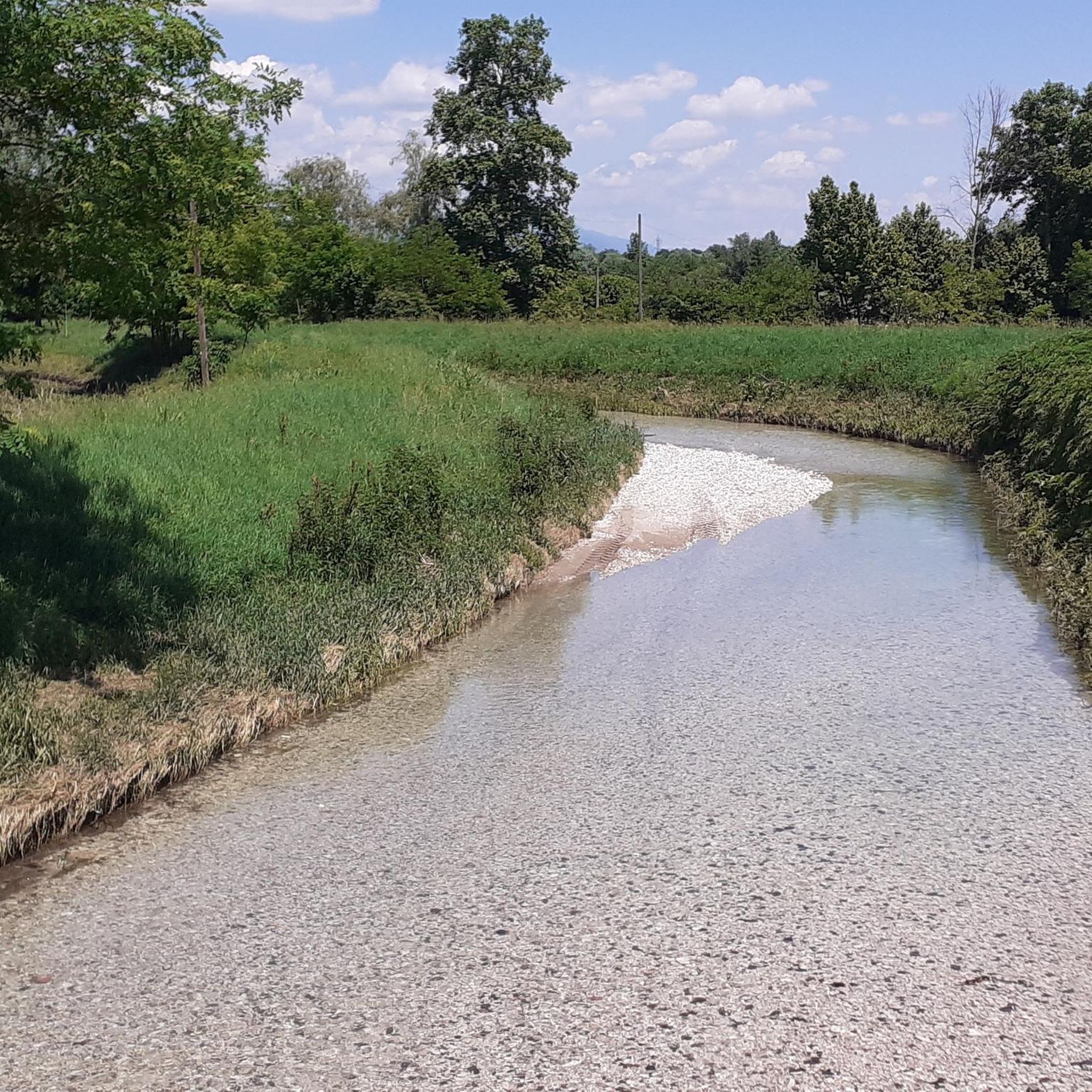
For the gravel it is a paradise!
DESCRIPTION:
A resurgence, or fountain, is a source of fresh water of natural origin, sometimes made to …
번역자 Google •
팁에 의해

바키글리오네의 용출지
하이라이트 • 강
번역자 Google •
팁에 의해

이런 장소를 발견하려면 지금 가입하세요
최고의 싱글 트랙, 봉우리 및 다양한 흥미로운 야외 장소에 대한 추천을 받아보세요.
무료 회원 가입
부소 델라 라나 동굴
하이라이트 • 동굴
번역자 Google •
팁에 의해


무료로 가입하여 빌라베를라 주변의 더 많은 자연 기념물을 발견하세요.
무료 회원 가입
이미 komoot 계정이 있나요?
오늘 무료 계정으로 시작하세요
다음 모험이 기다리고 있어요.
로그인 또는 가입하기

커뮤니티 팁

고요함과 풍경을 위해 이 장소를 방문할 가치가 있습니다
0
0

The Buso della Rana is the largest cave in the Veneto region and one of the most extensive in Italy, with a network of caves stretching almost 30 km in total (40 km including the Pissatèla complex above, to which it is connected). Located beneath the Faedo-Casaròn Plateau, it is an intricate karst system that collects and channels the plateau's waters into the Rio Rana, which flows at the entrance. It was formed when rainwater seeps into the permeable limestone surface layer and, encountering the underlying impermeable basalt (volcanic rock), flows laterally, eroding the rock. Over millions of years, this has created a complex labyrinth of horizontal tunnels, chambers, chimneys, siphons, and small lakes traversed by underground streams. Because it drains the plateau's waters, the cave is subject to flash floods, making exploration treacherous. Inside, the temperature remains constant between 10 and 12°C year-round. It is freely accessible through the monumental entrance and by proceeding along the Main Branch for about fifty meters, until reaching the first flooded corridor or Siphon, a horizontal constriction that requires crawling. From there, it is the preserve of speleologists or exciting and adventurous guided tours organized by associations like Biosphera (see link). The internal branches are not marked, and one must know the way. The name of the cave has nothing to do with the amphibian, but is an Italianized term from the Cimbrian word "roan," meaning "rocky wall," referring to the cliff at the entrance. https://www.busodellarana.it https://esplora.biosphaera.it/luoghi/buso-della-rana/
0
0


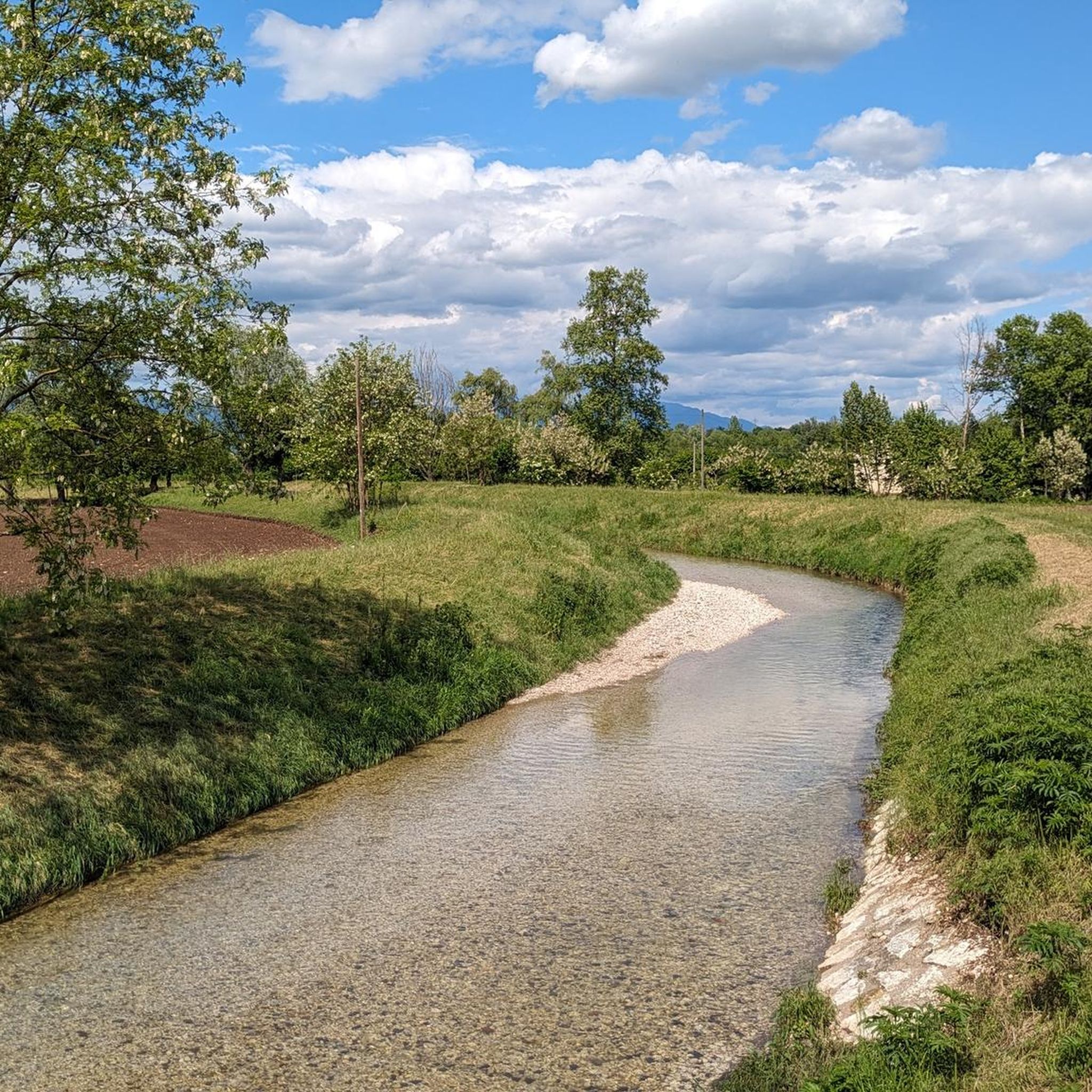
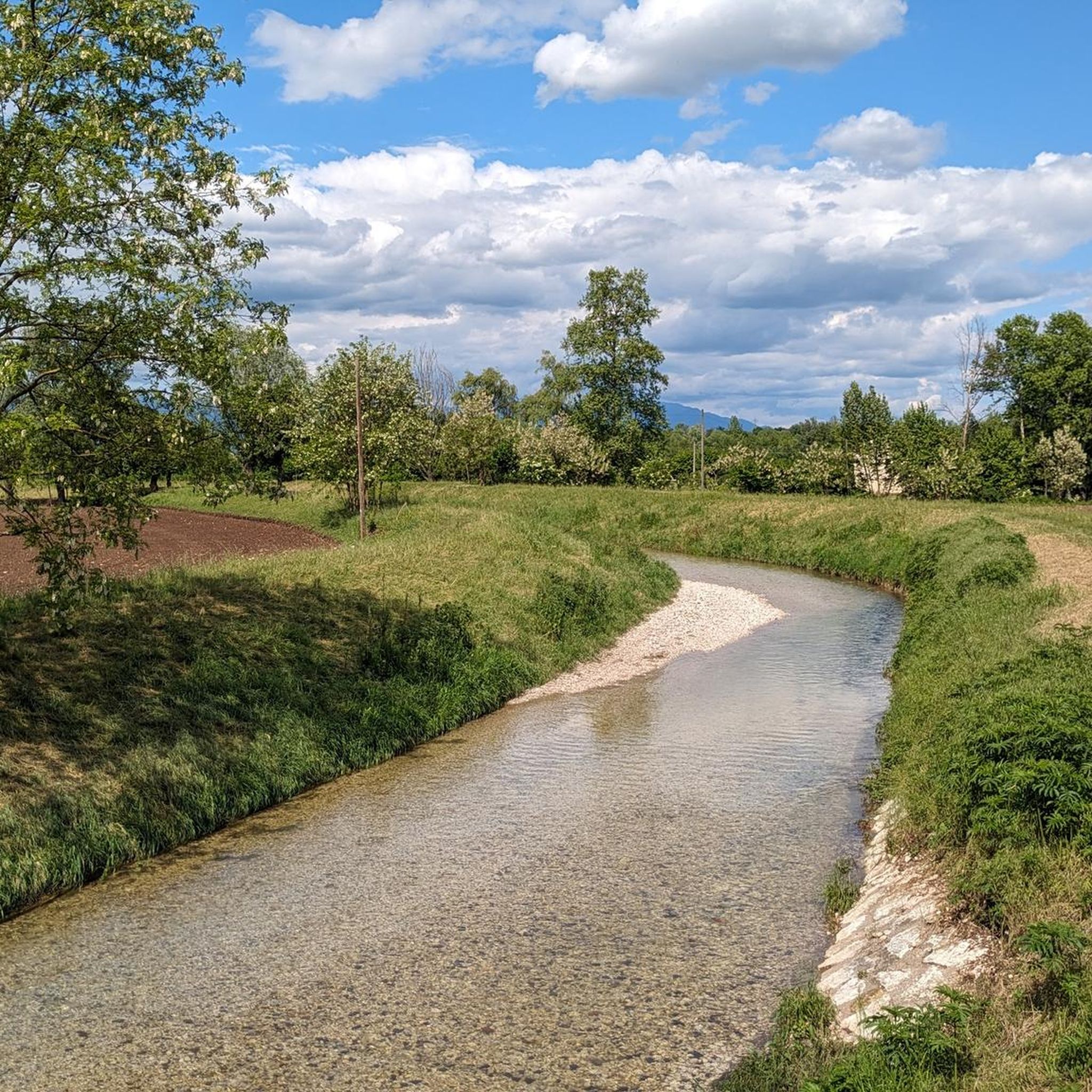
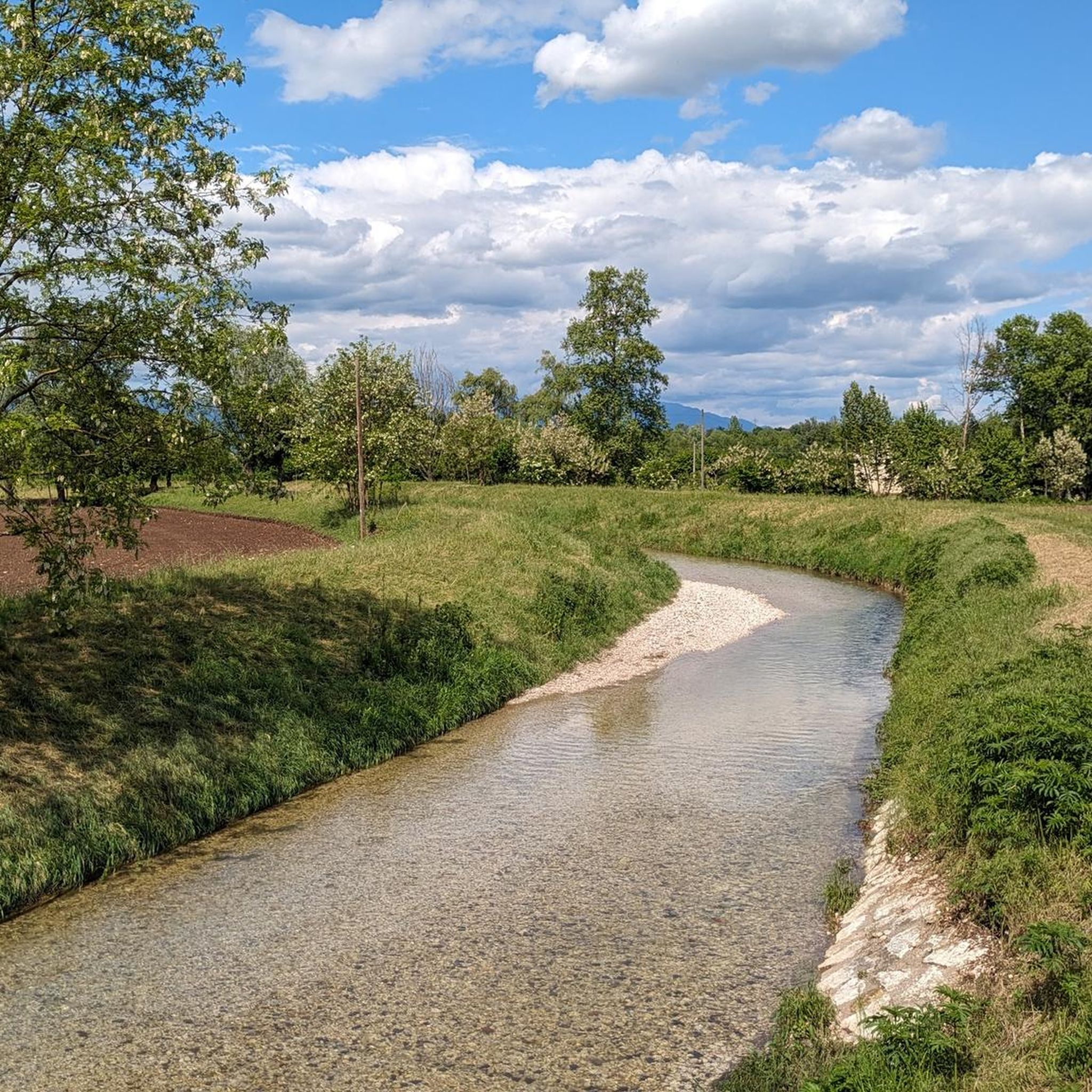
The set of springs that make up the Bacchiglione stream are enclosed in a splendid naturalistic area. It is possible to access it from different points and in different ways, but in any case cycling here is wonderful. There is a refreshment point: to check its opening I recommend you visit the official website of the place, https://www.risorgivedelbacchiglione.it.
1
0

The resurgences are spontaneous outcrops of water, typical of the Po Valley: in this particular case, in the mountains the water of rain or snow origin is not retained by the karst soil of the Asiago Plateau and the Little Dolomites; instead of remaining on the surface and descending through the valleys, it infiltrates the rocks, forming cracks, tunnels and caves; after this slow journey underground, which can last 10 years, in the low plain it encounters waterproof clay layers which force it to re-emerge. It comes out very pure, very clear, full of mineral salts and at a constant temperature of 10-13°. This is how the Bacchiglione river originates, in the middle of the countryside as if by magic, and then flows through Vicenza, Padua and finally flows into the Adriatic. The Bacchiglione Resurgences are a nature reserve which, thanks to the aforementioned peculiarities of the water, create an ideal habitat to host animal and plant species not common in the surrounding areas. They are a resting place for migratory birds and there is in fact a hut for birdwatching. This oasis of peace is open on weekends and divided into three areas: the first accessible for free; the second only with a guided tour (for a fee, booking on the site a few days in advance); the last area is a complete reserve and can only be used for scientific purposes. https://www.risorgivedelbacchiglione.it
2
0
The Val dei Molini is a surprisingly unspoiled and wild environment, where you enter a mysterious and evocative forest: water dominates, forming lively waterfalls and deep ravines; everywhere, lush moss covers rocks and tree trunks. You cross a series of small valleys (Val Sesura, Valle Arlene, Val dell'Asino, Val del Gambero, Val Smiderle, Val Bisele) and ford several streams that eventually flow into the Refosco stream. The Val d'Asino is particularly evocative, where two streams join in an enchanting clearing, forming waterfalls and a deep, winding ravine. The name reflects how the stream was once exploited: the remains of man-made structures, such as stone masonry and building foundations, bear witness to this. Obviously, the valley is at its best after days of rain.
2
0
빌라베를라 주변에서 가장 인기 있는 명소


더 살펴보기
빌라베를라 주변의 최고의 동굴을 찾기 위해 이 가이드를 확인해보세요:
