보르다노에서 가장 멋진 20개의 천연기념물
Bordano 주변의 최고의 자연 기념물은 산, 큰 자연 호수, 중요한 강으로 특징지어지는 이탈리아 프리울리 베네치아 줄리아 지역에서 발견됩니다. 이 지역은 다양한 나비 종으로 유명합니다. 방문객들은 빙하 호수부터 야생 강바닥, 산악 트레일까지 다양한 자연 환경을 탐험할 수 있습니다.
Bordano 주변 최고의 자연 기념물
마지막 업데이트: 10월 14, 2026


이런 장소를 발견하려면 지금 가입하세요
최고의 싱글 트랙, 봉우리 및 다양한 흥미로운 야외 장소에 대한 추천을 받아보세요.
코르니노 호수 지역 자연 보호구역
하이라이트 • 자연 기념물
번역자 Google •
팁에 의해

라게토 디 코르니노의 스트라다 델 보테키아
하이라이트 • 자전거 도로
번역자 Google •
팁에 의해


오늘 무료 계정으로 시작하세요
다음 모험이 기다리고 있어요.

커뮤니티 팁


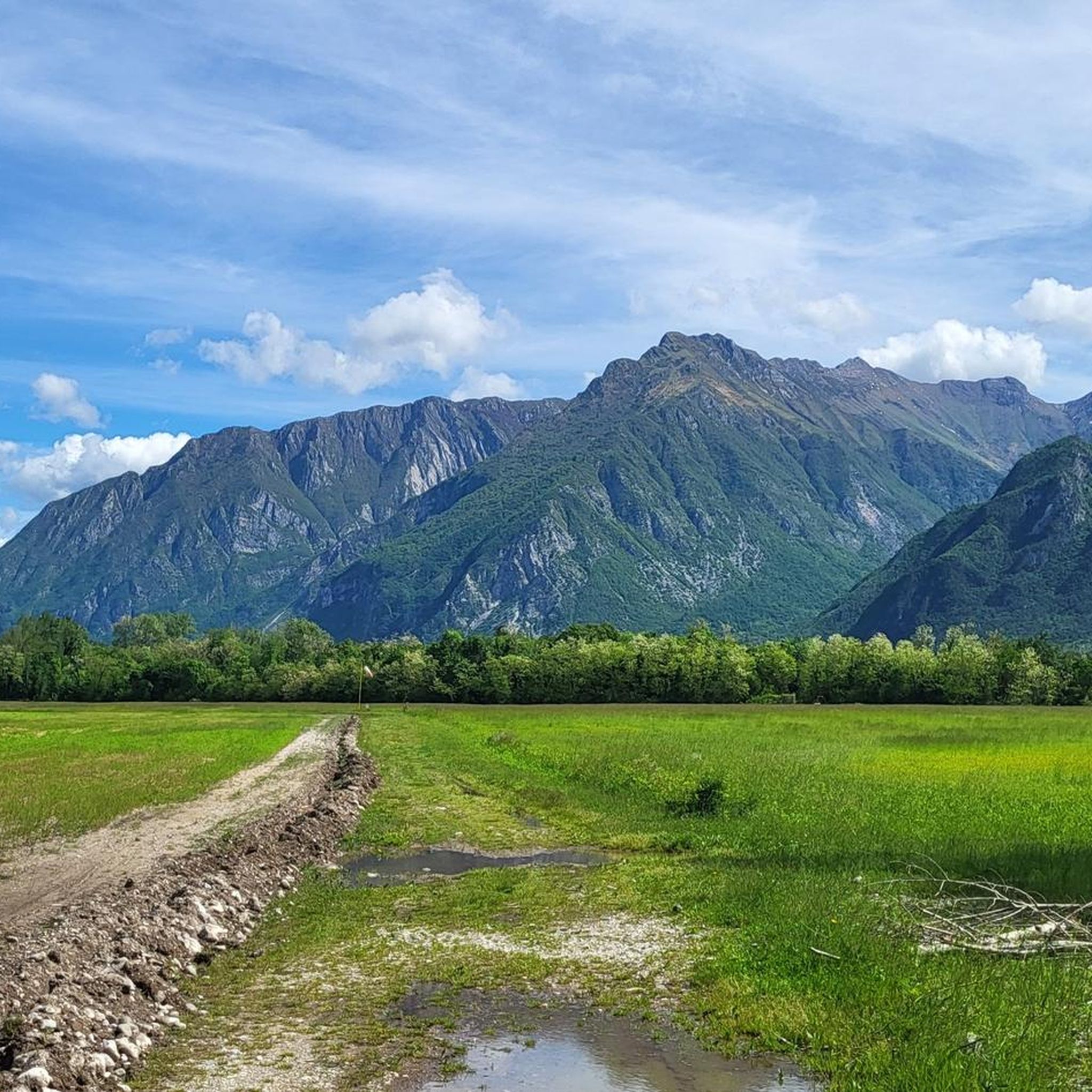
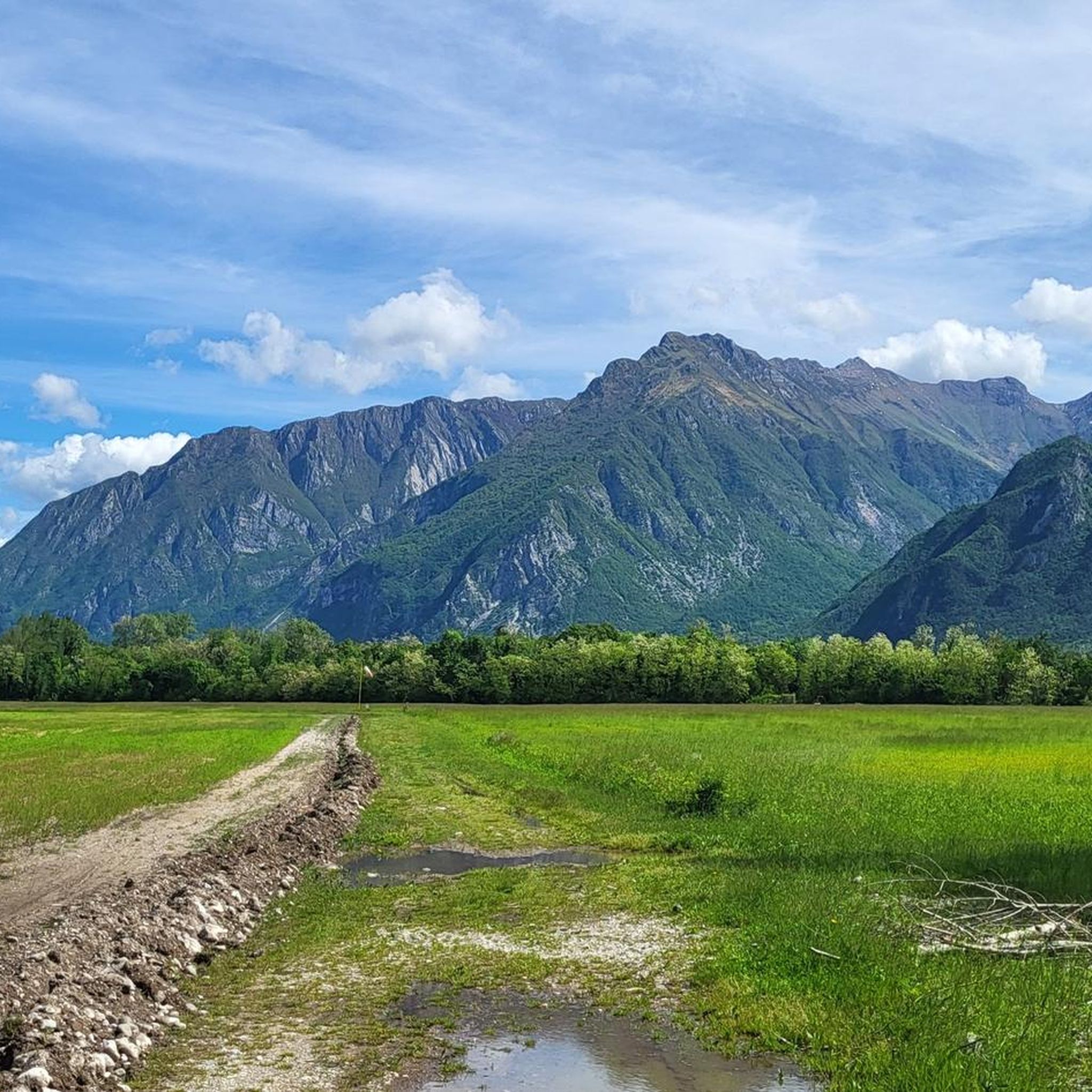
Great view of the river and the mountains, bridge without a bike path and with traffic.
2
0

Cuc de Cros, panoramic point on the way down towards Montenars.
1
0
This stretch of the Tagliamento is very panoramic.
1
0

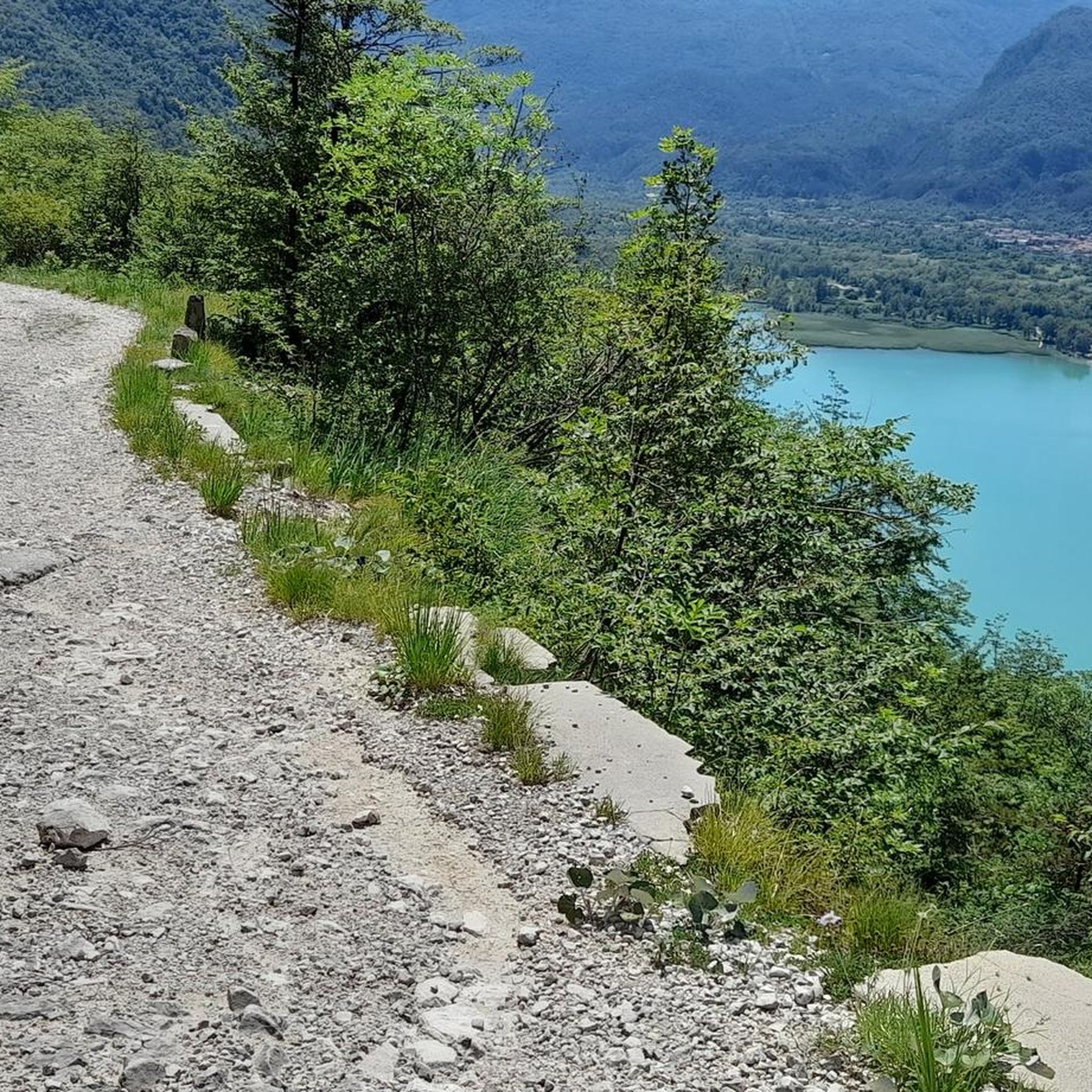
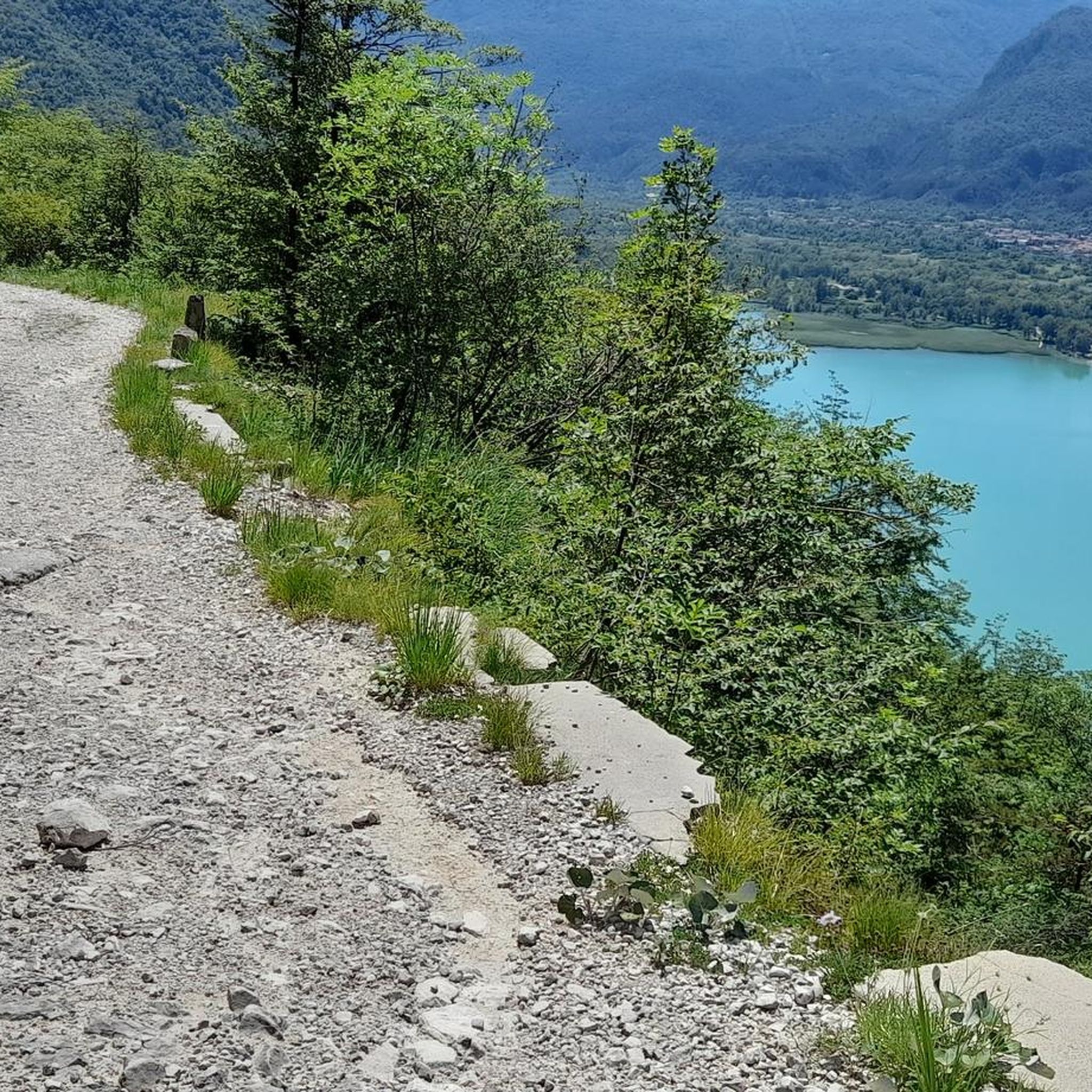
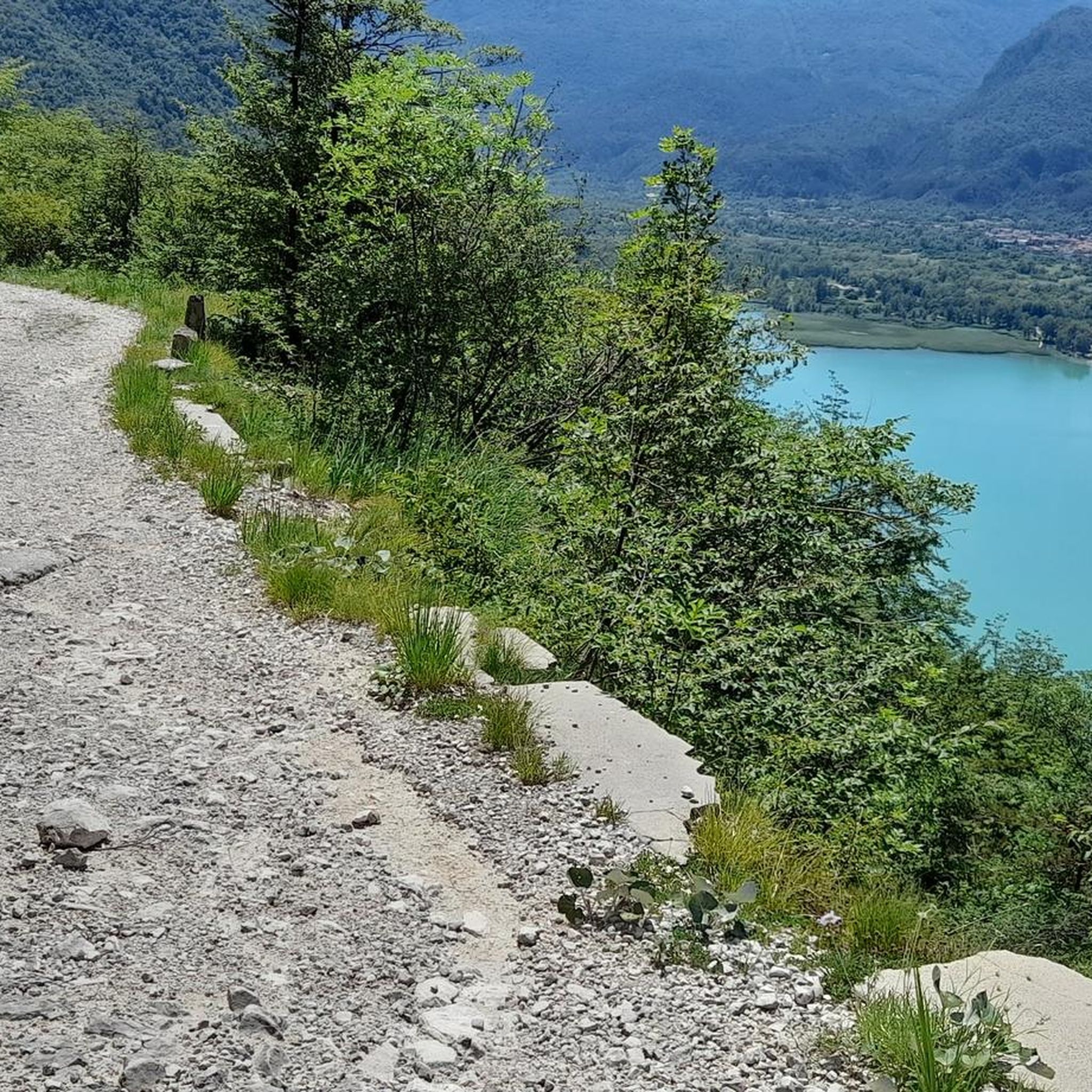
Small lake with wonderful colours, at the foot of rocky cliffs which are home to colonies of griffon vultures which can easily be seen circling in the sky above us.
4
1

Very beautiful panoramic point, with the clear air you can glimpse the glow of the sea!
0
0

Beautiful road surrounded by beautiful nature
2
1

Lake Cornino is a small body of water that originated during the retreat of the ice, which occurred around 10,000 years ago. In this period numerous and impressive landslides occurred along the sides of the valleys, which were suddenly deprived of the support represented by the mass of ice itself. The current morphology is the result of one of these landslides. These waters are easily distinguishable from those coming from the Prealps by a chemical "trace" that distinguishes them: coming from the Tagliamento basin they are loaded with calcium sulphate obtained from the dissolution of the chalks that abound in its basin. Waters of different origins also reach the lake, coming from the Monte Prat plateau. The lake is just over 140 meters long and 8 m deep. It has neither tributaries nor emissaries, but the underground water circulation is such that it still allows rapid water exchange. Hence its particular transparency and the very low temperature variations (which generally fluctuate between 9-11 °C) over the course of the year. These characteristics allow it to be classified as an oligotrophic lake as it is poor in nutrients. The bottom is populated by green algae that form dense underwater meadows, while the rocks are colonized by blue algae. The scarcity of nutrients present and the low temperature of its waters significantly reduce the possibility of life within it. The fish fauna present is scarce and linked to the introduction of Cyprinids and Salmonids but the presence of the Crayfish is certainly interesting.
7
1
보르다노 주변에서 가장 인기 있는 명소


더 살펴보기
보르다노 주변의 최고의 동굴을 찾기 위해 이 가이드를 확인해보세요:
