프레자에서 가장 멋진 5개의 동굴
성을 방문하는 건 언제나 특별한 일이에요. 하이킹을 하다가 잠깐 들를 때도, 가이드를 따라 제대로 둘러볼 때도 말이죠. 프레자에 있는 아름다운 성 5
곳을 아래에서 살펴본 후에 마음에 드는 성을 다음 모험 때 만나보세요!
마지막 업데이트: 6월 2, 2026

중세 성과 석조 성벽 주택
하이라이트 • 성
번역자 Google •
팁에 의해

이런 장소를 발견하려면 지금 가입하세요
최고의 싱글 트랙, 봉우리 및 다양한 흥미로운 야외 장소에 대한 추천을 받아보세요.
무료 회원 가입
파첸트로 요새 마을
하이라이트 • 정착지
번역자 Google •
팁에 의해
Castello De Sanctis
하이라이트 • 성
번역자 Google •
팁에 의해
오늘 무료 계정으로 시작하세요
다음 모험이 기다리고 있어요.
로그인 또는 가입하기
커뮤니티 팁

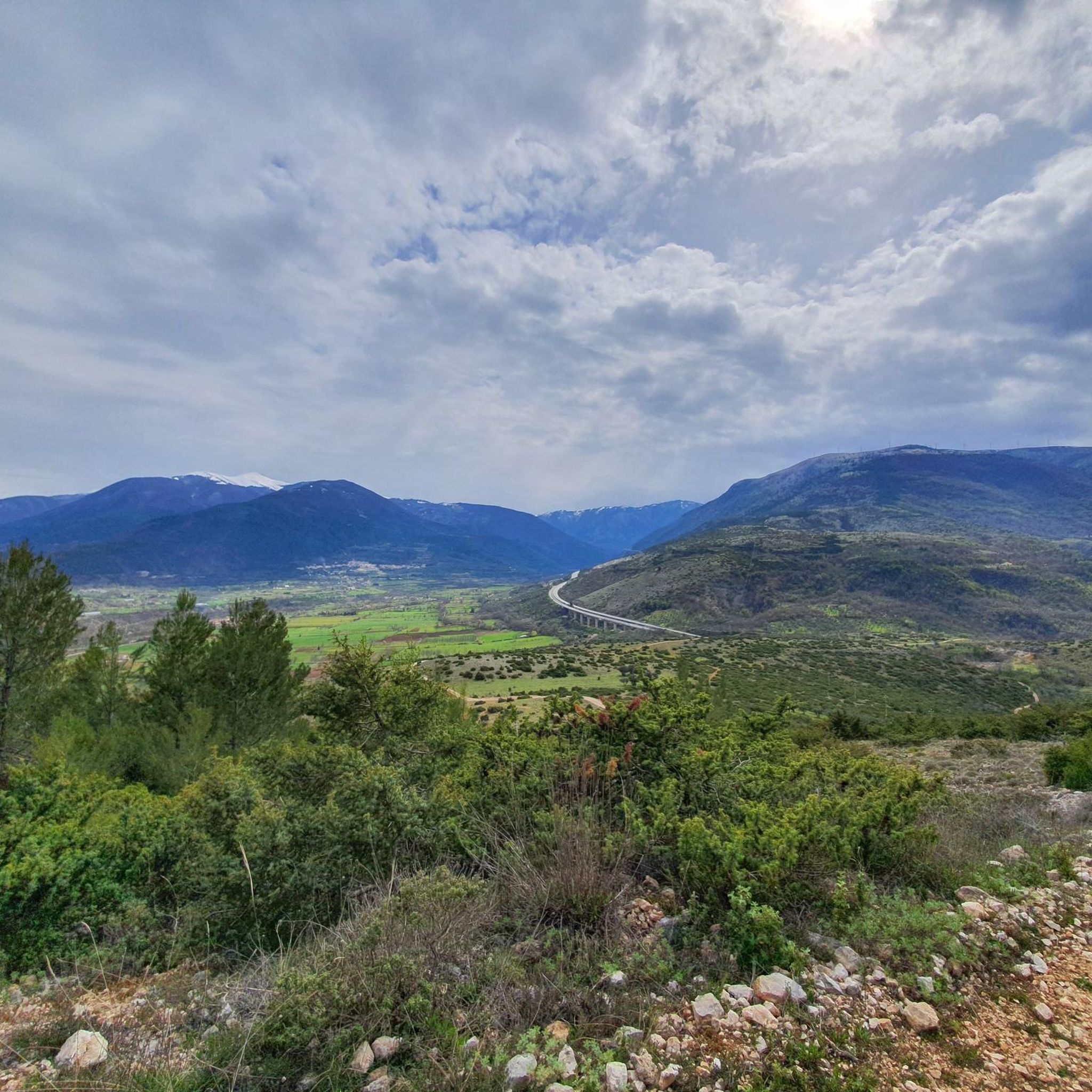
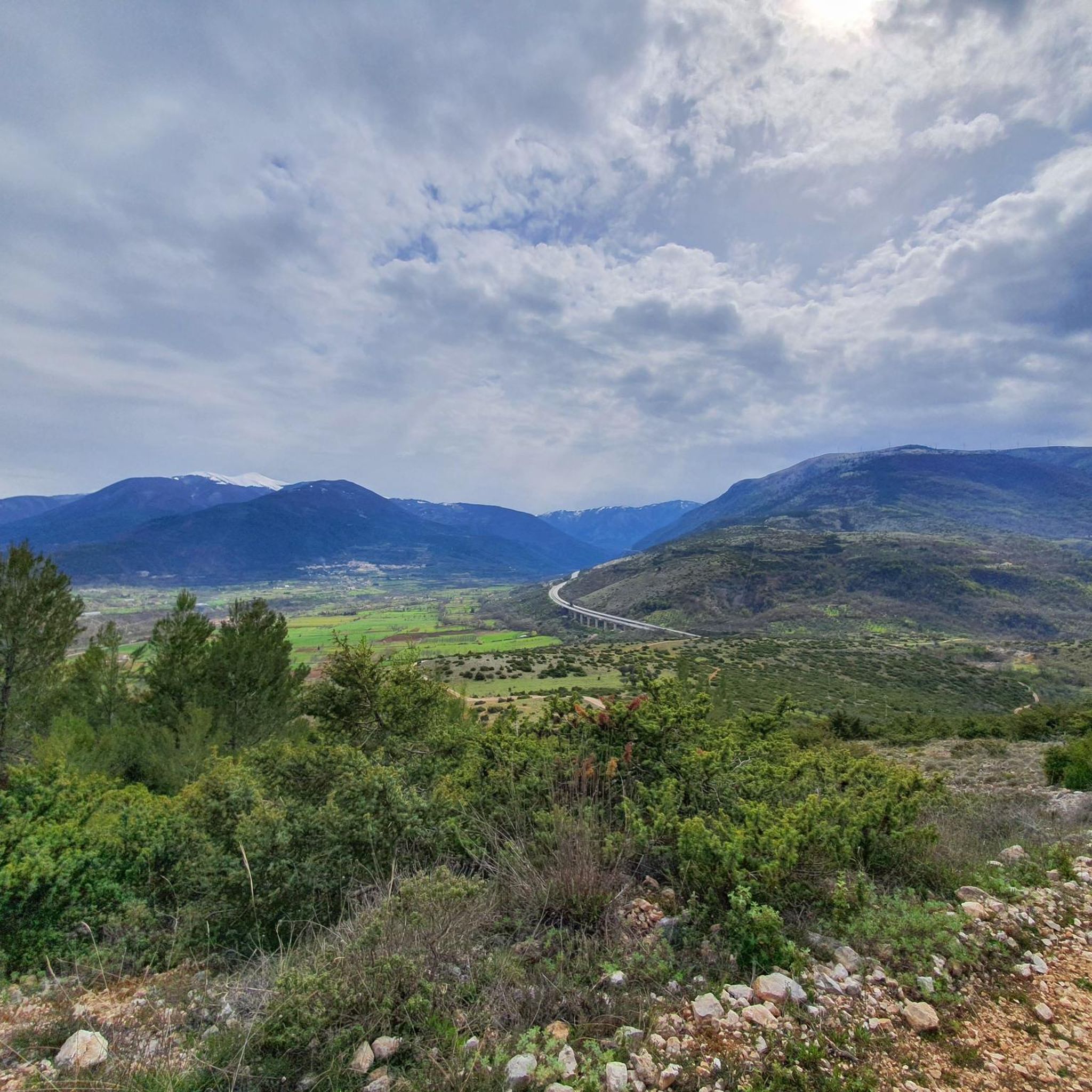
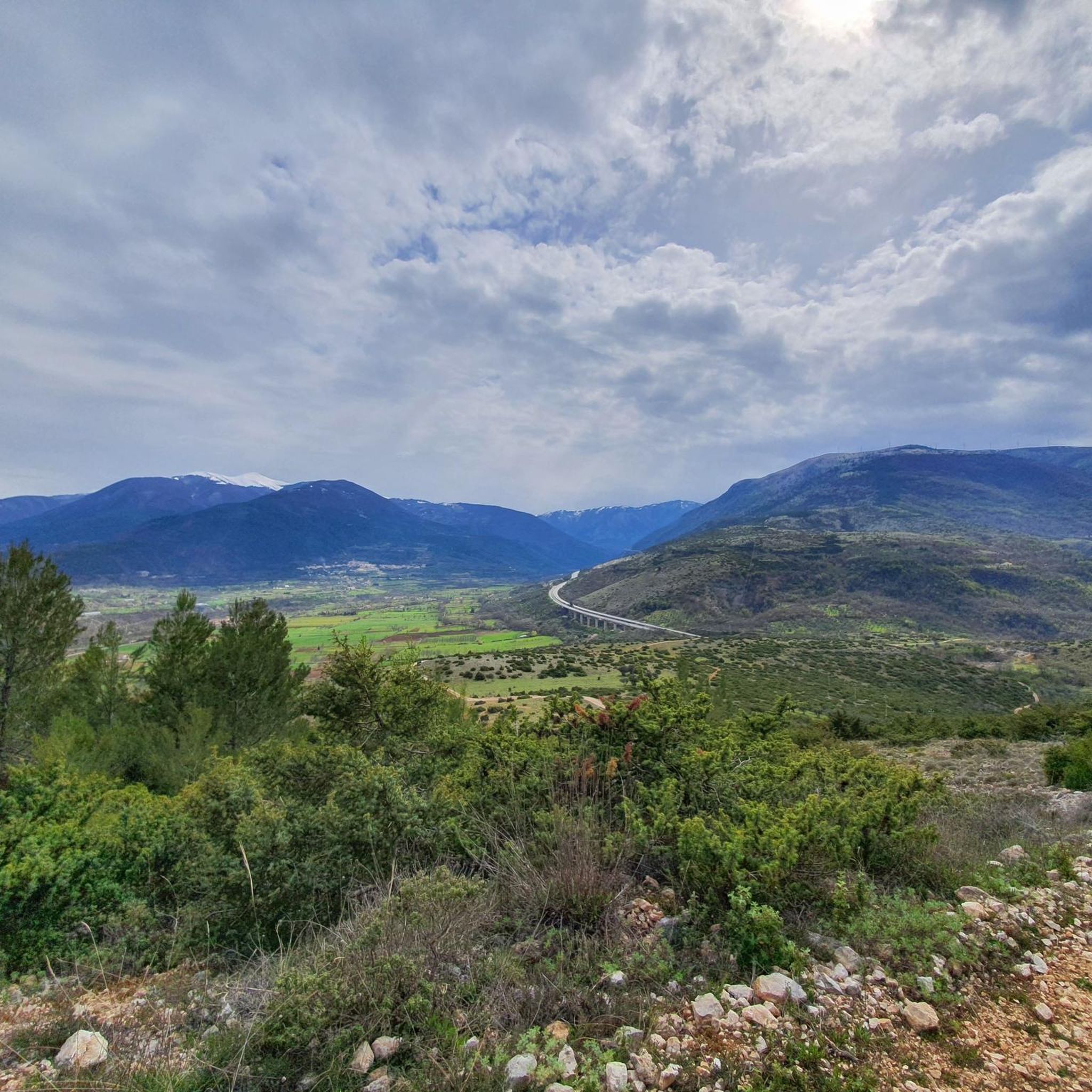
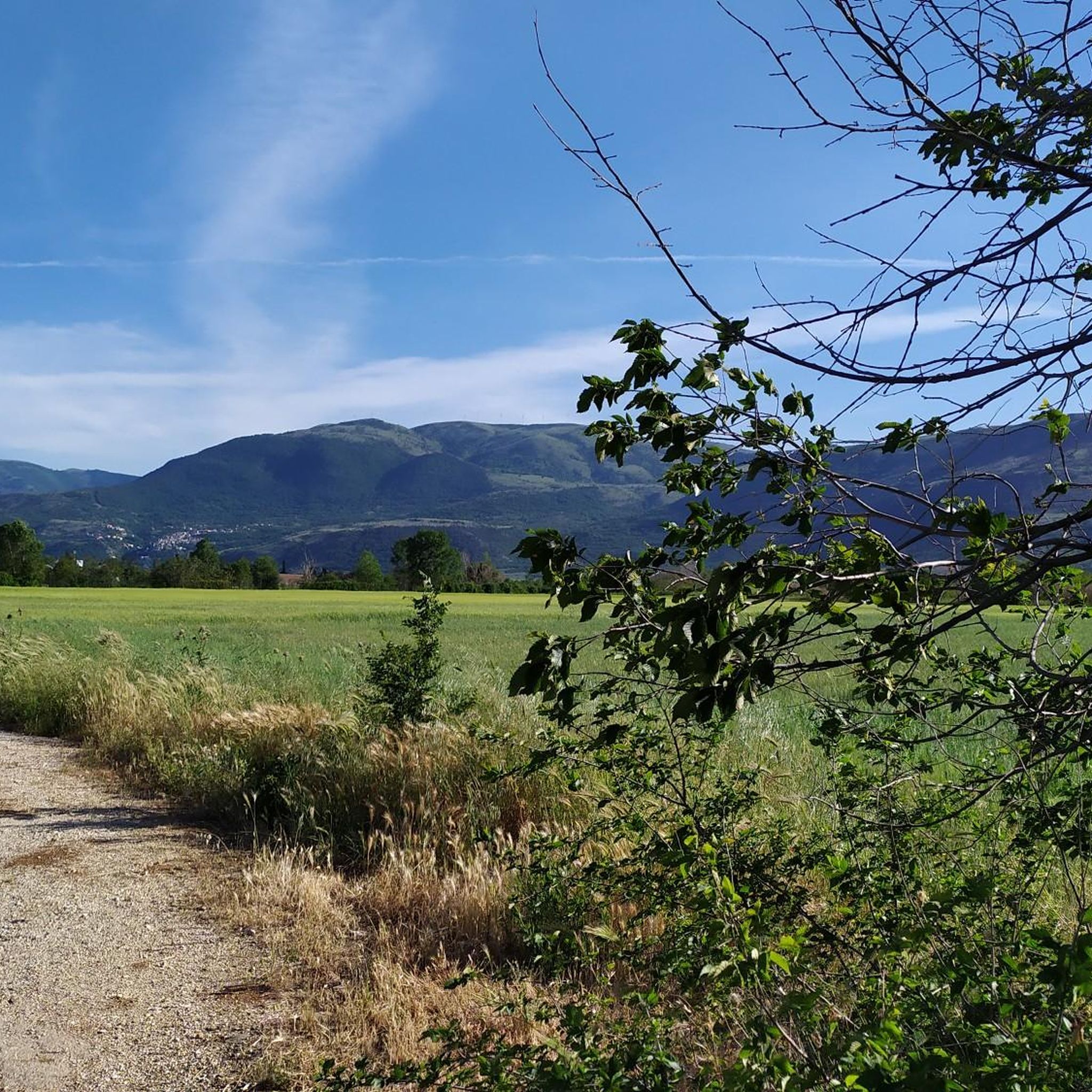
From the town of Roccacasale, from the upper part of the town, an obvious mule track climbs halfway up the south-west ridge of Morrone to reach the Puzzacchio Refuge
0
0

The castle of Pacentro, located on the highest part of the village, at an altitude of 718 m. on Mount Morrone, it is one of the best preserved fortified structures in Abruzzo.
10
0
The castle of Pacentro, at an altitude of 718 meters on Mount Morrone, is one of the best preserved fortified structures in Abruzzo.
10
0

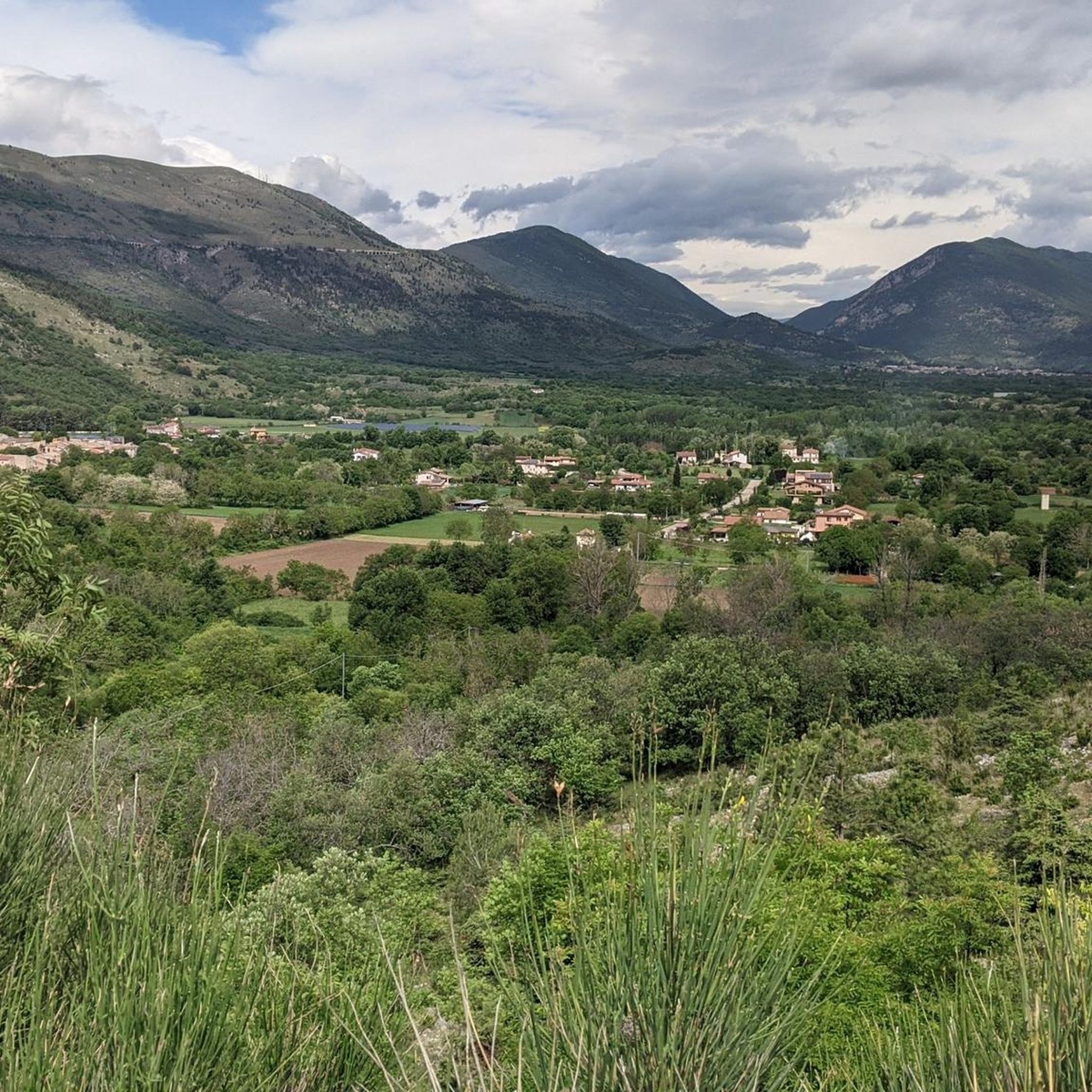
The highest part of the town preserves the original fortified structure: the remains of the medieval castle and the characteristic stone houses. In fact, in the Middle Ages, due to defensive needs, the inhabited nucleus was located a little further north than today. The castle already existed before 1076 as mentioned in the Chronicon Casauriense: the tower, aimed at sighting and defense, was supposed to be a strut and constituted the summit of a triangular hillside enclosure. There is also a curtain of buildings (house-walls) that constituted the perimeter of the ancient fortified center, and in which a passage called "Foot gate" opens, under the ancient clock.
0
0
The castle of the barons De Sancts is located upstream of the town of Roccacasale, on the slopes of Monte Morrone, in a dominant position with respect to the road that connects Popoli and Sulmona. Its function of sighting and defense has certainly guaranteed, over the centuries, the survival of the small residential complex built at its feet. According to tradition, the castle was founded in 925 by the will of the count of Spoleto in order to prevent the Arabs from reaching the connections of the Sangro Valley and the Cinquemiglia Plateau. Subsequently, the structure was managed by the Cantelmo family and then in the 16th century it became the domain of the barons De Sanctis, until 1803 when it was destroyed following the Napoleonic invasion. During the nineties the entire complex was subjected to a conservative restoration and the building in the area further downstream to an architectural and functional recovery.
0
0
The fortified complex stands guard over the Peligna Valley. The castle of Pacentro is the oldest in Abruzzo as it was mentioned for the first time in 951 AD. The castle develops around a trapezoidal-shaped internal courtyard: originally four buildings united the perimeter towers, defining a powerful defensive structure of which, in the second half of the 15th century, the complex reached its definitive, largely stratified structure. Towards the end of the fourteenth century. the construction of the three internal towers ends, while that of the cylindrical corner bastions in the 16th century. The castle belonged to the Caldora family in the 14th century. , to then pass to the Orsinis, the Colonnas and finally to Matteo Barberini. In 1957 it became the property of the municipality of Pacentro. After numerous restorations, part of the castle can now be visited with the possibility of accessing one of the torridas where you can enjoy the beautiful panorama of the Peligna Valley. The decorative apparatus reveals a Renaissance matrix close to the results of the bell tower cornice. The "Tower of Possession or King" is the northwest tower behind the drawbridge. It is about 25 meters high and has the particularity of having five sides. Its name derives from the fact that in the Middle Ages and up to the 1600s the feudal lord, taking possession of the feud, climbed this tower to watch the territory on which he acquired possession. The "ghost tower" is the tower located to the north-east and is also the most artistically precious. Its name derives from a story handed down on Baron Roberto De Luczinardo who had the likeness of his beautiful wife Margherita De Braj sculpted, who died of a broken heart in learning the false news of his death. It is believed to have been built in the 14th century and is 27.45 meters high. The "siege tower"n located to the southeast is according to the most recent theories, the oldest one. It is 12.95 meters high, according to a recent hypothesis its partial collapse would be attributable to the siege suffered by the castle in 1230 by the imperial army of Frederick II. Hours: Sunday – Monday 10-13 15-19
2
0
The medieval village and the ancient districts (12th-16th centuries), which preserve the intertwining of alleys and the remains of the ancient city wall, represent an open-air work of art.
0
0
Il complesso fortificato sorge a guardia della Valle Peligna. Il castello di Pacentro risulta essere il più antico di Abruzzo in quanto menzionato per la prima volta nell'anno 951 d.C. Il castello si sviluppa intorno a una corte interna di forma trapezoidale: originariamente quattro corpi di fabbrica univano le torri perimetrali definendo una podersa struttura difensiva di cui, nella seconda metà del XV secolo il complesso raggiunse il suo assetto definitivo ampiamente stratificato. Verso la fine del XIV sec. termina la costruzione delle tre torri interne, mentre quella dei bastioni cilindrici angolari nel '500. Il castello è appartenuto ai Caldora nel XIV sec. , per poi passare agli Orsini, ai Colonna e infine a Matteo Barberini. Nel 1957 è divenuto proprietà del comune di Pacentro. Dopo numerosi restauri, parte del castello oggi è visitabile con la possibilità di accesso a una delle torrida dove si gode del bel panorama sulla Valle Peligna. L'apparato decorativo rivela una matrice rinascimentale prossima agli esiti del cornicione del campanile. La "torre del possesso o del re" è la torre situata a nord-ovest sita dietro il ponte elevatoio. Essa è alta circa 25 metri ed ha la particolarità di avere cinque lati. Il suo nome deriva dal fatto che nel Medioevo e fino al '600 il feudatario, prendendo possesso del feudo, saliva su questa torre per guardare il territorio su cui acquisiva possesso. La "torre fantasma" è la torre situata a nord-est è anche quella artisticamente più preziosa.Il suo nome deriva da un racconto che si tramanda sul barone Roberto De Luczinardo che fece scolpire lesembianze della bella moglie Margherita De Braj, morta di crepa cuore nell'apprendere la notizia falsa, della morte di lui. Si ritiene costruita nel XIV secolo ed è alta 27,45 metri. La "torre dell'assedio"n situata a sud-est è secondo le più recenti teorie, quella più antica. Essa è alta 12,95 metri, secondo una recente ipotesi il suo crollo parziale sarebbe riconducibile all'assedio subito dal castello nel 1230 da parte dell'esercito imperiale di Federico II. Orari: Domenica – Lunedì 10-13 15-19
0
0
프레자 주변에서 가장 인기 있는 경로
프레자 주변에서 가장 인기 있는 명소


더 살펴보기
다른 곳에서 최고의 성을 찾고 계신가요? 다른 가이드를 발견해보세요 프레자 주변:
