하셀트에서 가장 멋진 20개의 동굴
성을 방문하는 건 언제나 특별한 일이에요. 하이킹을 하다가 잠깐 들를 때도, 가이드를 따라 제대로 둘러볼 때도 말이죠. 하셀트에 있는 아름다운 성 20
곳을 아래에서 살펴본 후에 마음에 드는 성을 다음 모험 때 만나보세요!
마지막 업데이트: 9월 26, 2026


오늘 무료 계정으로 시작하세요
다음 모험이 기다리고 있어요.
하셀트 주변 인기 장소
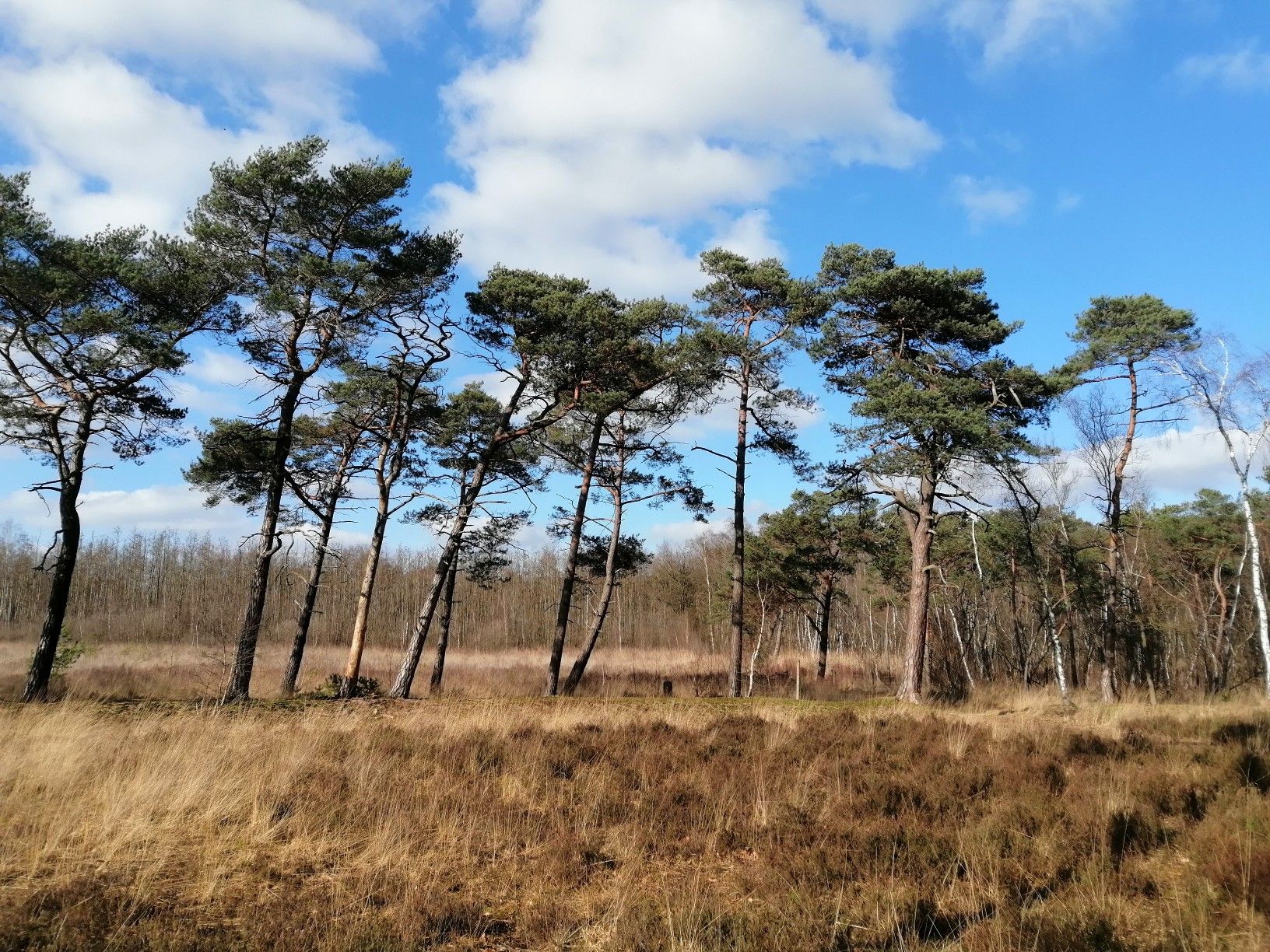
플랑드르에서 아르덴까지 — 벨기에 GR 5
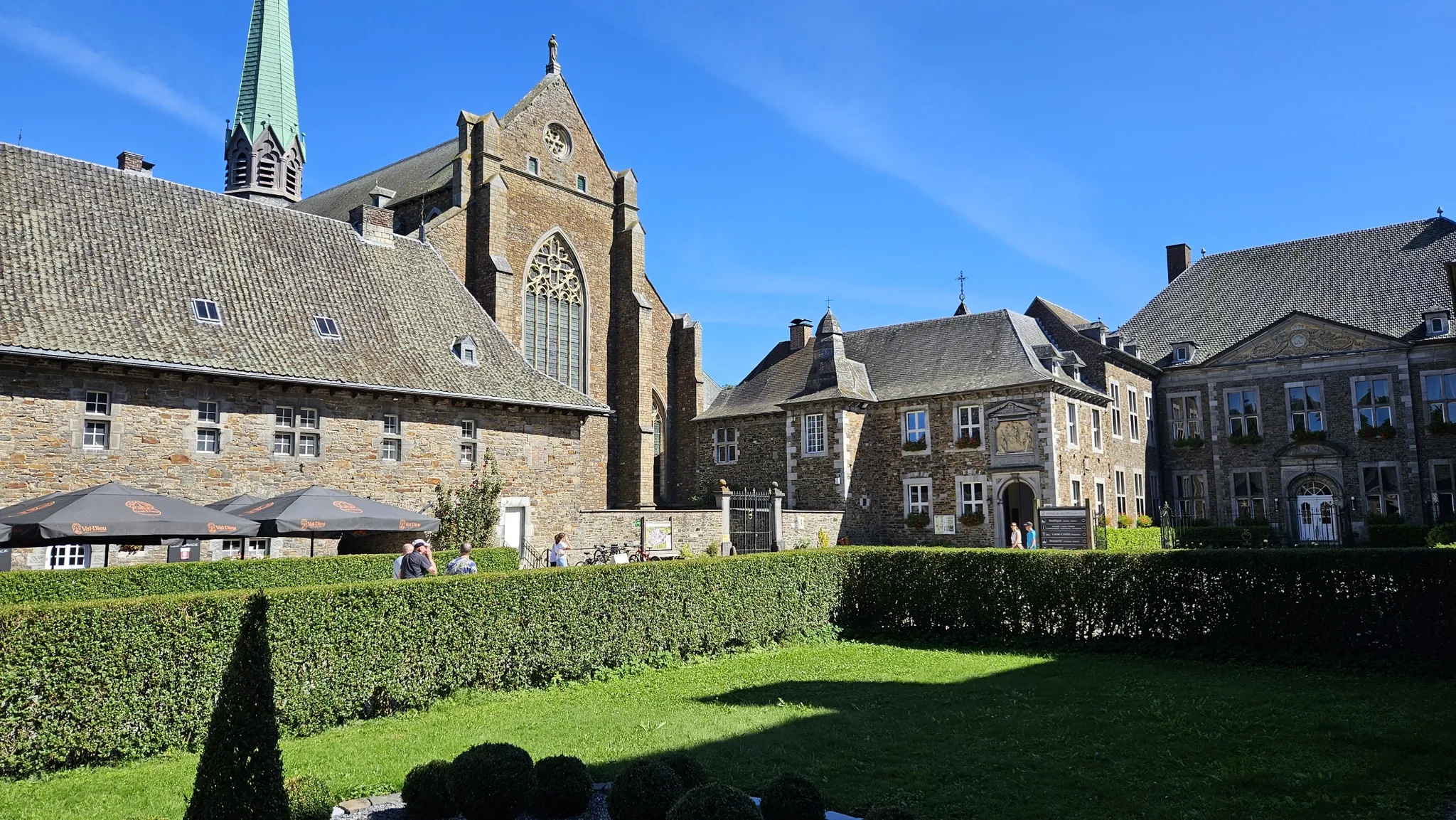
Entre bières et patrimoine — Véloroute des abbayes trappistes
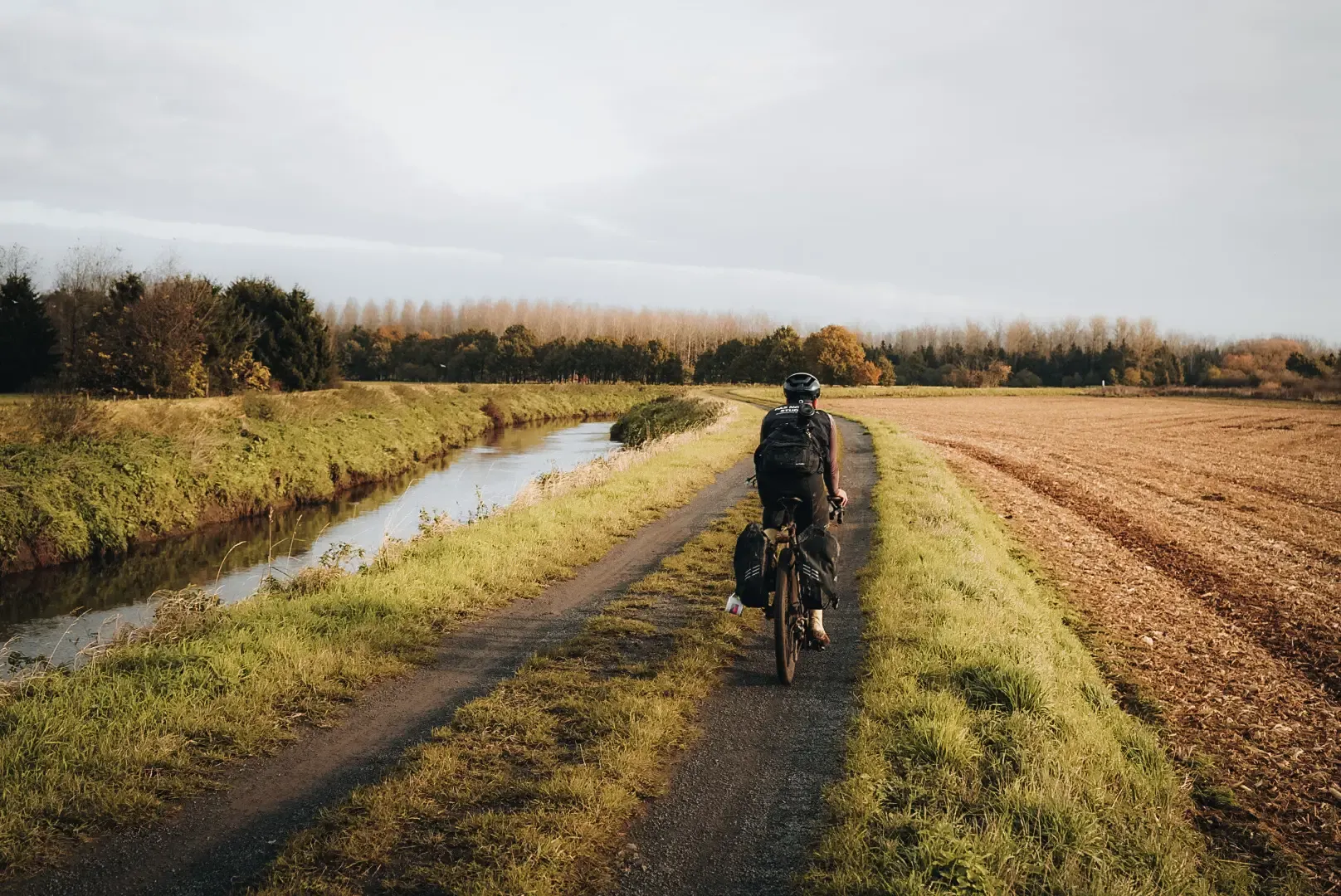
플랜더스 디바이드 - 플랜더스를 가로지르며
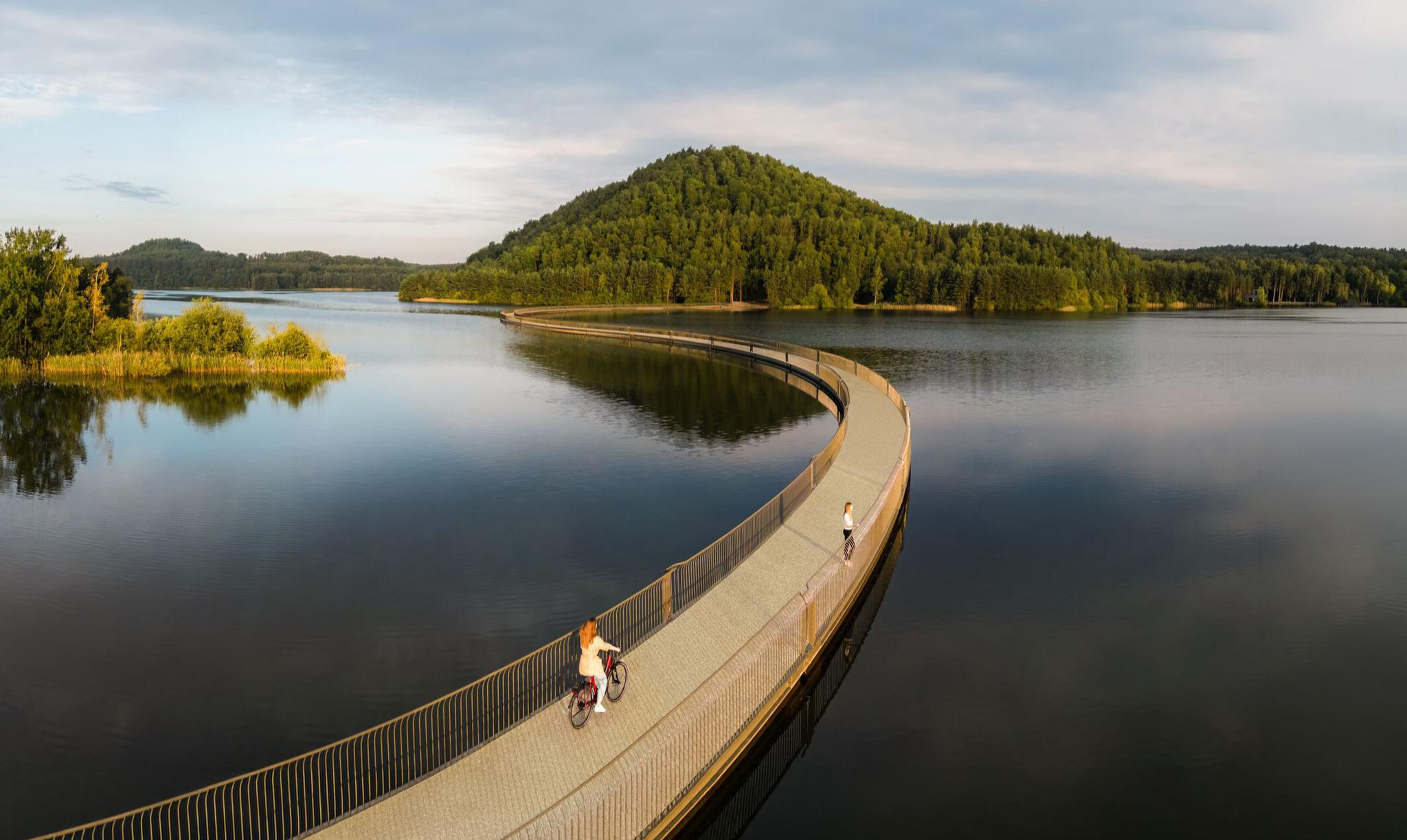
Three days through Belgian Limburg – art, heritage and views
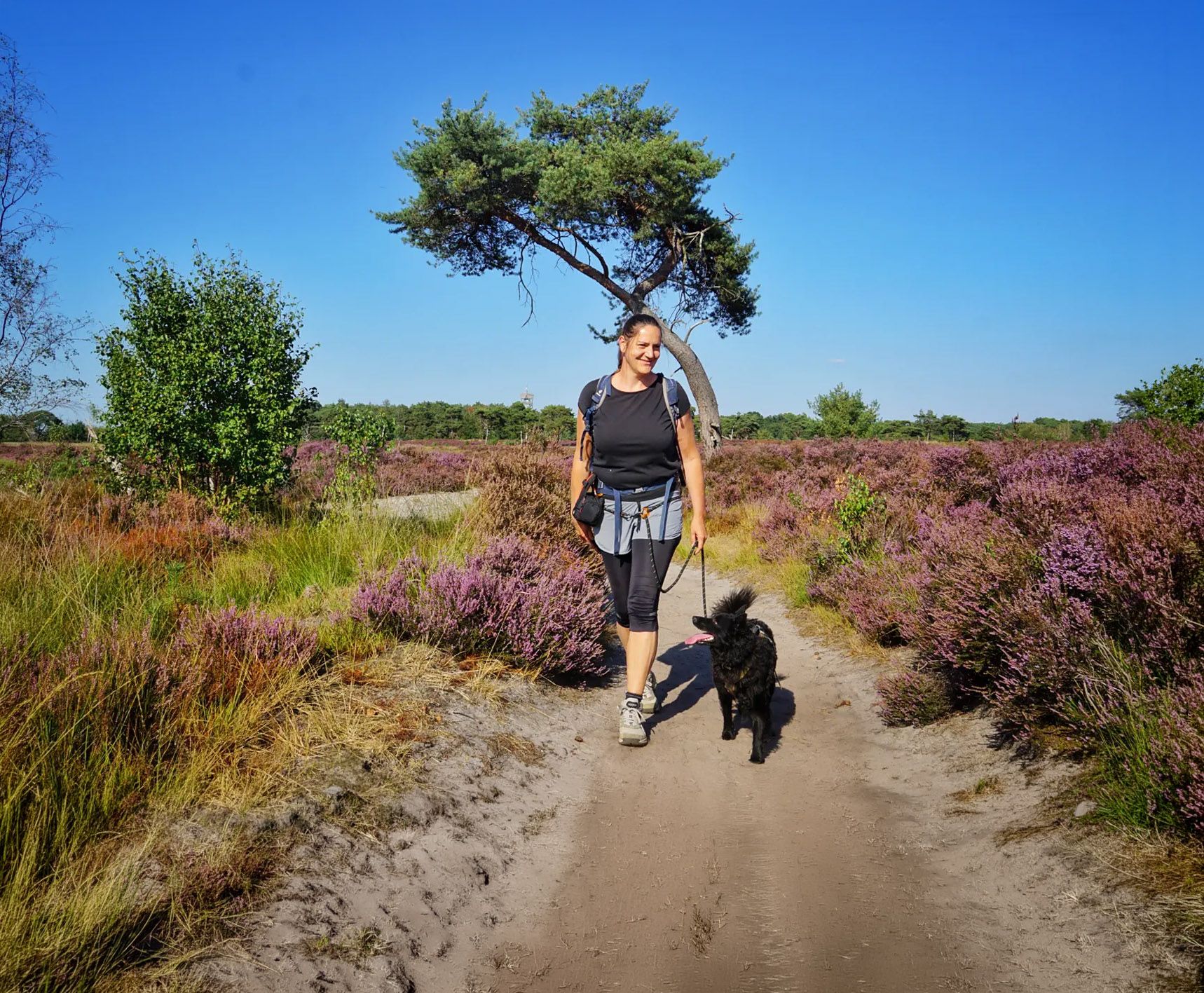
Purple trails and small discoveries – enjoyable hiking in Flanders
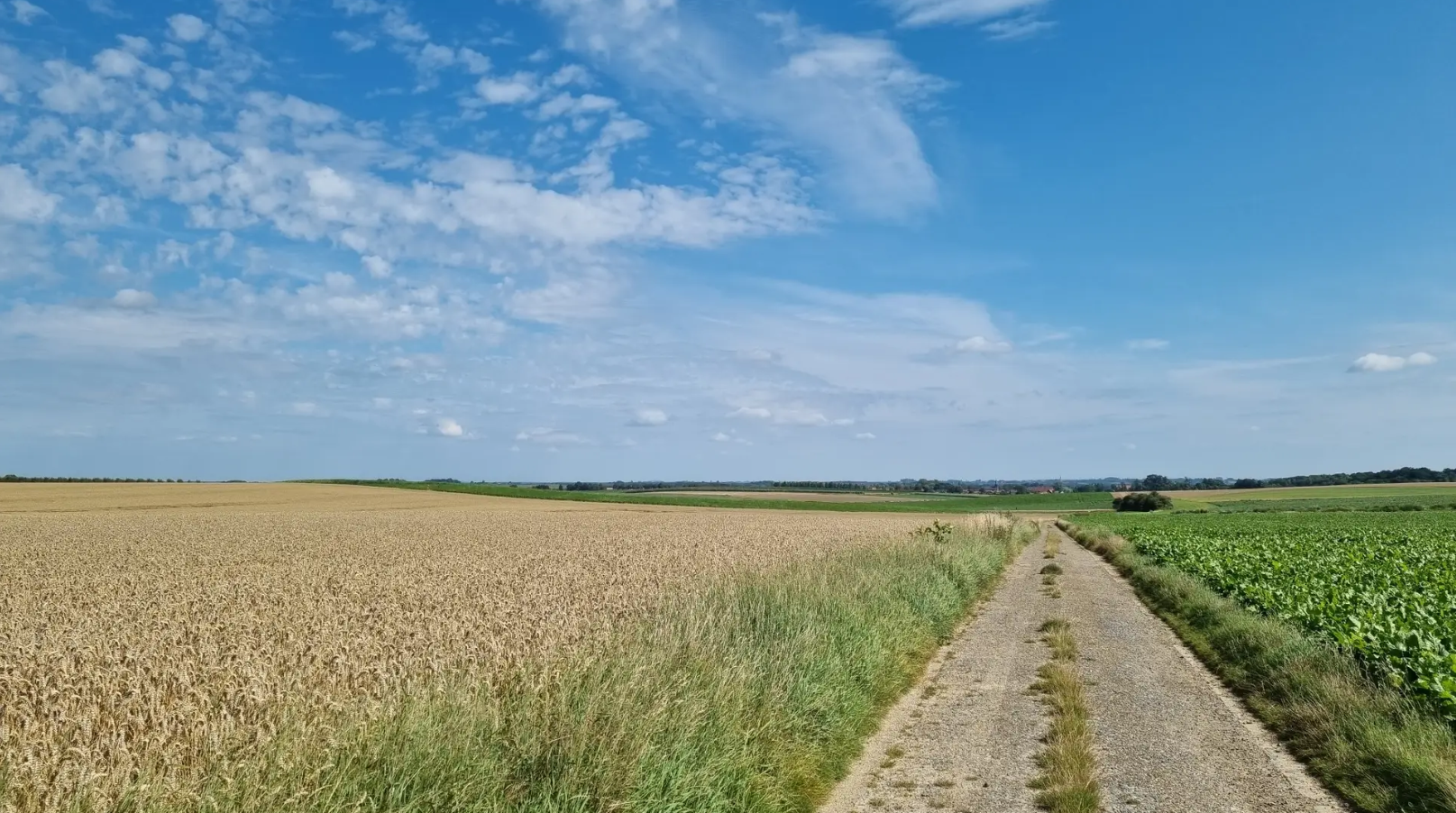
블로섬, 보센 엔 베르보르헌 에르프호드 – 스트레크-GR 하스펭고우
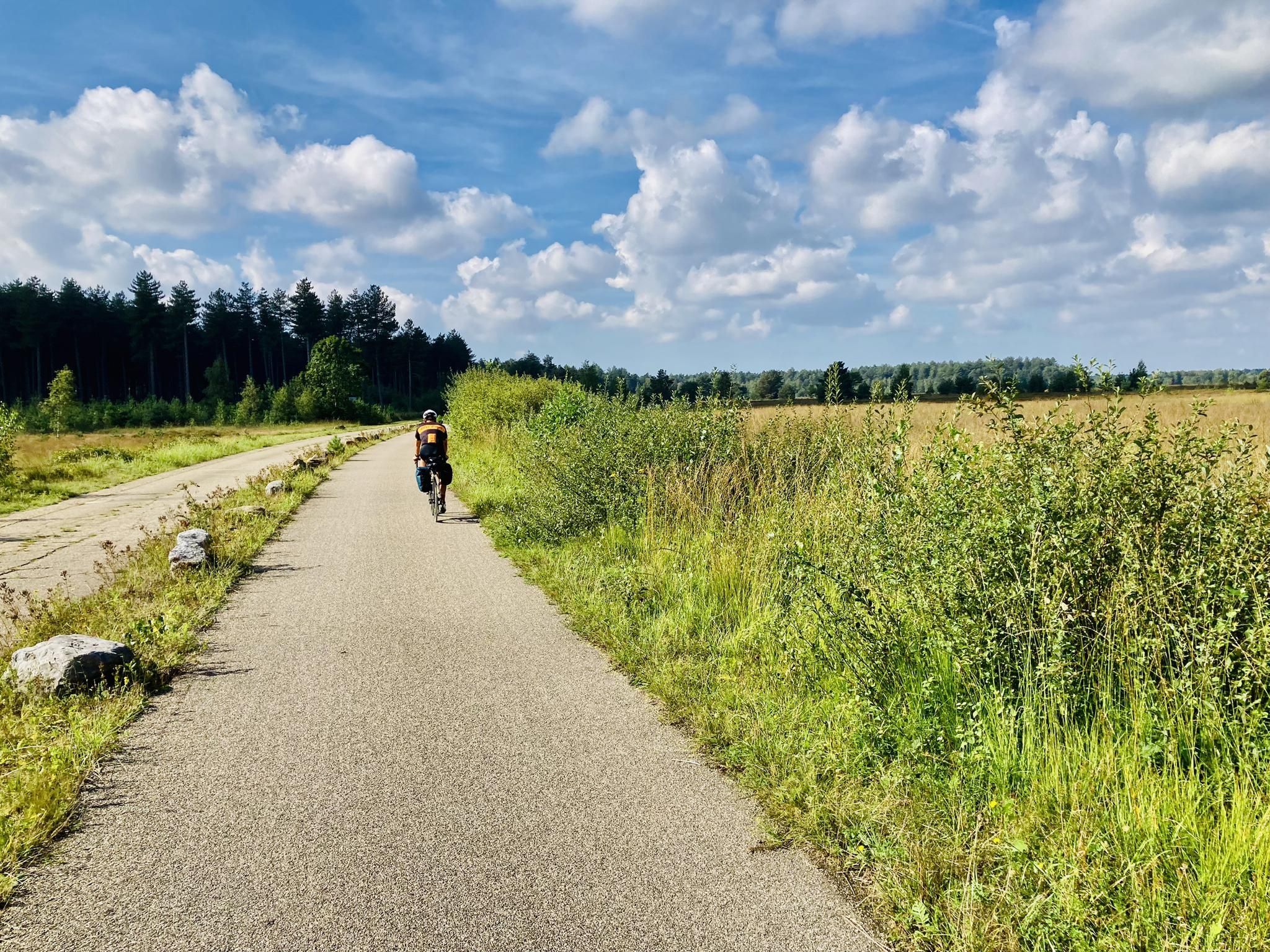
탐험 캠펜 - 캠펜 루트에서의 3일간의 자전거 모험
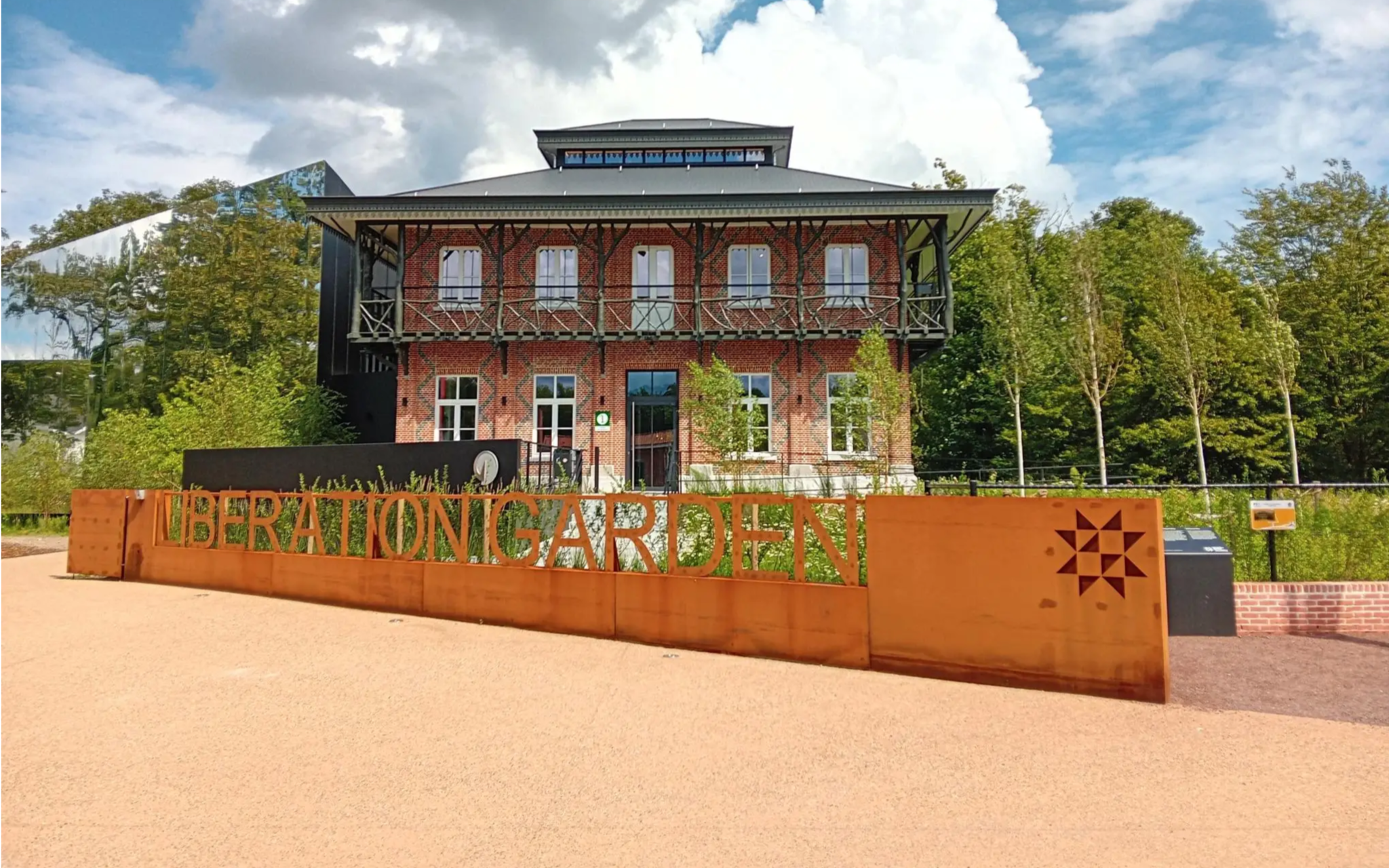
Operatie Market Garden – 스포르티브한 WOII 역사 수업
Flanders' Finest Cycle Routes: routes to discover Flemish nature and heritage
Treinstappers – from station to station in Flanders
하셀트 주변의 다른 모험


커뮤니티 팁


코젠 영주들의 성은 코젠, 비여르, 스테보르트 세 지자체가 만나는 곳에 위치해 있습니다. 엄밀히 말하면 성은 비여르 영토에, 농가는 코젠에, 헛간은 스테보르트에 있습니다. 과거에는 도로가 성지와 이 세 마을을 연결했습니다. 가장 오래된 코젠 영주들은 14세기에 살았던 반 베스마엘 가문입니다. 약 1400년경에는 디에스트 가문이 영지와 성을 소유했으며, 17세기에는 데 케르크헴 가문이 이곳을 다스렸습니다. 문 중 하나 위에는 가문의 문장이 두 번 새겨진 돌이 있습니다. 이 돌은 아놀드 데 케르크헴과 그의 사촌이기도 했던 그의 아내 안네마리 데 케르크헴이 살았던 시대를 나타냅니다. 17세기에는 성이 한동안 알덴 비센의 사령관에게 속해 있었습니다. 1699년부터 반 아페르던 가문이 이 영지를 인수했습니다. 그들이 마지막 코젠 영주입니다. 19세기 말에는 자켈라르라는 인물이 성을 소유했습니다. 그는 성을 개조하여 현재의 모습을 갖추게 했습니다.
4
0
This small castle is actually a neoclassical manor house with accompanying service buildings and a farm complex from the 19th century, situated in a wooded park in a landscape style with remarkable old oaks and beeches.
2
0

So-called "Nieuwenhoven Castle," a castle with farm buildings. Since the fourth quarter of the 13th century, it served as a playground and summer residence for the abbots of Sint-Truiden; fortified in 1329 by Abbot Adam van Ardingen; completely rebuilt in 1340 by Abbot Amelius van Schoonvorst; enlarged and renovated from 1521 to 1525 by Abbot Willem van Brussel; the current farm was built by Abbot Hubert Germeys (1612-1638), the castle by Abbot Jozef van Herck (1751-1780); Nieuwenhoven became the abbots' permanent residence primarily during the 18th century; after the French invasion, the property was sold. During the second half of the 19th century, renovation works were carried out in the English neo-Gothic style: a carriage house with stables between the castle and the farm, and a castle wing that burned down in 1932. Inventory of Immovable Heritage 2024: Nieuwenhoven Castle and castle farm https://id.erfgoed.net/erfgoedobjecten/23016
3
0

Nieuwenhoven Castle is situated in a beautiful, fertile location amidst forests and farmland. The castle has a cycling café, and visitors can stroll along the antennae trail on the private grounds.
5
0

Kiewit Castle (not to be confused with Kewith Castle) is a small castle in Kiewit, located in the Kiewit Nature Reserve. It is a neoclassical mansion, built in the second half of the 19th century. Originally, this was an estate with several small farms. In 1868, Hubert Dominique Vroonen bought this estate. His son Emile had the mansion built. A park in English landscape style was also constructed. In 1944, the castle was badly damaged. The domain with mansion was bought by the municipality of Hasselt in 1953, and it rented it to the diocese of Hasselt until 1970, which had a meditation center there. From 1970 to 1974, it was occupied by the Trappistine sisters. After this, it was transformed into a public park with, among other things, a petting zoo, and in 1976 it was opened to the public. The country house consists of three bays and has two floors and an attic floor under a mansard roof. The middle bay has an entrance and a balcony resting on pillars above the entrance doors. Behind the castle are service buildings and housing for the staff. Behind that is a semi-enclosed farm whose core dates from the 17th century and was originally built in half-timbered construction.
3
1


Nice playground on sand. A nice rest for children during a walk. Parents can eat something on the terrace of tavern Koe-vert.
10
0
하셀트 주변에서 가장 인기 있는 명소


찾고 계신 것을 찾지 못하셨나요?
하셀트의 최고의 성을 지역별로 탐험해보세요:
