베겔레벤에서 가장 멋진 16개의 동굴
성을 방문하는 건 언제나 특별한 일이에요. 하이킹을 하다가 잠깐 들를 때도, 가이드를 따라 제대로 둘러볼 때도 말이죠. 베겔레벤에 있는 아름다운 성 16
곳을 아래에서 살펴본 후에 마음에 드는 성을 다음 모험 때 만나보세요!
마지막 업데이트: 10월 10, 2026
슐로스베르크와 성 세르바티우스 수도원 교회(퀘들린부르크)
하이라이트 • 성
Opening …
번역자 Google •
팁에 의해

쿼들린부르크 성언덕 전망
하이라이트 • 성
Extensive renovation and construction work is …
번역자 Google •
팁에 의해

이런 장소를 발견하려면 지금 가입하세요
최고의 싱글 트랙, 봉우리 및 다양한 흥미로운 야외 장소에 대한 추천을 받아보세요.
퀘들린부르크 구시가지 (Altstadt Quedlinburg)
하이라이트 • 역사적 장소
번역자 Google •
팁에 의해

스피겔스베르게 사냥성
하이라이트 • 역사적 장소
번역자 Google •
팁에 의해

Schlossgarten Quedlinburg
하이라이트 • 전망대
번역자 Google •
팁에 의해

무료로 가입하여 베겔레벤 주변의 더 많은 성을 발견하세요.
이미 komoot 계정이 있나요?
오늘 무료 계정으로 시작하세요
다음 모험이 기다리고 있어요.
커뮤니티 팁

The castle was built between 1780 and 1782 on a rectangular floor plan. The Spiegelsberge were named after the poet Ernst Ludwig Christoph Freiherr von Spiegel zum Desenberg (1711–1785), manor owner and canon of Halberstadt, who made a significant contribution to reforestation. Under his leadership, the English-style Spiegelsberge landscape park was created in 1761, which has been open to the public since 1771 and owned by the city since 1904. The park is now part of the Saxony-Anhalt Garden Dreams network. Source: Wikipedia Unfortunately, the restaurant is now closed.
12
1

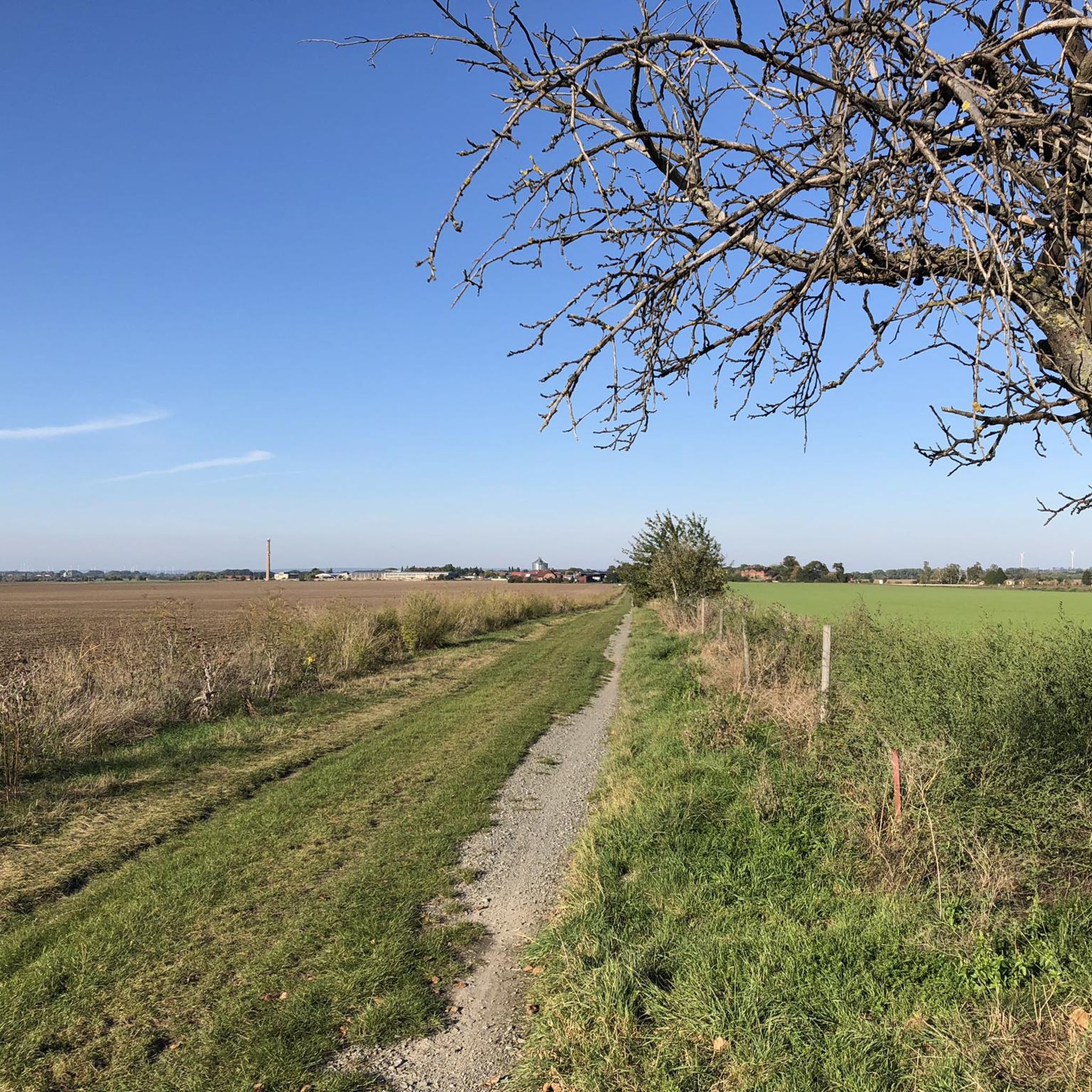
The Spiegelsberge hunting lodge in Halberstadt towers slightly above the city.
5
0

The Jagdschloss is a nice photo motif, and the view of Halberstadt is particularly worthwhile
6
0

Quedlinburg Castle rises up next to the St. Servatius Collegiate Church on the Stiftsberg hill, which impressively overlooks the World Heritage town of Quedlinburg. Extensive renovation and construction work is currently underway on the buildings of the former women's convent. Visitors will soon be able to enjoy a completely redesigned museum tour through the impressive ensemble of the collegiate church, church treasury and living and representation rooms. The castle museum is not open during the construction period, but the climb up the castle hill is still worthwhile. The St. Servatii Collegiate Church, with its important cathedral treasury and the burial place of King Henry I in the Romanesque crypt, can be visited. A walk through the collegiate gardens on the mountain plateau offers an enchanting view of the historic half-timbered town of Quedlinburg, which can also be enjoyed in the cozy atmosphere of the Schlosskrug restaurant.
9
0

The residential buildings of the castle, i.e. the palace, have been rebuilt many times over the centuries. Only the interior of the medieval castle at the time of the monastery's heyday has remained in its original form. The first stone residential buildings were probably built in the 10th century. In 1928, the city of Quedlinburg acquired the palace and opened the museum in the north wing on May 8, 1929. It is currently closed for renovation.
8
3

In the process of being renovated. You can still visit the exhibition.
7
1
For centuries, the abbey garden was the central connection between the world-famous Schlossberg and the Brühlpark, Quedlinburg's oldest park. From the 19th century it was only used for seed breeding and vegetable growing. Now the historic axis shines in new splendor. After several transformations, the abbey garden was sold to the former abbey gardener in the 19th century and has since been used for seed breeding, breeding research and horticulture. As a result, the historical axis was lost and the Brühlpark could only be reached via detours. With the project, the historic axis of the former abbey garden was restored and the Brühlpark was better connected to the much-visited historic old town. As in the past, a wide path leads from the foot of the Schlossberg directly to the central axis of the Brühlpark. Colorful flowerbeds to the right and left of the path refer to the more recent past of the abbey garden. The central water basin is reminiscent of the Baroque period: it corresponds exactly to its historical predecessor in terms of size and position.
3
0
The abbey garden is a listed garden in the city of Quedlinburg. It is one of the parks of the garden dreams of Saxony-Anhalt. The area in front of the gates of the city of Quedlinburg was already in use in the Middle Ages. It served as the garden of the abbess of Quedlinburg Abbey. In 1720 it was probably laid out as a garden. According to a plan from 1769, the garden was designed in the Baroque style. In the center of the complex was a large water basin. There were eight centrally located green spaces separated by pathways. Four of the areas were lawned, four with "boxwood foliage". The eight green areas were framed by bosquets, forest-like planted areas, which in turn were framed by hornbeam hedges. In addition, “golden boxwood balls” and “fir pyramids” cut in the shape of cones were described. In the surroundings there were vegetable patches, fruit trees, gooseberries and currant bushes.
4
0
베겔레벤 주변에서 가장 인기 있는 명소


더 살펴보기
다른 곳에서 최고의 성을 찾고 계신가요? 다른 가이드를 발견해보세요 베겔레벤 주변:
