운터프랑켄의 호프하임 최고의 라이딩 경로
4.8
(30)
297
자전거 타는 사람
35
라이딩
운터프랑켄의 호프하임에서 로드 사이클링을 하실 계획인가요? 운터프랑켄의 호프하임의 모든 로드 라이딩 중에서 가장 멋진 라이딩 장소를 엄선했으니 운터프랑켄의 호프하임에서 가장 마음에 드는 로드 사이클링 경로를 찾아보세요.
마지막 업데이트: 11월 10, 2026
4.9
(11)
33
자전거 타는 사람
49.1km
02:14
390m
390m
보통 도로 자전거 타기. 좋은 체력 필요. 투어 중 라이딩하기 어려운 비포장 구간이 있을 수 있음.
5.0
(1)
28
자전거 타는 사람
46.5km
02:02
290m
290m
보통 도로 자전거 타기. 좋은 체력 필요. 투어 중 라이딩하기 어려운 비포장 구간이 있을 수 있음.

5.0
(2)
24
자전거 타는 사람
27.2km
01:14
280m
280m
초급용 로드 라이딩. 지면 대부분이 잘 포장되어 있고 라이딩하기 쉬움.
5.0
(1)
18
자전거 타는 사람
36.5km
01:39
380m
380m
보통 도로 자전거 타기. 좋은 체력 필요. 지면 대부분이 잘 포장되어 있고 라이딩하기 쉬움.
5.0
(1)
21
자전거 타는 사람
초급용 로드 라이딩. 지면 대부분이 잘 포장되어 있고 라이딩하기 쉬움.
더 다양한 경로와 다른 탐험가들의 추천을 살펴보세요.
이미 komoot 계정이 있나요?
투어 추천은 다른 사람들이 komoot에서 완료한 수천 개의 활동을 바탕으로 구성되어 있습니다.
오늘 무료 계정으로 시작하세요
다음 모험이 기다리고 있어요.
운터프랑켄의 호프하임 주변 인기 장소
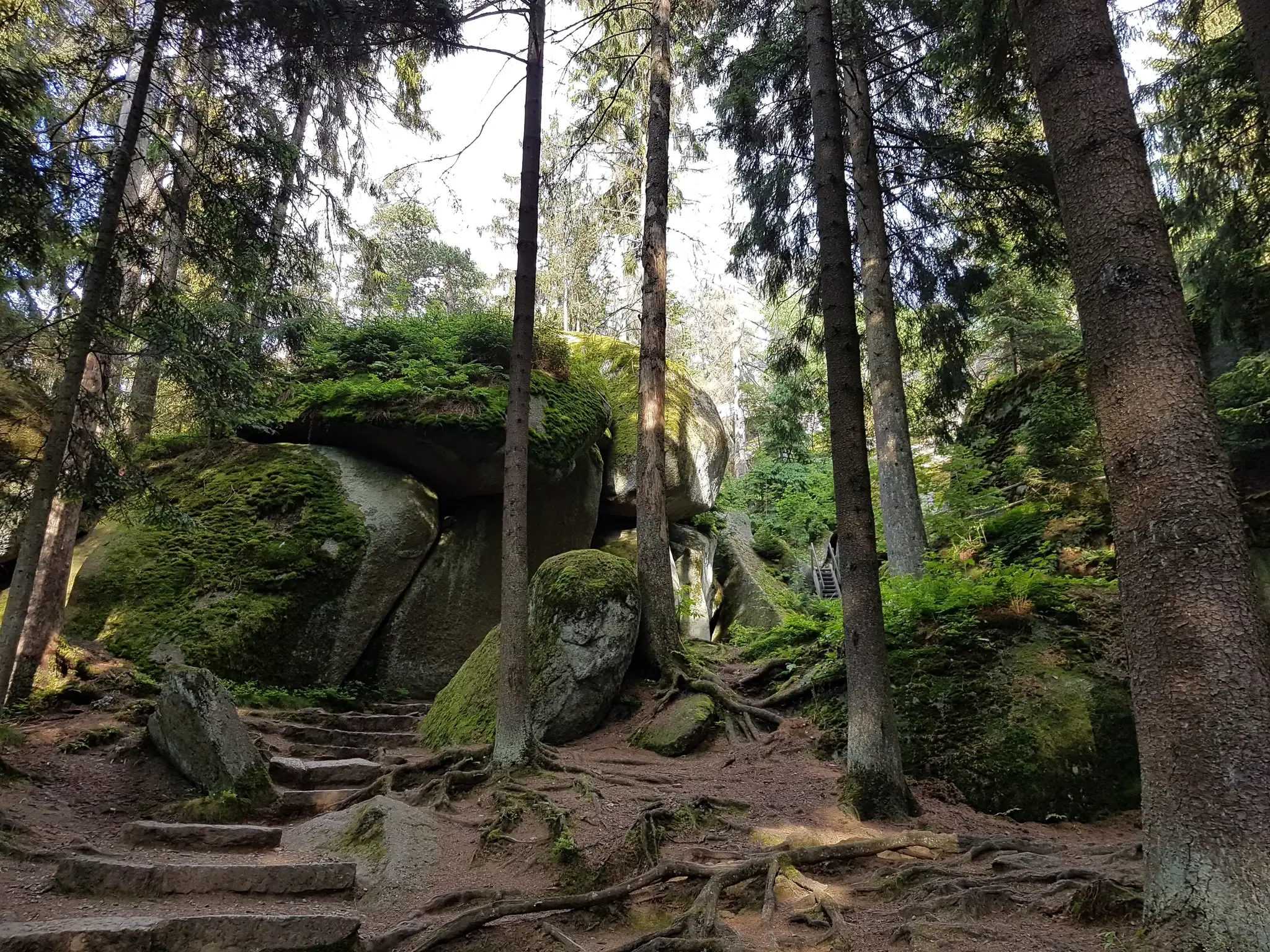
Nature, the outdoors and adventure – hiking through the VGN's nature parks
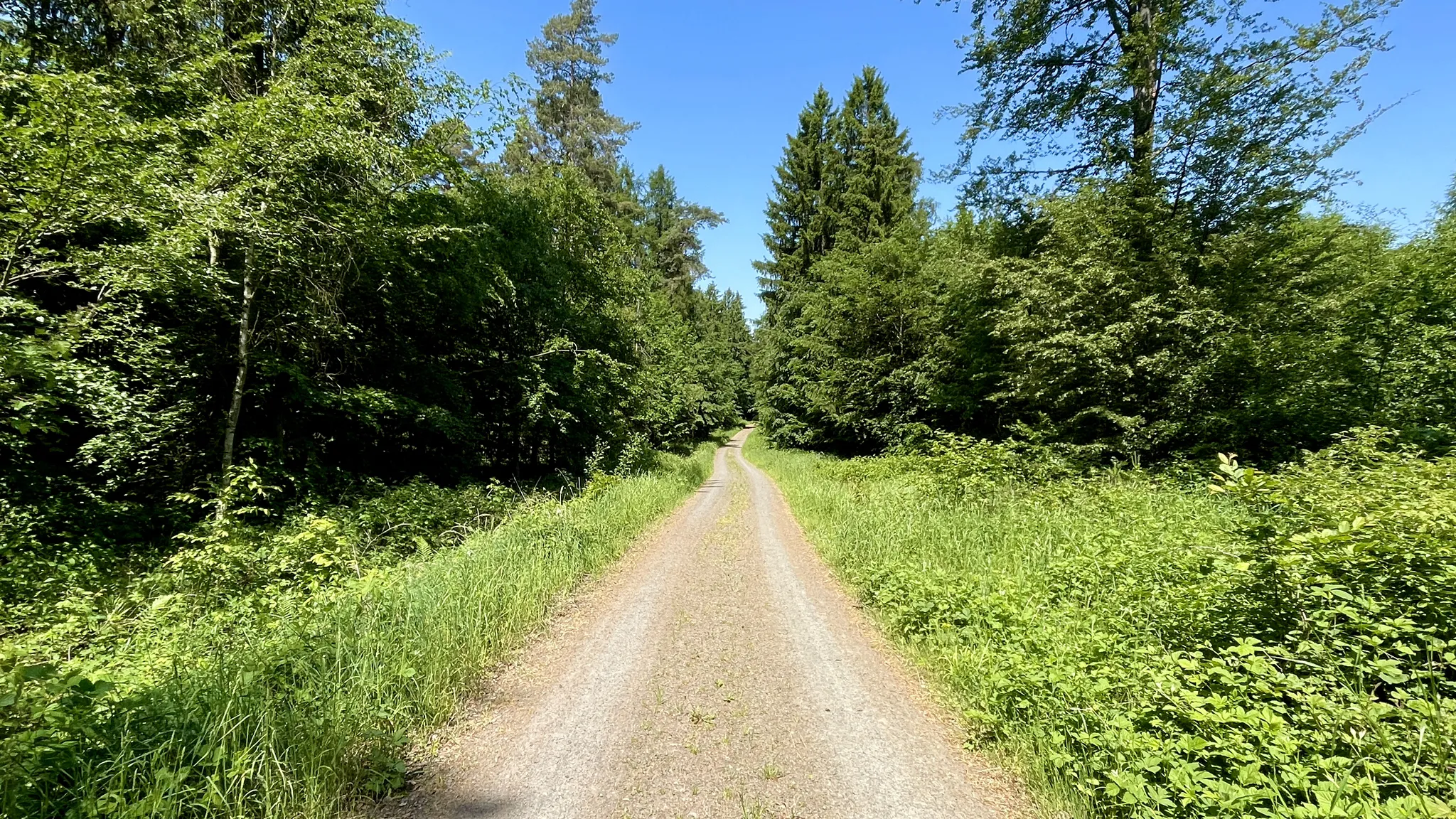
스트레스를 자연과 침묵으로 바꾸세요 – Rennweg(하스베르게)

All aboard for summer hiking with Germany’s VGN
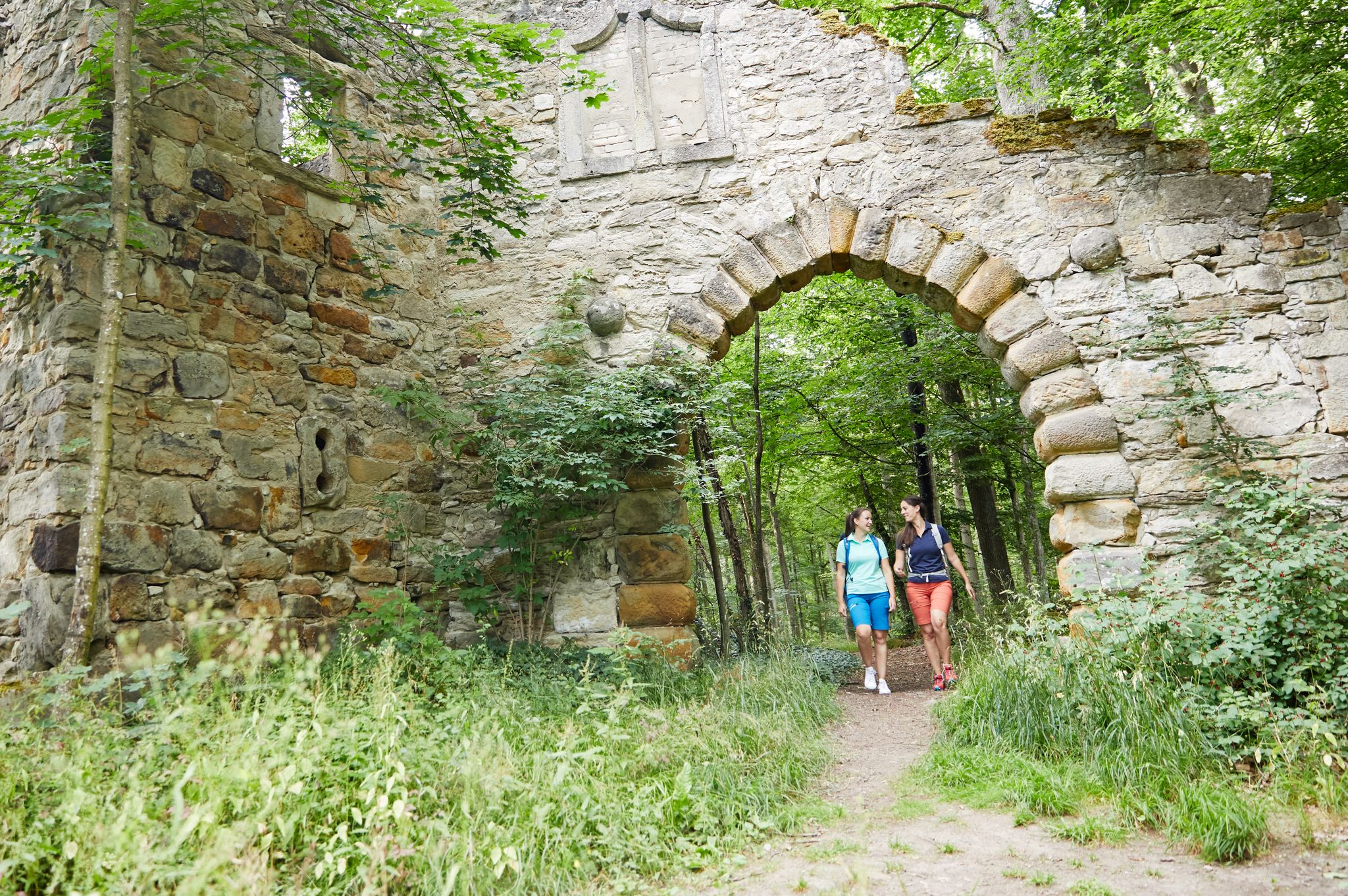
Full of views and fun – VGN leisure tips 2022
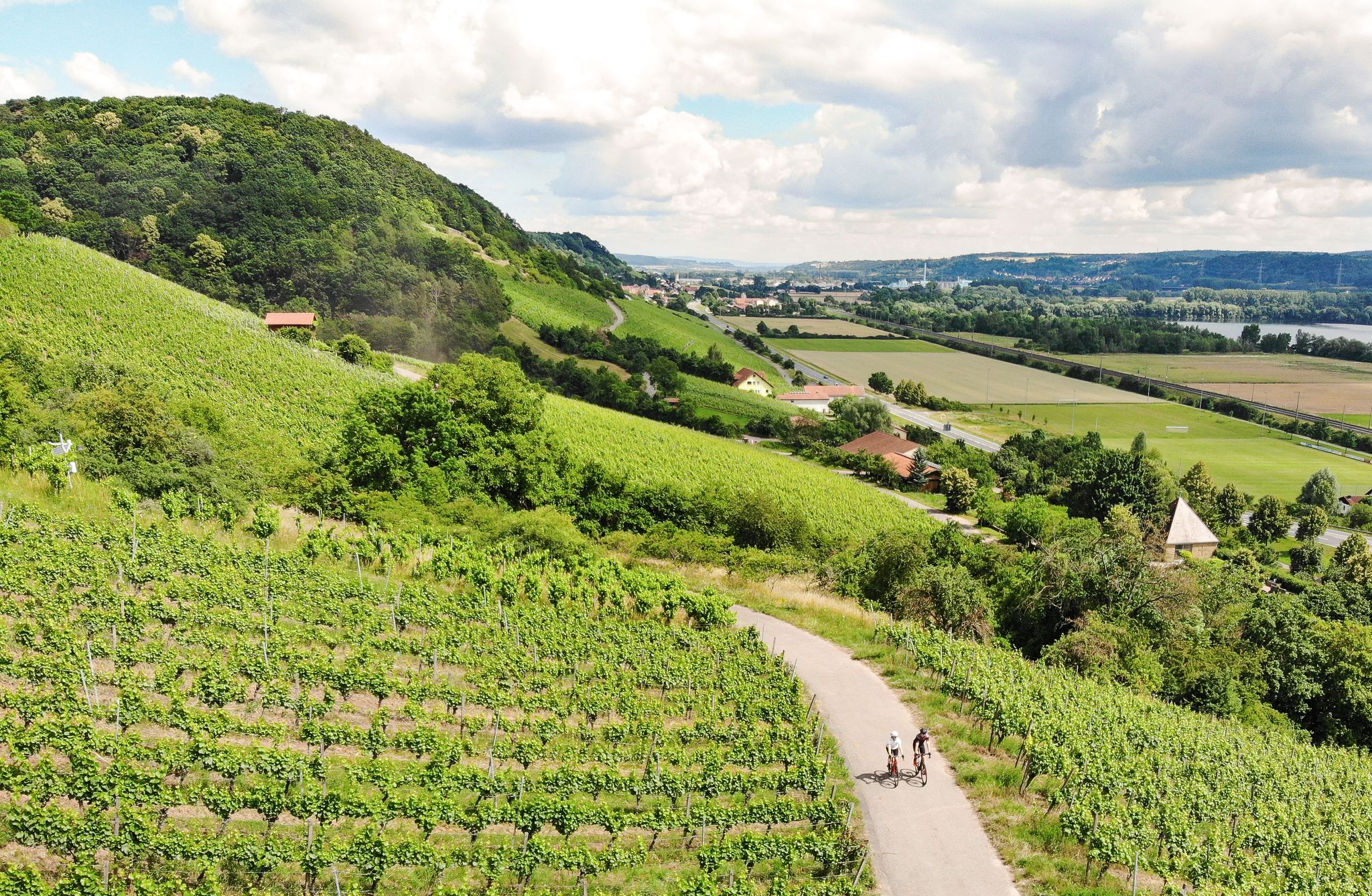
Castles, beer and wine — beautiful rides in the Hass mountains

Wine, woods & walking trails — Best of VGN hiking tips

Explore southern Germany – hiking and biking with the VGN
운터프랑켄의 호프하임 하이킹
운터프랑켄의 호프하임 사이클링
운터프랑켄의 호프하임 MTB 트레일


커뮤니티 팁

Old train station in Hofheim with a few rail vehicles and a small railway museum.
0
0

21세기의 대중교통 직접 해보세요 🚴♂️ 🚴♂️ 🚴♂️
1
0

In Hofheim, cyclists first encounter the former station building. The Haßfurt–Hofheim railway line was a single-track, 15.49-kilometer-long branch line from Haßfurt to Hofheim in Lower Franconia. Locally, it was also known as the "Hofheimerle." The line was closed in 1995 and sections of it have been converted into a railway cycle path, which forms part of the Haßfurt–Meiningen cycle route.
15
0

Friesenhausen Castle was built as a moated castle in the 13th/14th century.
12
4

Architectural History of Friesenhausen Castle Around the year 1300, several local lords held sway in Friesenhausen simultaneously. A Gothic moated castle in a small lake existed from approximately 1300 to 1741 and was at times owned by the Truchseß von Wetzhausen family. Traces of this family can still be found in the Protestant Church of St. George. The Gothic lake castle, however, was demolished in 1741, and the lake was filled in with the rubble. The present Renaissance-Baroque castle in Friesenhausen also originates from a Gothic castle, which, however, did not stand in the adjacent lake but was surrounded by a moat. Around 1563, the married couple Schenk von Ostheim-Steinau von Steinrück built a Renaissance castle over the Gothic moated castle, incorporating the castle courtyard. The conversion to a Baroque castle and further construction work were carried out under the Würzburg Cathedral canon Johann Philipp Fuchs von Dornheim and the Lords von... Dalberg, who embellished the entire complex with numerous additions such as the gate and the equestrian statues. In 1940, Franz Karl Prince zu Salm-Salm acquired the castle, but resided there only temporarily. As early as 1938, it had served as quarters for women of the Reich Labor Service, later as accommodation for prisoners of war, a military hospital for wounded German soldiers, and finally as a transit camp for expellees from Silesia and the Sudetenland. Subsequently, Caritas Würzburg established a retirement home there, which remained in operation until March 1957. After this intensive use, the building stood empty for 16 years, which is why Prince Salm sold the urgently needed renovation of the castle to the von Eichborn family in March 1973. You can read the detailed, richly illustrated architectural history in our newly published 2016 art guide. http://www.schloss-friesenhausen.de/baugeschichte.html
2
4
Gossmannsdorf Church Market Square 1 97461 Gossmannsdorf Telephone (09523) 5033710 Website: info@hassberge-tourismus.de Of the old church, which was built a century earlier, only the ground floor remains to this day, making it the oldest monument in our village. After the village was elevated to parish status, the hill on which the church stands overlooking the village was fortified with a fortified church complex. This defensive structure had four towers. It served as a safe haven for the villagers in times of war. From 1601 to 1610, Prince-Bishop Julius Echter had the church tower raised by two stories and topped with its tall spire. Following the plans of Joseph Greissing, a student of the famous Würzburg architect Balthasar Neumann, Johann Georg Bierdümpfel, a native of Gossmannsdorf, built the current nave in 1716. The church's interior originally consisted of Gothic winged altarpieces, which were replaced by Baroque altars in the 18th century. The church owes its current, exceptionally valuable furnishings to the dedication and artistic appreciation of Pastor Dr. Ludwig and the generous congregation of that time. The Baroque high altar was acquired from Stadtlauringen in 1894. The beautiful side altars came from the town church of Schweinfurt and were previously located in the Carthusian Church in Würzburg. They are the work of Peter Wagner, the last great Rococo sculptor of Würzburg. Their great artistic value is evident from the fact that the Minister of Culture, von Müller, intended to purchase the altars for the new National Museum in Munich. https://www.gossmannsdorf-hassberge.de/verzeichnis/mandat.php?mandat=141763
1
1
운터프랑켄의 호프하임 주변에서 가장 인기 있는 명소


더 살펴보기
다른 지역의 최고의 로드 사이클링 경로를 살펴보세요.
