20의 자이젠하우젠가지 명소 & 주요 장소
자이젠하우젠에는 둘러볼 만한 장소가 많답니다. 하이킹 또는 사이클링을 좋아한다면 자이젠하우젠에 숨겨진 20
가지 보석을 만날 수 있을 거예요. 이 지역의 주요 명소를 살펴보면서 다음 모험을 계획해보세요.
마지막 업데이트: 9월 12, 2026
마울브론 수도원 (유네스코 세계문화유산)
하이라이트 • 역사적 장소
번역문 보기
팁에 의해


이런 장소를 발견하려면 지금 가입하세요
최고의 싱글 트랙, 봉우리 및 다양한 흥미로운 야외 장소에 대한 추천을 받아보세요.

브레텐 시장 광장과 팔라티네 백작 분수
하이라이트 • 정착지
Next to the fountain stands the Gothic Melanchthon House, named after a contemporary of Luther.
번역자 Google •
팁에 의해


무료로 가입하여 자이젠하우젠 주변의 더 많은 명소를 발견하세요.
이미 komoot 계정이 있나요?
오늘 무료 계정으로 시작하세요
다음 모험이 기다리고 있어요.
자이젠하우젠 주변 인기 장소
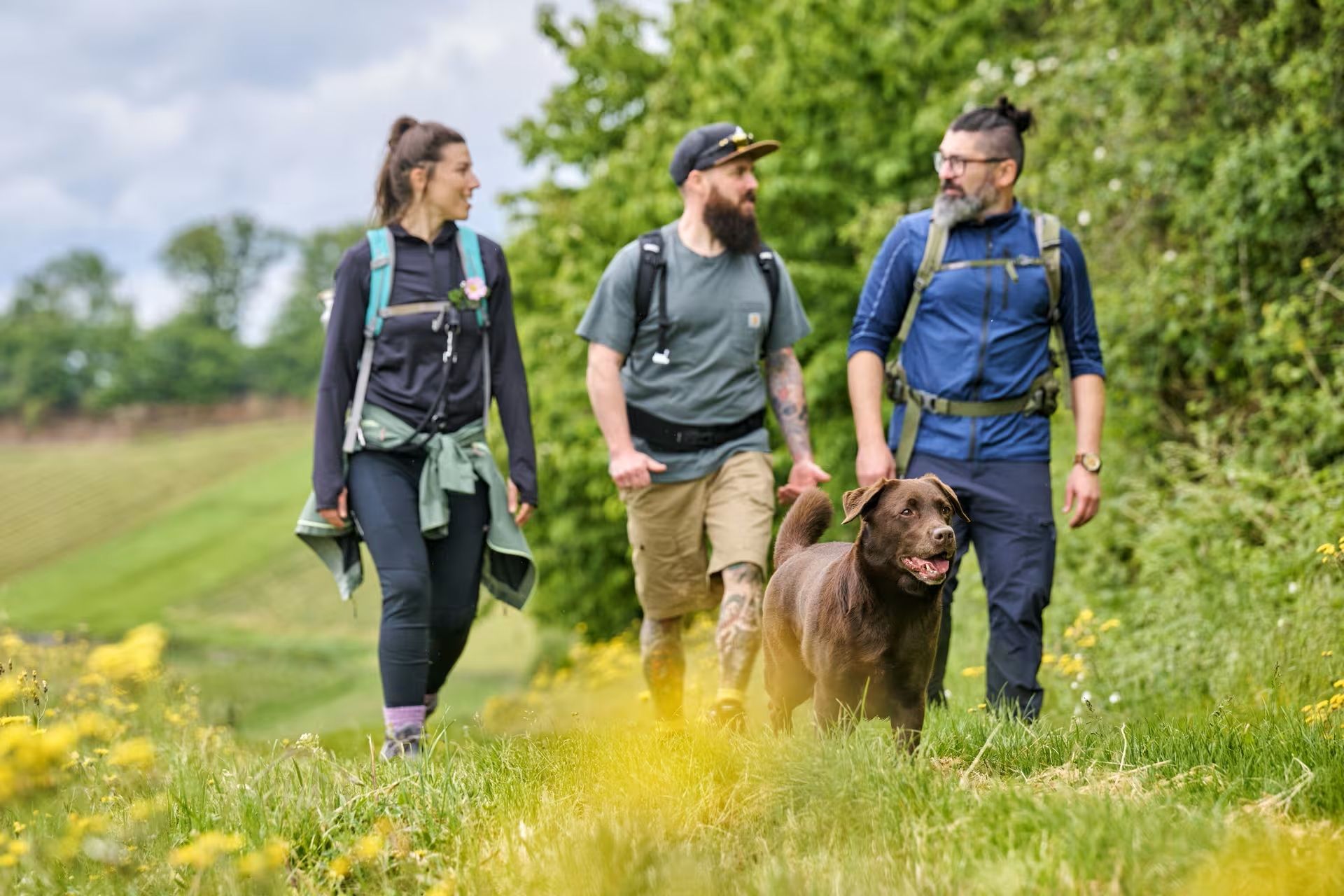
The Land of 1,000 Hills by bus and train – car-free hiking adventures
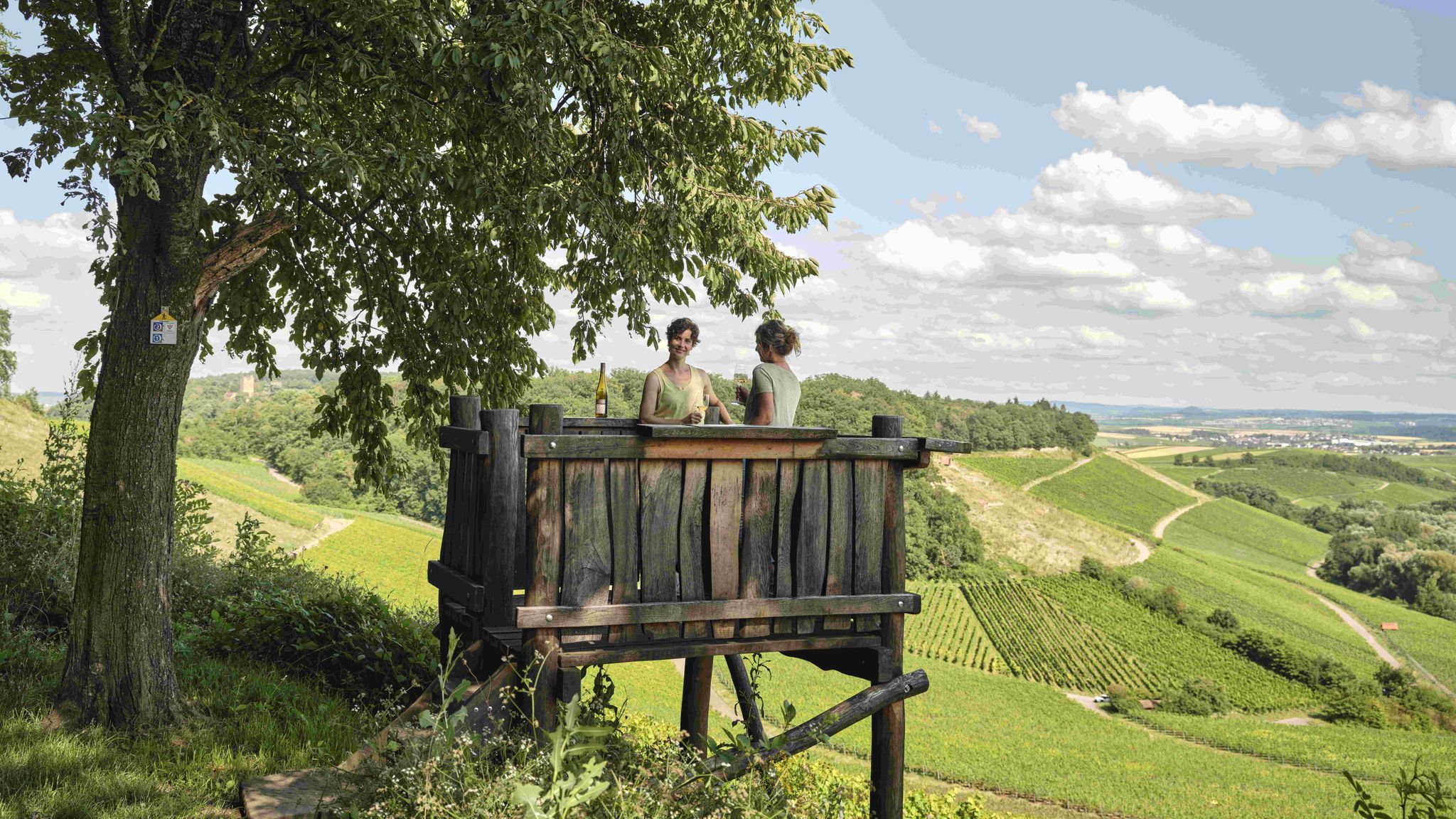
Genusswandern: Auf Wein(wander)wegen durch das Land der 1000 Hügel
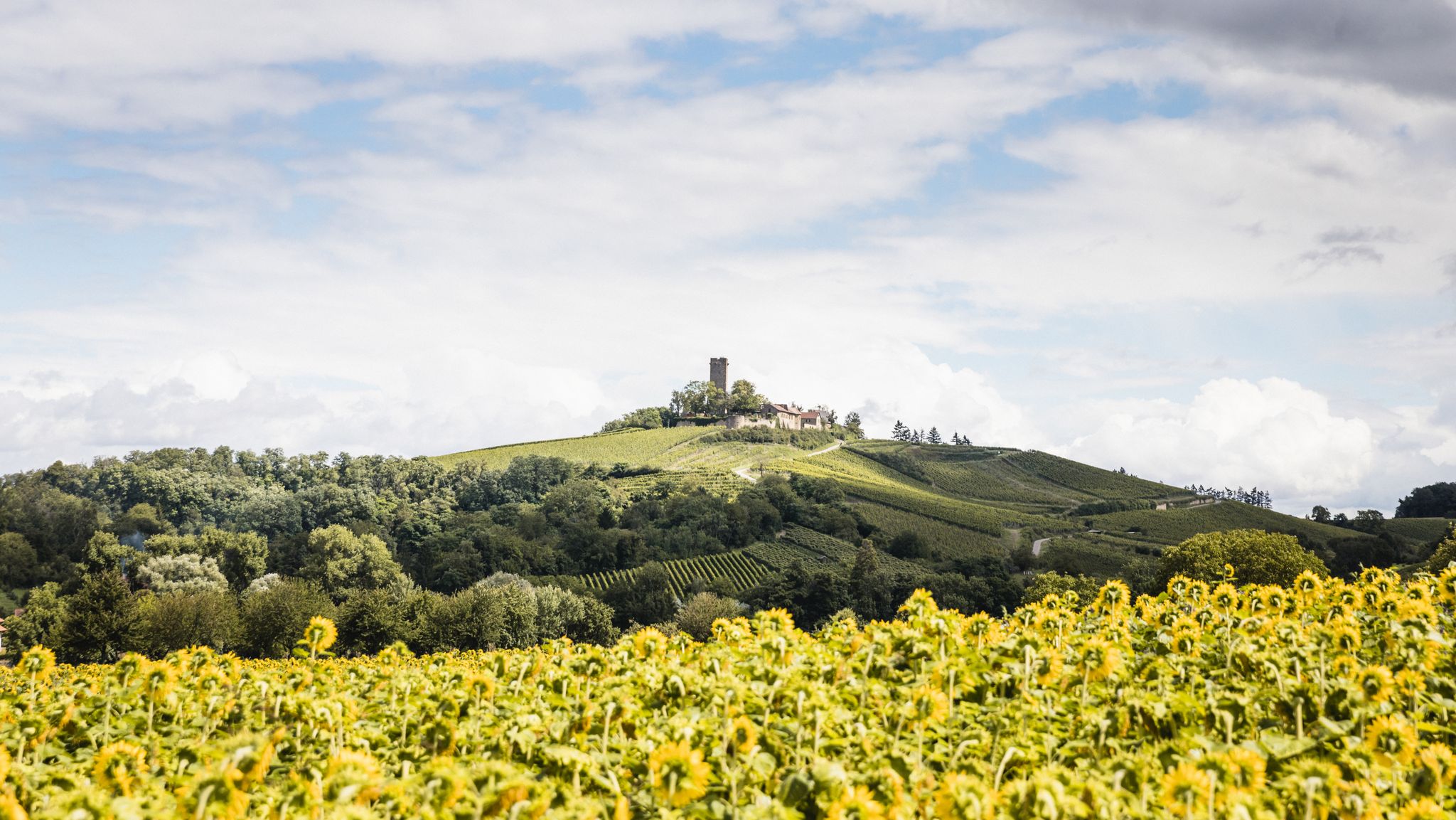
Wein, Wälder und Ruhe: Wanderungen in Sulzfeld und Zaisenhausen
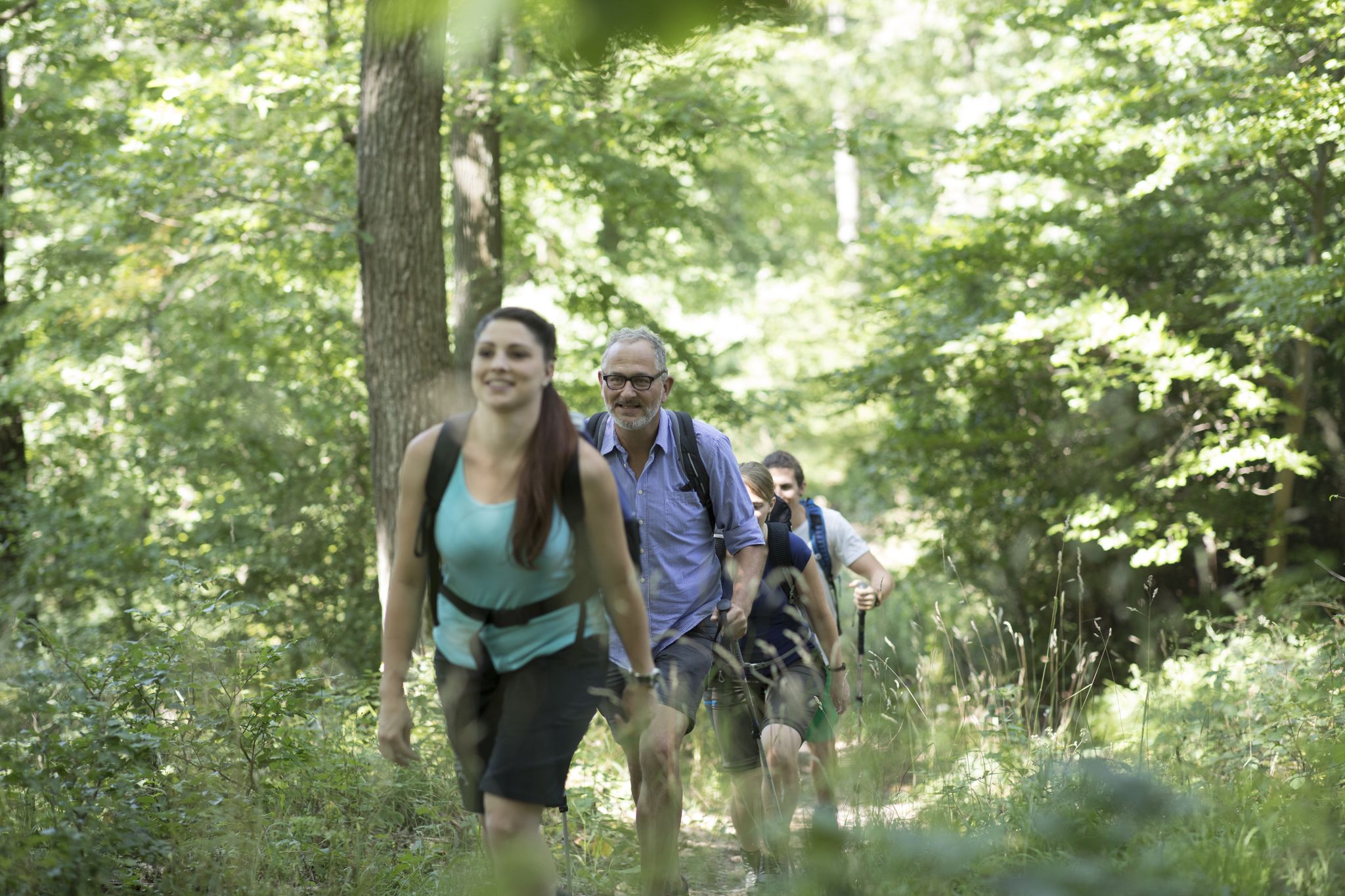
Wander3Klänge: Einfach Los Wandern im Naturpark Stromberg-Heuchelberg
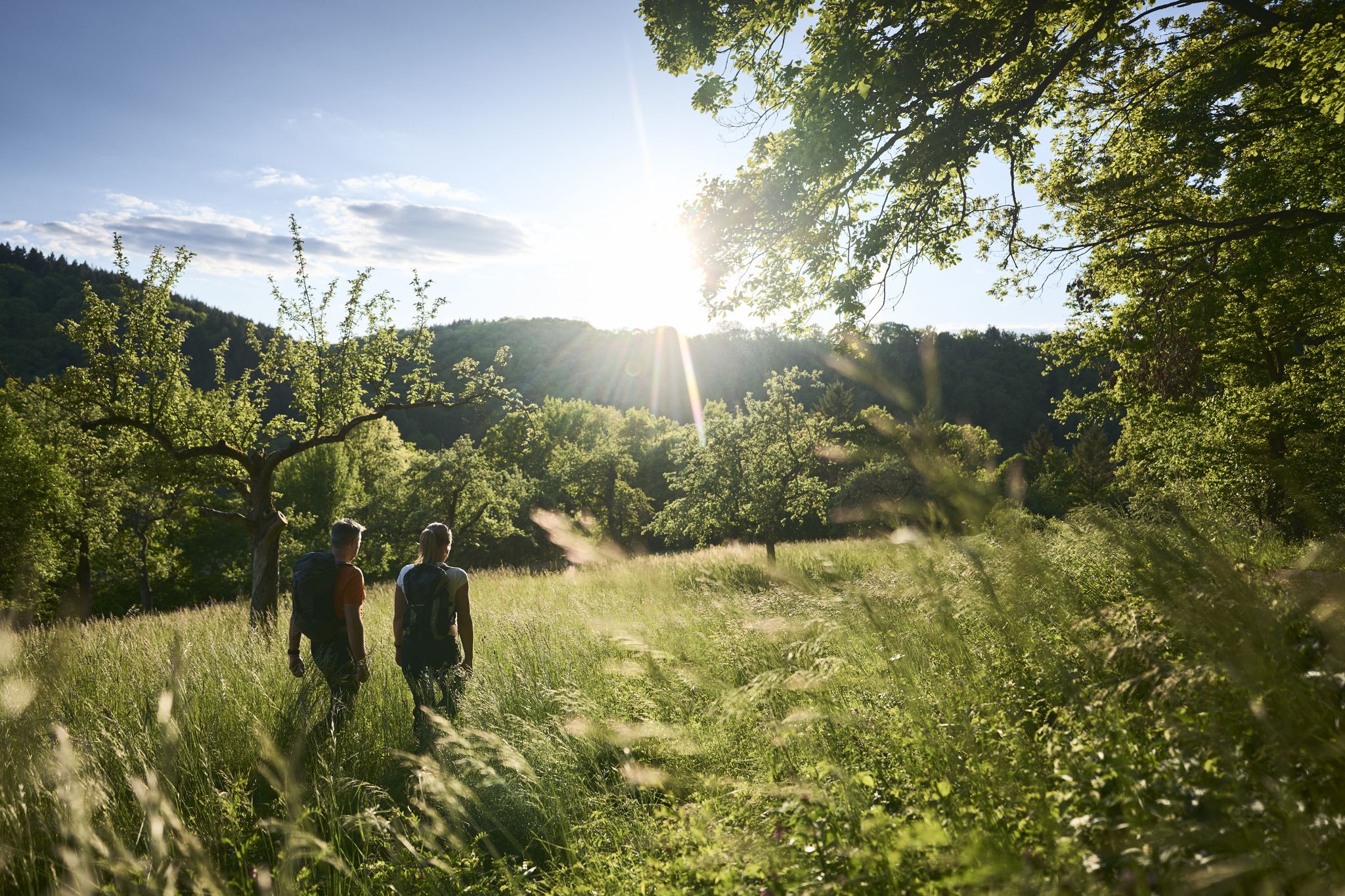
Zu Fuß durchs Land der 1000 Hügel
자이젠하우젠 로드 사이클링 경로
자이젠하우젠 하이킹
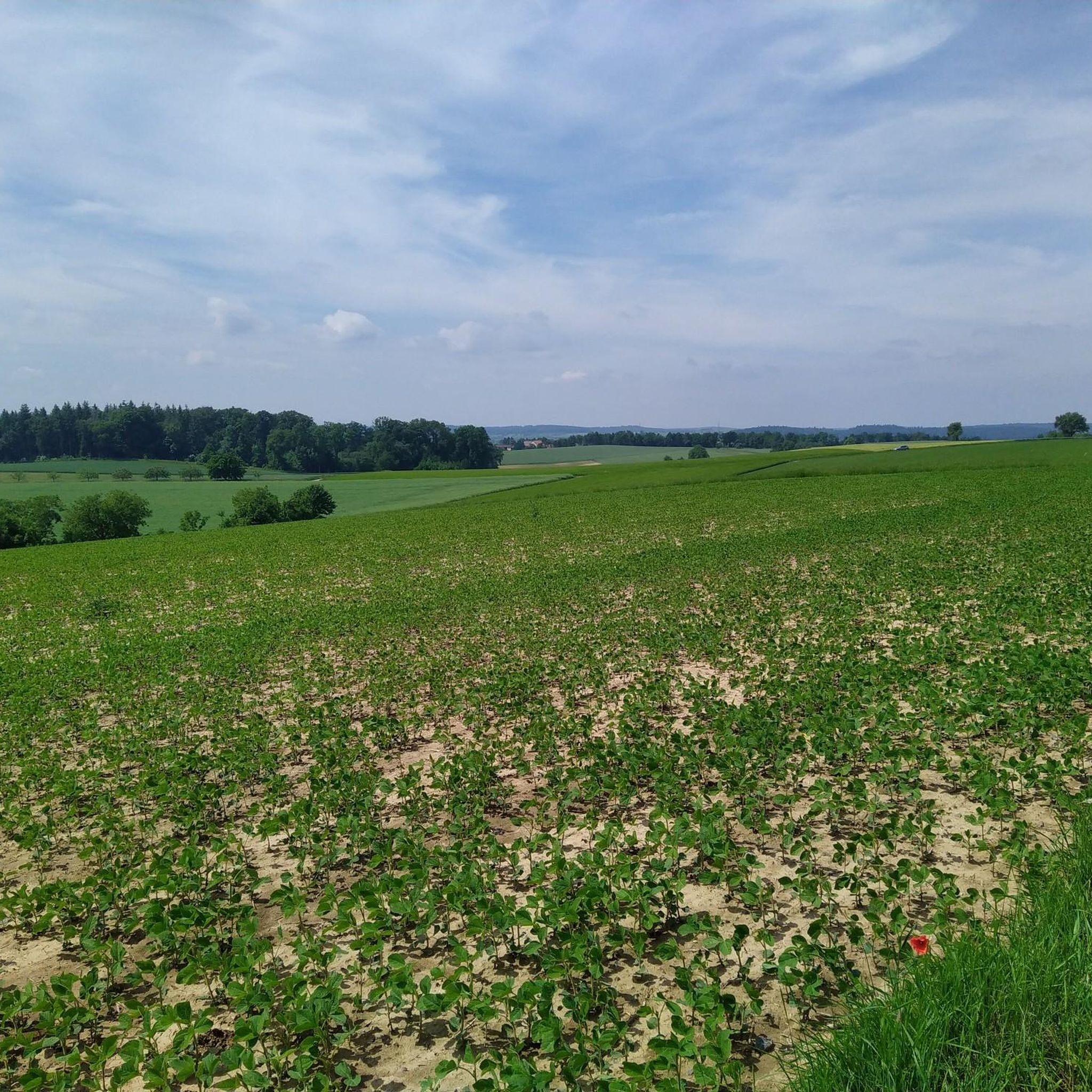
자이젠하우젠 사이클링
자이젠하우젠 MTB 트레일
자이젠하우젠 주변 그래블 라이딩
자이젠하우젠 주변의 다른 모험

커뮤니티 팁

Beautiful market square with restaurants and cafes.
6
0

When you walk around the lake you have to cross a few bridges.
8
1
A small forest lake in the Stromberg-Heuchelberg Nature Park with beautiful rest areas by the lake. Forest trail and bird trail on and around the lake.
16
1

Worth seeing old town with a beautiful market square and good gastronomy!👍🏻
5
0

Many old half-timbered houses and cozy restaurants
6
0

The lake is primarily used for flood protection on the Zaber. In summer, swimmers and other people looking for relaxation visit the lake with its bathing beach; Anglers can catch pike, zander and perch there, as well as rainbow trout, carp, tench, bream, catfish and eel. Sailing and motor boating, on the other hand, are prohibited on the lake. Walking and hiking trails of different lengths touch the Ehmetsklinge, including a 6.5 km long circular lake trail, which also connects it with the Katzenbachsee, which is almost 2 km to the east. A forest and tree as well as a wine educational trail also run near the lake. There are some inns by the lake. In May 2009, the new nature park center of the Stromberg-Heuchelberg nature park opened its doors on the lake shore. The lake was created between 1968 and 1970, inaugurated in June 1970 with a lake festival, and expanded in 2000 and 2001. EnBW, the operating company of the Neckarwestheim nuclear power plant, initiated the enlargement of the lake; Low water in the Neckar during the summer and legal requirements had previously led to a lack of cooling water in the reactor at this time of year, which now hardly ever occurs. In the north-eastern area near the dam it has a fairly constant width of around 250m, further up it branches into two peaks that reach into the valleys of Zaber in the south-west and Ehmehtsklingenbach in the west and reaches its greatest length of around 600m at the tributary of the latter. With normal traffic jams, the surface of the lake is 232m above sea level. NN. The expansion increased the crest height of the dam structure on the air side from 12.50m to 15.05m, the crest length of the dam from 320.50m to 335.50m, the water depth from 4.80m to up to 8m with permanent waterlogging, the water area from 7, 3ha to 13.8ha, the storage volume from 190,000m³ to 590,000m³. Annually from August 15th to December 31st, the Neckar can now be supplied with an additional volume of water of up to 400,000 cubic meters via the Zaber to compensate for the evaporation caused by the operation of some thermal power plants on its banks, but the flood protection in Zabergäu and the Increasing the water level in case of low water in the Zaber. During the expansion, around 10 hectares of arable land were converted into meadows, trees and shrubs were planted and the front dam was designated as a biotope. The costs for this and for a number of other measures were borne by the operators of a number of thermal power plants on the Neckar under the management of the Neckarwestheim nuclear power plant.
10
0

founding Under the aegis of Abbot Bernhard von Clairvaux, the Cistercian order also became very popular in today's Germany. In south-west Germany, the Edelfreie Walter von Lomersheim was infected by the enthusiasm. He donated his Eckenweiher heritage between Mühlacker and Lienzingen to found a Cistercian monastery, which he intended to join as a lay brother. For this purpose, the Neuburg monastery in Alsace sent an abbot and twelve monks - as it is called after the number of apostles. The refoundation of this monastery was entrusted to Abbot Dieter of Morimond Primary Abbey, who arrived on March 24, 1138. However, the location of the donated lands seems to have been of little help in founding the monastery. Among other things, there seems to have been a lack of water. Around 1146, the responsible bishop of Speyer, Günther von Henneberg, personally took care of the matter. He declared the place unsuitable and gave the monastery the bishop's fiefdom of Mulenbrunnen.
20
1

세계문화유산인 마울브론 수도원은 알프스 북쪽에서 가장 잘 보존된 중세 수도원 단지 중 하나로 꼽힙니다. 건축물의 시토회적 특징과 주변 문화 경관은 거의 변함없이 그대로 보존되어 있습니다. 따라서 방문 시에는 수도원 자체뿐만 아니라 짧은 하이킹이나 자전거 투어를 통해 주변 지역도 함께 둘러보는 것이 좋습니다.
14
1
자이젠하우젠 주변에서 가장 인기 있는 명소


더 살펴보기
찾고 있는 하이라이트를 아직 못 찾으셨나요? 다른 지역의 주요 명소 가이드를 확인해보세요:
