파스버그에서 가장 멋진 20개의 동굴
성을 방문하는 건 언제나 특별한 일이에요. 하이킹을 하다가 잠깐 들를 때도, 가이드를 따라 제대로 둘러볼 때도 말이죠. 파스버그에 있는 아름다운 성 20
곳을 아래에서 살펴본 후에 마음에 드는 성을 다음 모험 때 만나보세요!
마지막 업데이트: 10월 23, 2026


이런 장소를 발견하려면 지금 가입하세요
최고의 싱글 트랙, 봉우리 및 다양한 흥미로운 야외 장소에 대한 추천을 받아보세요.


아델스부르크 성 유적지
하이라이트 • 성
Complete track here:
komoot.de/highlight/710125
번역자 Google •
팁에 의해

무료로 가입하여 파스버그 주변의 더 많은 성을 발견하세요.
이미 komoot 계정이 있나요?
오늘 무료 계정으로 시작하세요
다음 모험이 기다리고 있어요.

커뮤니티 팁

The castle Christmas also takes place here. The program is available here: https://www.parsberger-burgweihnacht.de/
7
0

A historical, folklore and contemporary history collection covering around 1200 square meters shows the development of the region and the lives of the people from prehistory to modern times. The didactic preparation and classification of the exhibits in historical contexts make history come alive and justify the supra-regional importance of the museum.
15
0
First mentioned in documents in 1205, the 550-meter-high hilltop castle has been destroyed, rebuilt and expanded. The Upper Castle with its two distinctive onion domes was built at the end of the 16th century, and after the Thirty Years' War the Lower Castle was added. Once the ancestral seat of the Parsberg family, it was placed under the control of the Electoral Court Chamber of Munich in 1799 and became the property of the Free State of Bavaria in 1918. In 1974, the city of Parsberg rented the property. Today it is used for representation purposes and is inhabited. A castle museum with folk and local history collections has been set up in the Lower Castle. The castle complex with its modern extension is freely accessible and offers great views of the surrounding area.
23
0
A very nice photo opportunity. The castle Christmas takes place here during Advent. The program is available here: https://www.parsberger-burgweihnacht.de/
12
0

The Upper Castle from the 16th century is dominated by the pair of white plastered towers in the Renaissance style with their onion domes, which gives the castle a castle-like and elegant ambience.
9
0

Beautiful round, would love to come again. Wonderful places
0
0

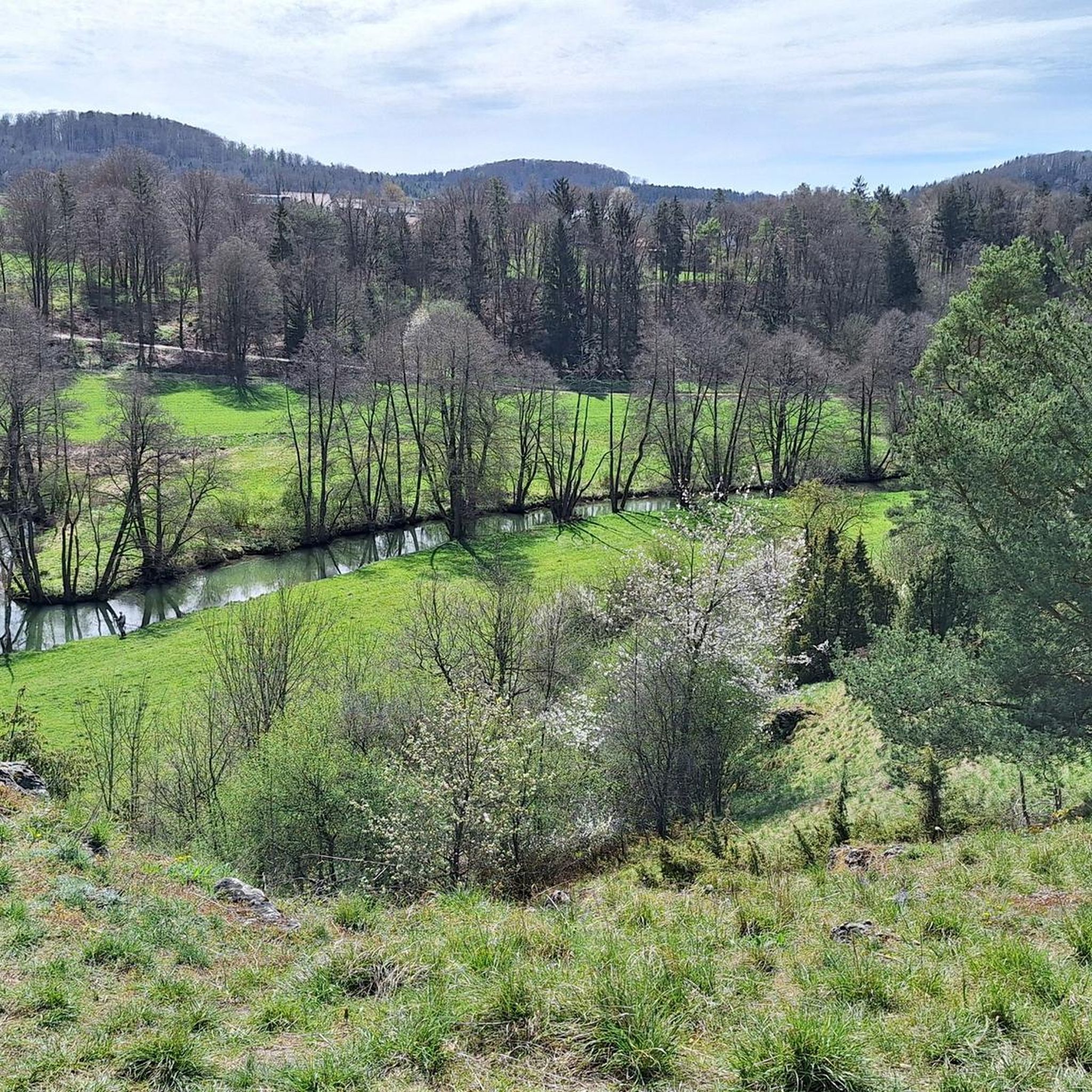
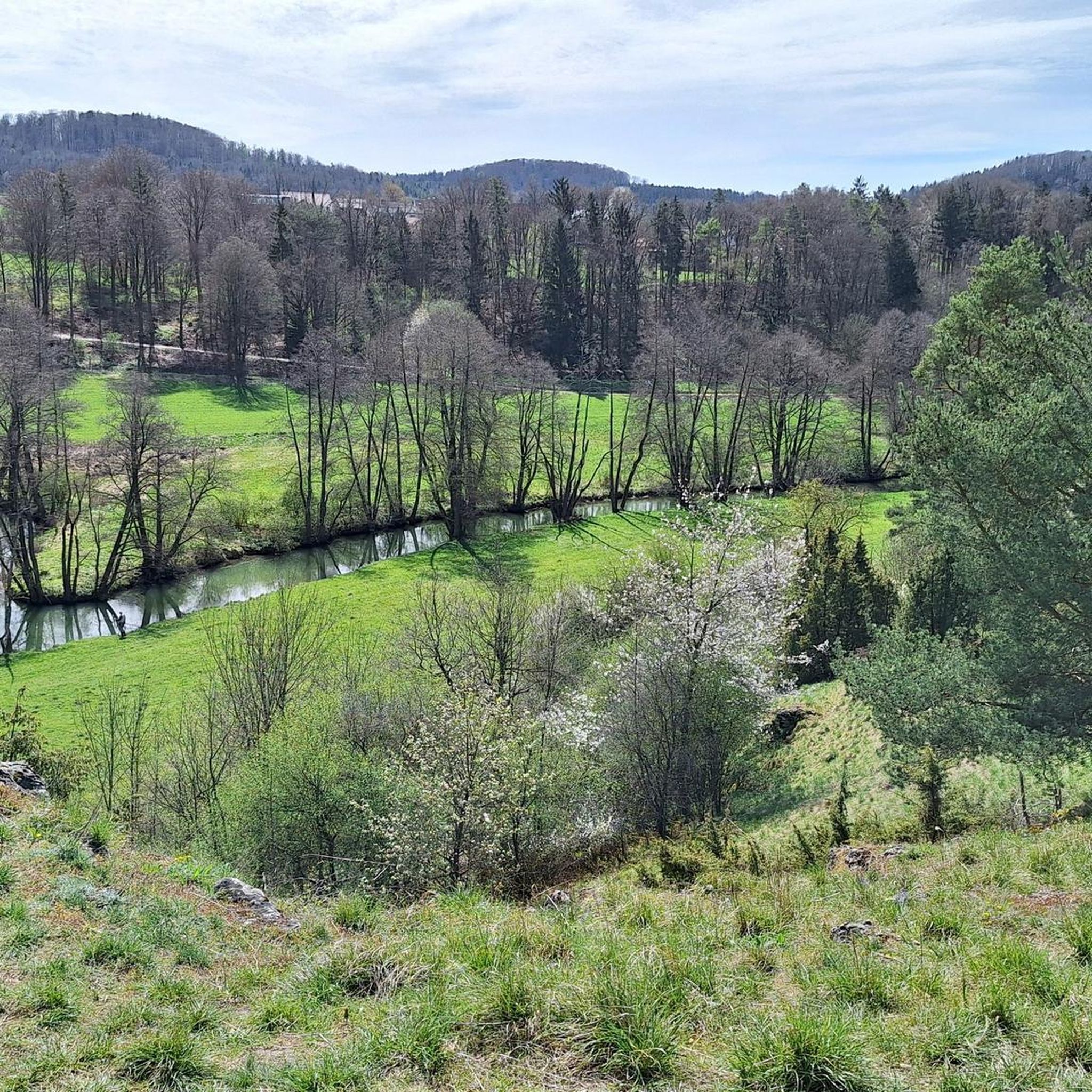
Adelburg castle ruins In 1180, an Engelhard was mentioned as the owner of the "adelenburc" for the first time; in the context of the document, a close connection to the Babonen from Abensberg is conceivable. As noble knights, the Adelburgers are close to the Hohenstaufen emperors. In 1230, Engelhard appeared as a witness in an Italian document from the last Hohenstaufen emperor, Friedrich II. In 1246, opposing king Heinrich Raspe promised the Adelburg to the Sulzbürger if it were to fall back to the empire - the last news from the Adelburgers. Perhaps Engelhard died in the turmoil surrounding the Hohenstaufen heir Konradin in Italy. In 1268 the Adelburg came to the Wittelsbach family, who then repeatedly mortgaged it. In 1334 it was owned by the controversial Auer patrician family from Regensburg, who used it as a base in the war against the imperial city. At the end of the same century, the knight Stephan Gewolf repeatedly used it as a starting point for raids on the road from Neumarkt to Hemau. After the Bavarian Duke intervened, he had to promise to refrain from the attacks in 1394. Other owners were Hilpolt Mendorfer in 1399 and in the 15th century, the Muracher, the Kürner and the Parsberger. In 1505, the Adelburg finally passed to the Duchy of Palatinate-Neuburg through the decree of Emperor Maximilian in Cologne. Duke Friedrich sold the castle to knight Jörg Wisbeck from Velburg, after which it was no longer mentioned and probably no longer inhabited. The remains of the Adelburg were finally destroyed in 1755 when the blocks of its walls were removed to build the church in Batzhausen. Further decay to this day. You can only get a distant idea of the once impressive castle from the view from the southwest: on the outer wall of the chapel tower you can still see a few medium-sized, precisely carved cuboids. Today, essentially only a 3.5 m high section of the curtain wall remains on the north side of the complex. The mystery of the Adelburg arises from the question of where the access to the core castle was. There is no ramp or flat area: the rock on which the castle lies falls steeply on all sides and has to be climbed. That's why there is even speculation that access was through an underground passage. Source: www.burgenseite.de
3
0

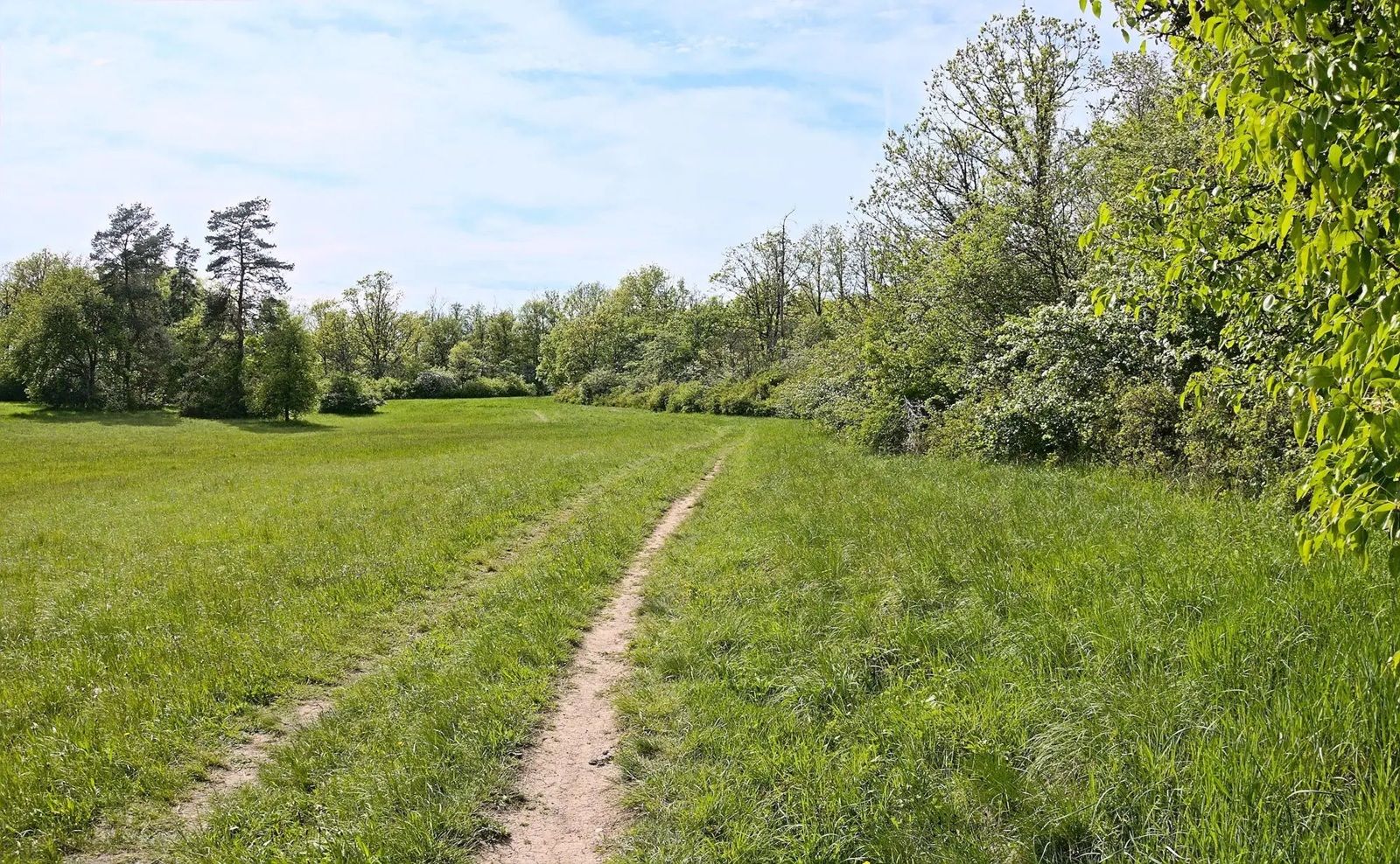
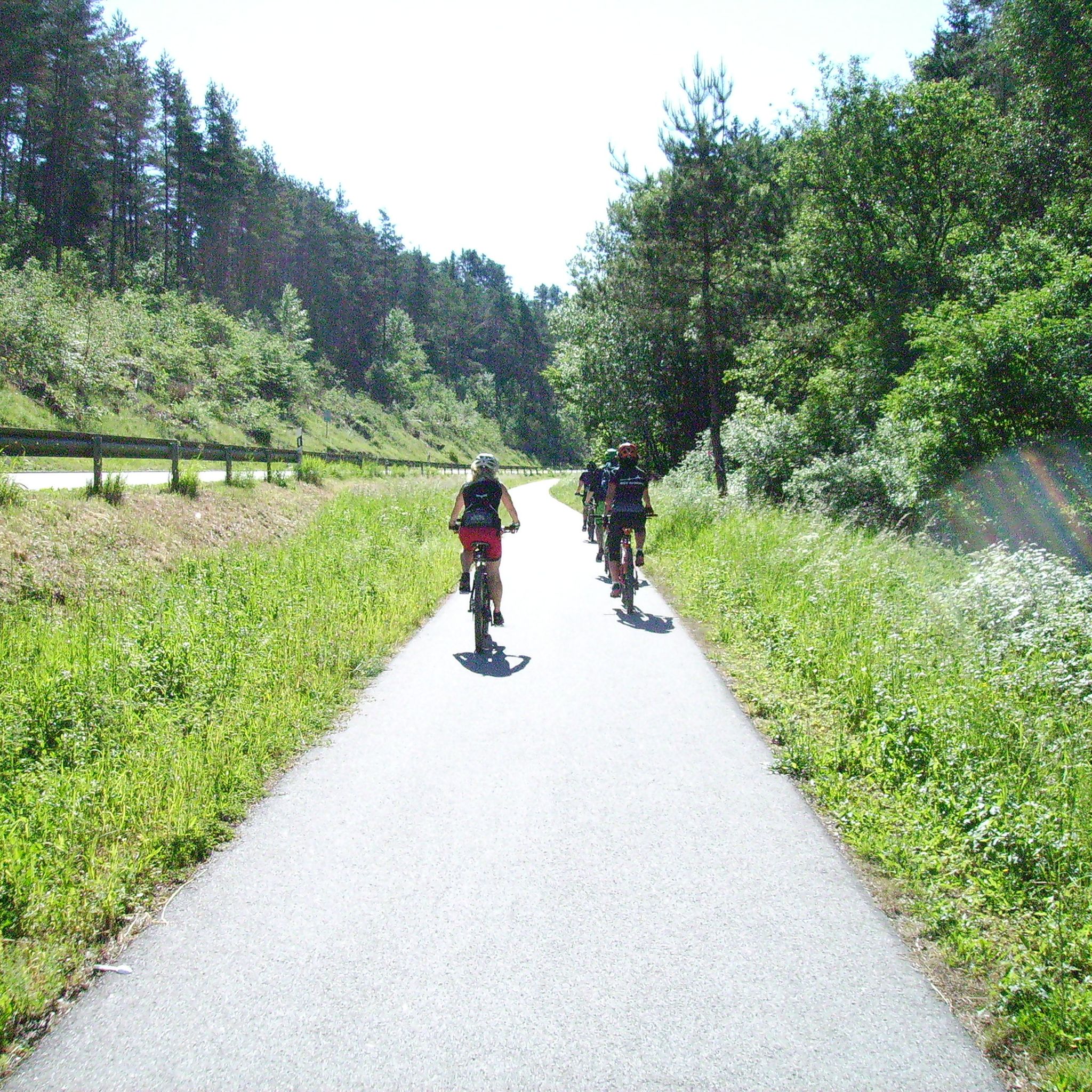
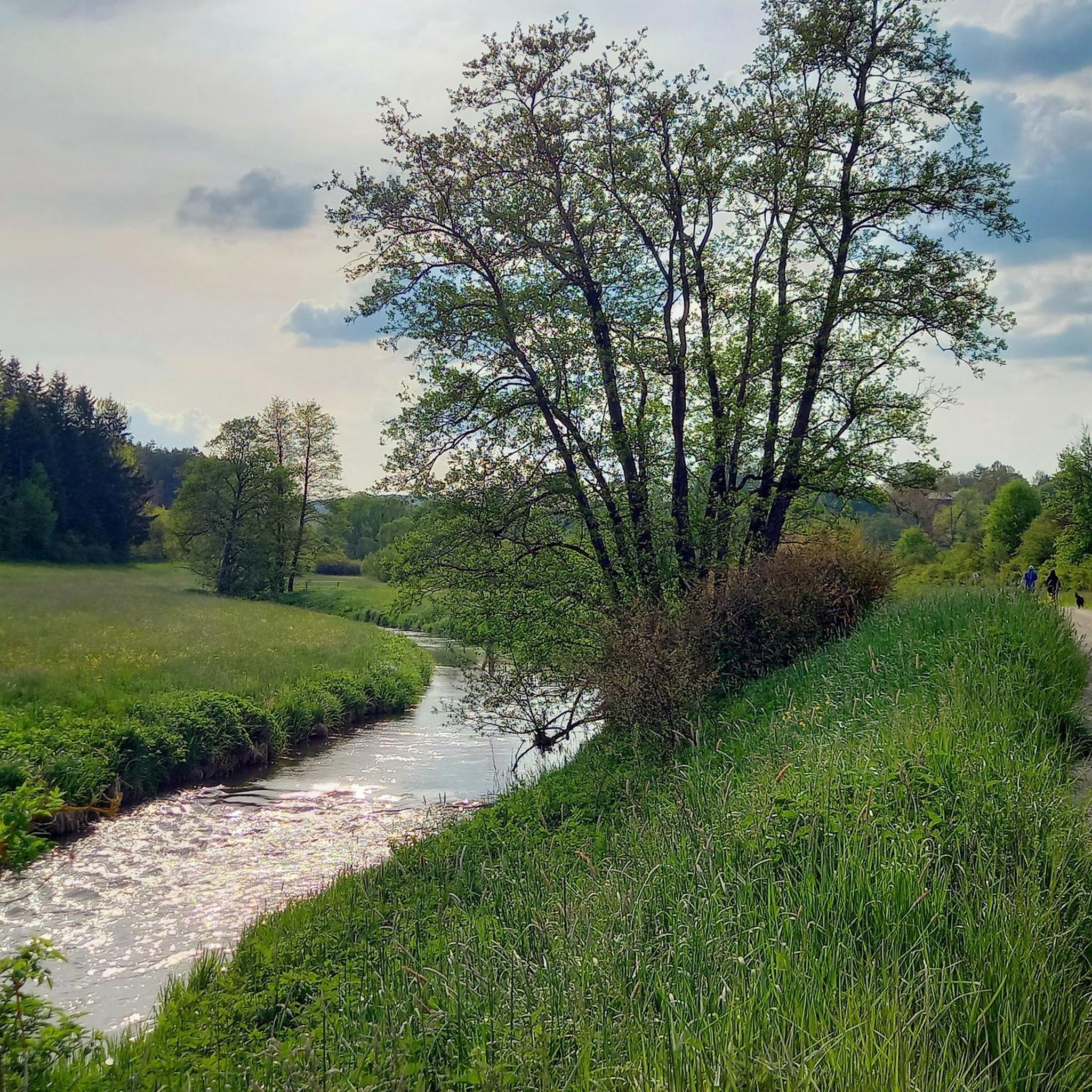
There are really nice trails around the castle ruins 😁👍
2
0
파스버그 주변에서 가장 인기 있는 명소


더 살펴보기
다른 곳에서 최고의 성을 찾고 계신가요? 다른 가이드를 발견해보세요 파스버그 주변:
