베르칭에서 가장 멋진 16개의 동굴
성을 방문하는 건 언제나 특별한 일이에요. 하이킹을 하다가 잠깐 들를 때도, 가이드를 따라 제대로 둘러볼 때도 말이죠. 베르칭에 있는 아름다운 성 16
곳을 아래에서 살펴본 후에 마음에 드는 성을 다음 모험 때 만나보세요!
마지막 업데이트: 10월 18, 2026


이런 장소를 발견하려면 지금 가입하세요
최고의 싱글 트랙, 봉우리 및 다양한 흥미로운 야외 장소에 대한 추천을 받아보세요.
아델스부르크 성 유적지
하이라이트 • 성
Complete track here:
komoot.de/highlight/710125
번역자 Google •
팁에 의해


헬펜베르크 성 유적지 정상의 십자가
하이라이트 • 정상
번역자 Google •
팁에 의해

무료로 가입하여 베르칭 주변의 더 많은 성을 발견하세요.
이미 komoot 계정이 있나요?
오늘 무료 계정으로 시작하세요
다음 모험이 기다리고 있어요.
베르칭 주변 인기 장소
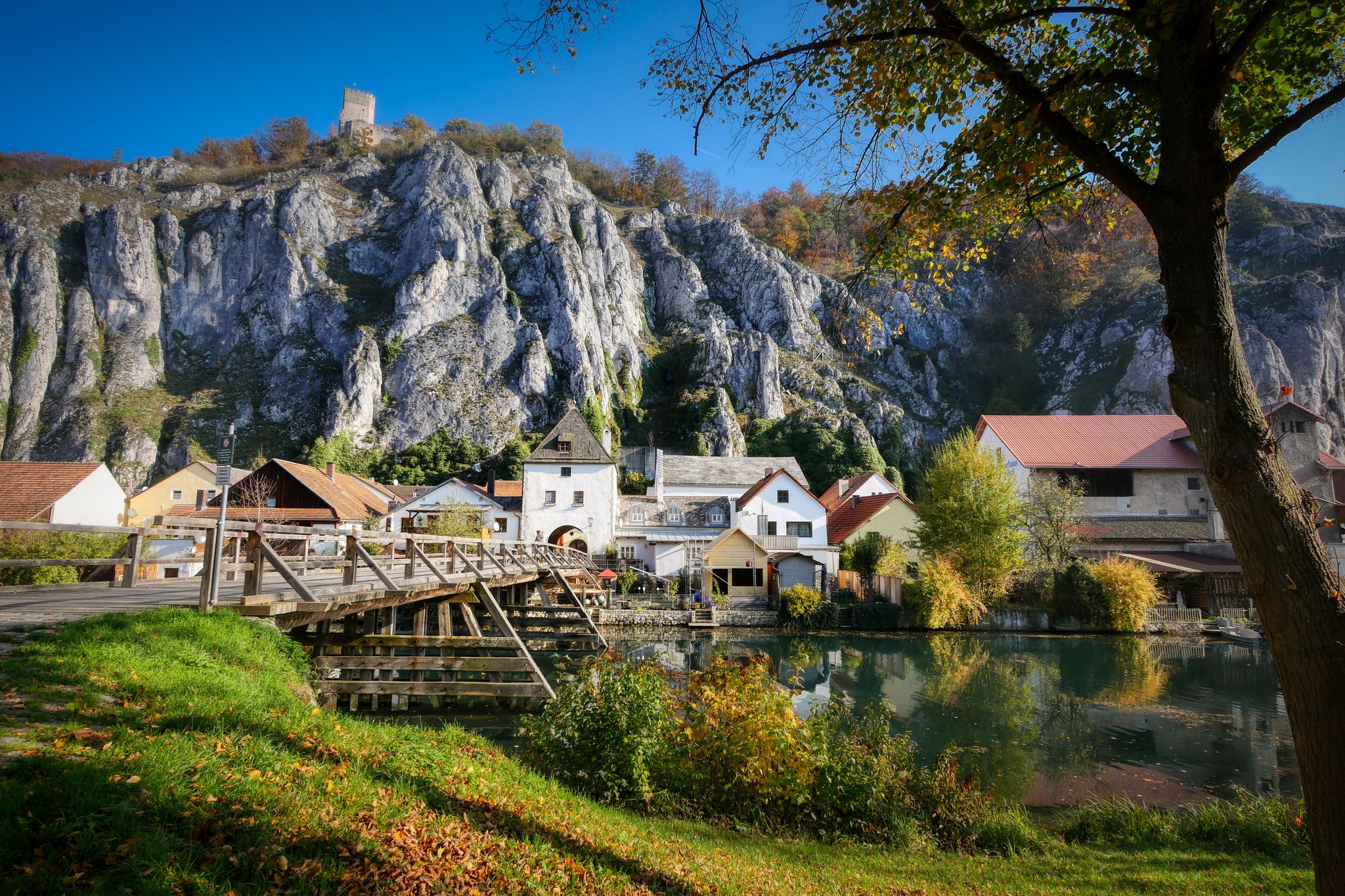
유라슈타이크 - 바바리아의 심장부에서 하이킹
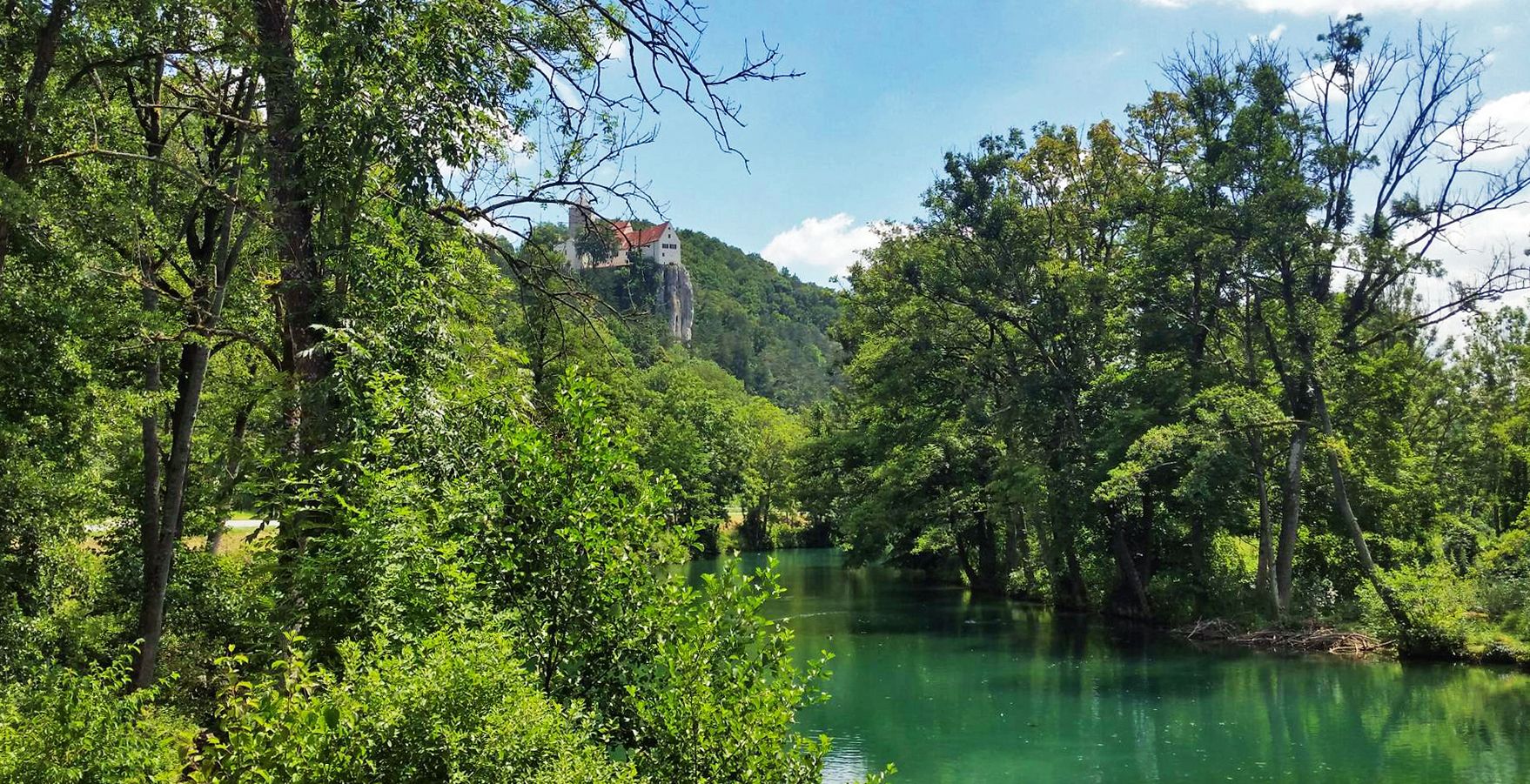
Five Rivers Cycle Path — 바이에르의 가장 아름다운 강들 따라 5 단계
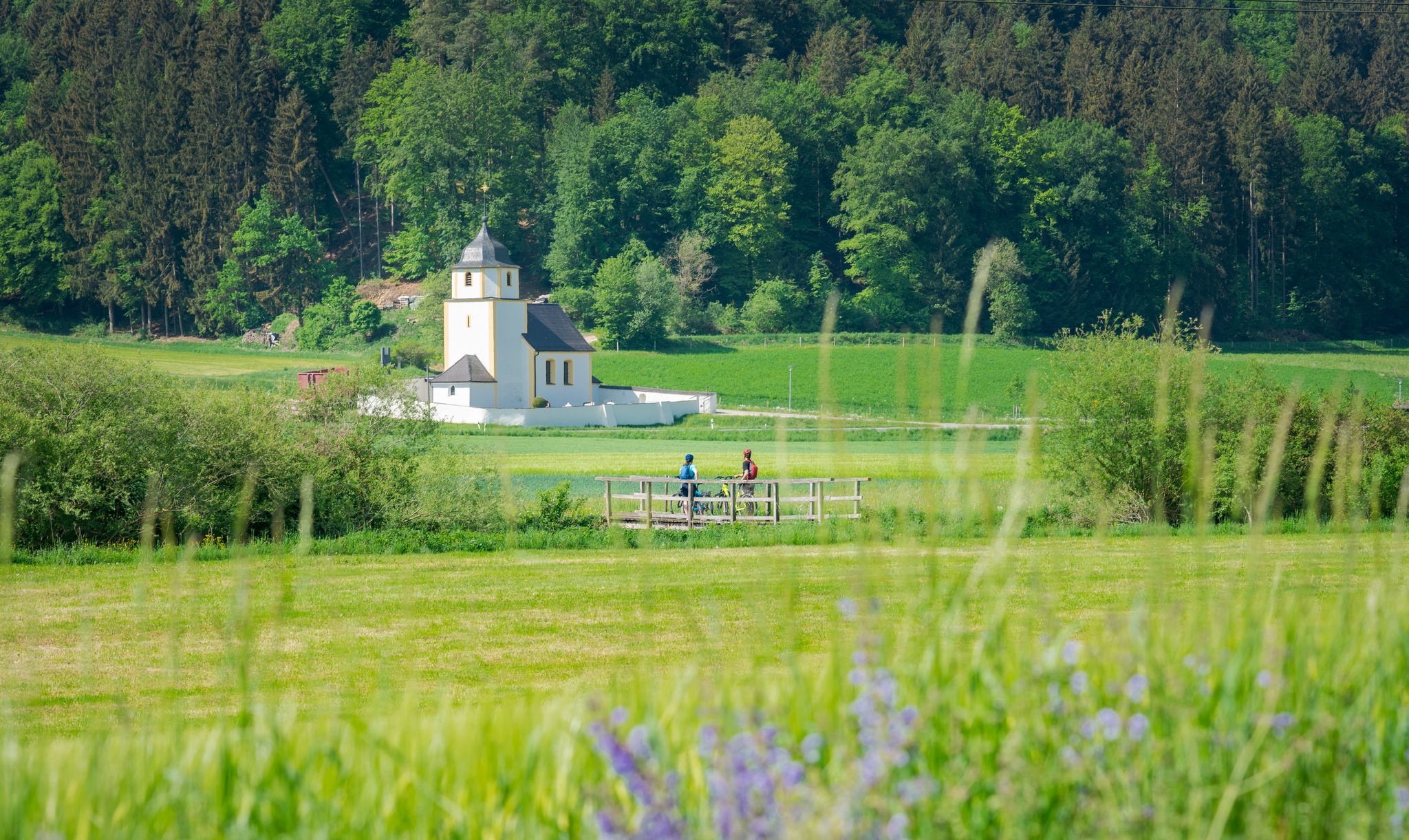
A cycling paradise in Bavaria – Altmühl Valley Nature Park
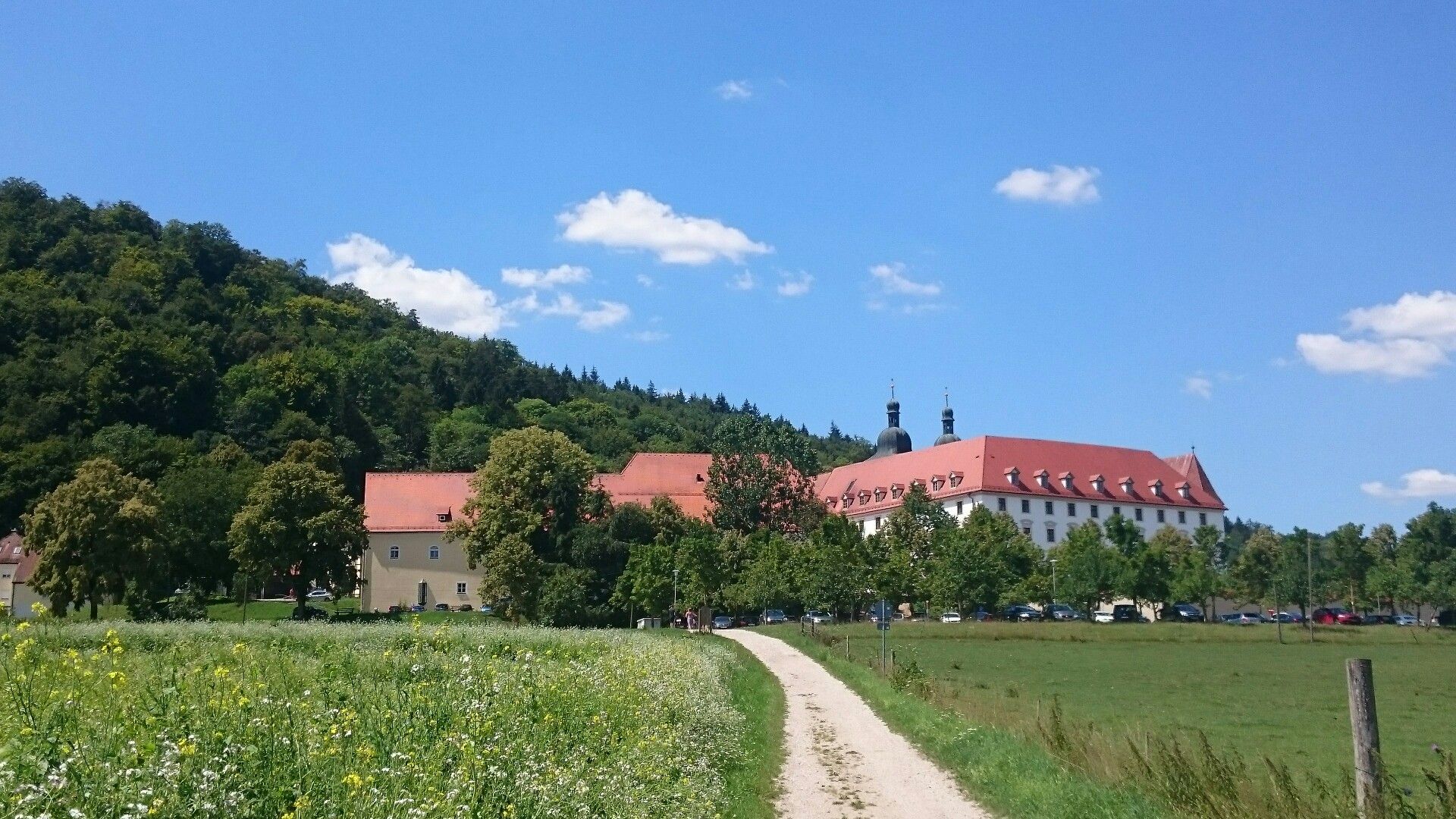
영미리아 우리 스타일 인시 - 토리스 Jura2000

Hikes in the autumnal Altmühltal Nature Park
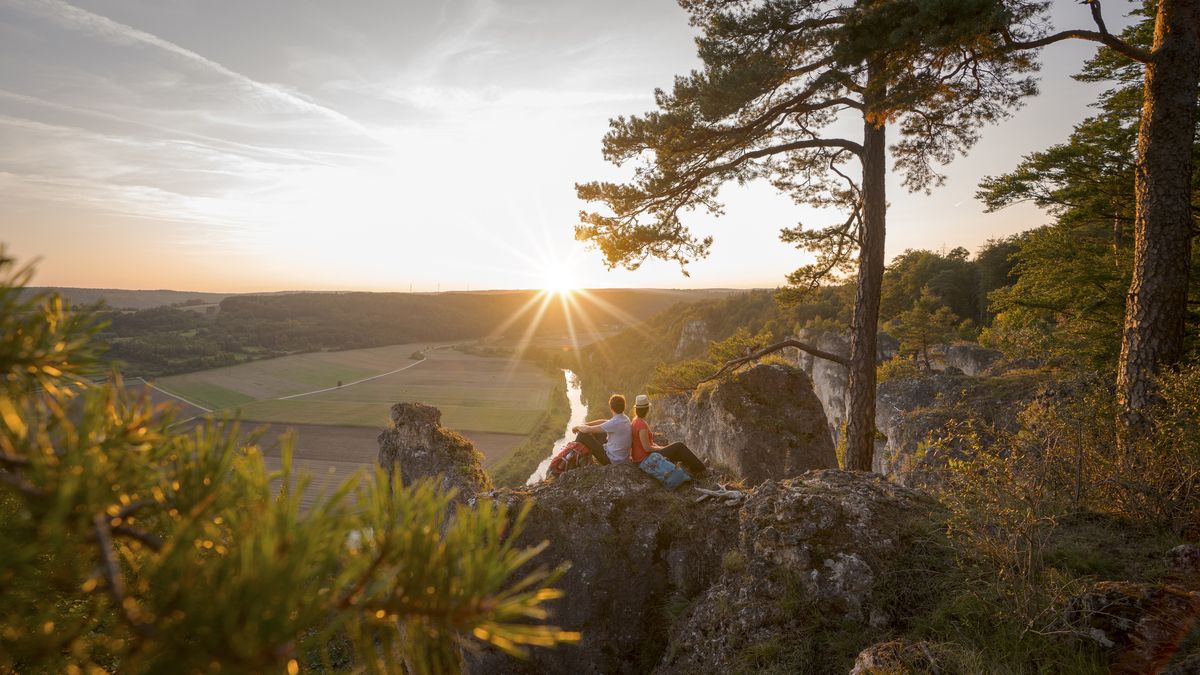
Wonderful nature and endless variety – Altmühltal Nature Park
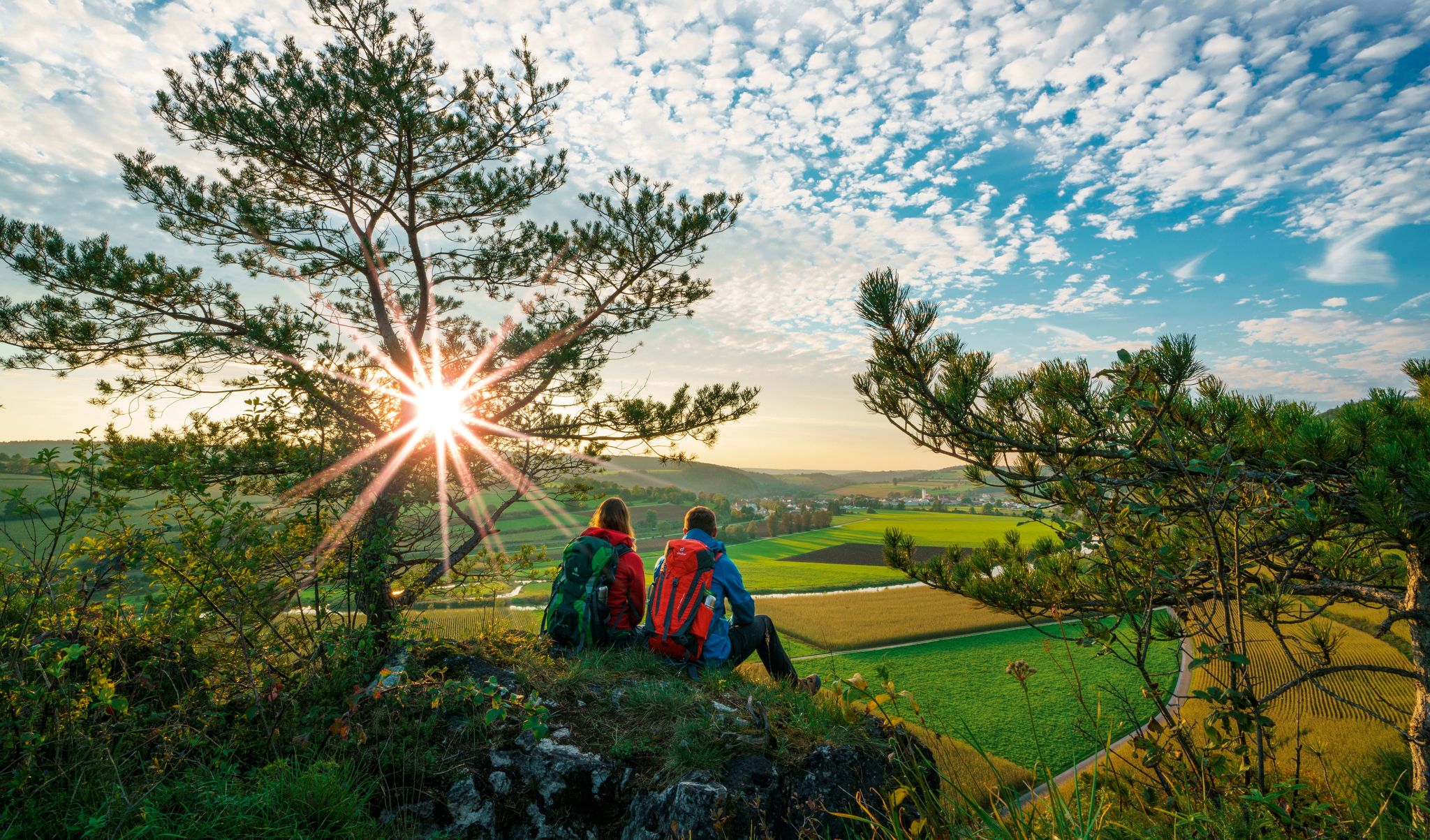
프랑코니안 트레일 - 24단계에 걸친 다양한 하이킹의 꿈
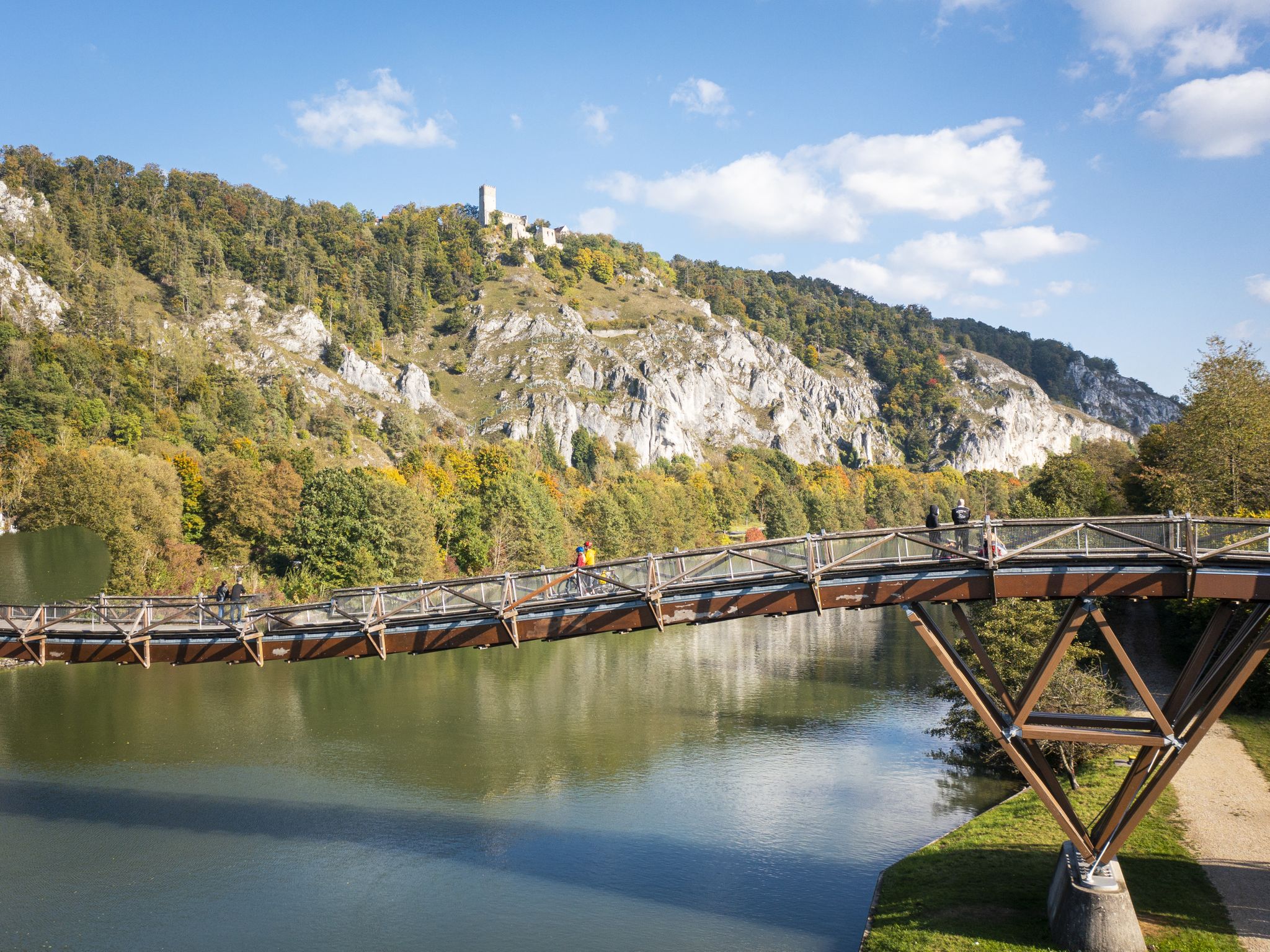
Fossilien, Burgen & Auen – Radrundtouren im Naturpark Altmühltal
베르칭 하이킹
베르칭 사이클링
베르칭 주변의 다른 모험


커뮤니티 팁

The castle building is a two-story, gable-roofed structure with a central projection and a dormer. The building's core is medieval, and the gateway dates from the 17th/18th century. Attached to the west is a deconsecrated castle chapel with plasterwork, a bay tower, and an onion dome dating from 1556. The eastern wing is a three-story, gable-roofed structure with a northern balcony and also plasterwork, dating from the 17th century.
0
0

Wildenstein Castle The ancestral seat is named after Wildenstein Castle and the village of Wildenstein. As part of the free Franconian knighthood, the family was organized in the knightly canton of Altmühl. Several family members were bailiffs or caretakers of the surrounding territories. Three members of the Wildenstein family were bailiffs of Hof in the 15th and 16th centuries. The family died out in the middle of the 17th century. The destruction of the ancestral seat of Wildenstein was initiated during the German Peasants' War and ended in the Second Margrave War. The bailiff's house below the castle ruins served as the seat of bailiffs for a long time. The castle building is a two-story, gable-roofed building with a central projection with a dormer. The building is essentially medieval, the entrance gate dates from the 17th/18th century. To the west is a deconsecrated castle chapel with plasterwork, a bay tower and an onion dome from 1556. The eastern wing is a three-storey gable roof building with a northern balcony and also plasterwork, which dates from the 17th century. To the north of this is the brewhouse; This is a two-storey gable roof building with a half-timbered upper floor and brickwork from 1922. The ensemble also includes the former brewery restaurant, a single-storey mansard hipped roof building with dormer windows, corner bay windows, plasterwork and garages in neo-baroque style from 1922. It also includes a stable, an eaves-facing gable roof building with gable walls made of quarry stone from the 18th century, a former economic wing, this is a multi-storey building with a gable roof and vaulted zones on both floors from the 18th century, and a coach house, a single-storey solid building with a gable roof from the 19th century. The stone bridge to the gate entrance dates from the 16th century. In the park there is historicizing staffage architecture with stepped gables and round turrets from the 19th century. In the northeast of the complex, remains of the medieval castle wall with the balcony made of ashlar masonry have been preserved. Source: www.wikipedia.org
2
0
The medieval castle was first mentioned in 1198 as the property of the Counts of Velburg. In 1217 the last Count Ulrich ceded his rights to the Bishop of Regenburg, who enfeoffed Wirnto von Plankenstein. After Wirnto's death in 1232, he passed it on to his ministerials at Hohenfels in exchange for Falkenstein Castle, who then called themselves "von Helfenberg" (coat of arms on the left). But they later run into financial difficulties, so they have to sell their property. In 1373, a new owner, Hans Ehrenfelser, pledged the castle to Count Palatine Ruprecht, who from then on staffed it with caretakers. Hans himself goes to Pfaffenhofen as a nurse. It is said to have been destroyed in the Landshut War of Succession. In 1624, the heavily neglected Helfenberg Castle and the Upper Palatinate came to Bavaria; Elector Maximilian gave it, along with Breitenegg Castle, to his general Tilly. His descendant Lorenz Count Tilly had a new baroque palace built between 1696 and 1707 by the then Italian star architect Viscardi; the paintings were done by Hans Georg Asam, the father of the famous Asam brothers. After the Battle of Deining in 1796, the castle was looted and pillaged by defeated French revolutionary troops. Sold for demolition in 1807 for 2,200 guilders, much of it was demolished
0
0
Adelburg castle ruins In 1180, an Engelhard was mentioned as the owner of the "adelenburc" for the first time; in the context of the document, a close connection to the Babonen from Abensberg is conceivable. As noble knights, the Adelburgers are close to the Hohenstaufen emperors. In 1230, Engelhard appeared as a witness in an Italian document from the last Hohenstaufen emperor, Friedrich II. In 1246, opposing king Heinrich Raspe promised the Adelburg to the Sulzbürger if it were to fall back to the empire - the last news from the Adelburgers. Perhaps Engelhard died in the turmoil surrounding the Hohenstaufen heir Konradin in Italy. In 1268 the Adelburg came to the Wittelsbach family, who then repeatedly mortgaged it. In 1334 it was owned by the controversial Auer patrician family from Regensburg, who used it as a base in the war against the imperial city. At the end of the same century, the knight Stephan Gewolf repeatedly used it as a starting point for raids on the road from Neumarkt to Hemau. After the Bavarian Duke intervened, he had to promise to refrain from the attacks in 1394. Other owners were Hilpolt Mendorfer in 1399 and in the 15th century, the Muracher, the Kürner and the Parsberger. In 1505, the Adelburg finally passed to the Duchy of Palatinate-Neuburg through the decree of Emperor Maximilian in Cologne. Duke Friedrich sold the castle to knight Jörg Wisbeck from Velburg, after which it was no longer mentioned and probably no longer inhabited. The remains of the Adelburg were finally destroyed in 1755 when the blocks of its walls were removed to build the church in Batzhausen. Further decay to this day. You can only get a distant idea of the once impressive castle from the view from the southwest: on the outer wall of the chapel tower you can still see a few medium-sized, precisely carved cuboids. Today, essentially only a 3.5 m high section of the curtain wall remains on the north side of the complex. The mystery of the Adelburg arises from the question of where the access to the core castle was. There is no ramp or flat area: the rock on which the castle lies falls steeply on all sides and has to be climbed. That's why there is even speculation that access was through an underground passage. Source: www.burgenseite.de
3
0

Large wooden cross on the summit of the Lengenfeld Schlossberg
1
0
Former castle in Wildenstein with church
0
0

Great castle ruins with a rest area and a wonderful view.
6
0

Very nice castle, as already mentioned today as a conference venue... I have been there very often, you can also stay overnight here and eat very well... I think also for other guests, at least when I was about 5 years ago Spent several nights here (great bar in the basement) and bikers were eating there... I think so, at least you can visit the inside when it's open, you can do that, super mega view from the dining room with panoramic windows... oh yes, overnight stay, room without TV and radio,... quiet... but the bar has something
10
0


더 살펴보기
다른 곳에서 최고의 성을 찾고 계신가요? 다른 가이드를 발견해보세요 베르칭 주변:
