20의 콘츠가지 명소 & 주요 장소
콘츠에는 둘러볼 만한 장소가 많답니다. 하이킹 또는 사이클링을 좋아한다면 콘츠에 숨겨진 20
가지 보석을 만날 수 있을 거예요. 이 지역의 주요 명소를 살펴보면서 다음 모험을 계획해보세요.
마지막 업데이트: 10월 9, 2026
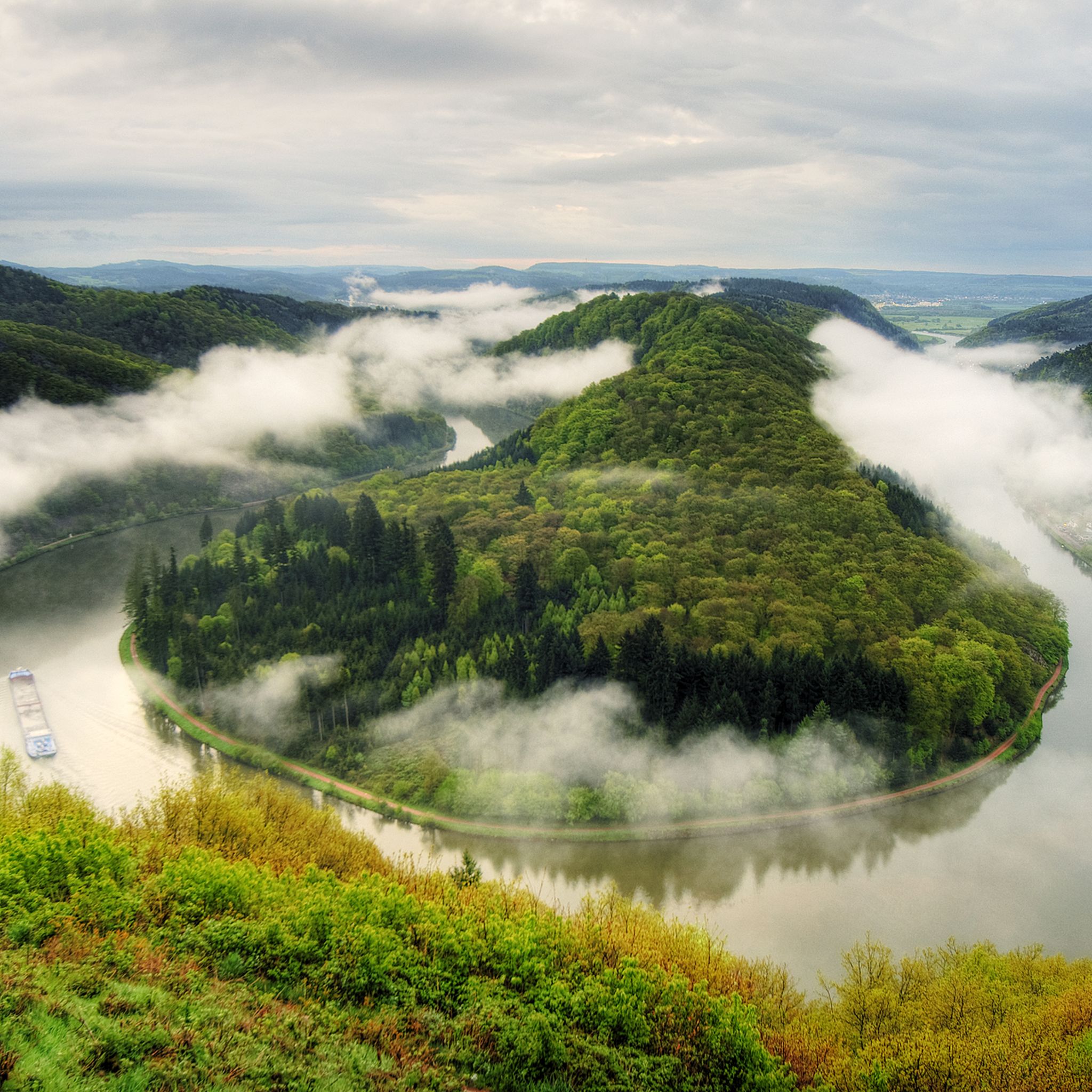
자르부르크와 자르부르크 성의 전경
하이라이트 • 전망대
번역자 Google •
팁에 의해

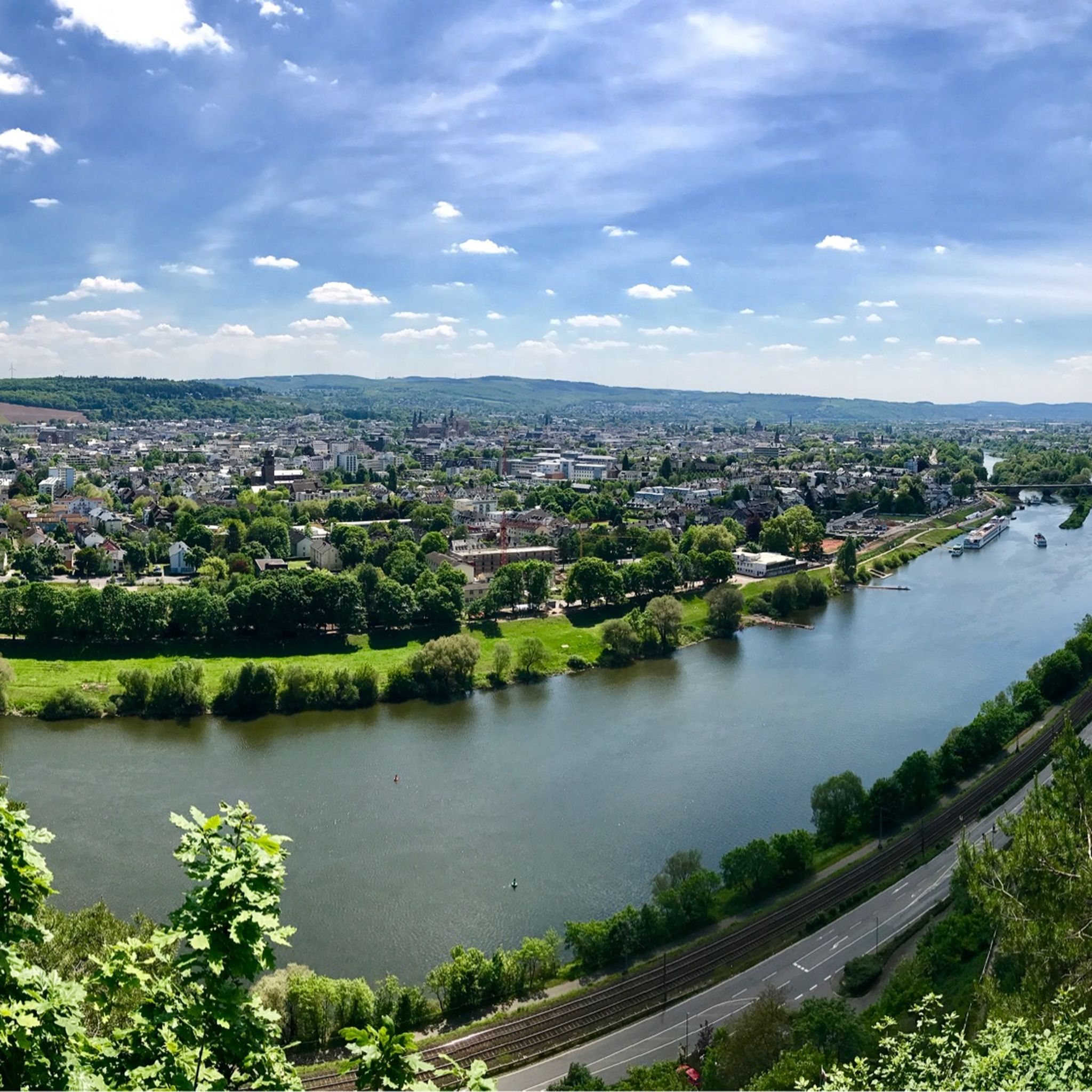
자르와 모젤의 합류점
하이라이트 • 강
번역자 Google •
팁에 의해

이런 장소를 발견하려면 지금 가입하세요
최고의 싱글 트랙, 봉우리 및 다양한 흥미로운 야외 장소에 대한 추천을 받아보세요.


오늘 무료 계정으로 시작하세요
다음 모험이 기다리고 있어요.
콘츠 주변의 다른 모험


커뮤니티 팁

포르타 니그라는 거의 2,000년 전에 로마의 도시 관문으로 건설되었으며 수 세기에 걸쳐 거의 손상되지 않고 보존되었습니다. 이것은 7,200개의 석재 블록으로 지어졌으며 높이는 29미터입니다. 중세 시대에는 교회로 사용되었으며, 800년 만에 다시 도시 관문의 기능을 하게 되었습니다. 오늘날 이 검은 문은 유네스코 세계 문화 유산에 속하며 트리어의 상징입니다. https://www.urlaub-in-rheinland-pfalz.de/urlaub/766/Porta_Nigra/index.htm
23
2

The Porta Nigra (Latin for "Black Gate"; formerly also Porta Martis and Römertor) is a former Roman city gate built from 170 AD on Porta Nigra Square and is a symbol of the city of Trier. The name Porta Nigra comes from the Middle Ages. The inhabitants of Trier usually only call the gate "Porta". The Porta Nigra has been part of the UNESCO World Heritage in Trier since 1986. Furthermore, it is a protected cultural asset under the Hague Convention. The Porta Nigra is the best preserved Roman city gate in Germany.
26
2
Where the Saar and Moselle meet The Moselle and Saar originate in France and meet in Konz after a long journey through varied landscapes. The two rivers give our holiday region its name and have shaped a unique landscape. At the mouth of the Saar there is a triangular sculpture as a place of peace and meditation. You can sit in the stone, shielded from external influences. It is quieter in the stone and the sound of the water is amplified.
15
0

Here the Saar flows into the Moselle and forms a small German Corner. There is a pyramid-shaped stone here as a monument to Kaiser Wilhelm.
12
0

With a length of 235 kilometers, the Saar is the longest tributary of the Moselle. more: https://de.wikipedia.org/wiki/Saar#:~:text=Mit%20235%20Kilometern%20Flie%C3%9Fstrecke%20ist,mit%202.569%2C69%20km%C2%B2%20Fl%C3%A4che.
8
0
The main market of Trier is the central and one of the largest squares in the city. It is located in the historic city center directly in front of the cathedral city in today's Mitte/Gartenfeld district. The most important urban commercial streets come together here. In 958, Archbishop Henry I equipped the main market with the market cross as a symbol of sovereignty. The main market was a place for selling goods and trading in the medieval city.
17
0

The Porta Nigra, Trier's landmark, is the best preserved Roman city gate north of the Alps and is a UNESCO World Heritage Site. The city gate now serves as the central information center on the Roman city, which is shown there in an impressive model. Multimedia guides bring the history of the Porta Nigra to life from its beginnings in antiquity to its use as a church complex. Alternatively, the content of the multimedia guide can be accessed on site free of charge using your own smartphone. Visitors to the Porta Nigra experience a new generation of digital guidance. A multimedia installation illustrates how the ancient city gate could become a place of veneration of saints in the Middle Ages. The city gate was built from approx. 7200 stone blocks around 170 AD, and thanks to the massive construction it has been preserved to this day. With the end of the Roman Empire and the change of time, the city gate was used in a variety of ways. In the 11th century, the building served as a dwelling for the monk Simeon, who lived as a hermit. With his death, the city gate was converted into a church complex - another reason why it has been preserved to this day. The following centuries were marked by renovation and maintenance measures. Under Napoleon's rule, the church was dissolved in 1803 and a restoration of the ancient design was ordered. Even today, measures for the renovation and maintenance of the Porta Nigra are taking place.
29
3

Ideal place to have a picnic and enjoy the view. Think about the fact that the Saar is the longest tributary of the Moselle with over 230 km and flows through this into the Rhine into the North Sea👍
11
0


더 살펴보기
찾고 있는 하이라이트를 아직 못 찾으셨나요? 다른 지역의 주요 명소 가이드를 확인해보세요:
