외스테뢰 쇠 최고의 라이딩 경로
4.7
(12)
537
자전거 타는 사람
61
라이딩
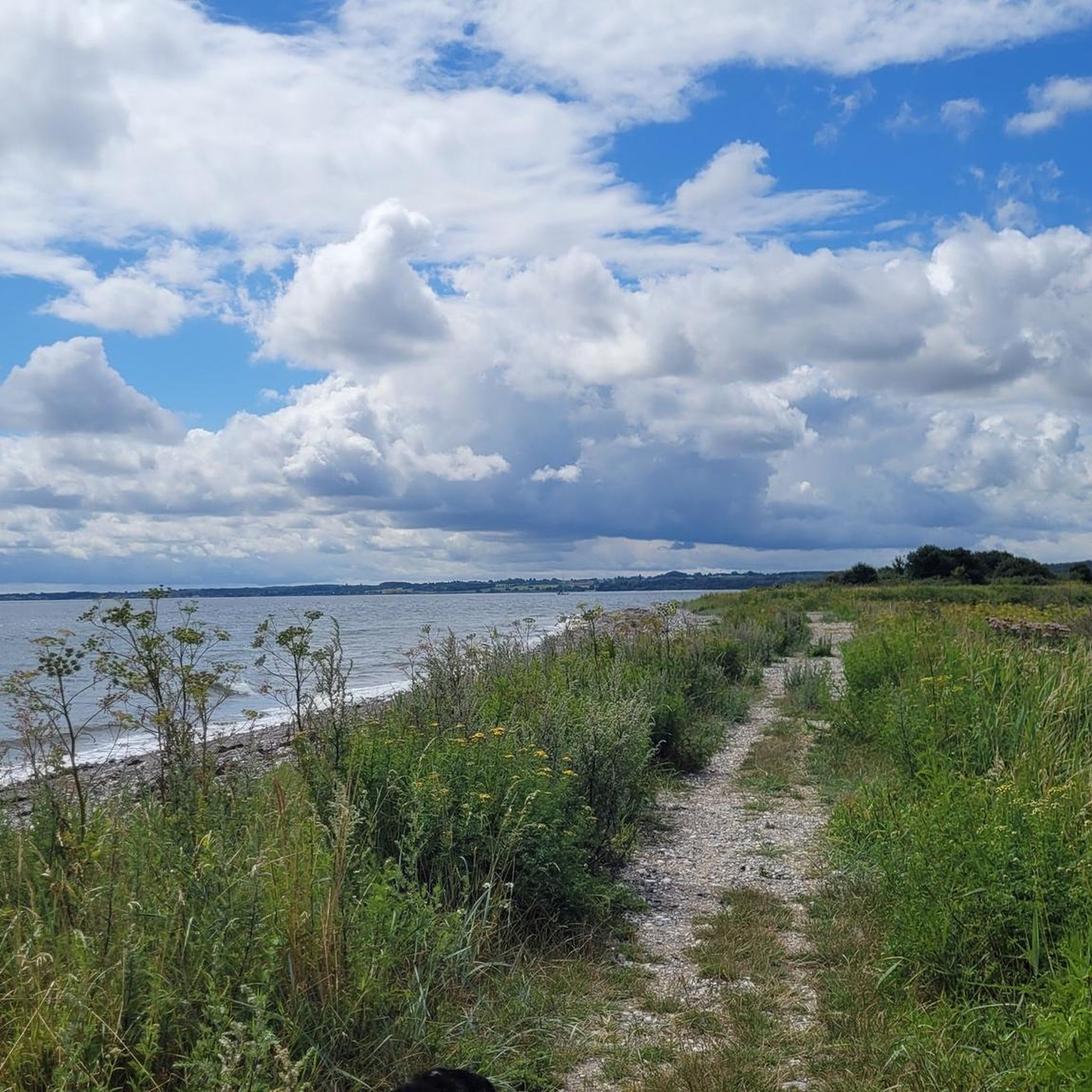
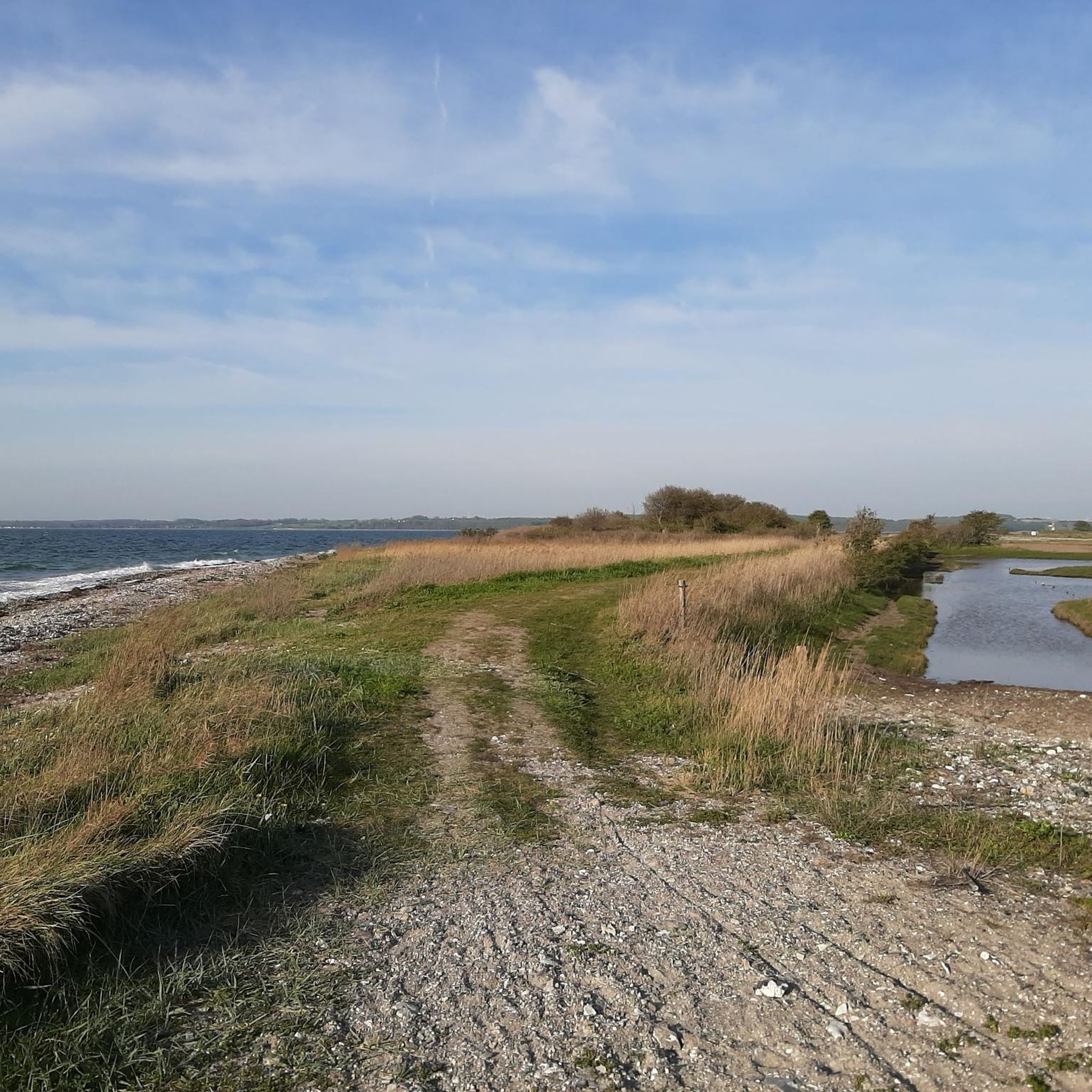
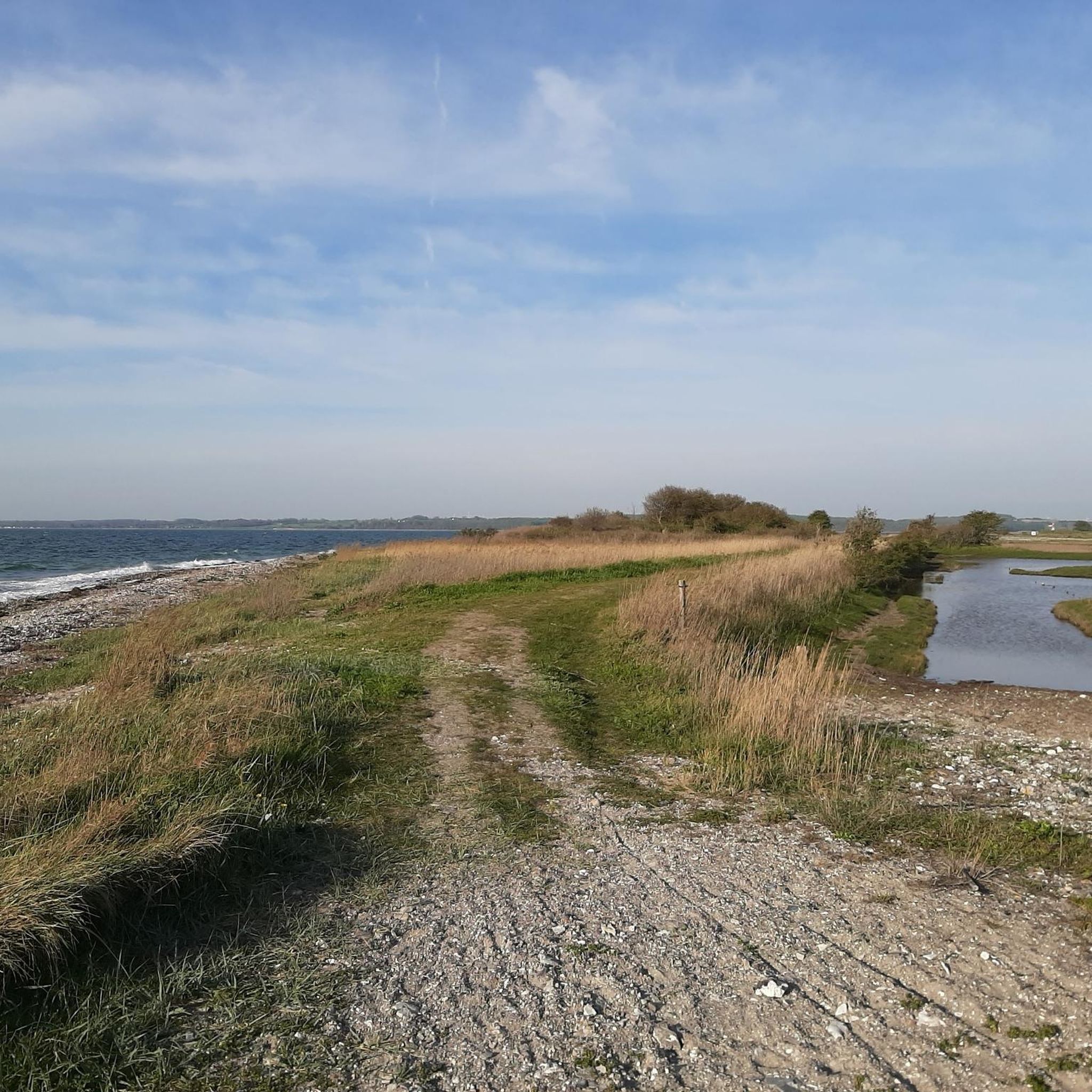
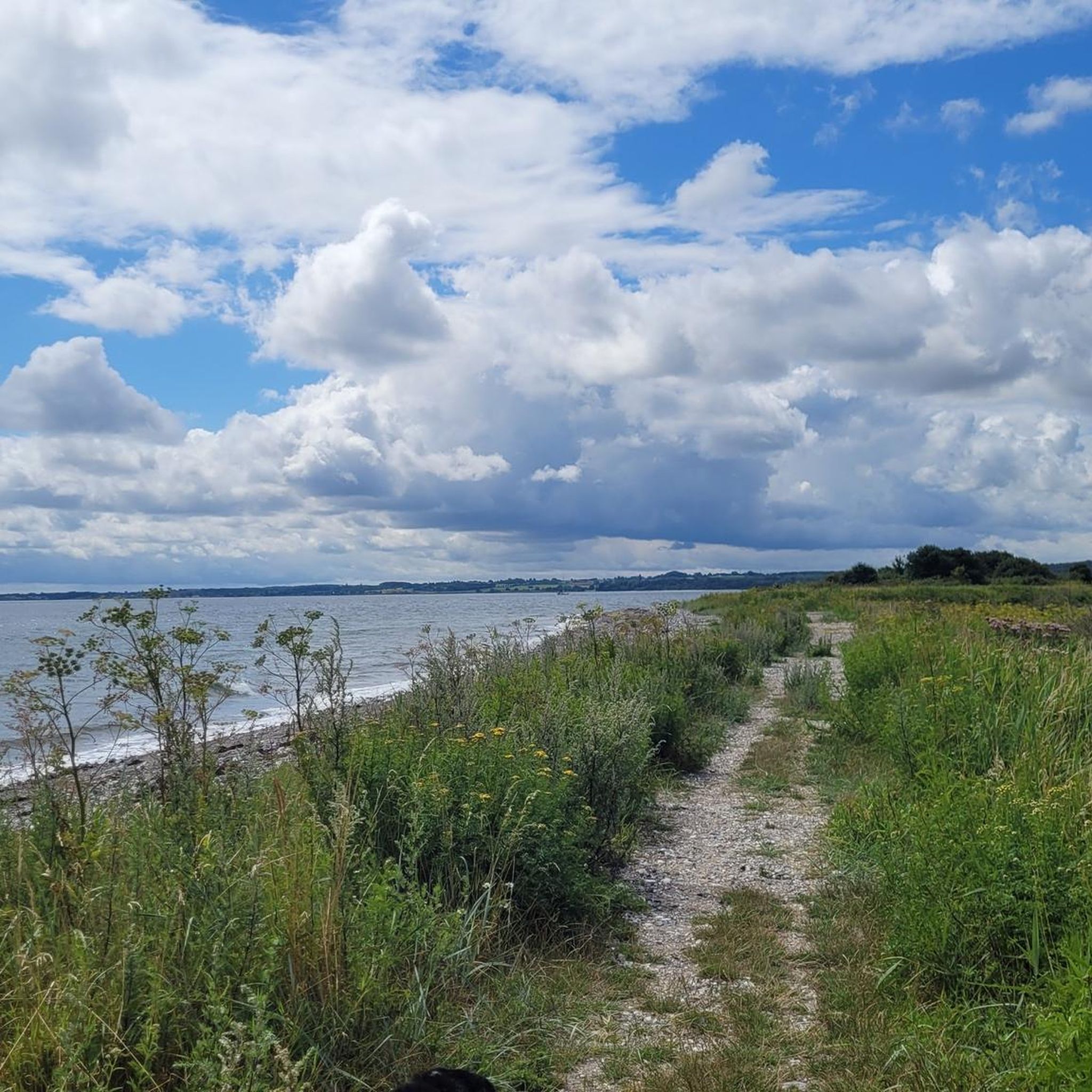
로드 사이클링 코스는 Østerø Sø 주변의 크누드스호베드 반도를 가로지르며, 해안 서식지와 보호된 자연 보호 구역으로 특징지어지는 지역입니다. 주로 포장된 표면과 완만한 지형으로 이루어져 있어 로드 바이크에 적합합니다. 이 지역은 평평한 해안 구간, 염습지, 건조한 초원, 낮은 언덕이 혼합되어 있어 다양한 라이딩 경험을 제공합니다. 사이클리스트들은 자연 경관과 뉘보르 성과 같은 역사적 랜드마크를 결합한 코스를 탐험할 수 있습니다.
Østerø Sø 주변 최고의 로드 사이클링 코스
- 가장 인기 있는 로드 사이클링 코스는 뉘보르 출발, 공공 식수대 – 뉘보르 성 루프로, 32.0마일(51.5km) 길이이며…
마지막 업데이트: 10월 2, 2026
5.0
(2)
56
자전거 타는 사람
51.9km
02:03
190m
190m
보통 도로 자전거 타기. 좋은 체력 필요. 지면 대부분이 잘 포장되어 있고 라이딩하기 쉬움.
30
자전거 타는 사람
61.5km
02:34
350m
360m
보통 도로 자전거 타기. 좋은 체력 필요. 지면 대부분이 잘 포장되어 있고 라이딩하기 쉬움.

31
자전거 타는 사람
68.6km
02:43
260m
260m
보통 도로 자전거 타기. 좋은 체력 필요. 지면 대부분이 잘 포장되어 있고 라이딩하기 쉬움.
5.0
(1)
20
자전거 타는 사람
52.5km
02:09
200m
200m
보통 도로 자전거 타기. 좋은 체력 필요. 지면 대부분이 잘 포장되어 있고 라이딩하기 쉬움.
4.5
(2)
32
자전거 타는 사람
38.8km
01:34
160m
160m
초급용 로드 라이딩. 모든 체력 수준에 적합. 지면 대부분이 잘 포장되어 있고 라이딩하기 쉬움.
더 다양한 경로와 다른 탐험가들의 추천을 살펴보세요.
이미 komoot 계정이 있나요?
투어 추천은 다른 사람들이 komoot에서 완료한 수천 개의 활동을 바탕으로 구성되어 있습니다.
오늘 무료 계정으로 시작하세요
다음 모험이 기다리고 있어요.
외스테뢰 쇠 주변 인기 장소
커뮤니티 팁

라이징에 매너는 뇌보리와 케르테민데 사이의 사랑스러운 사이클링 휴식 장소입니다. 그 목골 건물과 독특한 탑은 모험에 옛 세상의 매력을 더해주며, 주변의 삼림과 해안선은 풍부한 고요하고 푸른 풍경을 더합니다. 이곳은 풍경을 감상하며 속도를 늦추기에 좋은 장소이며, 만약 이곳이 정말 마음에 든다면, 이 영지는 이제 침대와 아침 식사(Bed & Breakfast)로 운영되므로 하룻밤 묵을 수도 있습니다.
0
0

It was really fun to try out the old bikes. A lovely opportunity to take a short break, have coffee and cake, and look around the old house a bit.
0
0

In Nyborg, there is a square called Gammeltorv (Old Square). Originally, this was the square donated to the city by King Frederik II as a market square after the original, smaller market square near the church had become too small. Gammeltorv was an important location in the city before it underwent significant transformation in the 1930s. For example, in 1935, the Hotel Postgaarden, which was located there, was demolished. Today, the square has relinquished its central role as the main market to the newer, larger Torvet (simply "the square"), located directly in front of Nyborg Slot.
2
0
The old customs house (“Gammel Toldbod”) in Nyborg is located at Havnegade 2 and holds historical significance for the town. Today, the building houses the “Kiropraktorhuset Gammel Toldbod” (Chiropractic Practice Old Customs House). In earlier times, the building served as a customs house. This was because Nyborg was situated on an important waterway, the Great Belt, where ships had long been required to pay tolls to Denmark. The old customs house in Nyborg, like other similar buildings in Denmark, played a crucial role in monitoring shipping traffic to prevent the smuggling of goods. The building in its current form was constructed during a period when these customs controls were of paramount importance.
2
0
"Stenblomsten" (in English: "Stone Flower") is a granite sculpture by the sculptor Flemming Knudsen, located in front of the Church of Our Lady (Vor Frue Kirke) in Nyborg. The sculpture was erected in 1994 and is an example of modern art in the historic city. Flemming Knudsen, who moved to Nyborg in 1983, created several works of art in the region. The Church of Our Lady itself, also known simply as Nyborg Kirke, is a significant building in the city. Built between 1388 and 1428, it is one of the oldest churches in Denmark.
2
0
Rosenbækken is a historic path in the Danish city of Nyborg. It runs along the former medieval city moat that once surrounded the city. This moat was formerly called "Skidtrenden," which means "dirt ditch." Today, Rosenbækken is a landscaped path that has been restored and designed as a green passage. It allows walkers to explore the remains of the medieval city fortifications, including sections of Denmark's longest preserved city wall. The path is part of the "Green Clover Trail," a popular hiking route in Nyborg that passes historical sites and through nature.
2
0
The soccer player statue has stood in front of the sports hall in Kerteminde since 1973. An attractive bronze statue depicting two boys playing with a soccer ball. Size: 180 x 62 cm, created by Keld Moseholm Jørgensen. Coordinates: Longitude: 10.658679 Latitude: 55.444683 https://www.visitkerteminde.de/kerteminde/reiseplanung/die-fussballspieler-gdk739059
2
0
The Langebro Bridge in Kerteminde connects the town of Kerteminde with the exclusive district of "Feddet." The first bridge was built in the 15th century and maintained with funds from the so-called "Brokornsafgift" (farmer's sap gift) – a tax paid by farmers and landowners from the 16 surrounding municipalities. The current bridge dates from 1956. Cross the Langebro Bridge, walk down Dosseringen, and you'll find yourself directly on Kerteminde's fantastic south beach. https://koebmandsgaardenkerteminde.dk/de/accommodation/koebmandsgaarden-langebro/
2
0


더 살펴보기
다른 지역의 최고의 로드 사이클링 경로를 살펴보세요.
