20의 아베네스 쉬르 헬프가지 명소 & 주요 장소
아베네스 쉬르 헬프에는 둘러볼 만한 장소가 많답니다. 하이킹 또는 사이클링을 좋아한다면 아베네스 쉬르 헬프에 숨겨진 20
가지 보석을 만날 수 있을 거예요. 이 지역의 주요 명소를 살펴보면서 다음 모험을 계획해보세요.
마지막 업데이트: 4월 23, 2026
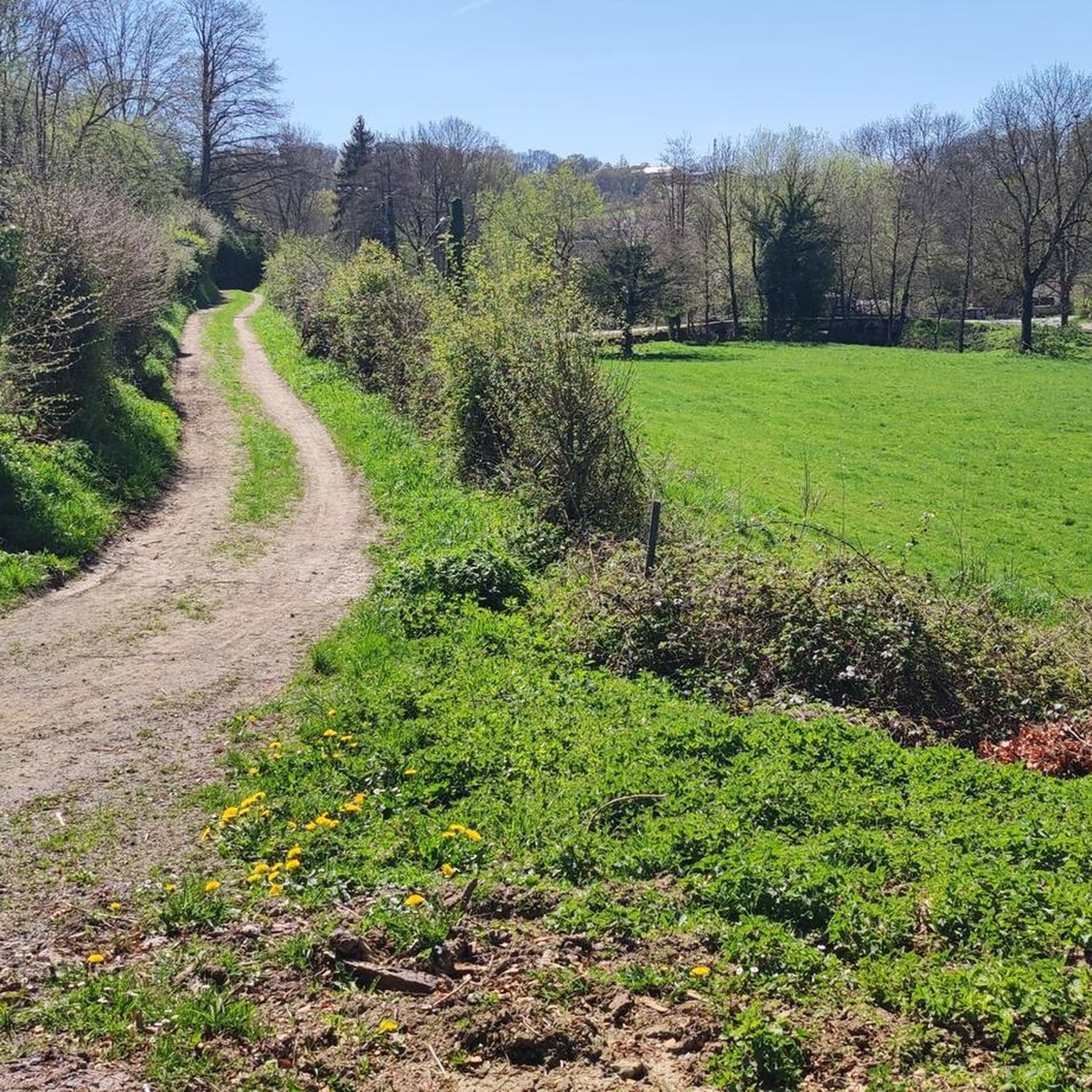
그랑 페이 물레방아
하이라이트 • 기념물
번역자 Google •
팁에 의해


이런 장소를 발견하려면 지금 가입하세요
최고의 싱글 트랙, 봉우리 및 다양한 흥미로운 야외 장소에 대한 추천을 받아보세요.
무료 회원 가입
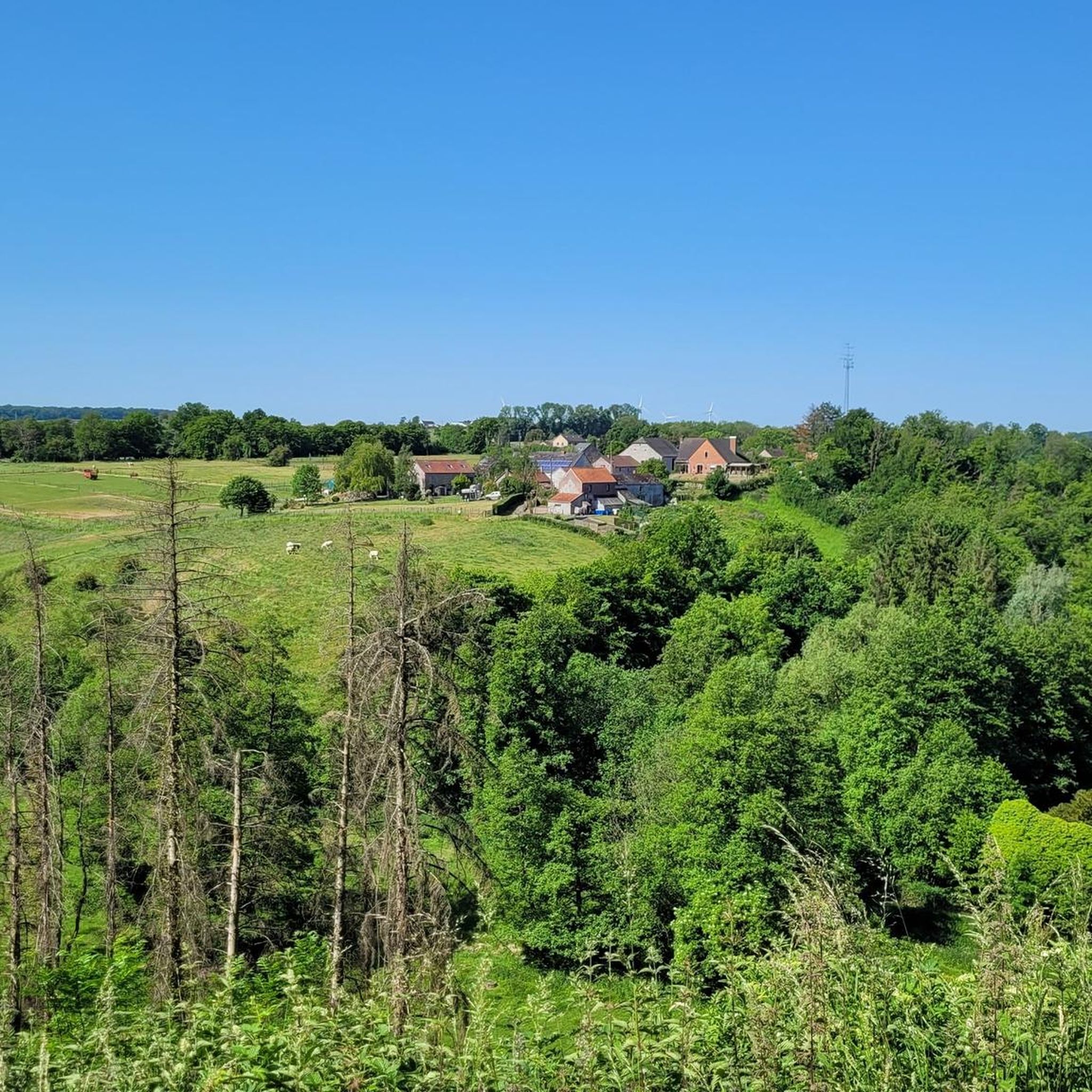
아브스노아 계곡 보기
하이라이트 (구간) • 기타
번역자 Google •
팁에 의해


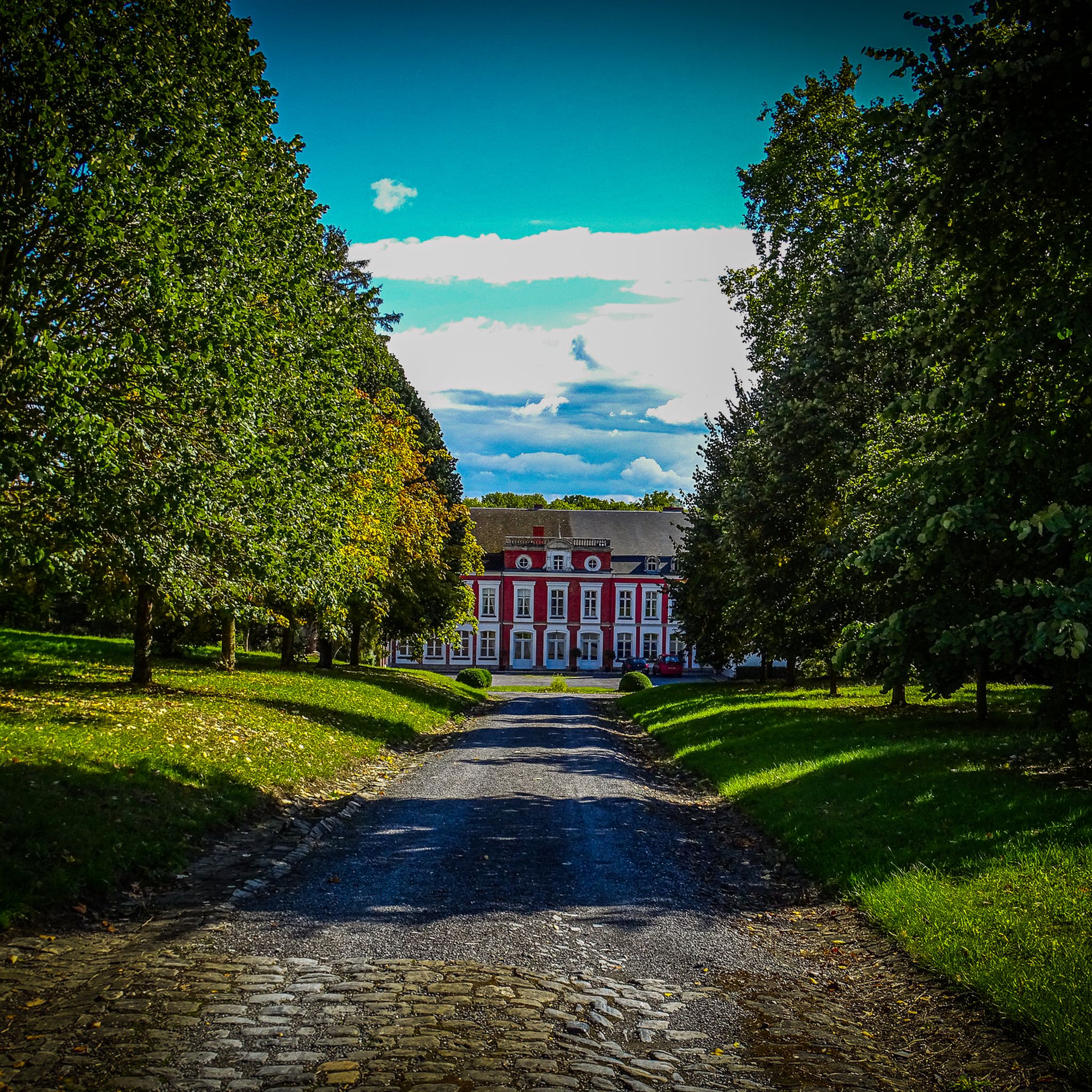
Château de Trélon
하이라이트 • 성
번역자 Google •
팁에 의해
무료로 가입하여 아베네스 쉬르 헬프 주변의 더 많은 명소를 발견하세요.
무료 회원 가입
이미 komoot 계정이 있나요?
오늘 무료 계정으로 시작하세요
다음 모험이 기다리고 있어요.
로그인 또는 가입하기
아베네스 쉬르 헬프 주변 인기 장소

아베네스 쉬르 헬프 주변의 다른 모험


커뮤니티 팁

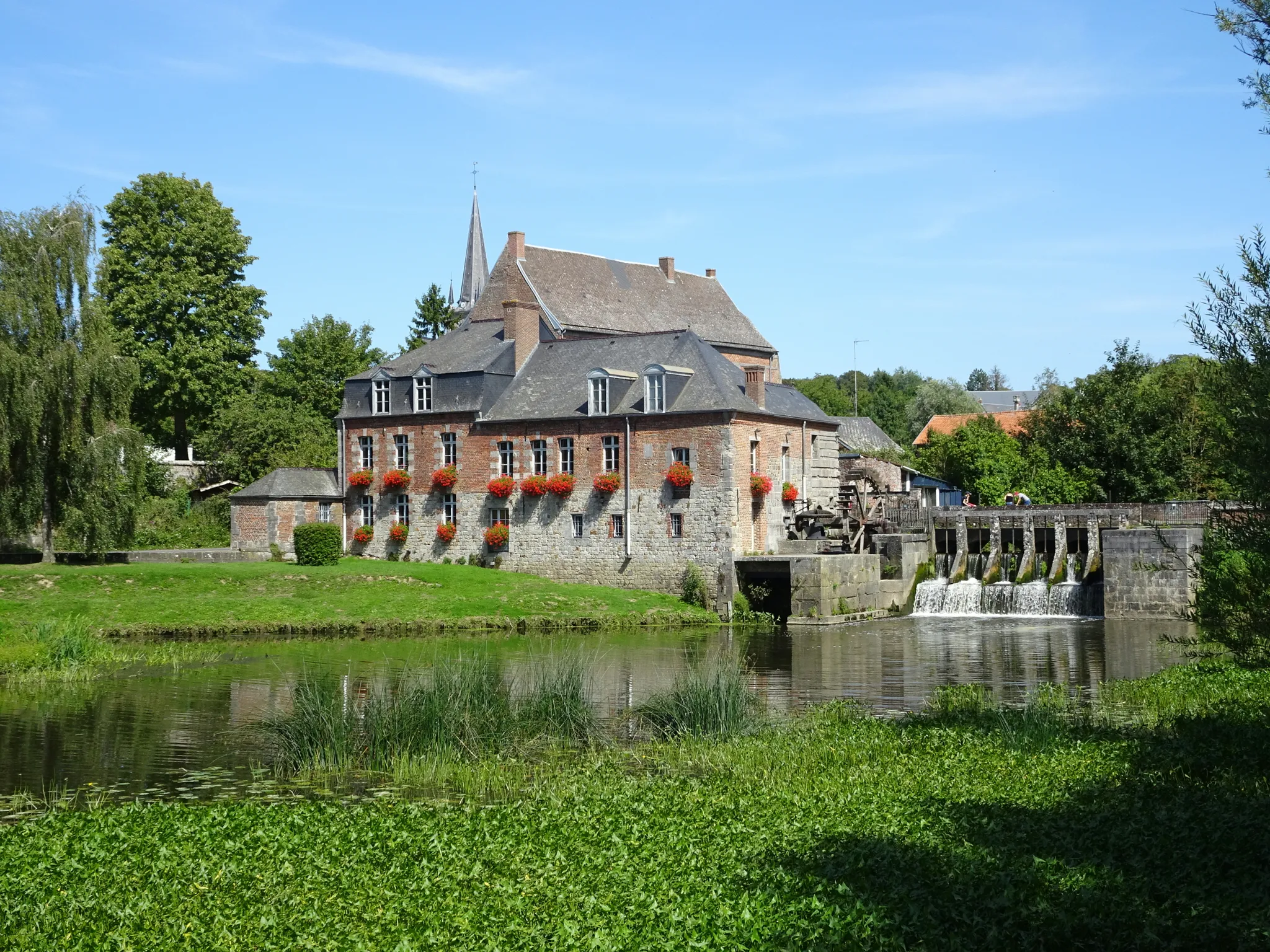
A beautifully restored old mill, picnic table for a break, a calm and peaceful spot
0
0


I only saw it from a distance but it is beautiful
0
0

The ramparts, built in the Spanish period, were modified by the famous Vauban himself. We can still admire the towers surrounding the city since the seventeenth century, as well as many other monuments: the tower of the Edifieur Baudoin, one of the oldest of all, Caesar Bastion built under Louis XIV the Green stronghold and the headquarters hospital, or the Fauroeulx door, the only one that did not suffer the Second World War and its demolition. The current castle, the Cernay, was built in the seventeenth century, replacing the twelfth century built by Baldwin IV of Hainaut. You can still see some remains of the original castle that served as a residence to Charles the Bold, as a gateway and a set of Romanesque cellars.
0
0

On 4 November 1918, New Zealand troops attacked the Vauban fortifications and liberated the town of Le Quesnoy, which had been occupied for four years. The New Zealand Peace Garden, called Rangimarie, is inspired by this Maori expression synonymous with peace and community. For the Maori, the quelles rangimarie represent the tranquillity of the hours before sunrise, when they can walk in the company of their ancestors. This garden invites a dialogue between cultures and memories. The red colour of the plantations is one of the sacred colours for the Maori and is reminiscent of the colour of the poppy, the symbolic flower of the Great War. Plants chosen for their medicinal or nutritional properties, such as taonga (medicinal plant) or harakeke (New Zealand flax), are planted along the ramparts. The former battle site has become a garden and welcomes visitors for a peaceful journey to meet the Rangimarie. In 2005, Xanthe White established her practice Xanthe White Design (XWD). She lives and works in Auckland. The role of the landscape artist is to act as a catalyst for the relationship between people and nature, through beauty and wonder. For this project she collaborated with Zoë Carafice, landscape architect at XWD, Charmaine Bailie, eco-restoration expert, and Tui Hobson, bench sculptor.
15
0
The fortifications of Le Quesnoy date back to the Middle Ages and were further strengthened in the 17th century under the direction of the famous military engineer Vauban. These fortifications were necessary to protect the city from attacks and sieges. The fortifications have been declassified since 1901, but they are still well maintained. The remparts are designed in a Renaissance style with heavily fortified walls and gateways. They are built of brick and stone, which is typical of the military architecture of that period. The fortifications include several bastions, such as the Porte Faurœulx and the Bastion Vert, which are strategically placed to protect the city.
12
0
The Jardin de la Paix Belge was created in 2018 by the collective artist group Plan B, consisting of Thomas Van Eeckhout and Mathieu Allain. The park is located in the fortifications of Le Quesnoy and is a symbol of peace and memory. The park was designed with a concept in which part of the city walls of Le Quesnoy is projected horizontally onto a lawn. The walls, originally 12 meters high, are now terraces that offer a peaceful place for walks and reflection. The use of brick and natural materials, such as engraved stones, emphasizes the historical and cultural ties between the regions.
14
0
아베네스 쉬르 헬프 주변에서 가장 인기 있는 경로
아베네스 쉬르 헬프 주변에서 가장 인기 있는 명소


찾고 계신 것을 찾지 못하셨나요?
근처의 멋진 장소를 더 탐험하고 싶으신가요? 우리의 가이드를 살펴보세요:
더 살펴보기
찾고 있는 하이라이트를 아직 못 찾으셨나요? 다른 지역의 주요 명소 가이드를 확인해보세요:
