20의 기시니가지 명소 & 주요 장소
기시니에는 둘러볼 만한 장소가 많답니다. 하이킹 또는 사이클링을 좋아한다면 기시니에 숨겨진 20
가지 보석을 만날 수 있을 거예요. 이 지역의 주요 명소를 살펴보면서 다음 모험을 계획해보세요.
마지막 업데이트: 10월 5, 2026


오늘 무료 계정으로 시작하세요
다음 모험이 기다리고 있어요.

커뮤니티 팁

매년 8월 15일, 교회는 (가톨릭) 전례력에서 대축일로까지 등급이 매겨진 사건을 기념합니다. 바로 성모 마리아의 승천이며, 통속적으로는 „마리아 승천“이라고 불립니다. 미사 경본에서 이 특별한 날을 위한 오늘의 기도는 다음과 같습니다: + „전능하시고 영원하신 하느님, 당신은 우리에게 그리스도를 낳아주신 복되신 동정 마리아를 모든 죄에서 보존하시고, 몸과 영혼을 하늘의 영광으로 들어 올리셨습니다. 우리가 희망과 위로의 이 표징을 바라보고 당신의 영광으로 인도하는 길에 머물도록 허락하소서.“
0
0

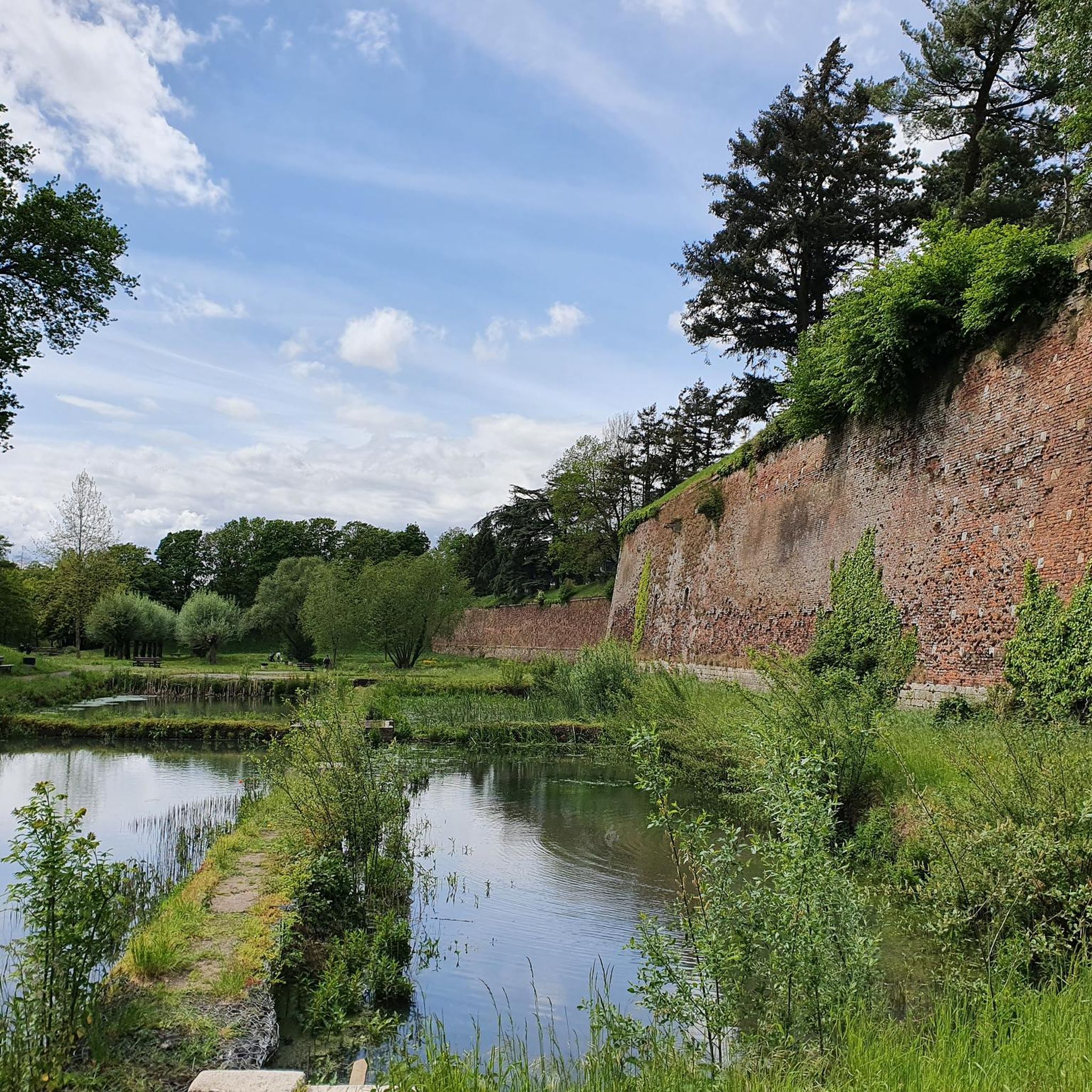
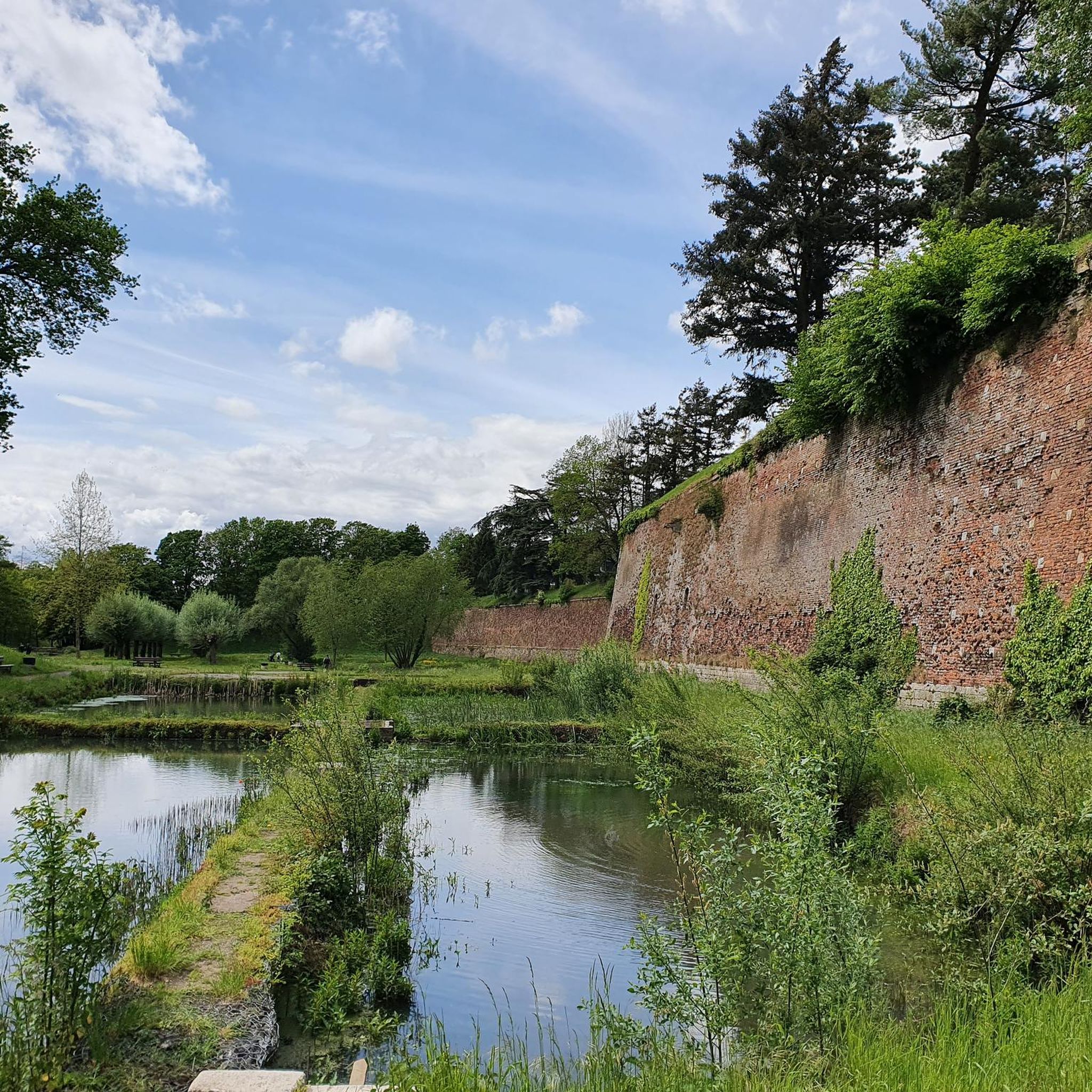
The ramparts, built in the Spanish period, were modified by the famous Vauban himself. We can still admire the towers surrounding the city since the seventeenth century, as well as many other monuments: the tower of the Edifieur Baudoin, one of the oldest of all, Caesar Bastion built under Louis XIV the Green stronghold and the headquarters hospital, or the Fauroeulx door, the only one that did not suffer the Second World War and its demolition. The current castle, the Cernay, was built in the seventeenth century, replacing the twelfth century built by Baldwin IV of Hainaut. You can still see some remains of the original castle that served as a residence to Charles the Bold, as a gateway and a set of Romanesque cellars.
0
0

On 4 November 1918, New Zealand troops attacked the Vauban fortifications and liberated the town of Le Quesnoy, which had been occupied for four years. The New Zealand Peace Garden, called Rangimarie, is inspired by this Maori expression synonymous with peace and community. For the Maori, the quelles rangimarie represent the tranquillity of the hours before sunrise, when they can walk in the company of their ancestors. This garden invites a dialogue between cultures and memories. The red colour of the plantations is one of the sacred colours for the Maori and is reminiscent of the colour of the poppy, the symbolic flower of the Great War. Plants chosen for their medicinal or nutritional properties, such as taonga (medicinal plant) or harakeke (New Zealand flax), are planted along the ramparts. The former battle site has become a garden and welcomes visitors for a peaceful journey to meet the Rangimarie. In 2005, Xanthe White established her practice Xanthe White Design (XWD). She lives and works in Auckland. The role of the landscape artist is to act as a catalyst for the relationship between people and nature, through beauty and wonder. For this project she collaborated with Zoë Carafice, landscape architect at XWD, Charmaine Bailie, eco-restoration expert, and Tui Hobson, bench sculptor.
15
0
The fortifications of Le Quesnoy date back to the Middle Ages and were further strengthened in the 17th century under the direction of the famous military engineer Vauban. These fortifications were necessary to protect the city from attacks and sieges. The fortifications have been declassified since 1901, but they are still well maintained. The remparts are designed in a Renaissance style with heavily fortified walls and gateways. They are built of brick and stone, which is typical of the military architecture of that period. The fortifications include several bastions, such as the Porte Faurœulx and the Bastion Vert, which are strategically placed to protect the city.
12
0
The Jardin de la Paix Belge was created in 2018 by the collective artist group Plan B, consisting of Thomas Van Eeckhout and Mathieu Allain. The park is located in the fortifications of Le Quesnoy and is a symbol of peace and memory. The park was designed with a concept in which part of the city walls of Le Quesnoy is projected horizontally onto a lawn. The walls, originally 12 meters high, are now terraces that offer a peaceful place for walks and reflection. The use of brick and natural materials, such as engraved stones, emphasizes the historical and cultural ties between the regions.
14
0
The belfry, also known as the Tour de l'Horloge, was built in the 17th century during the period of the fortified city of Le Quesnoy. The city had a more strategically important position and was fortified by the famous military engineer Vauban. The belfry served as a wake-up tower and a refuge during sieges. The belfry is designed in a Renaissance style with a circular plan. It is approximately 30 meters high and features a copper alarm clock that announces the hours. The tower is built of brick and stone and is decorated with various decorative elements that reflect the rich history of the city. In addition to its architectural value, the belfry also had an important function in the daily life of the city. It housed the city clock that woke and kept the inhabitants awake. During wars and sieges, it served as a strategic point for the defense of the city.
15
0
The original church on this site was Sainte-Marguerite, built around 1416. It was destroyed during the French Revolution in 1794. The current church was built between 1826 and 1829 after several architectural plans and revisions. The church was damaged during both world wars but has since been restored. The church is designed in a neoclassical style with a basilica plan. It has a neoclassical facade and a neo-Tuscan bell tower that is 26 meters high. Inside, the nave is divided by six stone columns and lit by 14 windows, while the choir receives light from two beautiful windows and a lantern. The interior of the church is decorated with beautiful stucco decorations illustrating the Immaculate Conception, as well as stained glass windows depicting various names of the Virgin Mary. The main altar shows an image of Mary helping Jesus crush the head of the serpent, a symbol of death and sin. There are also two large paintings, probably by a pupil of Titian, depicting the Annunciation and the Nativity.
16
0

기시니 주변에서 가장 인기 있는 명소


더 살펴보기
찾고 있는 하이라이트를 아직 못 찾으셨나요? 다른 지역의 주요 명소 가이드를 확인해보세요:
