베르빅-수드 최고의 워킹 & 하이킹 경로
4.4
(2175)
14,268
등산객
807
하이킹
정확한 경로를 찾는 것이 때로는 어렵지만 베르빅-수드에서 하이킹을 하면 다양한 경치를 마음껏 감상할 수 있답니다. 베르빅-수드에서 가장 멋진 하이킹과 워킹 중에서 마음에 드는 활동을 시작해보세요.
마지막 업데이트: 9월 8, 2026
4.1
(31)
238
등산객
7.95km
02:02
30m
30m
보통 하이킹. 좋은 체력 필요. 실력과 관계없이 누구나 쉽게 갈 수 있는 길.
4.7
(17)
125
등산객
3.60km
00:55
10m
10m
초급용 하이킹. 모든 체력 수준에 적합. 실력과 관계없이 누구나 쉽게 갈 수 있는 길.

4.1
(7)
41
등산객
11.5km
02:59
80m
80m
보통 하이킹. 좋은 체력 필요. 실력과 관계없이 누구나 쉽게 갈 수 있는 길.
5.0
(5)
29
등산객
15.6km
03:58
40m
40m
보통 하이킹. 좋은 체력 필요. 실력과 관계없이 누구나 쉽게 갈 수 있는 길.
4.8
(4)
27
등산객
5.22km
01:20
20m
20m
초급용 하이킹. 모든 체력 수준에 적합. 실력과 관계없이 누구나 쉽게 갈 수 있는 길.
더 다양한 경로와 다른 탐험가들의 추천을 살펴보세요.
이미 komoot 계정이 있나요?
투어 추천은 다른 사람들이 komoot에서 완료한 수천 개의 활동을 바탕으로 구성되어 있습니다.
오늘 무료 계정으로 시작하세요
다음 모험이 기다리고 있어요.


커뮤니티 팁

The crossing to a forest where you can still walk.
0
1

Memorial originally erected for the Wervik military and civilian victims of the First World War. The memorial, designed by Jules Bernaerts, was initially erected on the corner of the church square at the Sint-Medardus Church, at the intersection of Koestraat and Magdalenastraat. The memorial was unveiled on May 13, 1923, during a "Great Military and Patriotic Celebration." After the Second World War, the names of the 12 soldiers from Wervik who fell in 1940 were inscribed on a plaque. The names of six resistance fighters who lost their lives during that war were also inscribed on the plaque. In 1965, the memorial was moved and adapted (the background wall was demolished, the French text was removed, etc.) and a second time in January 1970, to its current location. The statue is two meters high and exceptionally detailed. It depicts a Belgian soldier from the war year of 1918. He is wearing the "cap coat" of the "khaki uniform," the uniform introduced in the Belgian army from 1915 onwards. He is not wearing a headdress, but his head is bandaged. The Belgian "Adrian" helmet hangs on his left hip: the front with the lion's head facing upward. The helmet is deeply scratched at the left front by a bullet. In his left hand, he carries laurel branches as a symbol of honor and victory. The statue shows that this was a hard-fought victory. In his right hand, he holds a rifle. Source: Inventory of Immovable Heritage
1
0
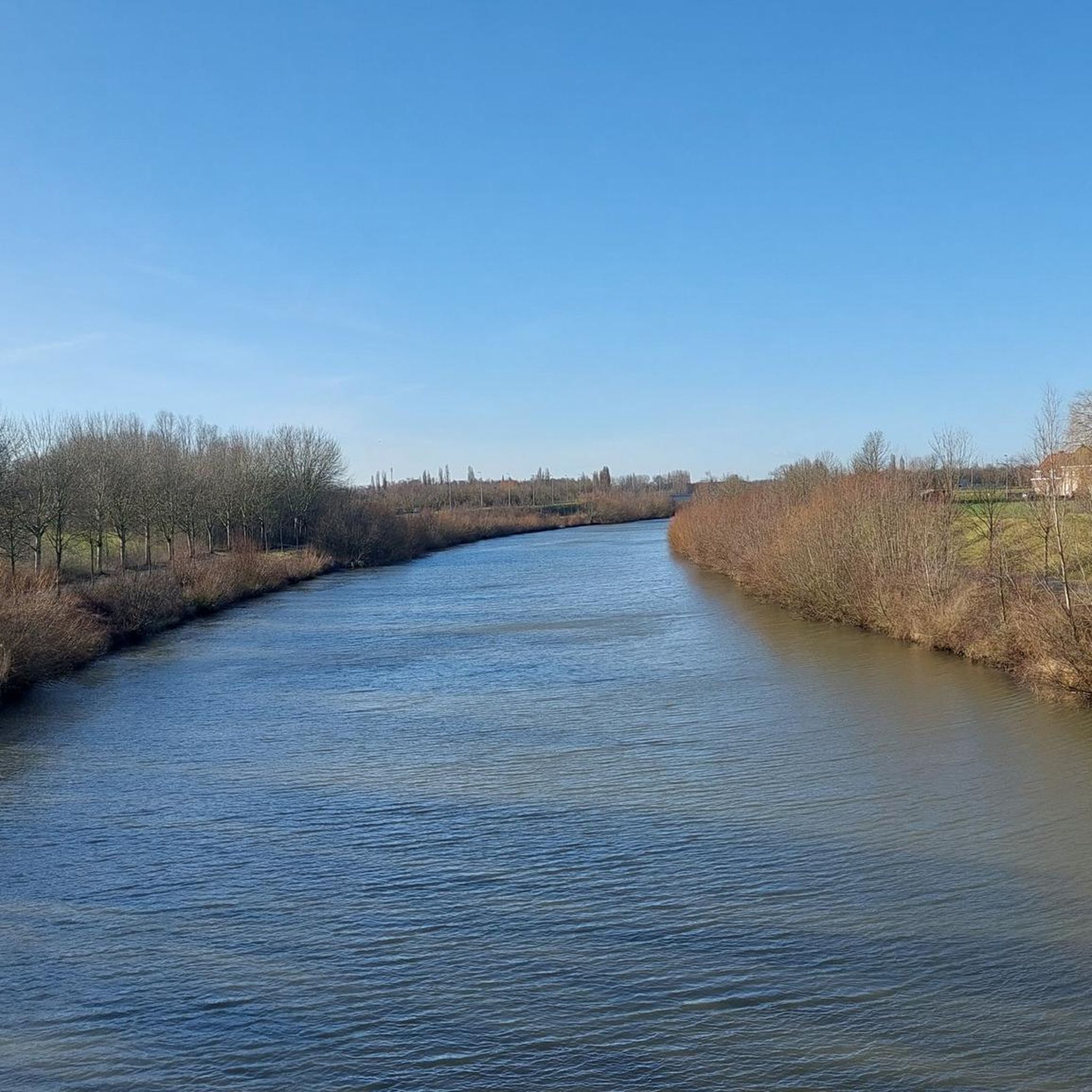
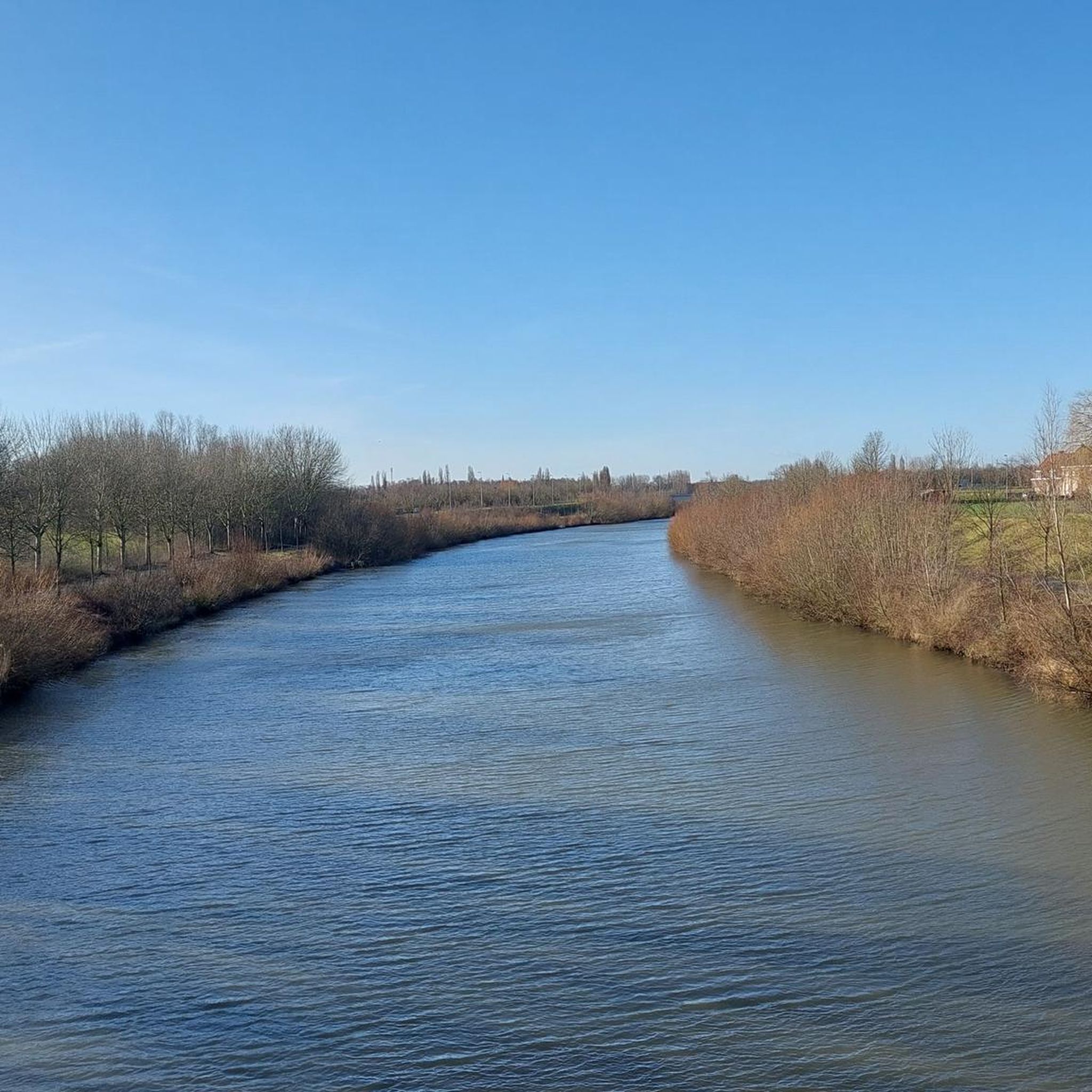
In 1920, a new branch of the Leie was excavated in Menen and fitted with locks. In 1990, engineers diverted the course of the Leie again, creating a small island between the old and new riverbeds. It lies on French territory and is now a pleasant park. You can reach it via the bridge over the locks. (See the highlight "Old Leie Branch") The locks' age is evident in their construction materials: not concrete, but individual stones. The 1920 work was intended to make the Leie navigable for boats up to 300 tons – by comparison, the river is now suitable for vessels up to 1,350 tons. The complex has been a protected monument since 2005. Source: toerisme-leiestreek.be
3
0
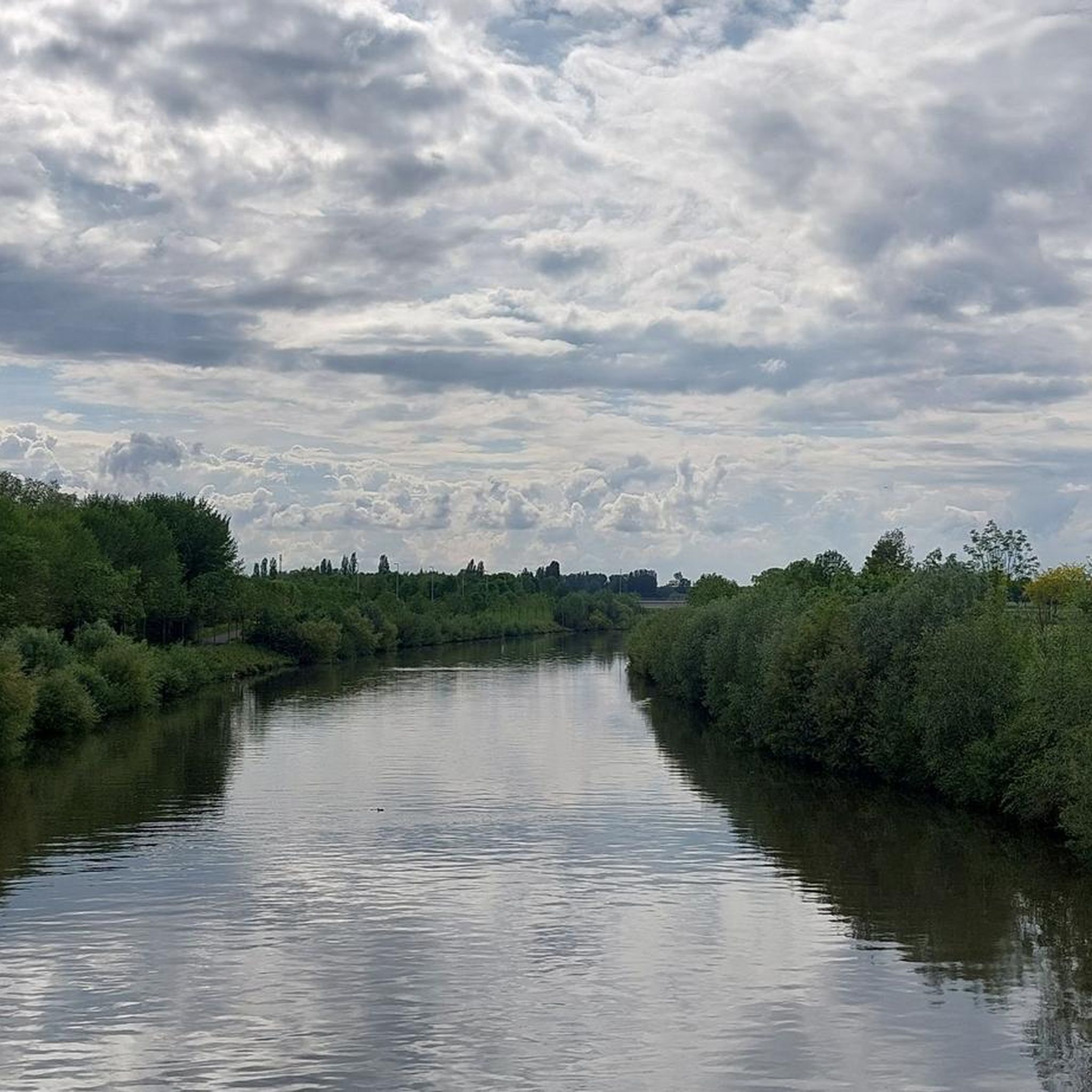
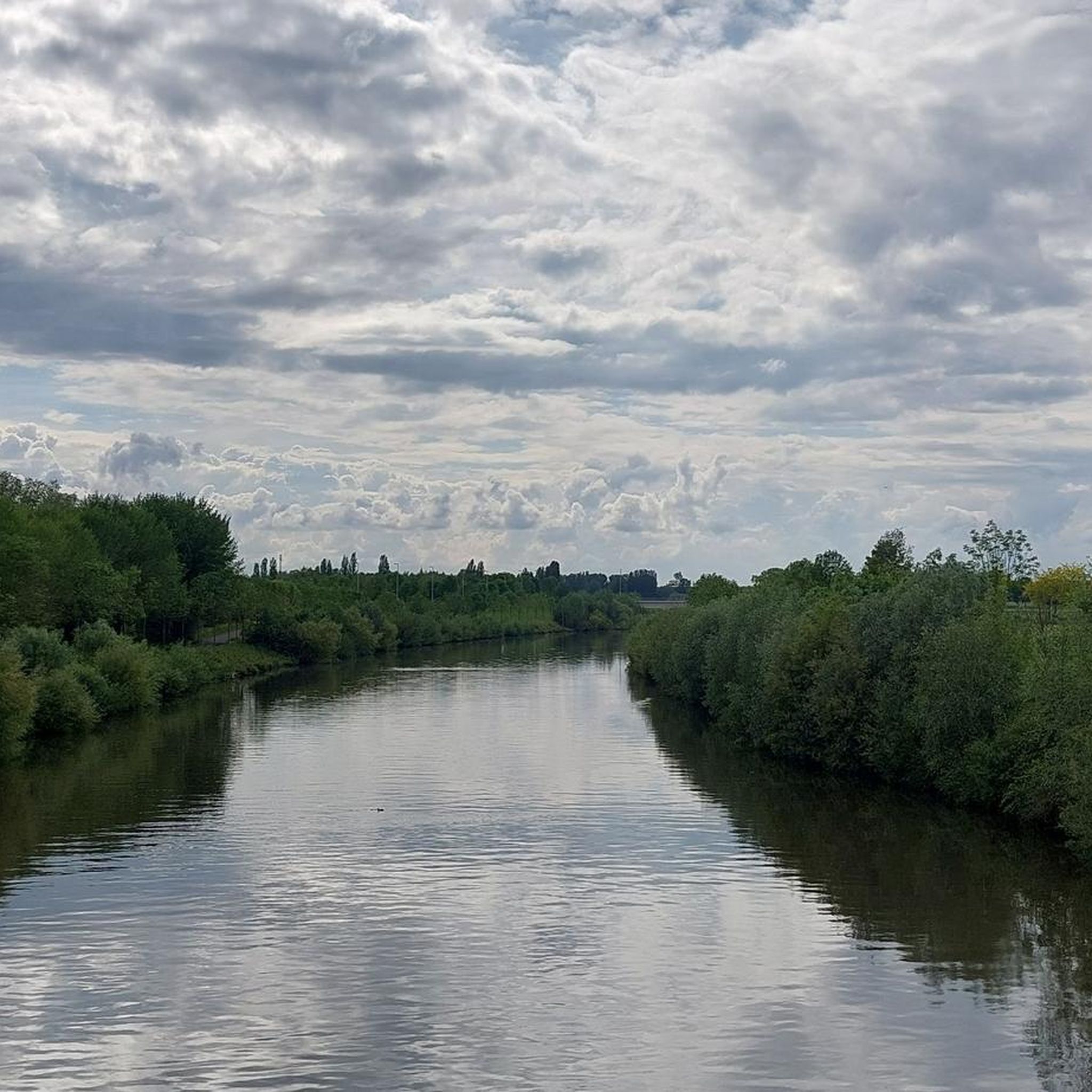
Besides connecting two banks and two countries, the bridge also appears to form a dividing line between two worlds: on the western side, the industrial character of the 180-meter-long quay of the container terminal and the recycling company Galloo France; on the eastern side, primarily green and residential areas.
3
0


Easy to go and visit the park across the river. Note than you cannot cycle in the parc, please respect this.
1
0
Path between the Leie and the Oude Leie. Although you are walking on the southern bank of the Leie, you are still in Belgium. After all, it is the Oude Leie that determines the border here.
2
0
베르빅-수드 주변에서 가장 인기 있는 명소


더 살펴보기
다른 지역의 최고의 하이킹를 살펴보세요.
