르 고페르쉬 최고의 라이딩 경로
4.4
(12)
217
자전거 타는 사람
97
라이딩
르 고페르쉬의 로드 사이클링 경로를 찾으시나요? 그렇다면 르 고페르쉬 로드 라이딩 컬렉션 중에서 가장 멋진 라이딩 장소를 아래에서 살펴보세요.
마지막 업데이트: 10월 19, 2026
2
자전거 타는 사람
47.1km
02:08
390m
400m
보통 도로 자전거 타기. 좋은 체력 필요. 지면 대부분이 잘 포장되어 있고 라이딩하기 쉬움.
5.0
(1)
5
자전거 타는 사람
47.6km
02:31
550m
550m
보통 도로 자전거 타기. 좋은 체력 필요. 투어 중 라이딩하기 어려운 비포장 구간이 있을 수 있음.

7
자전거 타는 사람
82.2km
03:40
750m
750m
보통 도로 자전거 타기. 좋은 체력 필요. 지면 대부분이 잘 포장되어 있고 라이딩하기 쉬움.
4.5
(2)
6
자전거 타는 사람
50.7km
02:14
300m
300m
보통 도로 자전거 타기. 좋은 체력 필요. 투어 중 라이딩하기 어려운 비포장 구간이 있을 수 있음.
6
자전거 타는 사람
64.6km
02:41
340m
340m
보통 도로 자전거 타기. 좋은 체력 필요. 지면 대부분이 잘 포장되어 있고 라이딩하기 쉬움.
더 다양한 경로와 다른 탐험가들의 추천을 살펴보세요.
이미 komoot 계정이 있나요?
투어 추천은 다른 사람들이 komoot에서 완료한 수천 개의 활동을 바탕으로 구성되어 있습니다.
오늘 무료 계정으로 시작하세요
다음 모험이 기다리고 있어요.
르 고페르쉬 주변 인기 장소


커뮤니티 팁

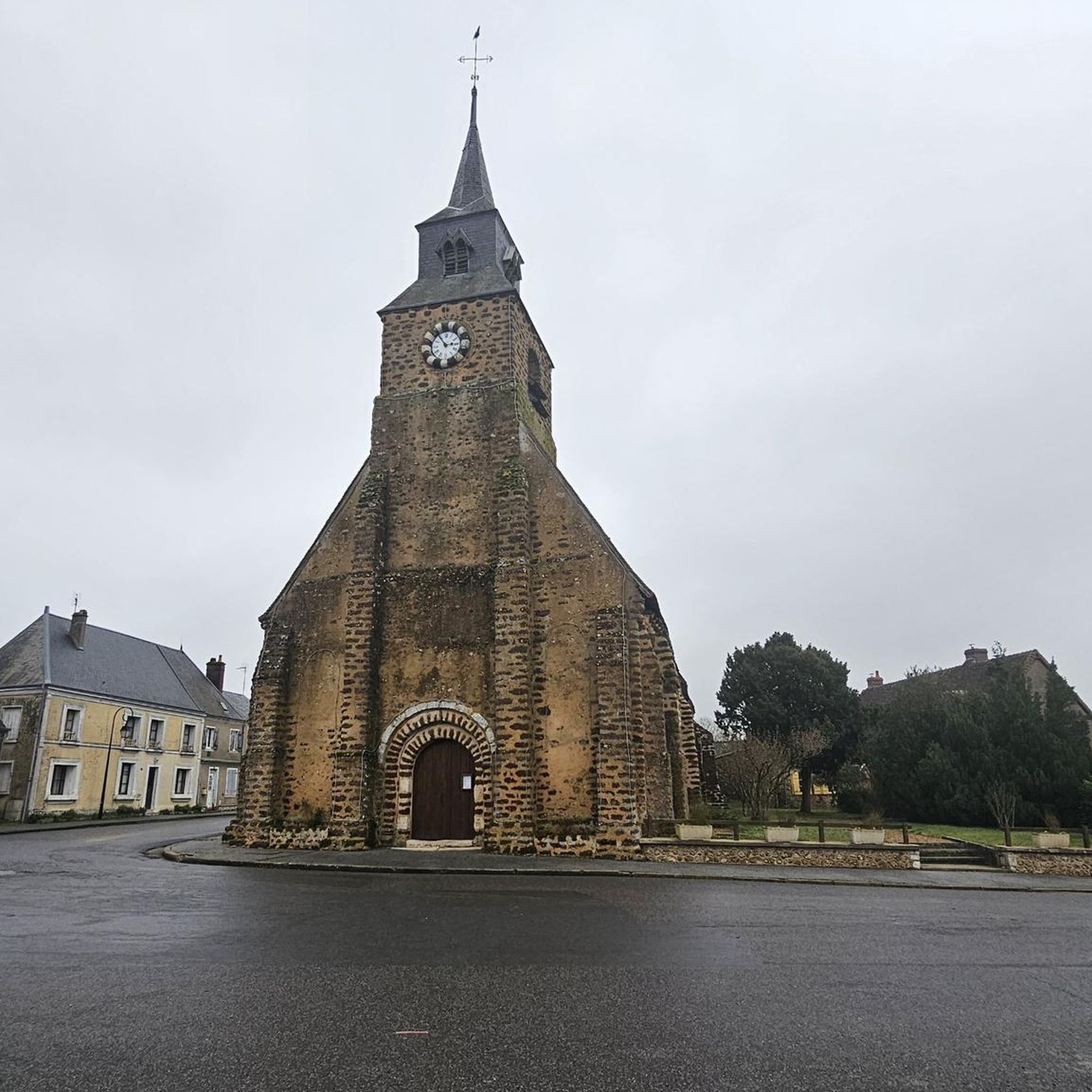
13세기부터 샤르트르 근처 생페르 수도원의 부속물로 언급된 노트르담 데 에티유 교회는 세 개의 서로 다른 부분으로 구성되어 있으며, 가장 놀라운 것은 3단으로 된 사각형 종탑으로, 슬레이트로 덮인 종루와 작은 등불이 얹혀 있습니다. 1577년에는 개신교도들이 이곳에서 설교를 했다고 합니다. 창립 이래 이 교회는 여러 차례의 변형을 겪었으며, 특히 합창단의 장식은 비교적 최근의 것으로, 석고로 된 맑은 날의 적운이 얽혀 있어 초기 석벽과 뾰족한 아치형 개구부를 짐작하게 합니다. 아름다운 플랑부아양 양식의 문이 서쪽으로 열려 1995년에 개조된 광장으로 이어지며, 동쪽 부분인 성구실 쪽에는 합창단의 경사면을 장식하는 가고일 줄이 보존되어 있습니다. 이 교회는 14세기 양식을 특징으로 하는 뚜렷한 엉덩이 기울기, 얼굴 표정, 망토의 주름이 돋보이는 아기 예수와 함께 있는 성모 마리아 상으로 유명합니다.
0
0
생 조르주 드 수앙세 교회는 길이가 34m에 달하는 거대한 건축물입니다. 16세기에 지어졌으며, 아마도 더 오래된 건물 위에 세워졌을 가능성이 있으며, 19세기에는 여러 차례 개조되었습니다. 특히 1862년에는 납골당과 작은 예배당이 추가되었고, 1894년에는 신도의 좌석 공간의 창문이 확장되고 성가대석의 아치형 천장이 보수되었습니다. 교회의 평면은 네 개의 구획으로 이루어진 신도의 좌석 공간, 같은 너비의 성가대석 구획, 그리고 오각형의 후진으로 구성됩니다. 정사각형 평면의 종탑은 신도의 좌석 공간과 좁은 통로로 연결됩니다. 19세기에 지어진 납골당은 성가대석 구획과 연결되어 있으며, 마지막으로 옆에 있는 예배당은 후진의 오른쪽 부분으로 열립니다. 가파른 경사면에 자리한 건물의 외부 실루엣은 후진의 뾰족한 박공에 의해 지배됩니다. 높이 21m의 종탑은 사면 지붕으로 덮여 있습니다. 두 개의 하부 층은 벽의 두께, 돌출이 적은 버팀벽의 배치, 오래전에 폐쇄된 좁은 아치형 창문 등으로 미루어 보아 13세기로 거슬러 올라갈 수 있습니다. 외부에는 돌출된 띠가 이 두 층의 분리를 강조합니다. 종이 있는 최상층만이 높은 창문으로 뚫려 있으며, 탑의 기초 부분에 비해 약간 후퇴하여 지어졌고, 이 후퇴 부분은 석조 몰딩으로 강조됩니다. 서쪽 파사드의 박공은 합창석의 박공보다 약간 낮으며, 합창석과 마찬가지로 매우 뾰족한 프로필을 가지고 있습니다. 둥근 장식과 갈고리로 마무리됩니다. 플랑부아양 양식의 포털은 상당히 흔한 모델입니다. 두 개의 기둥으로 둘러싸인 낮은 아치는 곱슬곱슬한 장식으로 덮여 있습니다. 두 개의 창이 있는 뾰족한 아치형 창문이 박공 벽에 포털과 같은 축선상에 열려 있습니다. 두 개의 두꺼운 모서리 버팀벽은 16세기에 지어졌을 것으로 추정됩니다. 수앙세 백작은 지난 세기에 측벽에 열린 창문들이 더 오래된 반원형 아치형 창문들을 대체했다고 주장합니다. 건물 내부에서 신도의 좌석 공간은 판자로 덮여 있으며, 세기 초에는 "바르도(bardeaux)"라고 불렸습니다. 반면 16세기 성가대석은 리브 볼트로 덮여 있습니다. 1520년경에 시작된 건축이 1542년 이전에 완료되었음을 비트리(vitraux)와 빌랑드리 영주인 르 브르통 가문, 수앙세 가문, 몽두세 가문의 문장(écussons) 연구를 통해 알 수 있습니다. 이 문장들은 성가대석의 첫 두 구획의 볼트 키에 나타납니다. 성가대석의 비트리는 교회의 수호성인인 성 조지의 삶을 묘사합니다. 문서화가 제대로 되지 않은 채 해체된 후, 19세기에 무질서하게 재조립되었습니다. 그러나 1907년에 등재되었고, 1923년에 납으로 복원되었으며, 이 복원은 1926년에 비엘레트(Pellechot) 유산을 통해 비문학 아카데미(Académie des Inscriptions et Belles-Lettres)로부터 5,000 프랑의 상을 받는 근거가 되었습니다. 이 아카데미의 통신원인 수앙세 백작은 1930년에 교회의 성가대석과 종탑의 보충 목록 등재를 요청하여 승인받았고, 1935년에는 파사드와 신도의 좌석 공간을 덮는 판자의 보호 조치를 받았습니다. 이 보호 조치는 역사 기념물 건축가인 마누리(Maunoury)가 막 완료한 작업을 잘못된 복원으로 손상시키는 것을 방지하려는 의도에 의해 정당화되었습니다. 수앙세 백작은 이전에 건물에서 이루어졌던 유감스러운 개입들을 상기시켰습니다. 신도의 좌석 공간 창문의 확장, 탑 지붕에 철근 콘크리트 채광창 설치, 그리고 더 심각하게는 1874년 제단 교체 시 발견된 벽화의 제거 등이었습니다. 프랑스 예술 보존 재단(La Sauvegarde de l’Art français)은 2002년에 건물 위생 작업과 종탑 복원을 위해 7,000 유로를 지원했습니다. 이 작업은 6년 동안 연기되었습니다.
0
0
Placed under the patronage of Saint Hilaire, this parish was given by Gannelon de Montigny, lord of the place, to the abbey of Marmoutier around 1042. Its reconstruction probably dates from this period; it then became a priory. The church has a rectangular nave ending in a choir with a flat chevet. An examination of the masonry easily reveals two distinct periods of construction: the Romanesque period and the Renaissance. Built of flint rubble with rendering, the western part of the building appears to date from the 11th or 12th century. A limestone cornice supported by rather crude corbels underlines the base of the roof. To the south, two narrow Romanesque windows flared inwards light the nave. To the north, the bays were later reworked and enlarged. On this same side, a Romanesque doorway was walled up; It allowed the church to connect with a building whose traces of detachment remain. The bell tower was built to the north of the Romanesque nave, extending the western façade. The absence of a connection between the east and west walls of the bell tower and the north wall of the nave clearly indicates that it is an entirely later construction. However, its crowning is much later, as evidenced by its cornice, whose molding is in the classical style. Flanked by obliquely angled buttresses, it is covered with a saddleback roof. The eastern half of the church appears to be an extension built during the Renaissance period. Its ogee-shaped cornice and the decoration of the eastern gable, as well as the moldings of the buttress bands, attest to this dating. A vast rectangular choir then appears to have replaced a semicircular Romanesque apse; the eastern gable and the southern and northern façades were then pierced with networked bays. In the lower part of the north façade, projecting ashlars appear to have supported the roof of a lean-to building. To the south, a sacristy was built in the 19th century. Inside, the entire building is covered with a paneled vault with exposed tie beams and kingposts. The 18th-century high altar is surmounted by an Assumption of the Virgin inspired by Murillo's. For the restoration of the roofs and façades, the Sauvegarde de l'Art Français (French National Art Protection Agency) awarded a grant of €30,490 in 2001.
0
0
The Church of Saint Sauveur La Trinité, probably built in the 12th century, is notable for its Romanesque windows with columns and capitals. On its walls, alternating with the consecration crosses, one can admire a Stations of the Cross in blue enamel on earthenware. The choir is lit by five Romanesque windows decorated with stained glass depicting Our Lord and the four Evangelists.
0
0

The church dates from the 12th century and was remodeled in the 15th or 16th century, its buttresses and bell tower date from the 19th century. It houses a wrought iron communion table from the 18th century.
0
0
In the Middle Ages, Saint-Avit-au-Perche was a priory of the abbey of Saint-Calais, founded by Avit's companion. Today's church dates from the very beginning of the 12th century. It consists of a five-bay nave ending in a semicircular apse. It is covered with chestnut shingles. Several original windows remain; others have been reworked (including the first window, on the north side). This can be seen in the shape of the keystones. A walled-up side door to the south can be seen from the outside. It has an enormous mitre lintel. Inside, it has been transformed into a niche housing Our Lady of Lourdes. The apse is flanked by projecting buttresses. Those at the corners of the façade are from the 15th century. The western portal in a pointed arch is a 15th-century renovation that was completely redone at the end of the 20th century.
0
0
From its source to its confluence with the Ozanne, the Sainte-Suzanne covers 19.2 km and crosses 5 communes. From upstream to downstream: Authon-du-Perche; Beaumont-les-Autels; Coal pits; Les Altars-Villevillon; A glass.
0
0
르 고페르쉬 주변에서 가장 인기 있는 경로
르 고페르쉬 주변에서 가장 인기 있는 명소


더 살펴보기
다른 지역의 최고의 로드 사이클링 경로를 살펴보세요.
