マムジャダ/マモイアーダ周辺のアトラクション&必見スポット - トップ20
マムジャダ/マモイアーダには必見のスポットがたくさんあります。ハイキング愛好家やサイクリング愛好家の方は、ぜひマムジャダ/マモイアーダを探索してこのエリアにある20
の隠れたスポットを訪れてみてください。このエリアの必見スポットを確認し、次の冒険に出かける計画を立てましょう。
最終更新日: 8月 29, 2026
オルゴソロの壁画
ハイライト • 記念碑
翻訳者 Google •
役立つ情報 は

モンテ・オルトベーネのキリスト救世主像
ハイライト • 記念碑
Source: it.wikipedia.org/wiki/Monte_Ortobene
翻訳者 Google •
役立つ情報 は

今すぐサインアップして、こんな場所を発見しよう
最高のシングルトラック、ピーク、その他のエキサイティングなアウトドアスポットのおすすめを受け取ろう。
無料新規登録
ノストラ・シニョーラ・デッレ・グラツィエ聖堂
ハイライト • 宗教的な場所
翻訳者 Google •
役立つ情報 は
Coop Enis Monte Maccione レストラン&ホテル
ハイライト • レストラン
翻訳者 Google •
役立つ情報 は

ファブリツィオ・デ・アンドレの壁画、オルゴソロ
ハイライト • 記念碑
翻訳者 Google •
役立つ情報 は

無料でサインアップして、さらに多くの観光スポットを発見しましょう マムジャダ/マモイアーダでの。
無料新規登録
すでにアカウントをお持ちですか?
無料アカウントで今日から始めよう
次の冒険が待っています。
ログインまたは登録
コミュニティからのヒント

Feels like 100 curves to the top
0
0

The guitar player depicted here represents the Italian singer-songwriter Fabrizio de André who in one of his most famous songs, "Preghiera in Gennaio", sings about another artist, Luigi Tenco, a young Genoese singer like him, who committed suicide.
0
0

The statue of the Redeemer is a bronze work placed on a peak of Mount Ortobene near Nuoro, at a height of 925 metres above sea level.
0
0

At the top of Monte ORTOBENE, hikers will not find a classic summit cross, as is the case with many mountain ridges. Instead, there is a statue of the "Christo Redentore". Jesus Christ, the Savior and Redeemer, appears to be floating above the mountain as the resurrected one, as his feet no longer touch the ground. The cross held in one hand is therefore no longer a sign of death, but has become a symbol of the overcoming of sin and death. The artist of the statue has succeeded in portraying this Christian belief in a relaxed elegance.
2
0

The small campsite directly behind the hotel in the dark forest is very rudimentary and can only be recommended to a limited extent. It seems to be run rather reluctantly (it is not advertised anywhere). The hotel itself is upscale and well attended, especially at weekends. Hikers can park in front of the hotel grounds.
0
0

History According to legend, the Sanctuary was born thanks to an archaic wooden statue found by a shepherd in the 17th century, who miraculously healed the city from the plague. The ancient sacred building was built in 1670, thanks to the project by Nicola Ruiu Manca, then replaced by a church in 1946. Since 1957, the icon of the Madonna delle Grazie has been kept in the new Sanctuary, next to the church. The Sanctuary The new Sanctuary was designed in the 1950s by the architect Don Verri and is characterized by a high facade, in polished granite, decorated with mosaics representing the fifteen Mysteries of the Rosary. Of the ancient Sanctuary we can only notice the facade, consisting of an ornate portal and a trachyte rose window, derived from the older church of Nuoro. The Sanctuary, as a whole, is formed by a very simple architectural scheme: an elongated room, covered by a barrel vault, which ends in a square presbytery. Inside we can admire two superimposed altars where, in the upper altar, the Virgin of Grace is kept. The small wooden sculpture represents a young woman holding the Child to her breast with her left hand and who, in turn, holds the world in the palm of her hand. To appreciate the cycle of seventeenth-century frescoes that outline the figures of the twelve Apostles with other Saints. Noteworthy is the imposing bell tower, which was also part of the previous Sanctuary. Source: https://www.vaticano.com/turismo/scheda_19_santuario-di-nostra-signora-delle-grazie.html
0
0
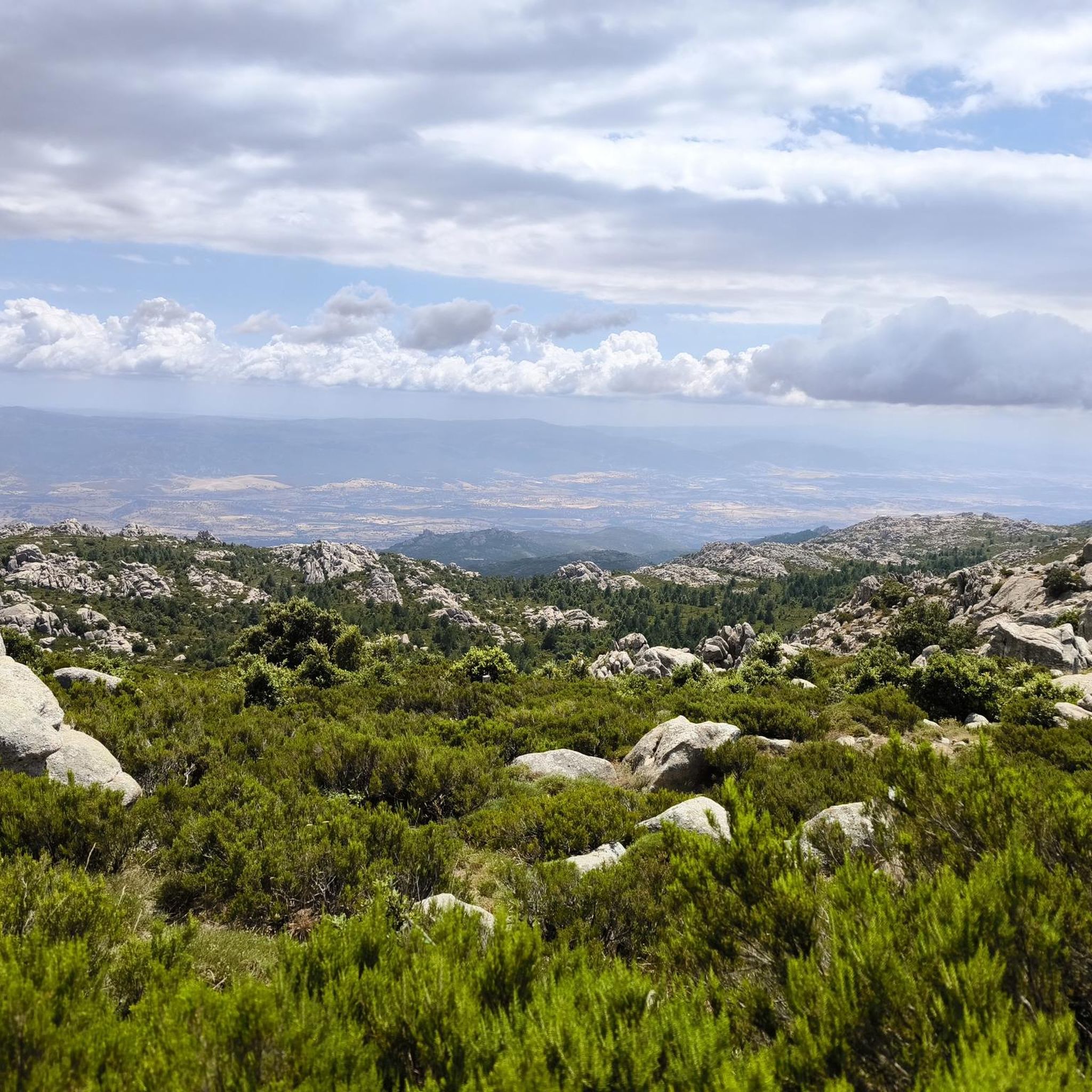
Mount Ortobene is an ancient granite hill, which rises east of the city of Nuoro. It is 955 meters high above sea level. Source: https://it.wikipedia.org/wiki/Monte_Ortobene
1
0

Orgosolo is 21 km south of the provincial capital, Nuoro. The place is in the center of the rugged Supramonte mountains in the heart of the Barbagia. Monte Lisorgoni (978 m asl) rises above the village. The neighboring municipalities are: Dorgali, Fonni, Mamoiada, Nuoro, Oliena, Talana, Urzulei and Villagrande Strisaili.
2
1
マムジャダ/マモイアーダでのの人気観光スポット

komootモバイルアプリでインスピレーションを得よう


さらに探索
まだ探しているハイライトが見つかりませんか?他の地域のトップアトラクションのガイドを見てみましょう:
