オルーネ周辺のアトラクション&必見スポット - トップ20
オルーネには必見のスポットがたくさんあります。ハイキング愛好家やサイクリング愛好家の方は、ぜひオルーネを探索してこのエリアにある20
の隠れたスポットを訪れてみてください。このエリアの必見スポットを確認し、次の冒険に出かける計画を立てましょう。
最終更新日: 8月 30, 2026
モンテ・オルトベーネのキリスト救世主像
ハイライト • 記念碑
Source: it.wikipedia.org/wiki/Monte_Ortobene
翻訳者 Google •
役立つ情報 は

ス・テンピエスの聖なる井戸
ハイライト • 歴史的な場所
翻訳者 Google •
役立つ情報 は

今すぐサインアップして、こんな場所を発見しよう
最高のシングルトラック、ピーク、その他のエキサイティングなアウトドアスポットのおすすめを受け取ろう。
無料新規登録
ノストラ・シニョーラ・デッレ・グラツィエ聖堂
ハイライト • 宗教的な場所
翻訳者 Google •
役立つ情報 は
トンバ・デイ・ジガンティ・S'Ena e Thomes
ハイライト • 歴史的な場所
翻訳者 Google •
役立つ情報 は

モンテ・オルトベーネ(ヌオーロ - サルデーニャ)
ハイライト • 山頂
There are two main parks: "Sedda Ortai" and "Il Redentore". At the feet of the …
役立つ情報 は

無料でサインアップして、さらに多くの観光スポットを発見しましょう オルーネでの。
無料新規登録
すでにアカウントをお持ちですか?
無料アカウントで今日から始めよう
次の冒険が待っています。
ログインまたは登録
コミュニティからのヒント

Work from the Bronze Age (18th to 16th century BC) is part of the Nuragic Sardinia, restored in 1977
0
0

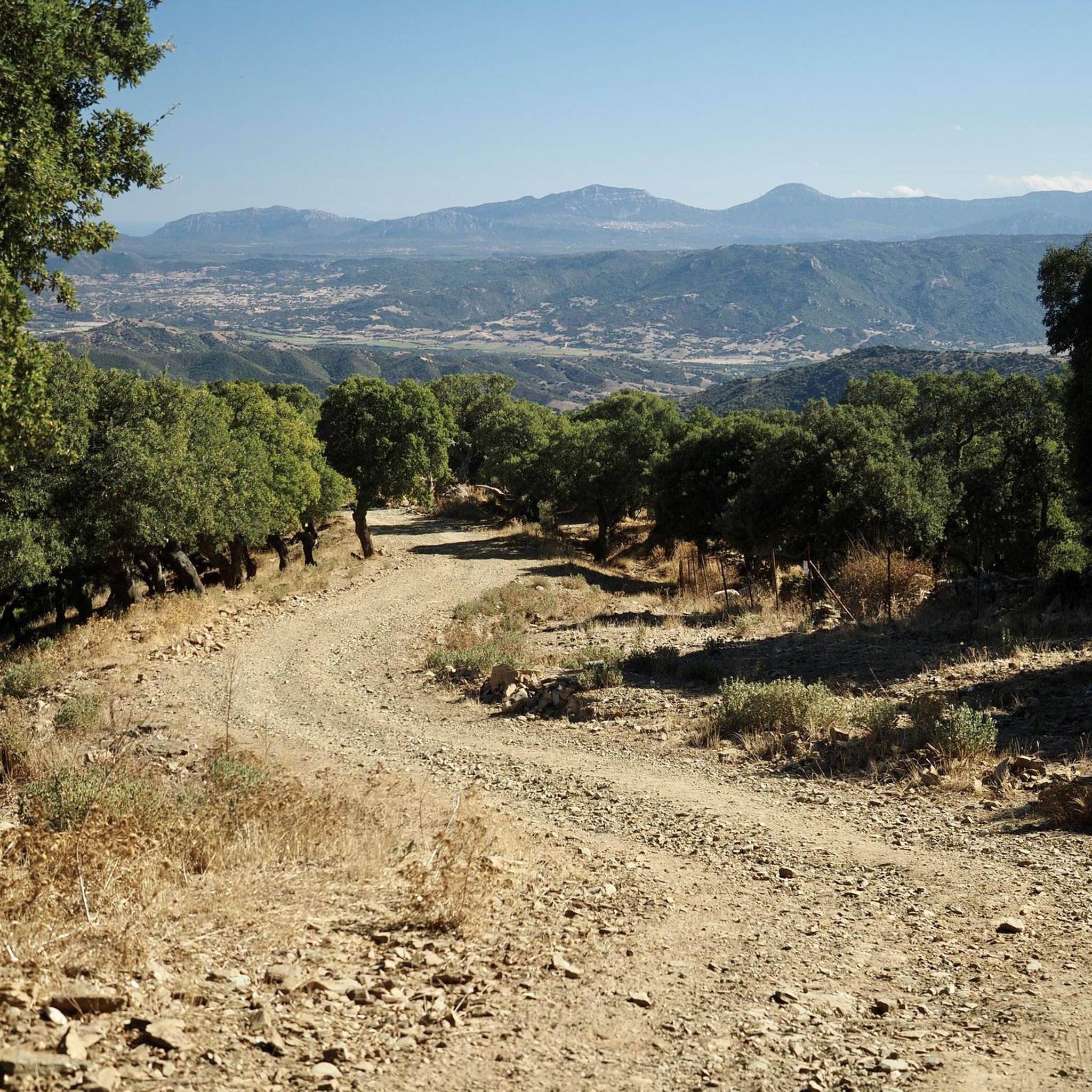
Incredibly beautiful to bike here
0
0

Feels like 100 curves to the top
0
0

The tomb dates from the Bronze Age and has a dolmen structure with a central stele. The large exedra is made up of slabs stuck into the ground and arranged in descending order of size from the stele. The burial hall, rectangular and about 11 m long, is covered with large stone slabs arranged in a jack arch.
2
0
The Giant's Tomb of S'Ena'e Thomes is an archaeological site from the Nuragic period in the municipality of Dorgali in the province of Nuoro, Sardinia.
2
0

The statue of the Redeemer is a bronze work placed on a peak of Mount Ortobene near Nuoro, at a height of 925 metres above sea level.
0
0

At the top of Monte ORTOBENE, hikers will not find a classic summit cross, as is the case with many mountain ridges. Instead, there is a statue of the "Christo Redentore". Jesus Christ, the Savior and Redeemer, appears to be floating above the mountain as the resurrected one, as his feet no longer touch the ground. The cross held in one hand is therefore no longer a sign of death, but has become a symbol of the overcoming of sin and death. The artist of the statue has succeeded in portraying this Christian belief in a relaxed elegance.
2
0

One of the most important and complete testimonies that the Nuragic culture has left us. Su Tempiesu is a fountain temple dedicated to the worship of water deities and was built using the Opus Isodomum technique with perfectly crafted trachyte and basalt blocks. The origin dates back to the Late Bronze Age (13th century BC) and was frequented until the beginning of the Iron Age (4th century BC). Discovered in 1953, the site is located on a rock face where spring water flows and supplies the holy well with water. Su Tempiesu is the only remaining original evidence of a covered, hilltop sacred well structure. The temple is about seven meters high and consists of a vestibule, a staircase and a chamber that protects the source of the spring water. The vestibule is square with a slightly sloping floor and projecting walls and is made of panels that form a narrow pointed arch. There are two counter seats at the base of the side walls, while the small offering cabinets are positioned in the brickwork. The back wall leads to an outward-facing, curved staircase. Four steps lead to a small room with a tholos (false dome) and paved floor and a decantation pit in the middle. The roof is exceptional: it is a double-pitched roof with double-shaped eaves. It culminates in a triangular tympanum. On top of it rested an acroterion (ashlar stone in the shape of a truncated pyramid), which carried twenty bronze swords decorated with votive motifs and with holes carved into them. In addition, numerous ex-voto bronzes were found: daggers, hatpins, pendants, bracelets, rings, necklace beads, pins and, above all, small statues of offerings, warriors, characters with capes and commander's staff. Other offerings were stored in chambers created from depressions in the rock. During flood periods, the overflowing water flows through a small canal dug into the floor of the vestibule and is channeled into a second small fountain, a smaller replica of the first. The small fountain is built at the foot of an outer curved enclosure and has a small channel with a finely crafted stalactite. There is a small arch above it, while at the bottom there is a small pit for decanting. Source: https://www.sardegnaturismo.it/en/explore/su-tempiesu
0
0
オルーネでのの人気観光スポット

komootモバイルアプリでインスピレーションを得よう


さらに探索
まだ探しているハイライトが見つかりませんか?他の地域のトップアトラクションのガイドを見てみましょう:
