ヴァーゲンフェルト周辺のアトラクション&必見スポット - トップ20
ヴァーゲンフェルトには必見のスポットがたくさんあります。ハイキング愛好家やサイクリング愛好家の方は、ぜひヴァーゲンフェルトを探索してこのエリアにある20
の隠れたスポットを訪れてみてください。このエリアの必見スポットを確認し、次の冒険に出かける計画を立てましょう。
最終更新日: 10月 9, 2026
デュンマー湖のビーチ
ハイライト • ビーチ
翻訳者 Google •
役立つ情報 は

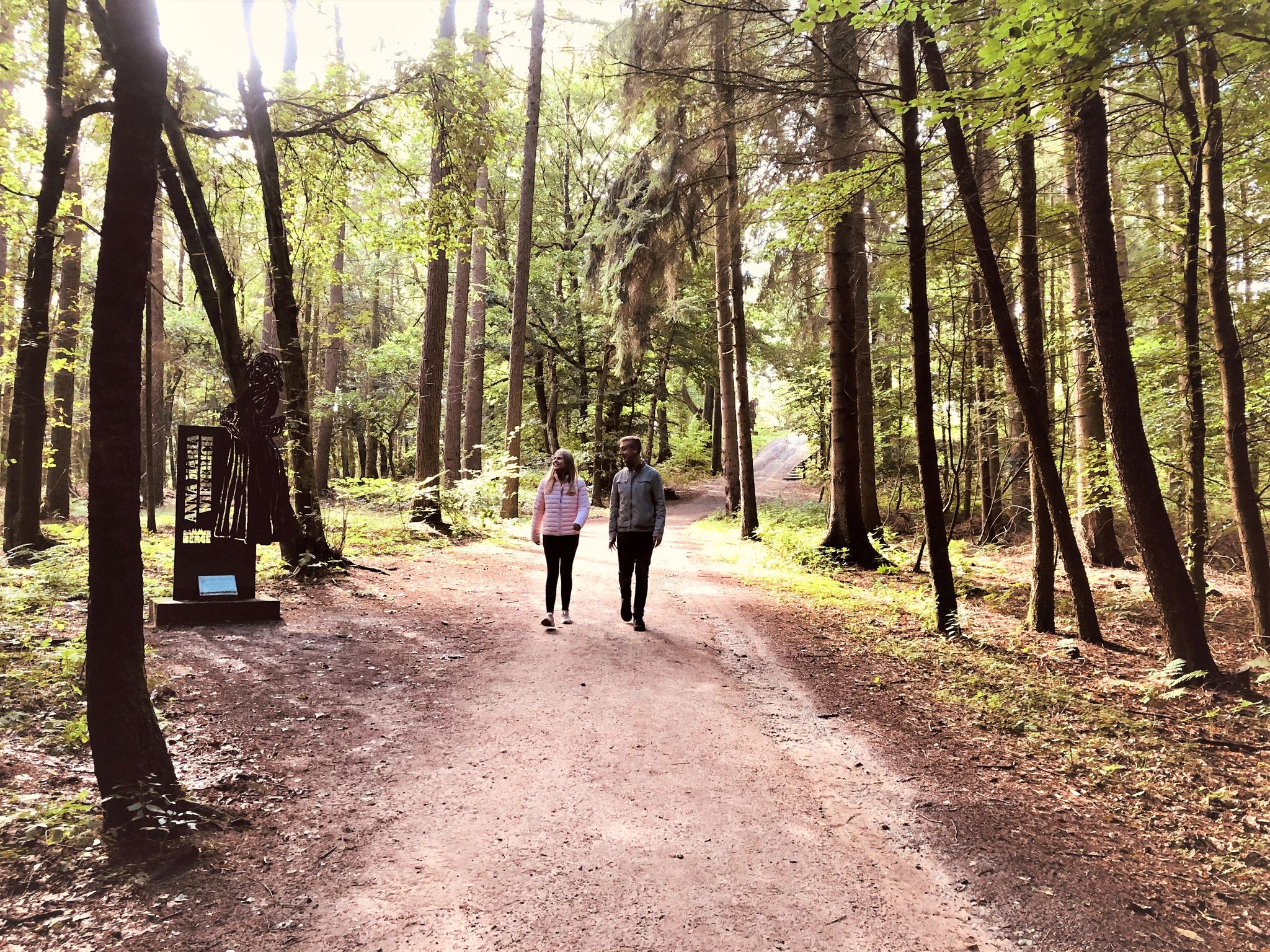
ディフォルツ彫刻の道
ハイライト (セグメント) • トレイル
翻訳者 Google •
役立つ情報 は

今すぐサインアップして、こんな場所を発見しよう
最高のシングルトラック、ピーク、その他のエキサイティングなアウトドアスポットのおすすめを受け取ろう。
ペトラ・パッフェンホルツによるフィボナッチ・キューブ
ハイライト • 記念碑
They are the artist's perspective on the subject of infinity. The nine permeable cubes of different sizes stand in the extensive …
翻訳者 Google •
役立つ情報 は

パブロ・ヒルンドルフによる「パーフェクト・サークル」彫刻
ハイライト • 記念碑
A frame made of welded wire mesh was densely filled with segments of tree trunks by the students. Through the opening in …
翻訳者 Google •
役立つ情報 は
シェイネンカフェ・ブロックムと直売所
ハイライト • カフェ
翻訳者 Google •
役立つ情報 は

無料でサインアップして、さらに多くの観光スポットを発見しましょう ヴァーゲンフェルトでの。
すでにアカウントをお持ちですか?
無料アカウントで今日から始めよう
次の冒険が待っています。

コミュニティからのヒント

The highest barn cafe in DümmerWeserLand is located in Brockum
0
0

In the middle of the beautiful landscape along the sculpture trail are the impressive Fibonacci Cubes by artist Petra Paffenholz. If you don't know the background, you'll inevitably wonder what their meaning is. An information panel next to the artwork will give you the answer. The Fibonacci Cubes are the artist's take on the theme of infinity. The nine permeable cubes of different sizes stand in the expansive agricultural landscape. The dimensions of the cubes are derived from the Fibonacci series. The Fibonacci sequence is the infinite sequence of natural numbers that begins with two times the number 1, and in which each subsequent number is the sum of the two preceding numbers. In modern notation, this sequence is additionally given a leading number 0: 0, 1, 1, 2, 3, 5, 8, 13, 21, 34, 55... The numbers contained therein are called Fibonacci numbers. The sequence is named after Leonardo Fibonacci, who used it to describe the growth of a rabbit population as early as 1202. However, the sequence was already known in ancient times to both the Greeks and the Indians. Further research has shown that the Fibonacci sequence also describes numerous other growth processes in nature. It seems as if it is a kind of growth pattern in nature. Highly interesting and initially easy to follow, but increasingly difficult to understand the deeper you delve into this subject and the associated mathematical formulas. This is "higher mathematics" that you have to like and understand. https://de.wikipedia.org/wiki/Fibonacci-Folge https://www.stadt-diepholz.de/info/poi/fibonacci-cubes-903000152-21770.html
3
0

休憩に良い場所です。とても親切なオーナー夫婦。平日は農場の直売所も開いています。
0
0

A lovely café ☕ with friendly service. You can sit outside and inside in a cosy atmosphere
0
3

Well - a perfect circle?! But a lot of effort was put into creating two interlocking circles out of wood and structural steel mesh.
1
0

Rustic café with very nice service, places to sit inside and outside. We ate delicious cakes and ice cream here.
1
2

Wolfgang Zellhorst, a Diepholz resident who lives on the sculpture trail himself and volunteers for tourism in Diepholz, has even created two videos about the trail and its sculptures: https://www.youtube.com/watch?v=ewABqvhXiKc https://www.youtube.com/watch?v=i4tCBO1RSJk
6
1
Pablo Hirndorf's family comes from Silesia and after the end of the Second World War in 1946 they settled in the district of Altenbücken in the municipality of Bücken in Lower Saxony. His father practiced painting. From an early age, Pablo Hirndorf played and worked artistically with whatever was available at home due to his father's job: materials in the form of leftover paint, old wallpaper books or lumps of putty for modelling. From 1984 to 1986 Pablo Hirndorf studied art education at the University of Hanover, from 1986 to 1992 free art at the University of Applied Sciences in Hanover with Peter Krahe, Helmut Rogge and Verena Vernunft. In 1991 he received his diploma and in the same year became a member of the Lower Saxony Association of Visual Artists. In 1992, Hirndorf completed the Fine Art course at the University of Applied Sciences in Hanover as a master student. In 1993 he received a studio grant from the state of Lower Saxony. In the same year, Pablo Hirndorf founded a studio in Warpe in the district of Nienburg/Weser in Lower Saxony. Hirndorf decided to consciously live with his family in the middle of nature. Source: https://de.wikipedia.org/wiki/Pablo_Hirndorf
8
0
ヴァーゲンフェルトでのの人気観光スポット

komootモバイルアプリでインスピレーションを得よう


さらに探索
まだ探しているハイライトが見つかりませんか?他の地域のトップアトラクションのガイドを見てみましょう:
