ハイトミューレンのおすすめウォーキング&ハイキングルート
4.6
(2462)
7,980
ハイカー
19
ハイキング
ハイトミューレン周辺でのハイキングは、景色を満喫するのに最適な手段のひとつですが、適切なハイキングルートを見つけることは簡単ではありません。 ハイトミューレン周辺の人気ハイキング&ウォーキングコースを参考にすれば、行きたいルートをすぐに見つけられます。
最終更新日: 9月 25, 2026
4.7
(76)
503
ハイカー
初級者向けハイキング. あらゆるフィットネスレベルに適しています。 進みやすいルートです。あらゆるスキルレベルに適しています。
5.0
(8)
15
ハイカー
初級者向けハイキング. あらゆるフィットネスレベルに適しています。 進みやすいルートです。あらゆるスキルレベルに適しています。

5.0
(2)
5
ハイカー
18.4km
04:42
70m
70m
中程度のハイキング. ある程度のフィットネスレベルが必要です。 進みやすいルートです。あらゆるスキルレベルに適しています。
11
ハイカー
4.21km
01:04
10m
10m
初級者向けハイキング. あらゆるフィットネスレベルに適しています。 進みやすいルートです。あらゆるスキルレベルに適しています。
5.0
(1)
2
ハイカー
14.9km
03:48
40m
40m
中程度のハイキング. ある程度のフィットネスレベルが必要です。 進みやすいルートです。あらゆるスキルレベルに適しています。
さらに多くのルートや他のユーザーのおすすめ情報を確認できます。
すでにアカウントをお持ちですか?
おすすめのツアーは他のkomootユーザーが実際に経験した何千ものアクティビティに基づいています。
無料アカウントで今日から始めよう
次の冒険が待っています。

コミュニティからのヒント

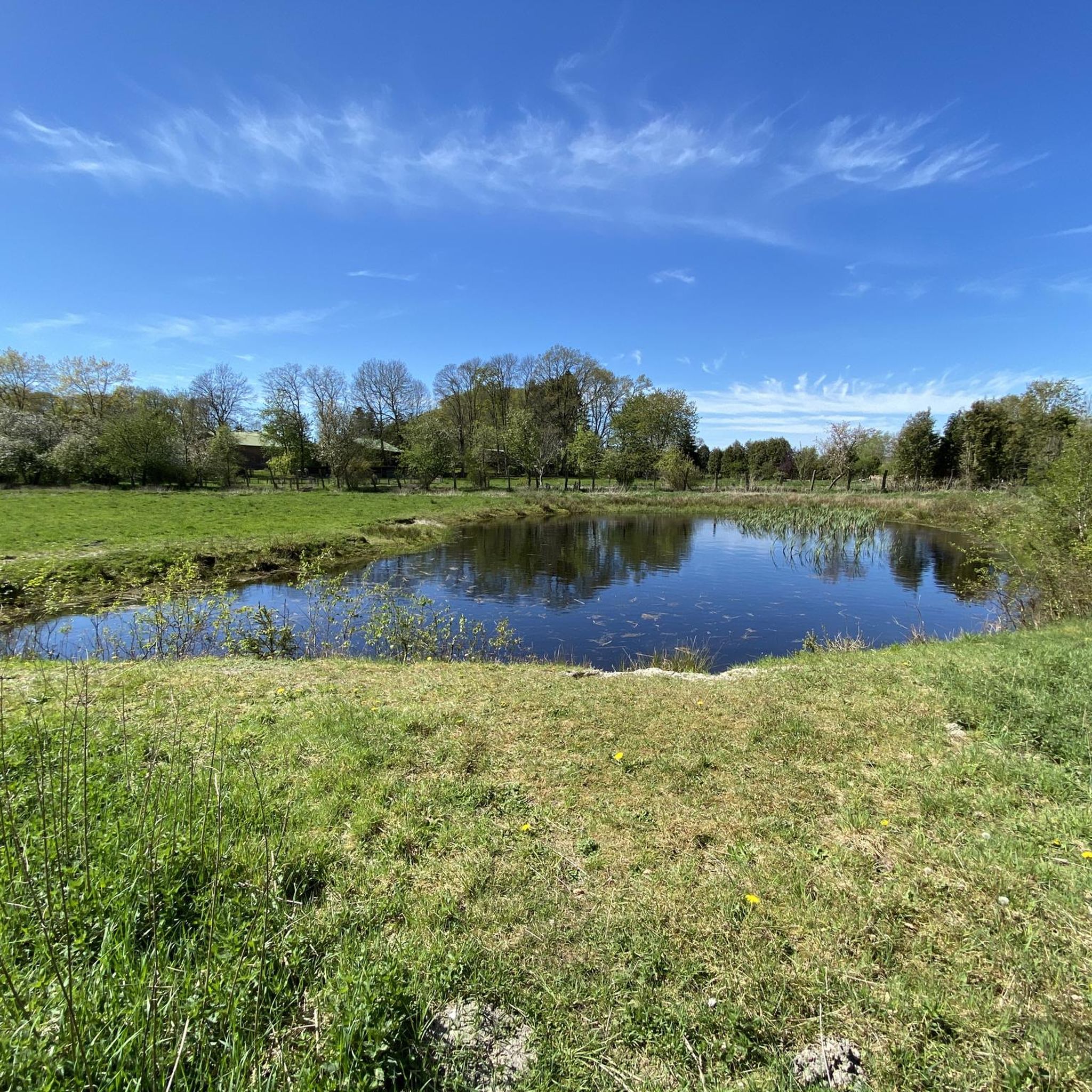
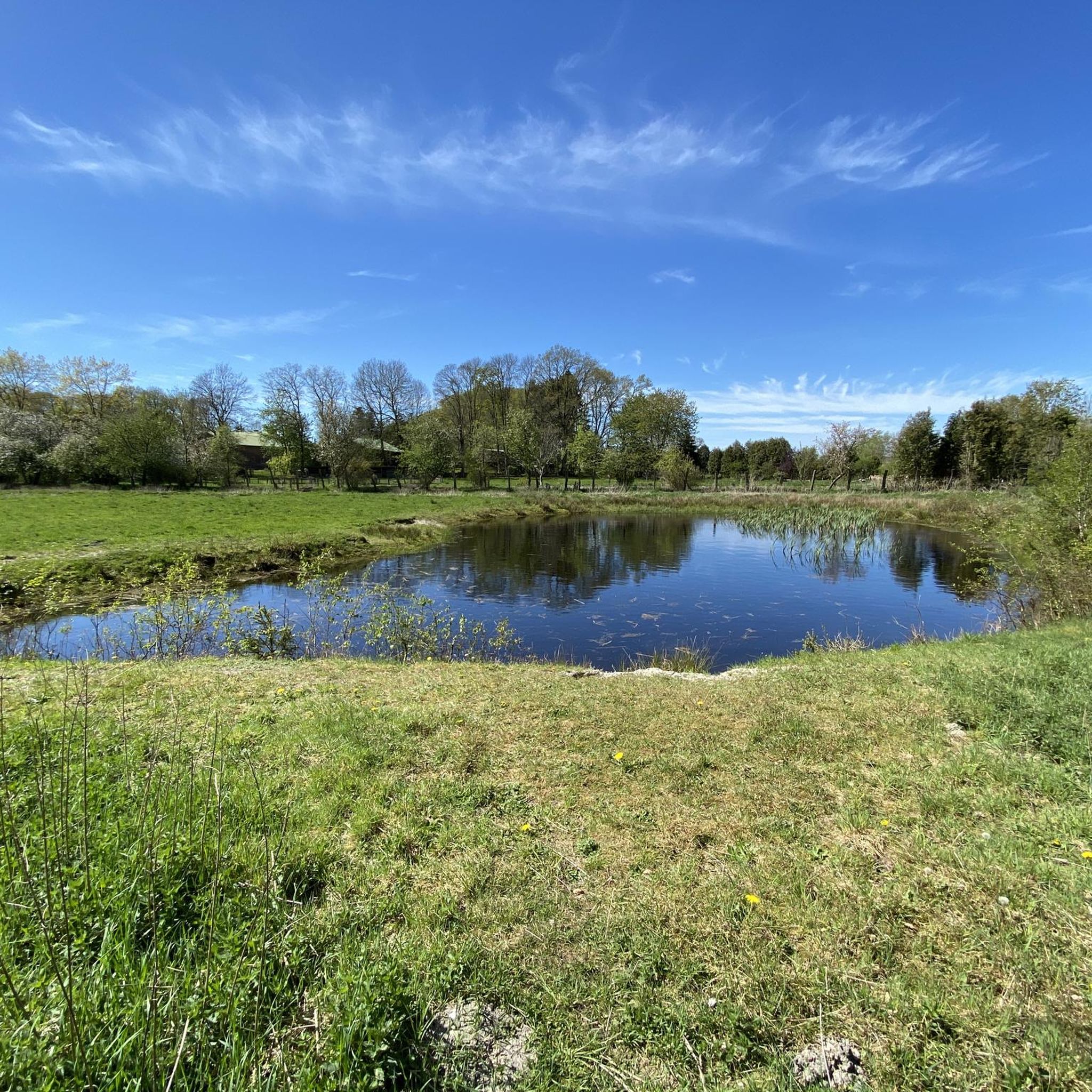
私の記憶が正しければ、写っている建物はハイドムーアの水車小屋です。カフェは古い農家の中にあります。
0
0

Breeding station for the storks
0
0
A good overview of the stork enclosure with pond
0
0

The kingfisher enchants observers with the symphony of colors in its plumage and is therefore often called a "flying gem" or a "flying diamond." The unusually bright coloring of the kingfisher's plumage for Northern Europe has always captured the imagination. According to an old legend, the kingfisher was an inconspicuous gray before the Flood. But as it hastily left Noah's Ark, it is said to have landed with its back to the sky, and at the same time, its belly feathers were singed by the setting sun. Most of the time, it is only seen flying by, its turquoise-blue back flashing. It calls out a harsh "zii" or "zrii." It flies very quickly, with whirring wingbeats, close to the water, interrupted by short glides. Well-nourished kingfishers weigh around 40 grams. They are only slightly larger than a sparrow.
0
0
Although not common in Schleswig-Holstein, the kingfisher can still be found. The breeding population is estimated at 200 to 600 pairs, primarily in the water-rich eastern hills and on the Geest. Kingfishers are piscivores and prefer to nest on steep banks or in the root plates of fallen trees. Explanation: Distribution: In Schleswig-Holstein, kingfishers are primarily found in regions with numerous bodies of water, such as the eastern hills and the Geest. Habitat: They prefer steep banks of lakes, rivers, and ponds, but also ditches, gravel pits, and tree root plates near suitable bodies of water. Diet: Kingfishers are piscivores and feed mainly on small freshwater fish such as minnows. Breeding: They typically breed from March to June and lay 5-7 eggs. Special Features: The kingfisher is a protected species, and its population is heavily dependent on the health of the water bodies. Kingfishers are also vulnerable to cold winters, which can affect their populations
0
0
In search of food, wild boars rummage through the ground for edible roots, worms, grubs, mice, snails, and mushrooms. In addition to aquatic plants such as calamus, wild boars also eat the leaves, shoots, and fruits of numerous woody plants, herbs, and grasses. As omnivores, they will also eat carrion and waste. Wild boars have been observed breaking into rabbit burrows to eat the young rabbits. Occasionally, they also prey on the eggs and young of ground-nesting birds. In dry waters, they even eat mussels.
0
0
The term "Bache" for the adult female wild boar, however, has only been documented in this sense since the 16th century. Originally, the Old High German word *bah- meant the back of an animal or the bacon taken from it (cf. English "back" or the French word "bacon", borrowed from German).[8] Young wild boars are called "Pferlinge" (piglets) until they are one year old; in their second year, they are called "Überläufer" (runner sows) or "Überläufer boar" (runner boars).
0
0
The term "pigs" for the mammalian family is of Old Germanic origin.[2] Corresponding to the name for all pigs, male adult animals are called (wild) boars and females (wild) sows or sows. Both "boar" and "sow" are only slight variations of Germanic words, but similar root words also exist in other Indo-European languages, e.g., in Latin "aper" and "sus", so that a pre-Germanic origin seems likely.[3][4] The word "sow" could be derived from an onomatopoeia of the grunting sound typical of the animals, or it could refer to the animals' fertility in the sense of the Indo-European root *su-. The term "ferkel" for the young animals that are still dependent on their mother's milk is derived from a diminutive form of another Germanic term for "pig", *farha-, which in turn is also of Pre-Germanic origin and is related, for example, to the English "pork"; this word refers
0
0
ハイトミューレンでのの人気観光スポット

komootモバイルアプリでインスピレーションを得よう


さらに探索
他の地域の最高のハイキングを見てみましょう。
