ハイデンブルクのおすすめウォーキング&ハイキングルート
4.5
(15325)
51,050
ハイカー
32
ハイキング
ハイデンブルク 周辺でおすすめのハイキングやウォーキングを楽しんでいただけるように、このエリアの小径やルートを集めたkomootコレクション全体を見直しました。 以下で各ルートの詳細をご覧になり、ハイデンブルク周辺の大自然を満喫する際の参考にしてください。
最終更新日: 10月 10, 2026
4.7
(183)
527
ハイカー
10.5km
02:52
160m
160m
Hike the moderate Wind, Water & Wacken Dream Loop, a 6.5-mile trail featuring a Hornbeam Tunnel and Wind Turbine Blade Exhibit.
4.4
(14)
44
ハイカー
6.54km
01:49
110m
110m
初級者向けハイキング. あらゆるフィットネスレベルに適しています。 進みやすいルートです。あらゆるスキルレベルに適しています。

4.3
(10)
30
ハイカー
5.51km
01:33
110m
110m
初級者向けハイキング. あらゆるフィットネスレベルに適しています。 進みやすいルートです。あらゆるスキルレベルに適しています。
4.2
(5)
24
ハイカー
10.2km
03:02
310m
310m
中程度のハイキング. ある程度のフィットネスレベルが必要です。 進みやすいルートです。あらゆるスキルレベルに適しています。
4.4
(5)
20
ハイカー
2.82km
00:47
50m
50m
初級者向けハイキング. あらゆるフィットネスレベルに適しています。 進みやすいルートです。あらゆるスキルレベルに適しています。
さらに多くのルートや他のユーザーのおすすめ情報を確認できます。
すでにアカウントをお持ちですか?
おすすめのツアーは他のkomootユーザーが実際に経験した何千ものアクティビティに基づいています。
無料アカウントで今日から始めよう
次の冒険が待っています。
コミュニティからのヒント

At this station, a panel explains the region's typical meadow butterflies: the Marbled White, the Reddish-browed Oxeye, the White-banded Hawk-moth, the Small Hawk-moth, and the Wall Fox. You'll learn that their caterpillars primarily feed on grasses, why careful mowing is important, and how margins and fallow lands protect crucial habitats. A compact insight into species knowledge and nature conservation along the Dream Loop. 💡 Tip: Briefly read the species profiles and then compare wing patterns along the trail – this way, you'll quickly recognize which species are flying here.
0
0
A true paradise for butterflies unfolds here among meadow herbs and grasses. Information panels explain the habitats of blue butterflies, iris butterflies, and marbled whites – and how extensive mowing maintains their diversity. 💡 Tip: Take the time to read the panels – this will help you recognize many butterfly species more easily along the way.
0
0
The panel vividly explains the life cycle from egg to caterpillar to pupa and finally to butterfly. The focus is on typical species such as the peacock butterfly, small tortoiseshell butterfly, red admiral, common tortoiseshell butterfly, and swallowtail butterfly. The most important food plants for our butterfly caterpillars are listed: nettles (several species), clover and vetch (blue butterflies), sorrel (copper butterflies), violets (fritillary butterflies), grasses (white butterflies), cabbage/cress (white butterflies), and willows and poplars (imperial purple butterflies). Overwintering strategies (e.g., as a caterpillar in the soil/foliage or unprotected on twigs) and defense mechanisms against predators are also explained: camouflage in the color of the food plant, webs, warning colors, and "sting" appearance. An example shown is the small meadow brown (caterpillar feeding on grasses). 👉 Tip: Keep an eye out for nettle fringe, meadow edges and violet patches along the route – with luck you might find caterpillars or feeding traces of the species mentioned there.
0
0
The station is dedicated to the humanist and abbot Johannes Trithemius (1462–1516). The panel explains his life, his writings, and his connection to the region. Next to the information panel, a large panoramic lounger with a bench invites you to take a break and enjoy the sweeping views over the fields. 👉 Tip: Take your time to read the panels – they vividly connect history, landscape, and nature.
0
0
A dreamy start to the tour: The sun slowly rises over the fields, bathing the landscape in golden light – and we even saw a rainbow. A moment full of peace and natural ambiance. 👉 Tip: It's best to set off early to capture the special atmosphere of the sunrise.
0
0

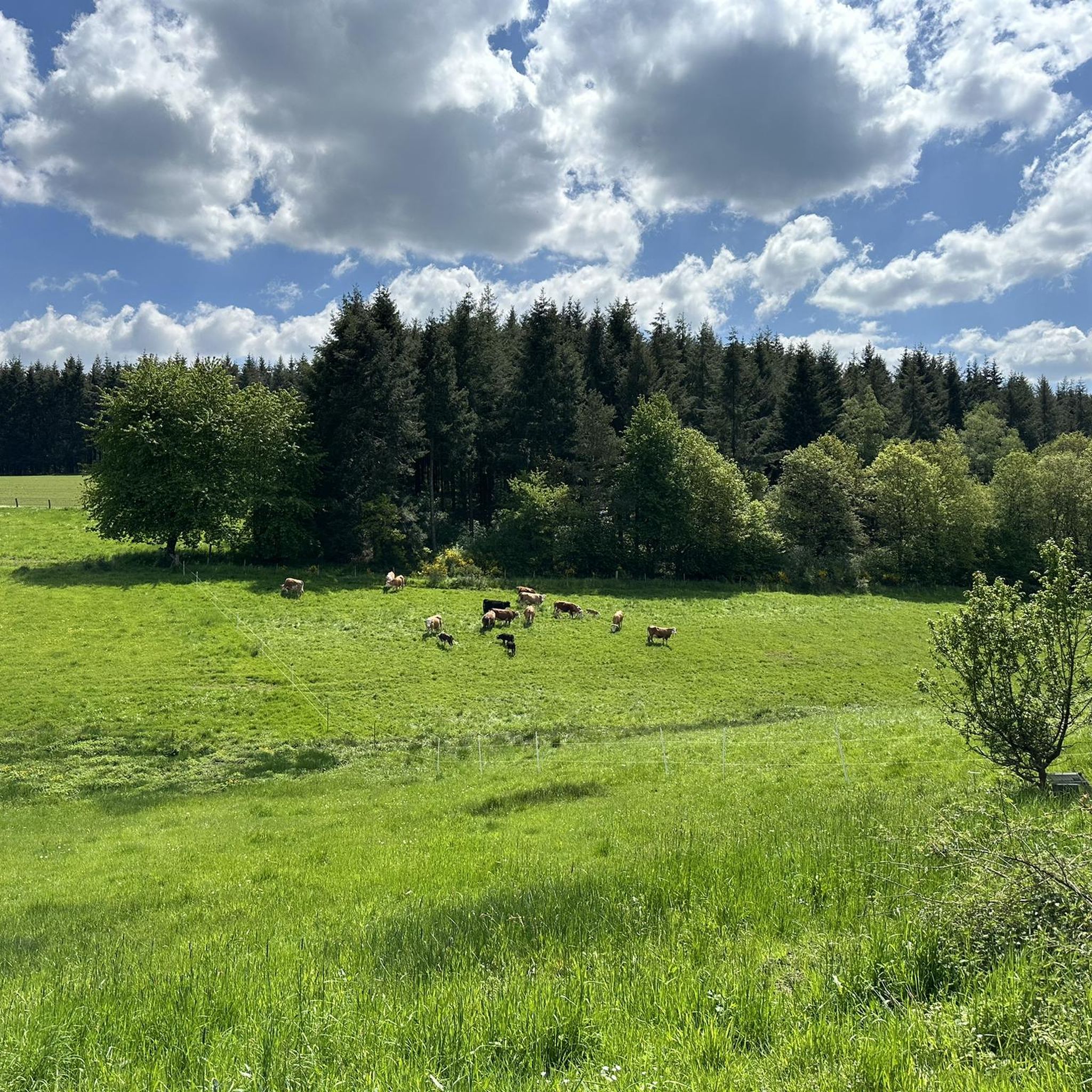
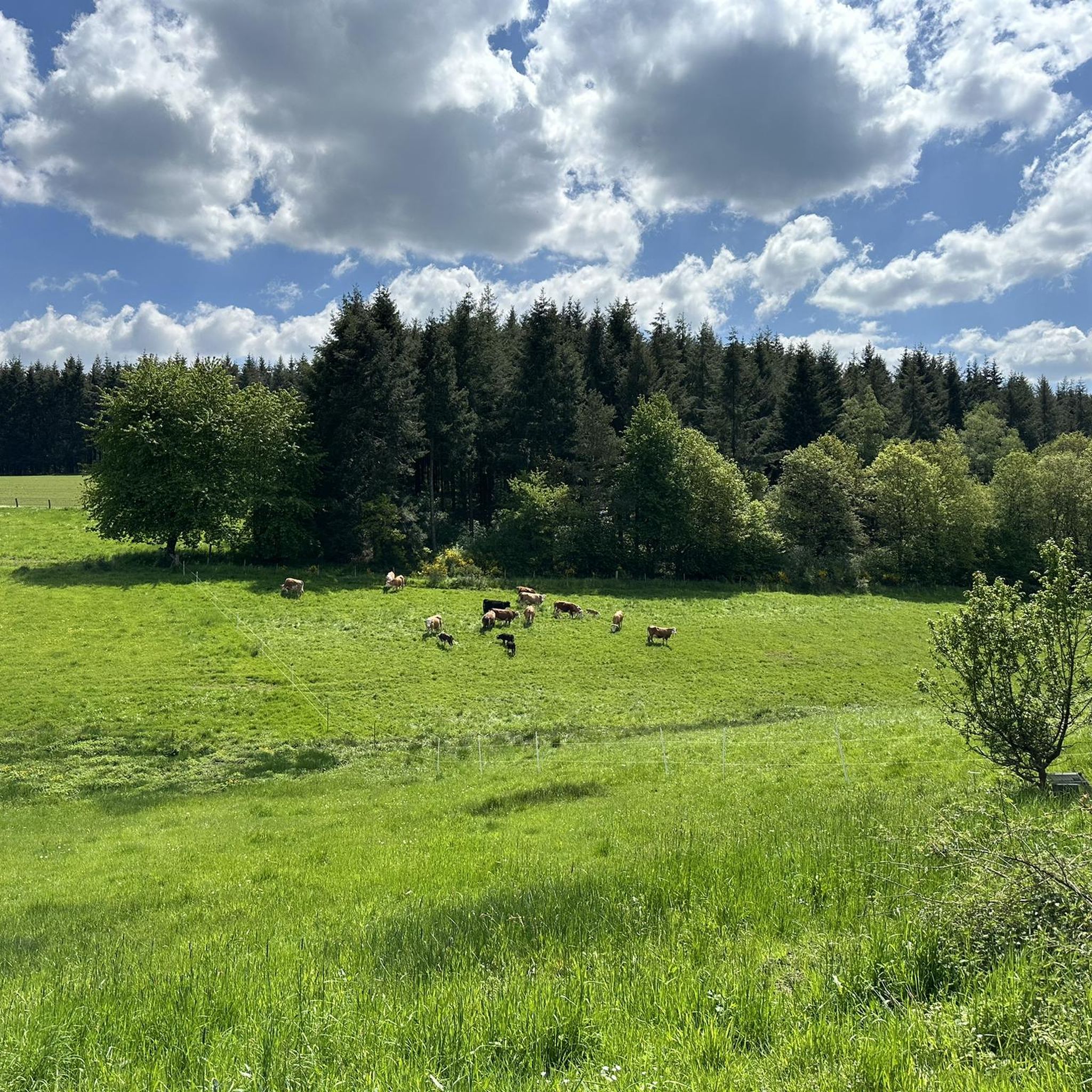
Since 2023, the butterfly trail has led north of Heidenburg through lush orchards, providing food for all kinds of butterflies. Several panels provide information about typical species.
1
0


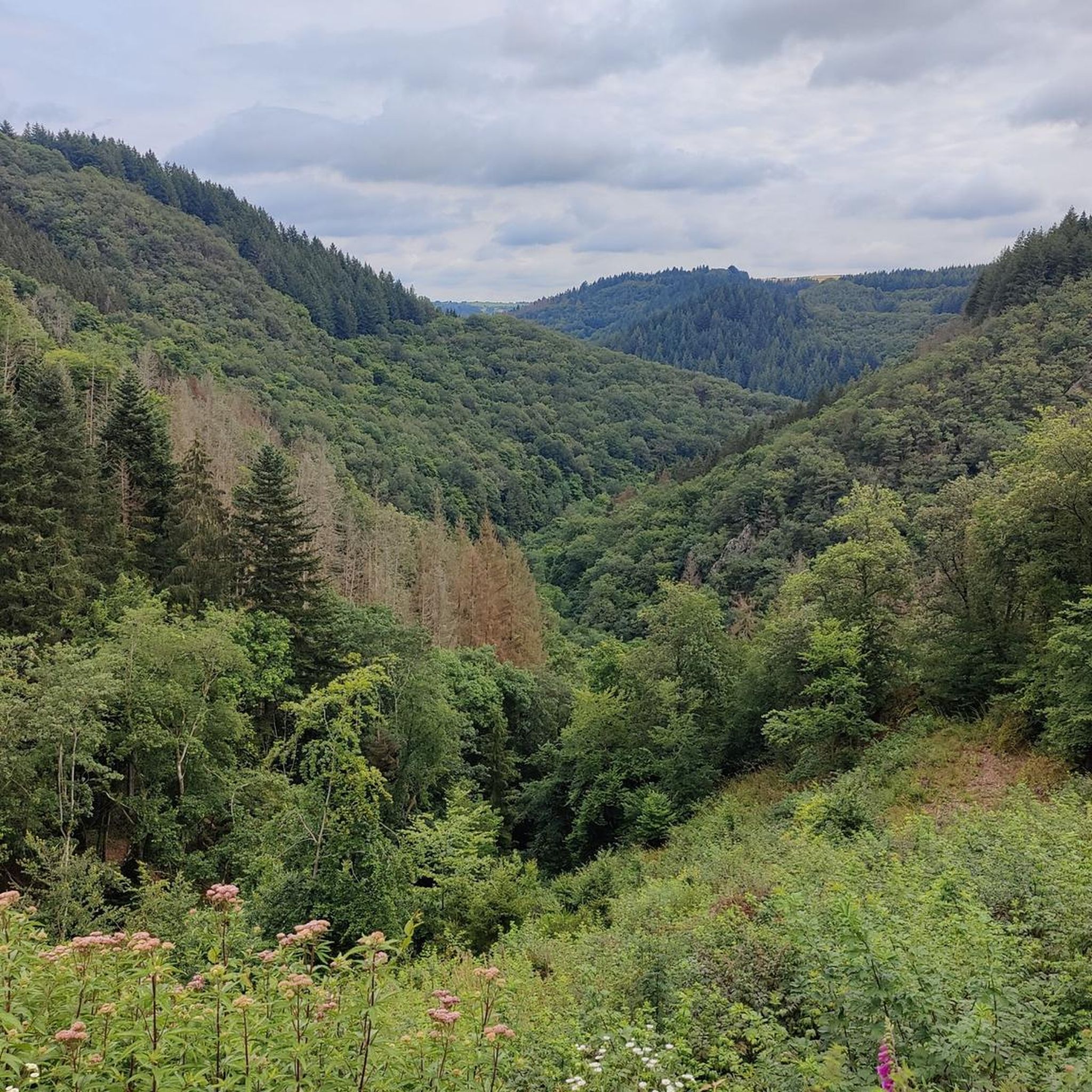
Magnificent view over the "Große Dhron" valley to the Kumper Felsen
0
0

komootモバイルアプリでインスピレーションを得よう


さらに探索
他の地域の最高のハイキングを見てみましょう。
