뷔쉬르담빌 최고의 라이딩 경로
4.3
(30)
513
자전거 타는 사람
205
라이딩
뷔쉬르담빌의 로드 사이클링 경로를 찾으시나요? 그렇다면 뷔쉬르담빌 로드 라이딩 컬렉션 중에서 가장 멋진 라이딩 장소를 아래에서 살펴보세요.
마지막 업데이트: 8월 25, 2026
10
자전거 타는 사람
80.3km
03:24
390m
390m
보통 도로 자전거 타기. 좋은 체력 필요. 지면 대부분이 잘 포장되어 있고 라이딩하기 쉬움.
7
자전거 타는 사람
31.0km
01:12
120m
120m
초급용 로드 라이딩. 모든 체력 수준에 적합. 지면 대부분이 잘 포장되어 있고 라이딩하기 쉬움.

무료 회원 가입
5.0
(1)
11
자전거 타는 사람
51.3km
02:02
190m
190m
보통 도로 자전거 타기. 좋은 체력 필요. 투어 중 라이딩하기 어려운 비포장 구간이 있을 수 있음.
4
자전거 타는 사람
64.0km
02:34
320m
320m
보통 도로 자전거 타기. 좋은 체력 필요. 지면 대부분이 잘 포장되어 있고 라이딩하기 쉬움.
5
자전거 타는 사람
52.5km
02:24
270m
270m
보통 도로 자전거 타기. 좋은 체력 필요. 투어 중 라이딩하기 어려운 비포장 구간이 있을 수 있음.
더 다양한 경로와 다른 탐험가들의 추천을 살펴보세요.
무료 회원 가입
이미 komoot 계정이 있나요?
투어 추천은 다른 사람들이 komoot에서 완료한 수천 개의 활동을 바탕으로 구성되어 있습니다.
오늘 무료 계정으로 시작하세요
다음 모험이 기다리고 있어요.
로그인 또는 가입하기
뷔쉬르담빌 주변 인기 장소

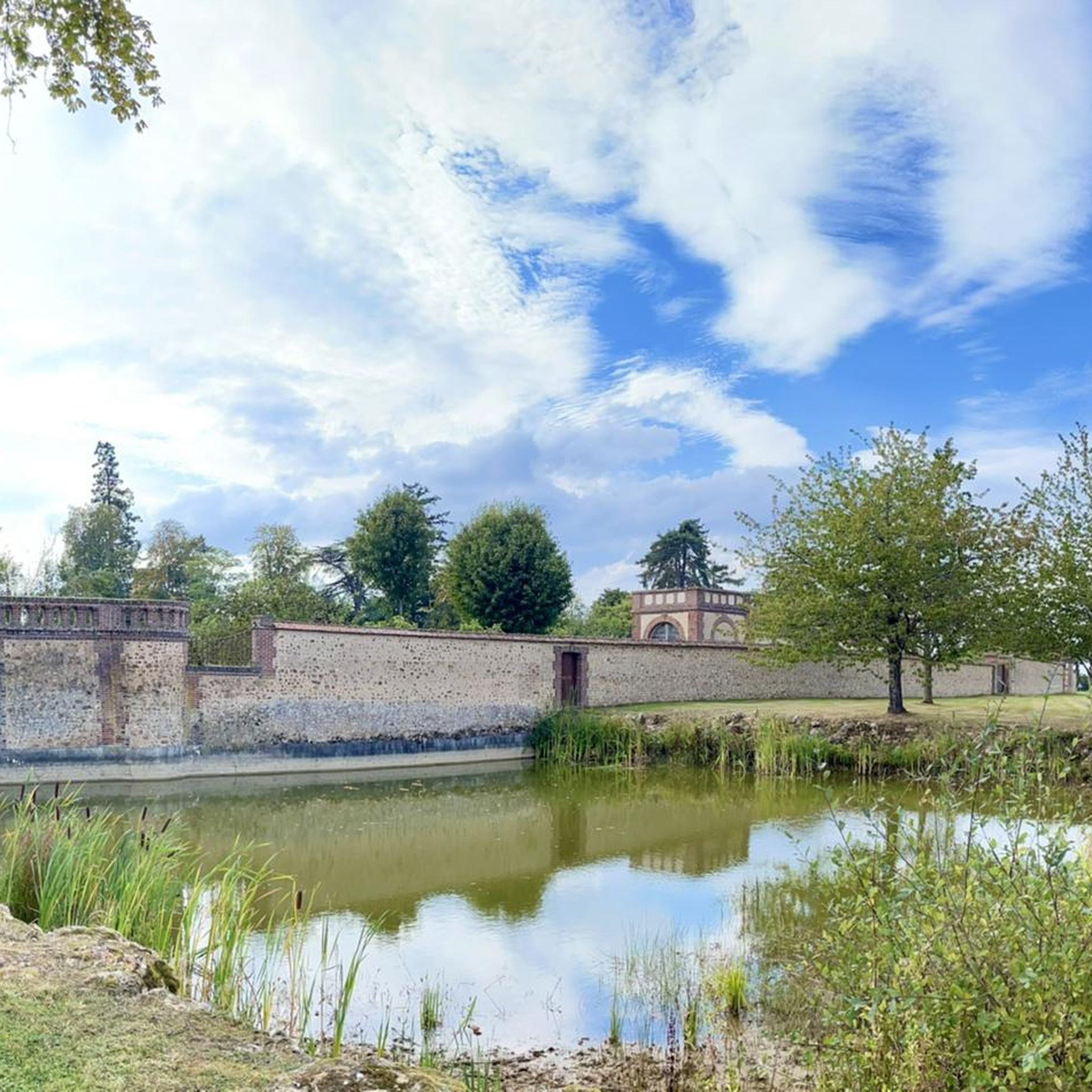


커뮤니티 팁


The construction of the original church of Sorel dates back to the 10th century. In 1113, this church was destroyed during the siege of the fortress of Sorel by the troops of Henry VIII of England coming from Normandy. Its identical reconstruction was unfortunately halted by a fire in 1134. The current church was rebuilt starting in the 13th century, with the chevet completed in the 15th century, and the first two bays of the nave and the northern seigneurial chapel in the 16th century. The bell tower was built in the 17th century by blinding a window. The building is constructed of flint, lime, and white stone on a sandstone base. The upper part is made of Vernon stone. The tiled roof is supported by a beautiful rafter frame whose tie beams are decorated with chimera heads, also called "howling devils." In the choir, the 19th-century altar recalls medieval sculptures. An interesting collection of stained-glass windows dating from 1850. After extensive renovations, masses have been celebrated again since 2007.
0
0


A very beautiful greenway It's an old railway line that has been covered over; it used to go all the way to Dreux. We love going there for cycling, and it's also ideal for walking and rollerblading.
0
0
The parish, dedicated to Saint Germain, dates back to Merovingian times. Emma, daughter of Leutgarde and Thibaut-le-tricheur, having married William Ironarm, Count of Poitiers, founded the Abbey of Bourgueil, which she endowed with her Normandy possessions, inherited from her mother, widow of William Longsword. Coudres and Marcilly-la-campagne were included in this endowment. The two Marcillys had the same lords for a long time. Around 1060, Teudon, Lord of Marcilly, approved the gift of the land of Les Loges to the Abbey of Saint Père de Chartres by Robert des Loges. In 1107, Foulques de Marcilly, the second of the name, founded the Abbey of Breuil Benoit (near Marcilly-sur-Eure). By the Treaty made in 1194 between Philip Augustus and Richard the Lionheart, Marcilly was part of the King of France's estates, on the border with Normandy. We were ROYAL! In 1226, Fulk IV, Lord of Marcilly, gave the Monks of Saint Taurin an annuity on his mills in Marcilly. During the 15th-century invasion, the King of England granted Jean Yprès on August 27, 1419, all the lands that belonged to Fulk of Marcilly, "in default," that is, devoted to France. The coat of arms of the House of Marcilly was a chevron, but the color, as well as that of the background of the shield, are unknown. At the 1470 watch, Jehan Tailleman, Lord of Marcilly-la-campagne, appeared naked. Aged 90, he could not wear a harness, and his fiefdom was very small. It is discharged, on condition of providing a vougier. (13th century weapon, made of a sharp and asymmetrical blade fixed to the end of a handle)
0
0

Beautiful site on the Eure, don't miss the tomb of Diane de Poitiers.
0
0

A road that climbs the hillsides overlooking the Vesgre valley. Quite pleasant with its edges left fallow to encourage biodiversity.
0
0

뷔쉬르담빌 주변에서 가장 인기 있는 경로
뷔쉬르담빌 주변에서 가장 인기 있는 명소


더 살펴보기
다른 지역의 최고의 로드 사이클링 경로를 살펴보세요.
