



뷰렌 주변의 다른 모험


커뮤니티 팁

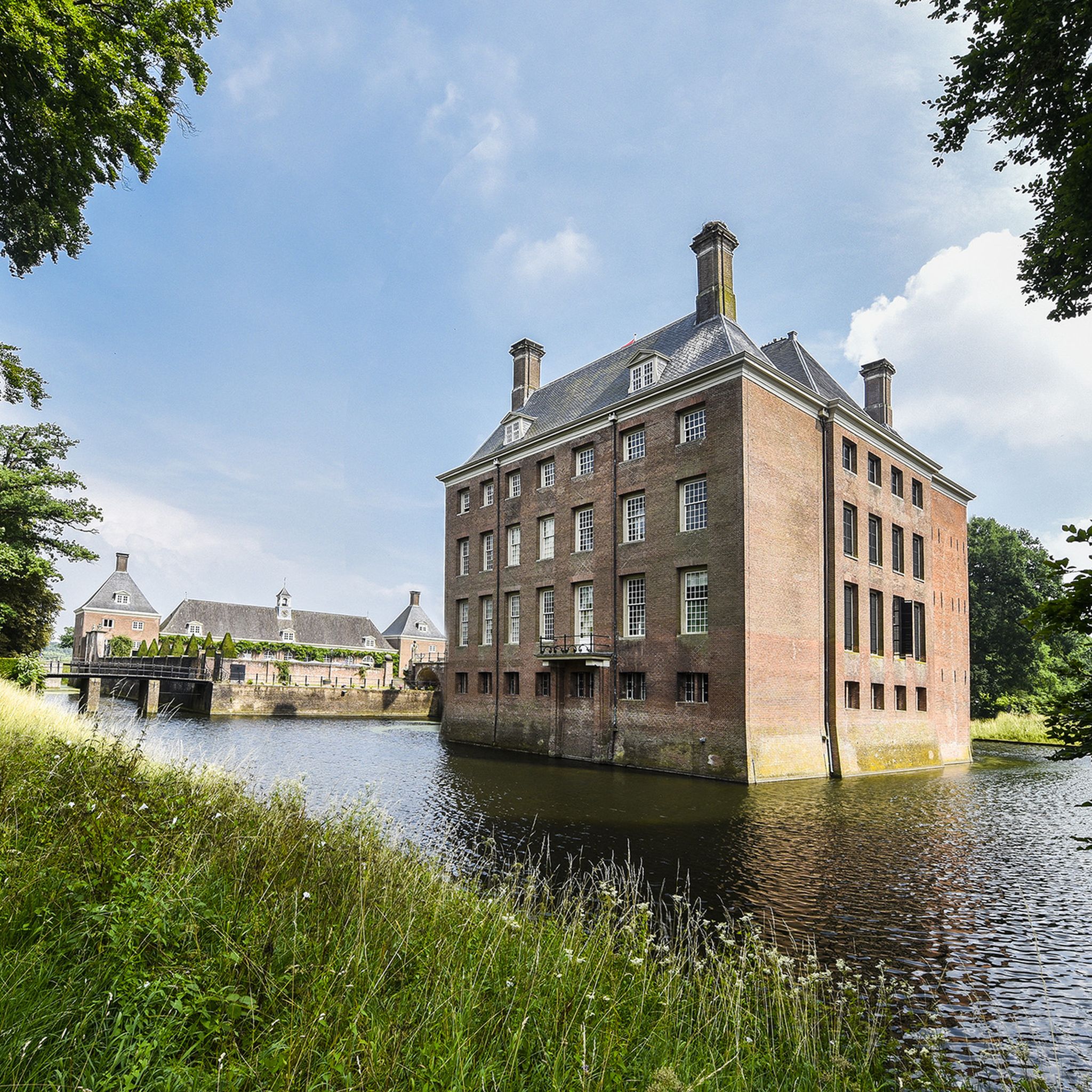
Around 1300, Sandenburg was first mentioned as a "residential tower with six marrows of land." At that time, Sandenburg was nothing more than a fortified tower; the white-plastered extension and outbuildings only date from the 19th century. Many fortified towers were built in the Langbroekerwetering area during the Middle Ages. The Bishop of Utrecht and his neighbor, the Duke of Guelders, had little affection for each other at the time, and to protect their territory from a possible invasion, watchtowers were built in the border region. Sandenburg was one such watchtower. Over time, the tower was expanded into a residential tower and castle. In 1538, Sandenburg was recognized as a Knight's Court. By then, the castle had grown into a fully moated complex with a tower, several residential wings, and an outer bailey. In 1792, the Sandenburg Estate was purchased by G.C.C.J. Baron van Lynden. He thus became "Lord of Sandenburg," and the family name changed to Van Lynden van Sandenburg. The Knight's Manor had been almost entirely demolished before 1792. Only the square, four-story residential tower remained. Between 1861 and 1864, the Van Lyndens expanded this tower into a castle. Designed by the renowned architect Van Lunteren, the building was constructed in the romantic, neo-Gothic style, with its characteristic whitewashed walls and towers. The park surrounding the castle was laid out in the current English landscape style. Adjacent to the castle were the Coach House, the Orangery, and the Gatekeeper's House. The coachman's house was built against the rear of the Orangery, where the poet Gerrit Achterberg was born in 1905. During the 18th and 19th centuries, the Sandenburg Estate expanded through acquisition and inheritance. By the end of the 19th century, the estate had grown to over 600 hectares. (https://www.sandenburg.nl/historie/)
1
0


The castle itself is not open to the public. It's hard to find a good view when the trees are in leaf. It's barely visible from the gate, and even from the dike, it's only partially visible.
2
0


Former location of Slot Rossum, country residence with coach house of Baron Van Randwijck (1850) and from 1949 to 2002 Rossum town hall. Currently in use as an office. (Source Wikipedia)
0
0
뷰렌 주변에서 가장 인기 있는 명소


더 살펴보기
다른 곳에서 최고의 성을 찾고 계신가요? 다른 가이드를 발견해보세요 뷰렌 주변:
