외그스트게스트 최고의 라이딩 경로
4.5
(1560)
38,118
자전거 타는 사람
253
라이딩
외그스트게스트의 로드 사이클링 경로를 찾으시나요? 그렇다면 외그스트게스트 로드 라이딩 컬렉션 중에서 가장 멋진 라이딩 장소를 아래에서 살펴보세요.
마지막 업데이트: 9월 8, 2026
4.4
(76)
1,037
자전거 타는 사람
27.2km
01:12
70m
70m
초급용 로드 라이딩. 모든 체력 수준에 적합. 지면 대부분이 잘 포장되어 있고 라이딩하기 쉬움.
4.4
(18)
609
자전거 타는 사람
33.3km
01:21
60m
60m
초급용 로드 라이딩. 모든 체력 수준에 적합. 지면 대부분이 잘 포장되어 있고 라이딩하기 쉬움.

4.4
(25)
383
자전거 타는 사람
33.4km
01:32
50m
50m
초급용 로드 라이딩. 모든 체력 수준에 적합. 지면 대부분이 잘 포장되어 있고 라이딩하기 쉬움.
4.6
(14)
364
자전거 타는 사람
29.0km
01:16
70m
70m
초급용 로드 라이딩. 모든 체력 수준에 적합. 지면 대부분이 잘 포장되어 있고 라이딩하기 쉬움.
4.6
(5)
269
자전거 타는 사람
69.7km
03:07
80m
80m
보통 도로 자전거 타기. 좋은 체력 필요. 지면 대부분이 잘 포장되어 있고 라이딩하기 쉬움.
더 다양한 경로와 다른 탐험가들의 추천을 살펴보세요.
이미 komoot 계정이 있나요?
투어 추천은 다른 사람들이 komoot에서 완료한 수천 개의 활동을 바탕으로 구성되어 있습니다.
오늘 무료 계정으로 시작하세요
다음 모험이 기다리고 있어요.
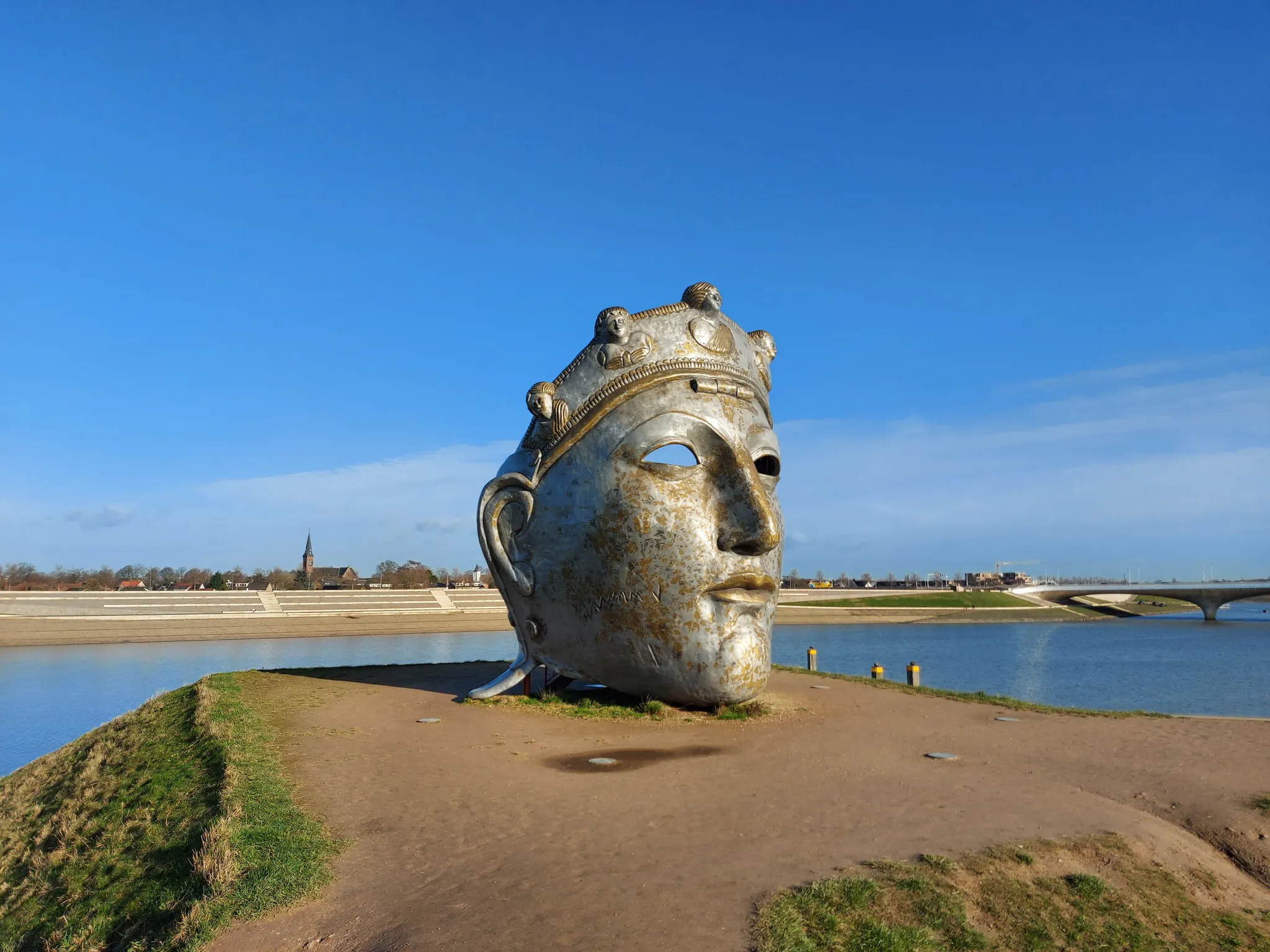
외그스트게스트 주변의 다른 모험

커뮤니티 팁


The other of the two remaining gates in the city wall of Leiden
0
0


The Zijlpoort (literally "Zijl Gate") is, along with the Morspoort, the only one of the eight former city gates to have survived. The gate was built in 1667 in the neoclassical style according to a design by the Leiden architect Willem van der Helm and adorned with sculptures by Rombout Verhulst. The clock was cast by Hemony in 1668. Since the gate had to be connected to both the former city wall and the bridge in front of it, the building is shaped like a parallelogram. The Oude Rijn flows from the nearby River Zijl through the Zijlpoort into the city of Leiden. The Oude Zijlpoort, the predecessor of this gate, was located 300 meters further west on Haarlemmerstraat (between Koestraat and Havenplein), where the old city wall originally ran. Over time, the Zijlpoort, and especially the hall above the passage, served various purposes: in the early 18th century, rhetoricians met here; from 1736 onward, a school for poor children was established there; and in the 19th century, municipal goods were stored there. In the last quarter of the 20th century, the Zijlpoort underwent two major renovations. During the most recent renovation in the 1990s, supporting structures were added to both sides of the gate. Since 1999, one of these structures has housed a restaurant. The cemetery of the same name has been located next to the Zijlpoort since 1828. The gate has been a national monument since 1968. (Source: Wikipedia)
2
0
The original town hall dates back to the Middle Ages. The town hall as we know it today, with its Renaissance façade on Breestraat, was designed around 1600 according to plans by Lüdiger von Bentheim, who also built the façade of Bremen's town hall at the same time. After the fire of February 12, 1929, the town hall had to be rebuilt on the Fish Market side (according to plans by C.J. Blaauw) and was simultaneously expanded to include the Stadhuisplein in 1932. Until the fire, the Rhenish Rod (L unit of measurement) was determined by the distance between two notches at the entrance to the town hall (Fish Market). After reconstruction, they were replaced by two iron knobs. The last renovation took place in 2020/22. The rooms below the town hall on the square are now used by a restaurant and an entertainment center. (Source: Wikipedia) Around 1600, the town hall resembled more of a museum, as the walls were hung with many paintings by (old) masters. (Source: "Leidener Runde" by City Marketing L.) CITY COAT OF ARMS: The coat of arms of the city of Leiden depicts two red lions (symbolizing the County of Holland) and two crossed red keys (symbolizing St. Peter, the city's patron saint), above which is a crown (recalling the city's connection to the reign of King William V. The crown was awarded to the city as an honor, symbolizing its rank and highlighting Leiden as an important city and trading center). The motto in the coat of arms is: "Haec Libertatis Ergo" = "In the name of freedom." This motto, which is also the city's motto, is important to the people of Leiden and commemorates the city's liberation from the Spanish siege on October 3, 1574. This significant blow against the Spanish contributed significantly to the independence of the Northern Netherlands (Republic of the Seven United Netherlands from 1581 to 1795). The Republic was a loose federation of seven largely independent provinces (Holland, Zeeland, Groningen, Utrecht, Friesland, Guelders, and Overijssel).
4
0

Along the Limes. Romans can be found again and again
1
0
외그스트게스트 주변에서 가장 인기 있는 명소


더 살펴보기
다른 지역의 최고의 로드 사이클링 경로를 살펴보세요.
