레그데/퀴초벨 최고의 러닝 경로
4.6
(40)
519
달리기 하는 사람
48
러닝
레그데/퀴초벨에서 하이킹하며 프리니츠 구석 부분까지 살펴볼까요? 레그데/퀴초벨에 있는 모든 하이킹 및 워킹 경로 컬렉션 중 가장 멋진 하이킹 경로를 엄선하여 소개해드릴게요. 다른 하이커가 공유한 실제 팁과 사진을 살펴보고 후기를 읽으며 마음에 드는 레그데/퀴초벨 워킹 경로를 찾아보세요.
마지막 업데이트: 10월 1, 2026
46
달리기 하는 사람
10.8km
01:12
20m
20m
보통 조깅. 좋은 체력 필요. 대부분 포장된 지면. 실력과 관계없이 누구나 갈 수 있음.
5.0
(2)
16
달리기 하는 사람
8.58km
00:56
10m
10m
보통 조깅. 좋은 체력 필요. 대부분 포장된 지면. 실력과 관계없이 누구나 갈 수 있음.

18
달리기 하는 사람
5.78km
00:38
10m
10m
보통 조깅. 좋은 체력 필요. 대부분 포장된 지면. 실력과 관계없이 누구나 갈 수 있음.
5.0
(3)
12
달리기 하는 사람
13.6km
01:25
20m
20m
보통 조깅. 좋은 체력 필요. 대부분 포장된 지면. 실력과 관계없이 누구나 갈 수 있음.
5.0
(3)
10
달리기 하는 사람
12.7km
01:20
20m
20m
보통 조깅. 좋은 체력 필요. 대부분 포장된 지면. 실력과 관계없이 누구나 갈 수 있음.
더 다양한 경로와 다른 탐험가들의 추천을 살펴보세요.
이미 komoot 계정이 있나요?
투어 추천은 다른 사람들이 komoot에서 완료한 수천 개의 활동을 바탕으로 구성되어 있습니다.
오늘 무료 계정으로 시작하세요
다음 모험이 기다리고 있어요.
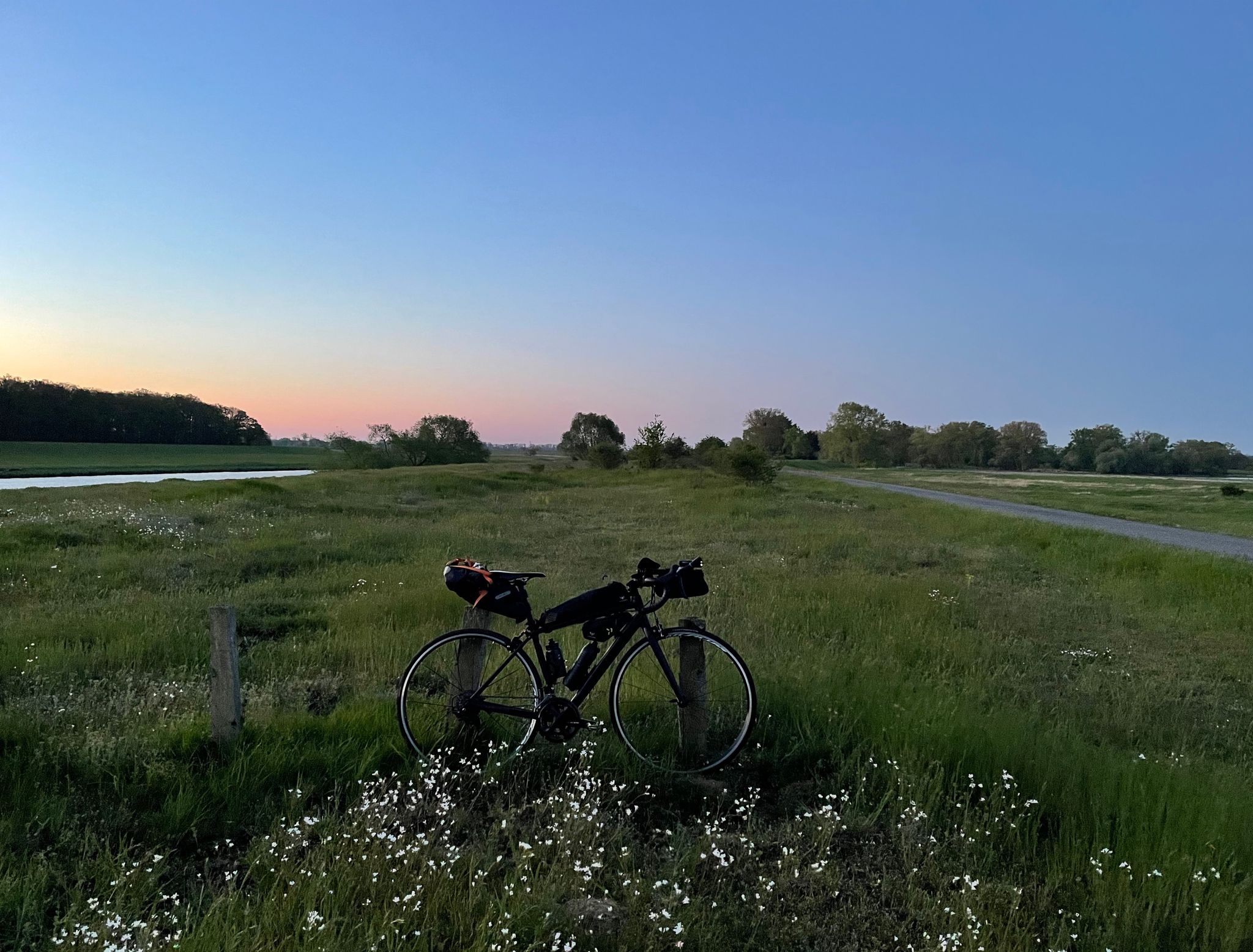
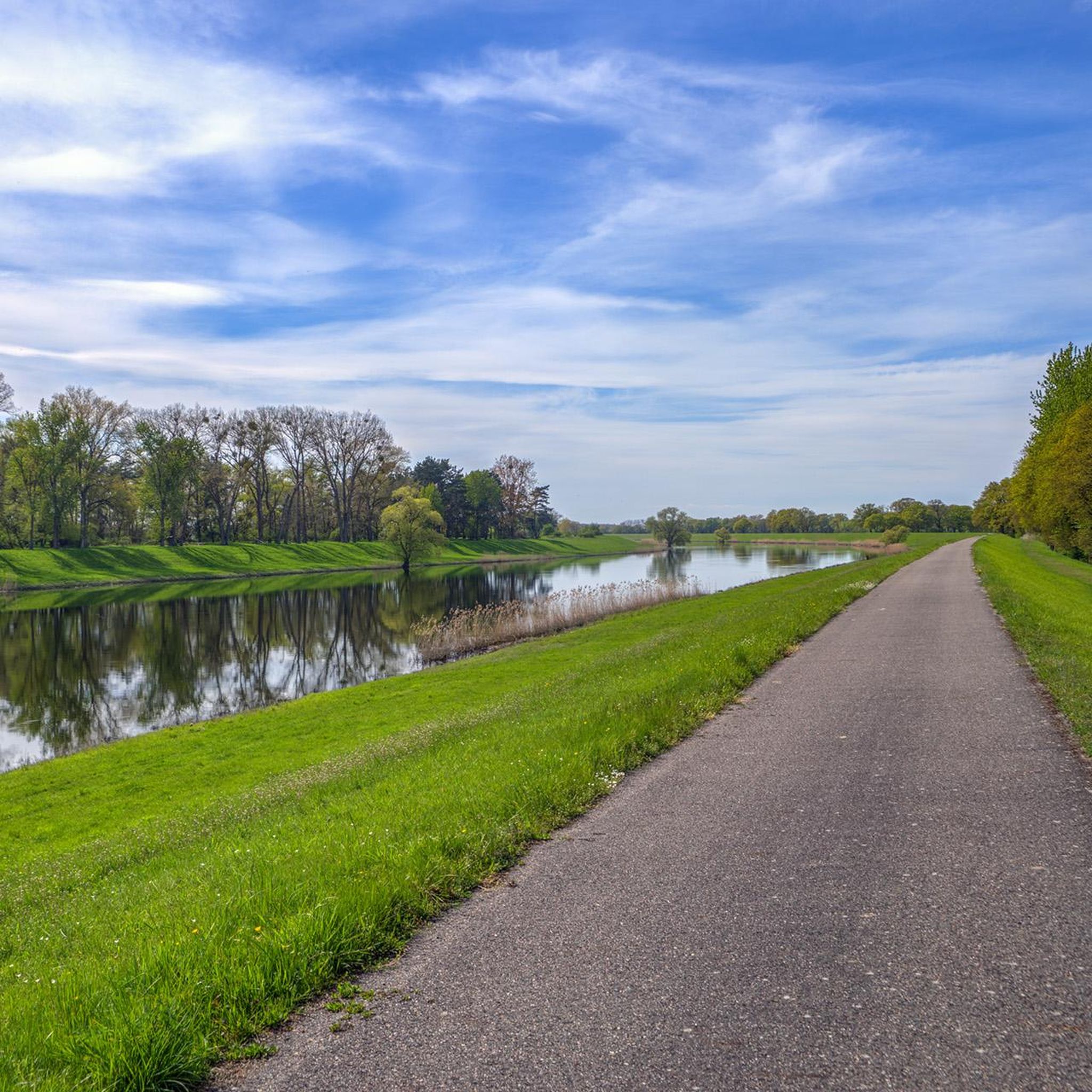
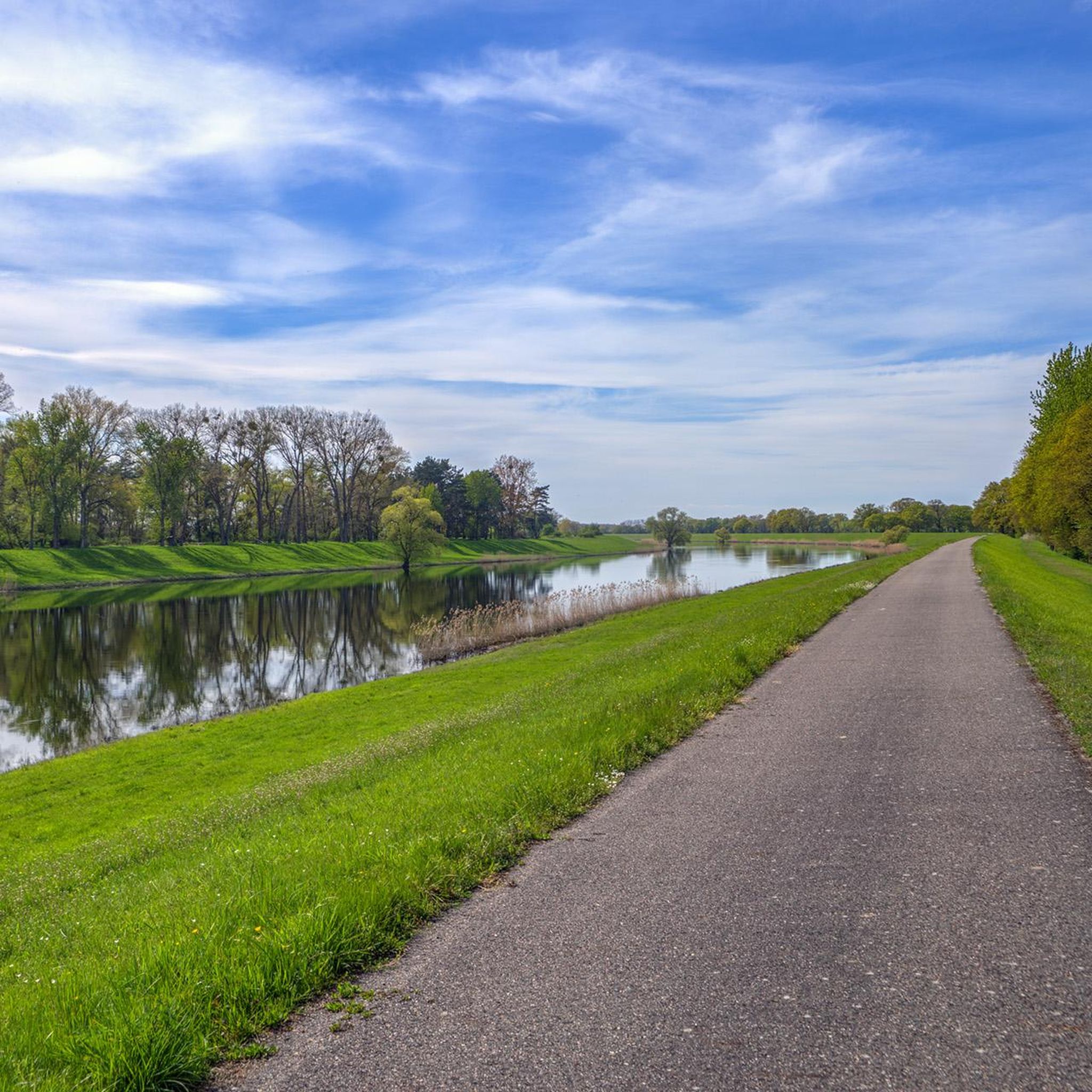
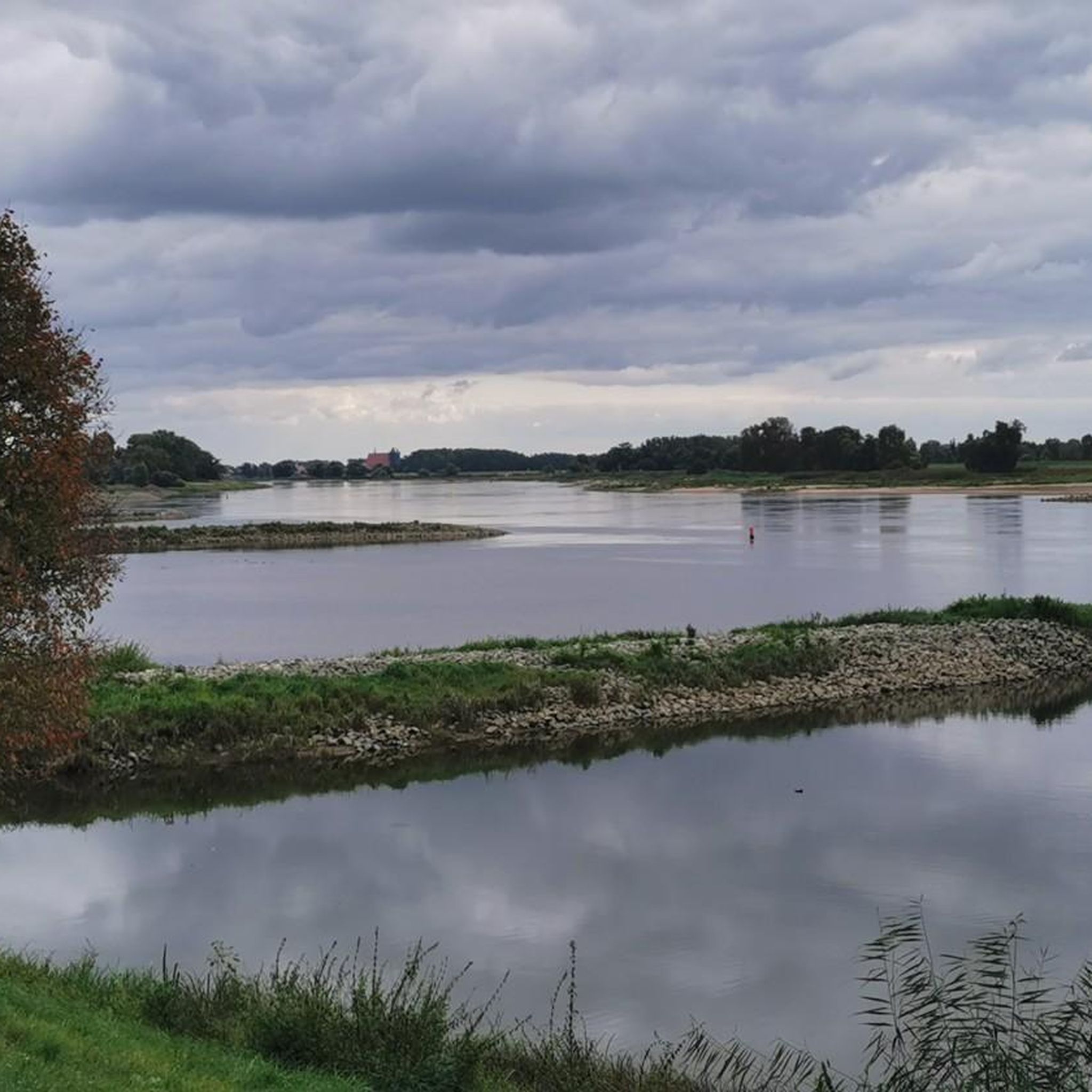
레그데/퀴초벨 주변의 다른 모험

커뮤니티 팁

I thought that section of the trail was absolutely beautiful. It could have been much, much longer. A true dream. Don't get me wrong! There aren't any standout highlights. The consistently good asphalt path and the beautiful, fragrant, peaceful forest are the highlights.
0
0

Bad Wilsnack is a worthwhile destination for a cycling tour, as it offers a perfect blend of culture, history, and relaxation. The town is particularly known for the imposing Church of the Holy Blood (St. Nikolai), a former pilgrimage site that dominates the townscape. The historic town center, with its restored half-timbered houses, provides a vivid impression of the local history. Extensive parks, easily incorporated into a cycling tour, and the Kristall spa and graduation tower offer further opportunities for relaxation. Thanks to its connection to regional cycling routes in the Prignitz region, Bad Wilsnack is ideal both as a stopover and as a starting point for further tours in the surrounding area.
1
0

Great cycle path through the forest. Always nice to ride in summer and winter. Protected from the wind and shady for hot summer days. A great rest area with bicycle parking and covered seating for around 10 people. Lots of forest paths to go for a few more hikes.
0
0

Hey, definitely go to the farm shop (or ask the town information desk to serve you there) and treat yourself to a soft ice cream. 🍦
0
0

The Wilsnacker pilgrim sign consists of three round plates backed by a triangle, the corners of which also serve as fastening eyelets. There are also two crosses on the top two circles. The depictions on the individual tiles show Christ on the cross, Christ rising from the coffin with a victory flag and Christ on the torture stake. A total of 47 Wilsnack pilgrim signs were found, and the pilgrim sign can also be found on over 60 bells, which were intended to avert harm from the church and community and to give grace. Since 1396, the pilgrim signs have been cast from lead and sold to pilgrims in Wilsnack, available directly in the church.
3
0

Great bike path through the forest.
1
0
Bad Wilsnack (until 1929 Wilsnack) is a spa town and a historical place of pilgrimage. In 1384, Wilsnack, whose early history was determined by its location in the Wendish-Saxon border area, was mentioned for the first time
0
0
A very beautiful, tranquil little town with many sights and opportunities for cycling tours in the surrounding area. Highly recommended, it's a worthwhile destination for a tour or a short detour from the main route. Bad Wilsnack is located on the southwestern edge of the Prignitz region, just north of the Havel River's confluence with the Elbe. Wilsnack, whose early history was shaped by its location in the Wendish-Saxon border region, was first documented in 1384. The occasion was the destruction of the church when the knight Heinrich von Bülow had the town and church burned down on August 15, 1383. Three hosts with red stains, believed to be blood, were reportedly found on the altar in the ruins – the so-called Blood Miracle Hosts. On February 20, 1384, Pope Urban VI granted Wilsnack an indulgence for the reconstruction of the pilgrimage church. Wilsnack thus became a pilgrimage site for the region and for believers from many countries, from the British Isles as well as the Baltic states, Hungary, and Scandinavia. Wilsnack was considered the Santiago of Northern Europe and therefore one of the most important pilgrimage sites in Europe. The town is known for its thermal springs and the Kristall Kur- und Gradiertherme (Crystal Spa and Graduation Tower), which attracts visitors seeking relaxation. Historically, Bad Wilsnack was an important pilgrimage site in the Middle Ages, as miraculous "blood hosts" were allegedly kept in the Church of St. Nicholas. In 1384, Wilsnack, whose early history was shaped by its location in the Wendish-Saxon border region, was first documented. The occasion was the destruction of the church when the knight Heinrich von Bülow had the town and church burned down on August 15, 1383. Three hosts with red stains, believed to be blood, were said to have been found on the altar in the ruins—the so-called Blood Hosts. ] ... Further information on the history of Bad Wilsnack can be found at: https://de.wikipedia.org/wiki/Bad_Wilsnack
6
0
레그데/퀴초벨 주변에서 가장 인기 있는 명소


더 살펴보기
다른 지역의 최고의 러닝 트레일 & 경로를 살펴보세요.
