20의 웨스텔로가지 명소 & 주요 장소
웨스텔로에는 둘러볼 만한 장소가 많답니다. 하이킹 또는 사이클링을 좋아한다면 웨스텔로에 숨겨진 20
가지 보석을 만날 수 있을 거예요. 이 지역의 주요 명소를 살펴보면서 다음 모험을 계획해보세요.
마지막 업데이트: 10월 23, 2026

Weefbergven 위의 보행자 다리
하이라이트 • 다리
번역자 Google •
팁에 의해

이런 장소를 발견하려면 지금 가입하세요
최고의 싱글 트랙, 봉우리 및 다양한 흥미로운 야외 장소에 대한 추천을 받아보세요.
아베르보데 숲과 헤이데 연못들
하이라이트 • 자연
번역자 Google •
팁에 의해


오늘 무료 계정으로 시작하세요
다음 모험이 기다리고 있어요.
커뮤니티 팁

One of my favorite places in the area.
7
0

A bridge provides a connection between two banks. Usually a bridge is over water: a ditch, a canal, moat, river, lake, ravine, ...
11
2

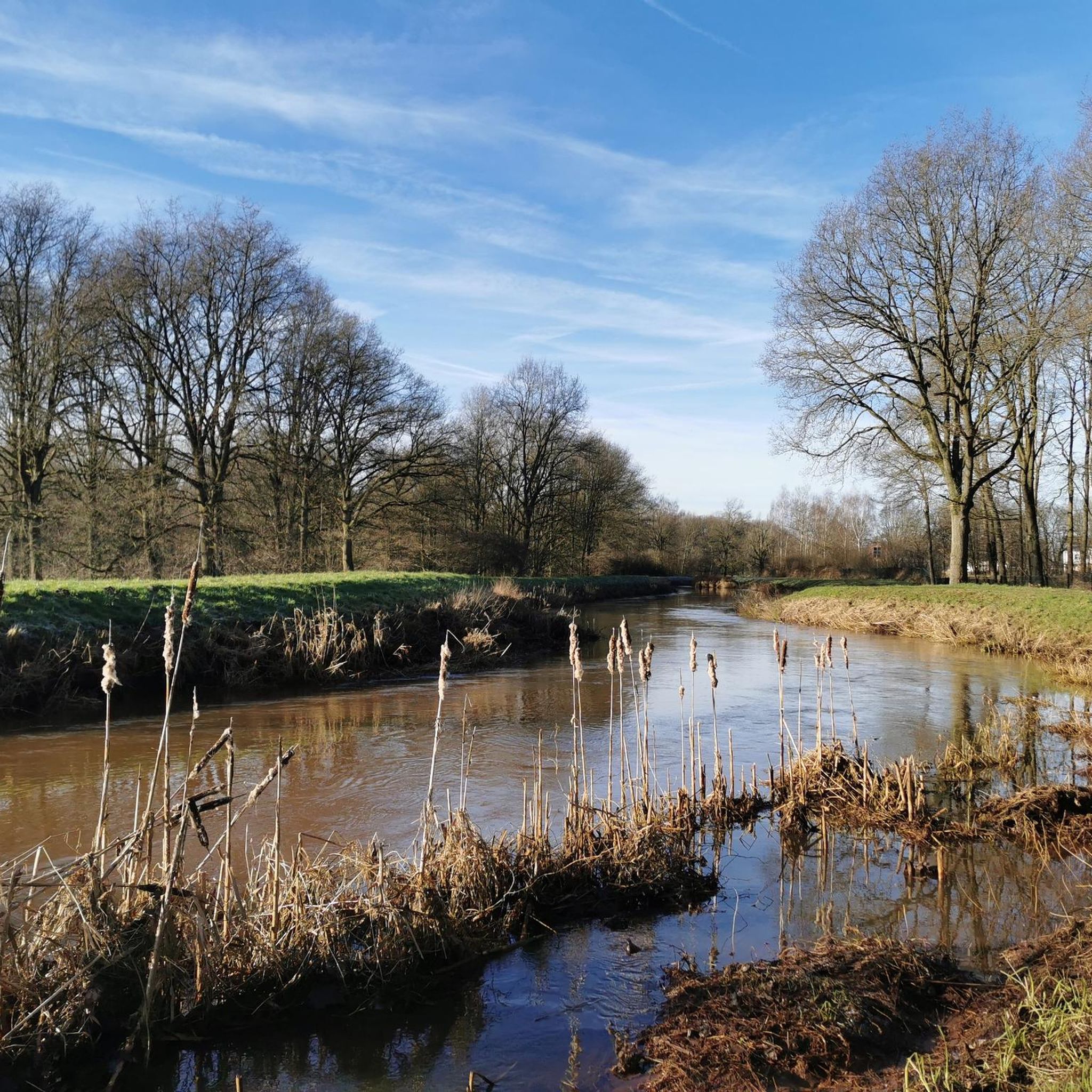
Beautiful and nice bridge over the fen, with a wonderful view...
15
3

Nice spot just off the cycle path.
15
0
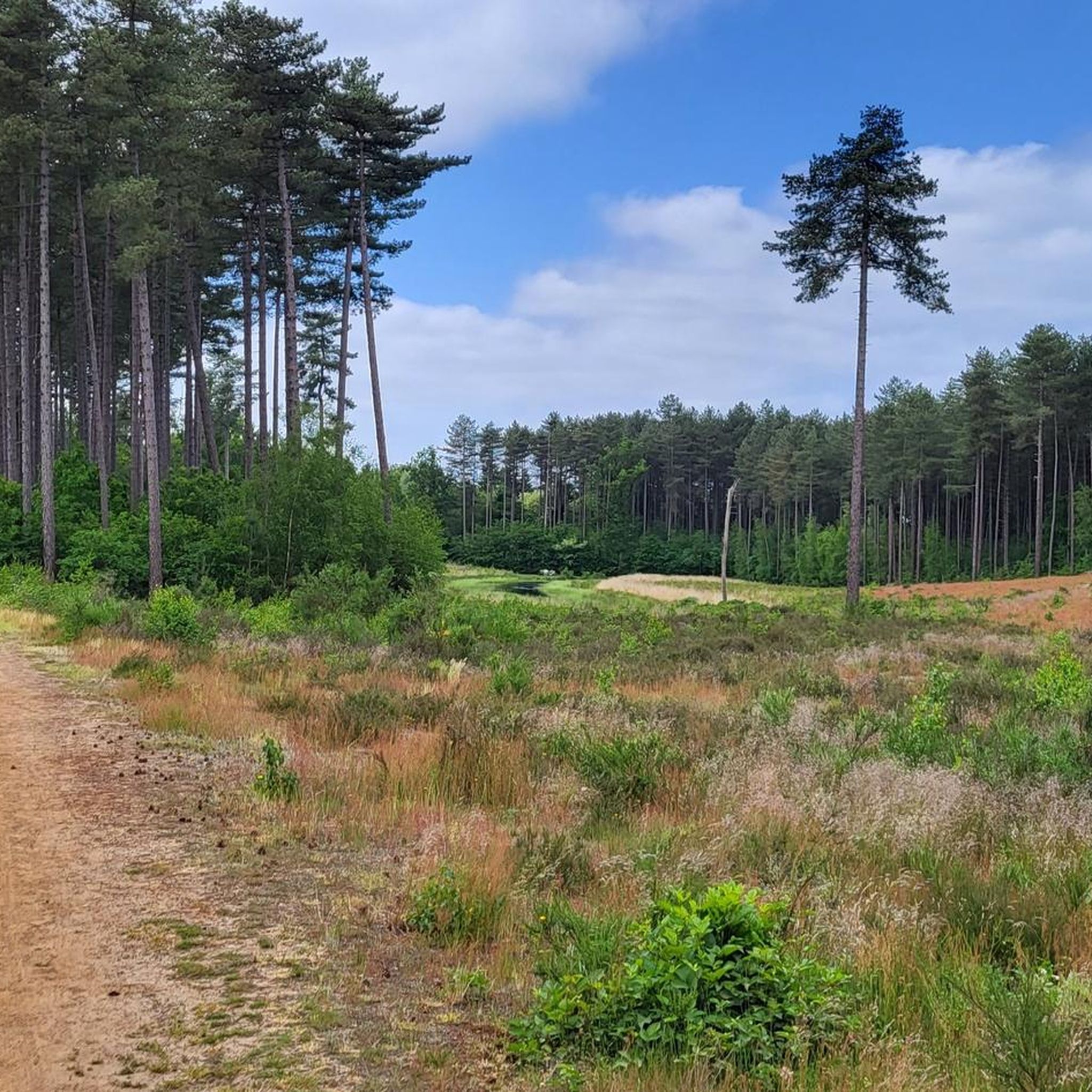
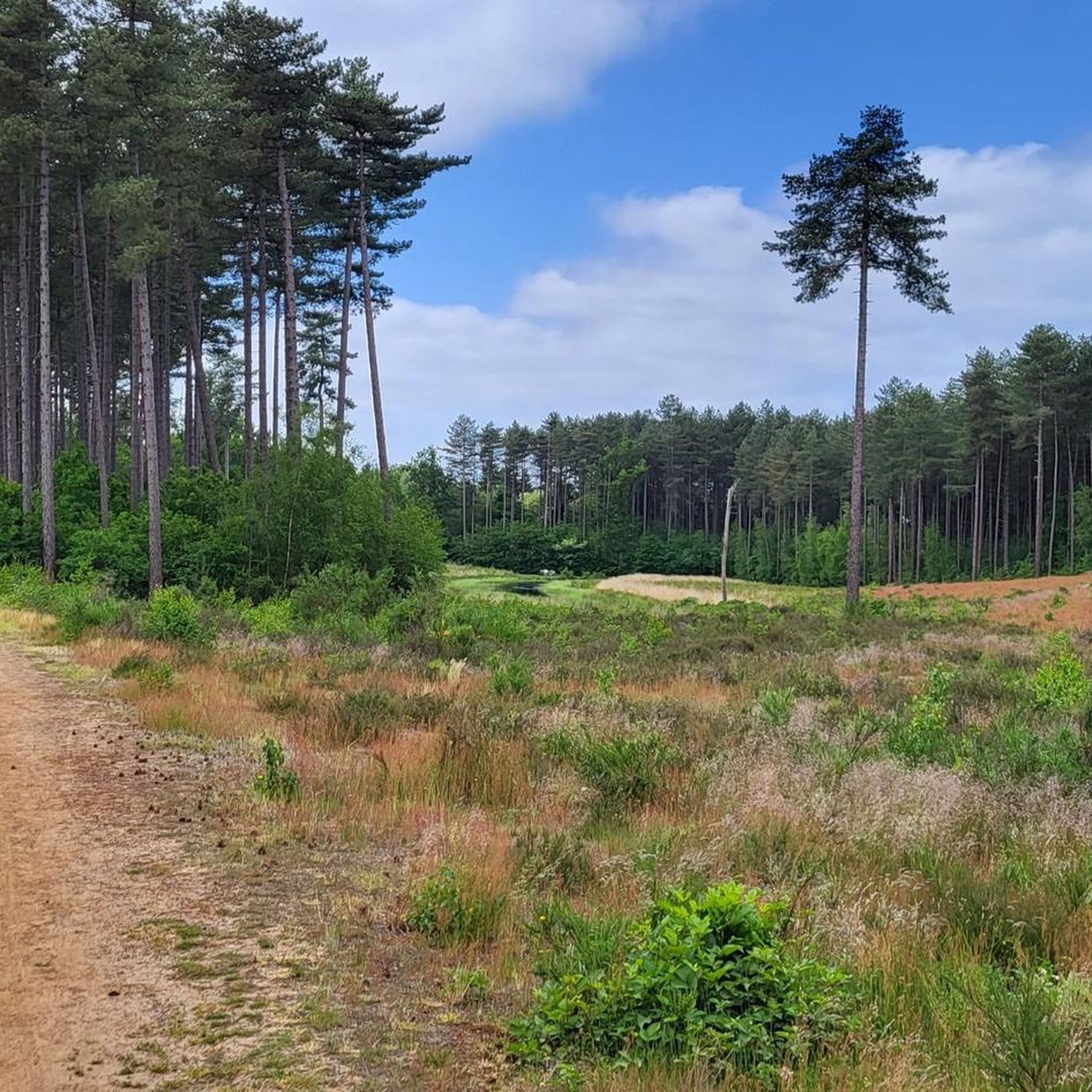
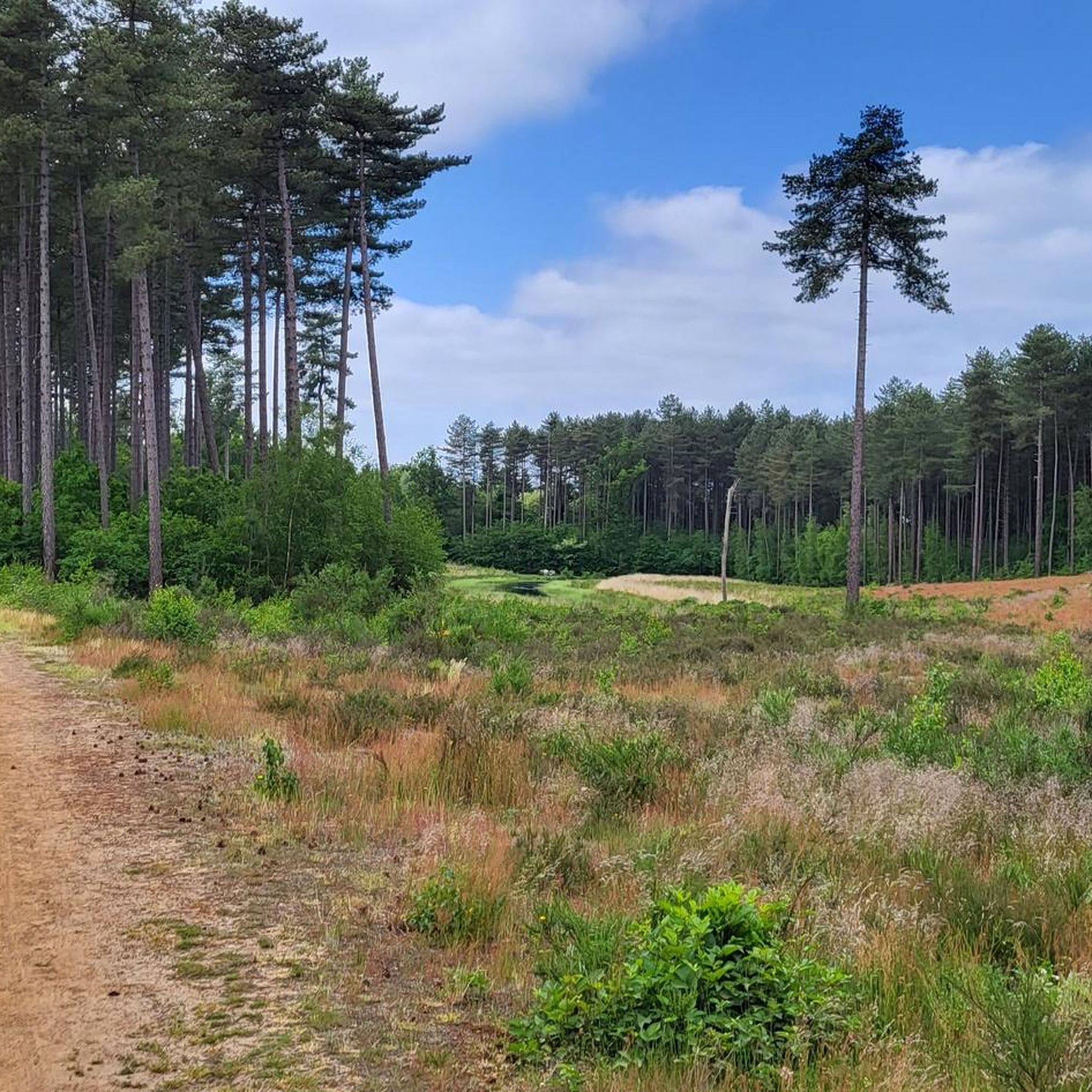
Het Zwart Water is a nature reserve southwest of the town of Lichtaart, which is part of the Antwerp municipality of Kasterlee, located near Lavendelweg 1-3. The area is managed by the Agency for Nature and Forests. The area is located on the Kempense Heuvelrug and consists of a fen that used to be in a drifting sand and heathland area, but was largely forested with conifers during the 19th century. On the edge of the fen you will find bog myrtle thickets, willow swamp forest and poor grassland. There is a floating dome in the fen that forms a safe resting place for birds. The forest is gradually being transformed into more mixed forest. In addition, there are remnants of heathland.
9
0

In the church of Averbode Abbey, the Averbode altarpiece can recently be admired again in the context of "Flemish masters in their place". The reredos was purchased 40 years ago by the Antwerp Museum of Antiquities. It is, like any altarpiece, the work of several painters, carpenters and the like. The sculptor or at least coordinator was Jacob van Cothem from Antwerp, where the protected Gothic reredos was purchased. It is a special work of great value and has been displayed in a climate cabinet since the end of November, opposite that other work of art, the painting by Jan Erasmus Quellinus: "Saint Augustine gives his rule to Norbertus". The altarpiece was removed from Averbode for about 150 years and originally stood at the altar of the abbey's previous Gothic church. You see some photos above (details, the cabinet with the complete work and a description plate).
13
1
The Gothic gatehouse of Averbode Abbey from the 14th century is built from iron sandstone, two stories high, with a steep gable roof between stepped gables with the original roof truss. The ground floor on the field side consists of a basket arch entrance gate and pedestrian gate between the heavy buttresses, the upper floor has elaborate niches with neo-Gothic statues, placed after a major restoration of 1909-1910, by J. Geerts between monastery frames in the center and a cross frame on the far left and right. On the inside, the first floor contains a small niche between four asymmetrically placed windows. On the second floor, the facade is openwork with two ball frames and a central round-arched window. Centrally located in the roof on the roof frame is a loading hatch with a lifting beam in a lifting box. https://inventaris.onroerenderfgoed.be/erfgoedobjecten/42758 There was also a restoration in 1988-1989.
14
0
The abbey of Averbode is located on the territory of three municipalities and provinces: Scherpenheuvel-Zichem (Flemish Brabant), Tessenderlo (Limburg) and Laakdal (Antwerp). Already in the Middle Ages, the abbey was located on the border of two principalities: the Duchy of Brabant and the County of Loon (absorbed by the Prince-Bishopric of Liège in the 14th century). The area is mainly characterized by Diestian sandstone hills, extensive forests, heathland relics and inland dunes. The witness hills are located here as extensions of the Hageland, on the transition to the Kempen. They are the remains of the original Tertiary massif, which have been able to maintain themselves thanks to a protective layer. Responsible for this is the iron-containing glauconite present in the subsoil, which originated in a former (sub)tropical, marine environment. The weathering product of glauconite is limonite and has the property of cementing sand grains together, creating a hard, stony, coarse sand. Weather and wind have less influence on the hills. The subsoil was covered by yellow sand, mixed here and there with some loam. Both pure sandy soils and loamy sandy soils and sandy loam soils occur. The abbey played a very important role in the development and support of agriculture and livestock farming in the area. Founded in 1134-35, it experienced a great heyday and important expansions during the 14th as well as the 17-18th century. Inventory of Immovable Heritage 2023: Abbey and forest of Averbode and Gerhagen, https://id.erfgoed.net/erfgoedobjecten/135068
14
1
웨스텔로 주변에서 가장 인기 있는 명소


더 살펴보기
찾고 있는 하이라이트를 아직 못 찾으셨나요? 다른 지역의 주요 명소 가이드를 확인해보세요:
