스티노커질 최고의 워킹 & 하이킹 경로
4.5
(303)
2,371
등산객
102
하이킹
정확한 경로를 찾는 것이 때로는 어렵지만 스티노커질에서 하이킹을 하면 다양한 경치를 마음껏 감상할 수 있답니다. 스티노커질에서 가장 멋진 하이킹과 워킹 중에서 마음에 드는 활동을 시작해보세요.
마지막 업데이트: 9월 10, 2026
4.5
(30)
131
등산객
5.94km
01:32
20m
20m
초급용 하이킹. 모든 체력 수준에 적합. 실력과 관계없이 누구나 쉽게 갈 수 있는 길.
4.1
(12)
55
등산객
23.2km
05:54
60m
60m
어려운 하이킹. 우수한 체력 필요. 실력과 관계없이 누구나 쉽게 갈 수 있는 길.

4.6
(5)
52
등산객
초급용 하이킹. 모든 체력 수준에 적합. 실력과 관계없이 누구나 쉽게 갈 수 있는 길.
4.7
(7)
66
등산객
7.67km
01:57
20m
20m
초급용 하이킹. 모든 체력 수준에 적합. 실력과 관계없이 누구나 쉽게 갈 수 있는 길.
3.4
(7)
45
등산객
14.0km
03:34
40m
40m
보통 하이킹. 좋은 체력 필요. 실력과 관계없이 누구나 쉽게 갈 수 있는 길.
더 다양한 경로와 다른 탐험가들의 추천을 살펴보세요.
이미 komoot 계정이 있나요?
투어 추천은 다른 사람들이 komoot에서 완료한 수천 개의 활동을 바탕으로 구성되어 있습니다.
오늘 무료 계정으로 시작하세요
다음 모험이 기다리고 있어요.
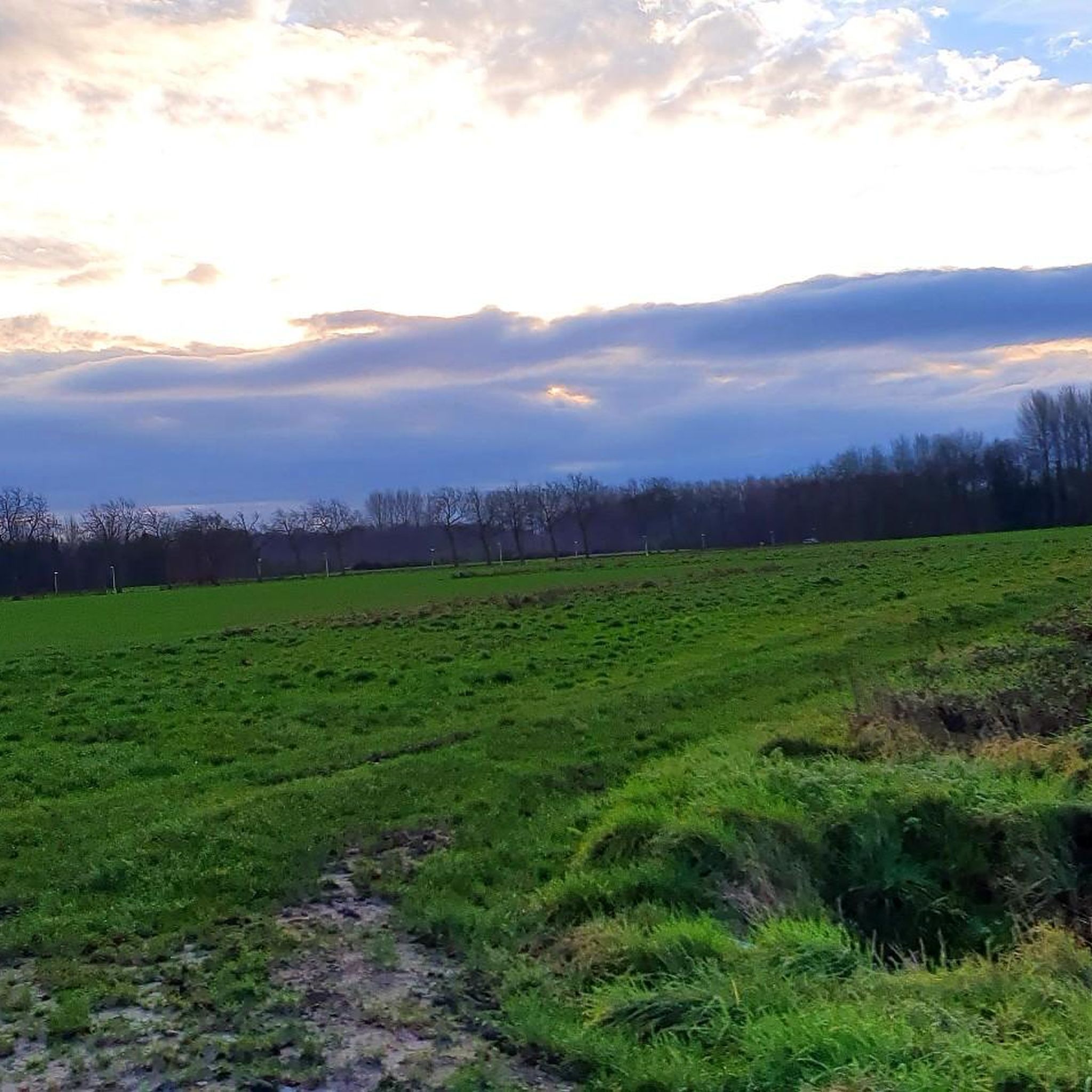
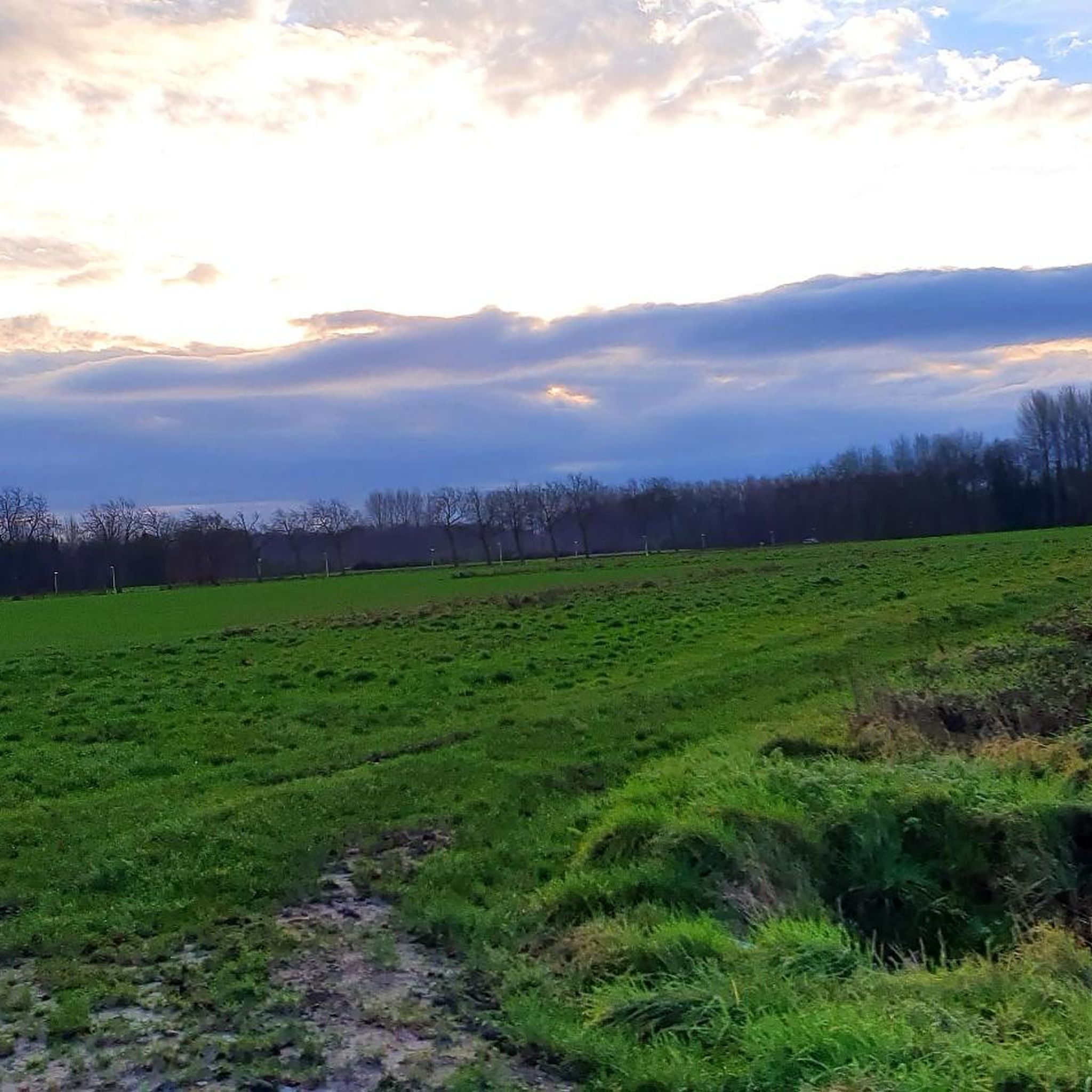
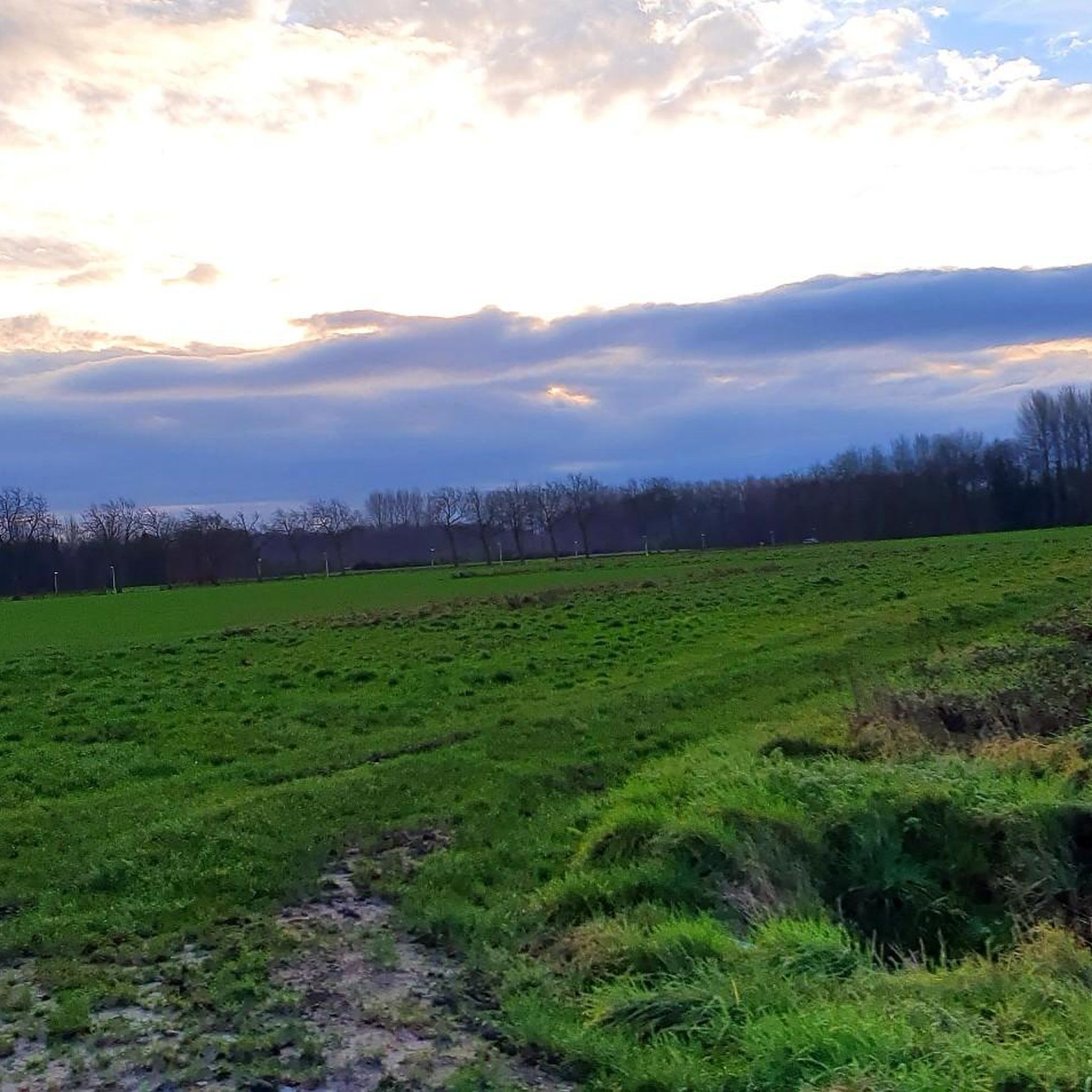
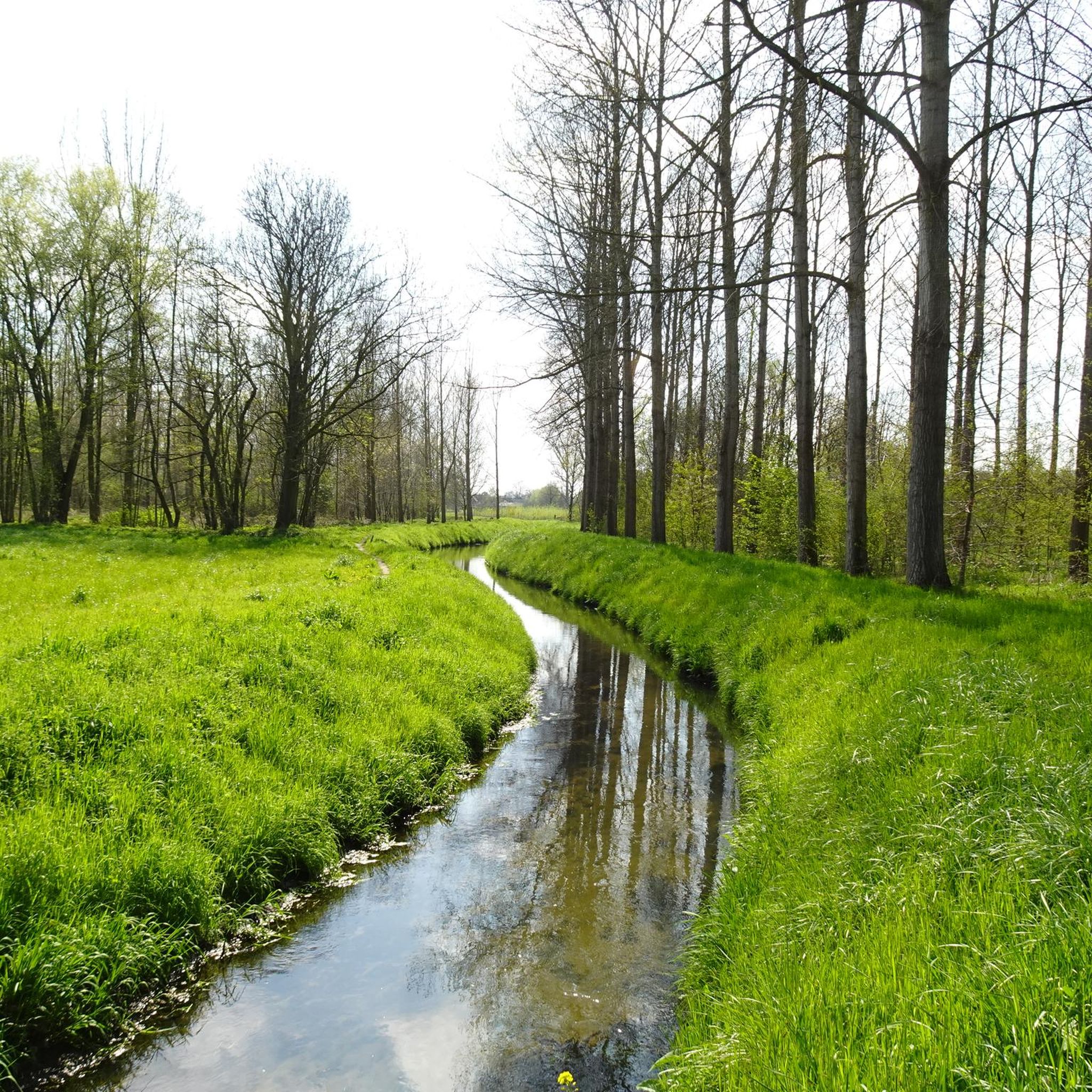

커뮤니티 팁

이곳에서 만날 수 있는 POESIEPFAD(시의 길)를 보며, 1981년 노벨 문학상 수상 작가인 Elias Canetti를 이곳에서 기억하고 싶습니다. 공식적인 시상 위원회의 선정 이유는 다음과 같습니다: "그의 문학 작품은 통찰력, 풍부한 아이디어, 예술적 힘으로 특징지어진다." 그렇게 칭찬받은 그는 다른 맥락에서 다음과 같이 말했습니다: "모든 위대한 생각들이 이미 말해졌다는 것을 모른 채, 그것들을 다시 말하는 것이 중요하다."
0
0

Beautiful paths, road well marked. Generally, beware of ticks!! Think more during wet periods.
1
0

The Torfbroek is a remnant of a unique marsh, fed by highly calcareous groundwater. The area consists of ponds and wet grasslands with unique plants and is part of De Groene Vallei (The Green Valley). In 1981, it was the first nature reserve in Flanders to be recognized as such. In 2023, development work for management and recreational co-use began. An old landfill was excavated, and the underlying avenue was visualized with a boardwalk over the Kristalvijver (Crystal Pond).
1
0


Beautiful path where you can walk peacefully and where you are greeted very friendly by the horses present.
6
0
Rectory from the second quarter of the 18th century with a side wing from 1631, with a partially walled rectory garden of 30 ares. The first rectory of Perk was built perpendicular to the highway in 1631, as indicated by the year anchors in the wall along the garden side. Against this single-storey building and parallel to the highway, a second volume was later built - probably during the second quarter of the 18th century - also of local 'Diegemse' sandstone, a classicist double house of seven bays and two storeys under a slate saddle roof. The double house is a sandstone construction with plastered cornice and brick interlacing, provided with pointed arch windows and doors. In the volume of the outbuilding on the left, part of the former rectory has been preserved, as indicated by the year anchors "1631". In addition, one monastery window frame has been preserved in the side wall. The extension towards the street side, the entrance gate and the perimeter wall date from the middle of the 19th century. The remaining bricks and mortar from the renovation of the church in 1853 were used by the then pastor to build a perimeter wall and to renew the front building with the entrance gate. The metal framework of the pointed arch window in the side of the conservatory against the south facade is said to have come from the church. According to the Primitive Land Registry (1831), the rectory included three garden plots: a pleasure garden (probably a flower garden) of 3 ares 10 centiares against the street next to the rectory, a courtyard of 28 ares behind the rectory and a second courtyard of 6 ares 20 centiares on the corner with the Passieweg. This second courtyard, which bordered the school, was sacrificed in 1863 for the construction of a house for the parish teacher. Thanks to the high crowns of an Italian poplar (Populus nigra 'Italica'), a brown beech and two weeping beeches (Fagus sylvatica 'Atropunicea', Fagus sylvatica 'Pendula') and two white horse chestnuts (Aesculus hippocastanum), which largely overshadow the back garden, the parsonage garden is a striking appearance in the village centre. Maintenance is currently largely limited to the herb and flower garden – with, among other things, hibiscuses (Hibiscus syriacus) and oriental pokeweed (Phytolacca esculenta) – in the courtyard, where there is also a pollarded summer lime (Tilia platyphyllos). A photo from around 1900, probably taken in early spring, shows the courtyard with a reading pastor in a rustic garden seat between cone-shaped trees, possibly holly (Ilex aquifolium), with on the left the oldest part with the year anchors and vines trained against the walls, and on the right the 18th-century 'high-rise' with an exceptionally highly trained pear tree. That food supply was still an important function at that time is also evident from the fig tree (Ficus carica) in the 'Gothic' conservatory against the south facade. Kadasterarchief Vlaams-Brabant, Oudste cadastrale legger 212 Perk, art. 149 nos. 1-5, 11-14, 2023. Cadastral Archives of Flemish Brabant, Cadastral survey sketch Perk 1863 no. 2. WAUTERS A., Histoire des environs de Bruxelles, VII, reissue of the 1855 edition, Bruxelles, Editions Culture et Civilisation, 1972, p. 158. DE MAEGD C., Building through the Ages – arrondissement Halle-Vilvoorde, Ghent, Snoeck-Ducaju, 1977, p. 513. LAUWERS J., Perk, the small village of the great Teniers, Tielt, Veys, 1966, p. 87-88. This text is a combination of the texts: DE MAEGD C. & VAN AERSCHOT S. 1975: Inventory of cultural heritage in Belgium, Architecture, Flemish Brabant, Halle-Vilvoorde, Building through the ages in Flanders 2N, Ghent. DENEEF, R., 2009. Historical gardens and parks of Flanders - Northeast of Brussels: Kampenhout, Kraainem, Machelen, Steenokkerzeel, Vilvoorde, Wezembeek-Oppem, Zaventem, Zemst, Brussels: Flemish Government. Immovable Heritage. Authors: Deneef, Roger; Wijnant, Jo; De Maegd, Christiane; Van Aerschot, Suzanne Date: 2019 The text is made available by: Flemish Heritage Agency (AOE)
7
0
스티노커질 주변에서 가장 인기 있는 명소


더 살펴보기
다른 지역의 최고의 하이킹를 살펴보세요.
