20의 폰테보가지 명소 & 주요 장소
폰테보에는 둘러볼 만한 장소가 많답니다. 하이킹 또는 사이클링을 좋아한다면 폰테보에 숨겨진 20
가지 보석을 만날 수 있을 거예요. 이 지역의 주요 명소를 살펴보면서 다음 모험을 계획해보세요.
마지막 업데이트: 10월 23, 2026

이런 장소를 발견하려면 지금 가입하세요
최고의 싱글 트랙, 봉우리 및 다양한 흥미로운 야외 장소에 대한 추천을 받아보세요.
Corte di Giarola
하이라이트 • 역사적 장소
번역자 Google •
팁에 의해

팔라초 델라 필로타
하이라이트 • 역사적 장소
번역자 Google •
팁에 의해
팔라초 델 고베르나토레
하이라이트 • 역사적 장소
Piazza Giuseppe Garibaldi, 19, 43100 Parma PR
0521218929
번역자 Google •
팁에 의해

무료로 가입하여 폰테보 주변의 더 많은 명소를 발견하세요.
이미 komoot 계정이 있나요?
오늘 무료 계정으로 시작하세요
다음 모험이 기다리고 있어요.
커뮤니티 팁

필로타 기념 단지는 파르마에 있는 16세기 웅장한 궁전으로, 도시의 진정한 문화 중심지입니다.
4
0

The Governor's Palace is a Baroque and Neoclassical building located on the entire north side of Parma's central Piazza Garibaldi. The palace was originally built on the north side of Piazza Nuova (now Piazza Garibaldi) between 1283 and 1285 as the "Merchants' Palace," following the demolition of pre-existing dwellings. In late Romanesque style, it consisted of two separate buildings, separated in the center by the narrow Borgo di San Marco, which no longer exists. Entirely clad in brick, it rose above a portico on the ground floor and featured two rows of mullioned windows on the first floor; the façade was crowned by battlements at the top. Having lost its original mercantile function, the building soon became the seat of the Captain of the city and, later, of the Governor, the Civil Auditor, and other municipal magistrates. However, its architectural structure remained unchanged for centuries. Following the collapse of the towering Civic Tower on January 27, 1606, which also caused the destruction of the Town Hall, the need arose to renovate the Governor's Palace. Initially, the building was unified by enclosing the Borgo di San Marco with a vault. A tower was erected on top of this vault in 1673, designed by Piacenza engineer Gian Battista Barattieri. This tower assumed the former functions of the destroyed Civic Tower, retaining the original bell known as the "third bell," dating back to 1453, which remained intact over the centuries until it was replaced with a copy in 1998. In 1760, the court architect Ennemond Alexandre Petitot was commissioned to redesign the square; the Governor's Palace was thus renovated in elegant neoclassical style, with the addition of typical decorative elements. The central niche was also opened to house the statue of the Crowned Virgin, sculpted by Jean-Baptiste Boudard. In 1829, Duchess Maria Luigia commissioned Lorenzo Ferrari and Luigi Pazzoni to create the large sundials on the façade. In the 1920s, the interior and rear of the building underwent a major renovation in the Rationalist style, which preserved only some of the original interior decorations. The entire building, home to several municipal offices until the end of the 20th century, underwent a complete restoration between 2000 and 2009, transforming it into today's "Place of Modern and Contemporary Art": inaugurated in January 2010 with the Nove100 exhibition, it hosts temporary exhibitions of mostly contemporary art. SOURCE and further information https://it.wikipedia.org/wiki/Palazzo_del_Governatore_(Parma)
1
0
La corte di Giarola è una corte rurale medievale dotata di chiesa interna, situata nell'omonima località presso Pontescodogna, frazione di Collecchio, in provincia di Parma; costituisce la sede dell'Ente di Gestione per i Parchi e la Biodiversità Emilia Occidentale, del museo del pomodoro, del museo della pasta, del Teatro alla Corte, del centro visite "Sotto il segno dell'acqua", di due sale convegni e di un ristorante.[1][2] È il punto di partenza per semplici camminate nel Parco del Taro. STORIA: La corte fu costruita originariamente tra l'VIII e il IX secolo per volere della casata di Ingo, nobile franco; l'edificio nacque quale presidio fortificato a controllo del vicino guado di un ramo della via Francigena attraverso il fiume Taro; a causa della sua prossimità al corso d'acqua, la località era conosciuta col nome di Glarola, forse di origine latina, in riferimento alla grande quantità di ghiaia depositata sulle sponde. La più antica testimonianza della sua esistenza risale al 1034, quando Glariola fu citata in un rogito di compravendita di terreni da parte di Alberto Prete a Giovanni di Viarolo. I discendenti di Ingo, feudatari della zona,nel 1045 donarono il castrum con la sua cappella romanica alla badessa Imila del monastero di San Paolo di Parma. L'anno seguente il vescovo Cadalo cedette alcune terre in castro clariolae alle monache. Nei decenni seguenti le religiose trasformarono la struttura in una corte agricola indipendente,[4][5] protetta da mura e dotata di abitazioni, stalle, caseificio e mulino alimentato dalle acque del canale Naviglio; le boscose e paludose terre circostanti furono bonificate e coltivate. Nel 1187 il papa Gregorio VIII emanò una bolla confermando alla badessa di San Paolo i diritti sull'Ecclesiam Sancti Nicomedi de Glarola, oltre a numerose altre del Parmense. A difesa dell'edificio e del guado il vescovo di Parma fece inoltre erigere una torre difensiva, che si aggiunse ai vicini castelli di Collecchio, Segalara, Madregolo e Carona. Nel 1308 i Rossi e i Lupi, dopo la loro cacciata da Parma, presero possesso della struttura fortificata di Giarola, che pochi mesi dopo fu contrattaccata dalle truppe di Giberto III da Correggio e distrutta al termine di un aspro combattimento; sopravvissero solo la corte agricola e la cappella. Nel 1440 ogni residua struttura fortificata fu completamente demolita o trasformata in abitazioni. Nel 1451 la corte ospitò durante il suo viaggio il duca di Milano Francesco Sforza,mentre nel 1495 vi si accamparono, in vista della battaglia di Fornovo, le truppe di Ludovico il Moro. Secondo il Catasto farnesiano del 1562, la corte, dipendente dalla magistratura di Parma e abitata da 110 persone, gestiva un territorio di 1140 biolche parmigiane, corrispondenti a circa 342 ettari, appartenenti in gran parte al monastero di San Paolo; le coltivazioni si estendevano in particolare nella pianura occidentale, in quanto all'epoca il fiume Taro scorreva molto più a ovest. Nel 1760 la chiesa romanica fu modificata in stile neoclassico. Dopo la conquista napoleonica del ducato di Parma e Piacenza, la corte rimase per alcuni anni soggetta direttamente al Comune (o mairie) di Parma, ma nel 1806 fu aggregata a quello di Collecchio. In seguito alla soppressione degli ordini religiosi che colpì anche le benedettine del monastero di San Paolo, nel 1811 la tenuta fu confiscata dal governo francese e affittata a imprenditori agricoli, primi tra tutti i conti Camillo e Alessandro Zileri. Gli abitanti della struttura raggiunsero la quota di 312 nel 1855, per calare un po' alla volta nei decenni seguenti. Le terre furono lottizzate e alienate a privati, mentre la corte fu acquistata alla fine del XIX secolo dalla famiglia Montagna, che dedicò parte dei terreni circostanti alla coltivazione di pomodori e costruì in adiacenza una fabbrica di conserva e un moderno caseificio con annesso allevamento di suini, affittati a conduttori esterni. Durante la seconda guerra mondiale, il 17 aprile 1945 la corte fu colpita dai bombardamenti alleati, che causarono la morte di nove persone[14] e il parziale crollo della chiesa di San Nicomede, di cui rimasero in piedi soltanto alcune porzioni delle murature esterne; il luogo di culto fu ricostruito nel 1950 nelle originarie forme romaniche. La fabbrica conserviera fu alienata nel 1957 all'imprenditore Ercole Azzali; pochi anni dopo fu però chiusa, mentre il caseificio sopravvisse ancora per qualche tempo. Dopo la cessazione dell'attività, il degrado aumentò, finché nel 1998 la corte e le strutture annesse furono acquistate dall'Ente Parco Fluviale Regionale del Taro, poi Ente di Gestione per i Parchi e la Biodiversità Emilia Occidentale, che ne avviò i lavori di ristrutturazione, adibendo parte dell'edificio a propria sede; nell'ala est furono inoltre ricavati un percorso espositivo e una sala auditorium. Nel 2005 fu recuperata la casa colonica esterna, destinata a Laboratorio storico. Nel 2006, su finanziamento della Regione Emilia-Romagna, del Comune di Collecchio e della Fondazione Cariparma, l'ala sud, originariamente adibita a legnaia e deposito, fu trasformata in sala teatrale; il Teatro alla Corte fu inaugurato nel settembre del 2007; nello stesso anno furono avviati i lavori di sistemazione dell'ala ovest, ove all'interno delle antiche stalle trovò spazio nel 2010 il Museo del pomodoro. Nel 2013 il cantiere dell'ala ovest fu completato recuperando anche l'antico pastificio e il mulino; l'anno seguente gli ambienti divennero la sede del Museo della pasta. Nel 2014 fu inoltre ricostruito il tetto della chiesa di San Nicomede,sede parrocchiale a servizio della frazione di Pontescodogna. Nel 2019 fu ristrutturato l'antico caseificio posto nell'ala nord ovest, al cui interno nel novembre dello stesso anno fu inaugurato l'Agrilab Giarola, un laboratorio di cucina per promuovere la biodiversità agroalimentare, i prodotti del territorio e la loro stagionalità. FONTE ed altre b notizie: https://it.wikipedia.org/wiki/Corte_di_Giarola
0
0

An early Christian church, probably built over a pre-Christian sanctuary, stood on the site of today's cathedral square from the 4th or 5th century. From 860 onwards, the Church of St. Mary was built nearby, which became the cathedral. After its destruction by fire, construction of the present cathedral began in 1074 in several phases. The bell tower was built between 1284 and 1294 in the Gothic style. https://de.wikipedia.org/wiki/Dom_von_Parma
3
0

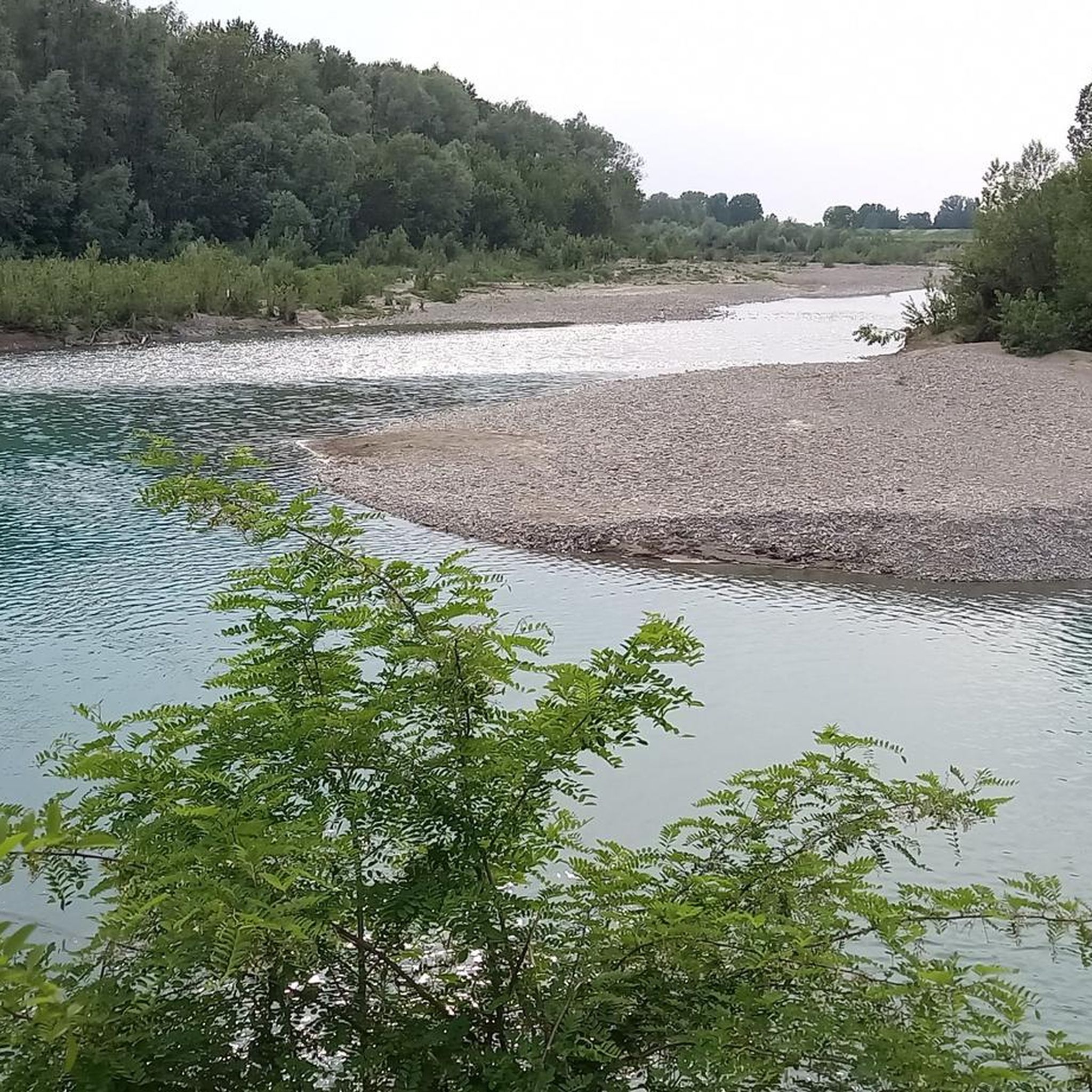
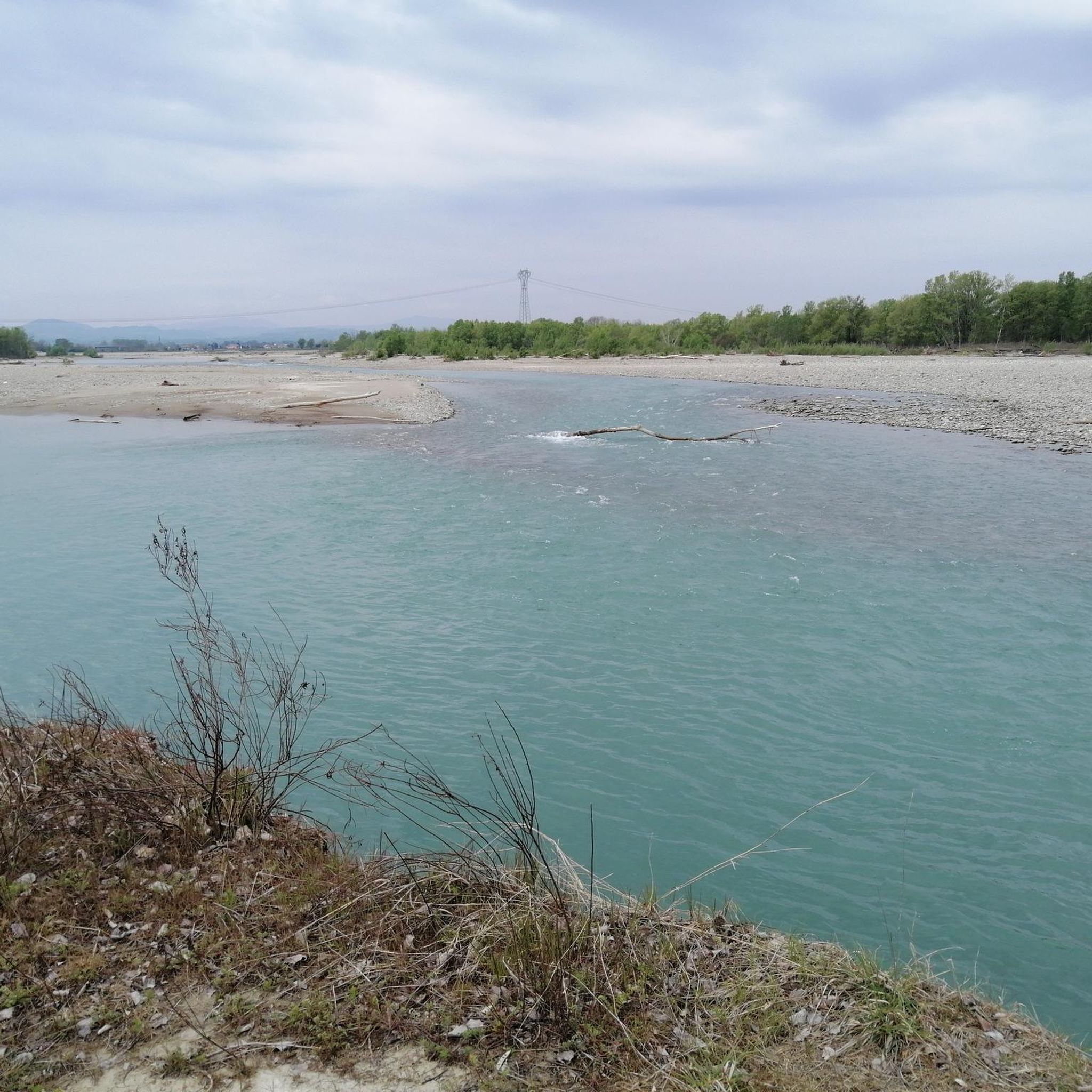
From behind the courtyard you enter the Taro Park towards the canals and the butterfly path
1
0

The court of Giarola is a medieval rural court with an internal church, located in the locality of the same name near Pontescodogna, a hamlet of Collecchio. The court was originally built between the 8th and 9th centuries at the behest of the Ingo family, a Frankish noble; the building was born as a fortified garrison to control the nearby ford of a branch of the Via Francigena across the Taro river; due to its proximity to the watercourse, the locality was known by the name of Glarola, perhaps of Latin origin, in reference to the large quantity of gravel deposited on the banks.
2
0
The Pilotta in Parma is today a Monumental Complex that gives life to a cultural and scientific center and opens up to a new dialogue with citizens. https://complessopilotta.it
4
0

Parma Cathedral has been a place of art, history and sanctity for 900 years. Here are preserved the bas-reliefs of Benedetto Antelami, the Romanesque art heritage and the great frescoes of Antonio Allegri, known as Correggio. Entering this place means living the faith, opening yourself to art and discovering one of the city's most precious treasures.
7
0
폰테보 주변에서 가장 인기 있는 명소


더 살펴보기
찾고 있는 하이라이트를 아직 못 찾으셨나요? 다른 지역의 주요 명소 가이드를 확인해보세요:
