폰테보에서 가장 멋진 8개의 천연기념물
천연기념물을 방문하여 폰테보의 아름다운 풍경을 만나보세요. 폰테보에 있는 8
개의 천연기념물과 상세 정보를 살펴본 후에 방문하고 싶은 천연기념물을 다음 모험 계획에 추가해보세요!
마지막 업데이트: 10월 15, 2026
폰타나 델 트리아논
하이라이트 • 기념물
The green gradually overgrows the entire work of art. Pruning would be desirable.
번역자 Google •
팁에 의해

기념 플라타너스 나무
하이라이트 • 자연 기념물
번역자 Google •
팁에 의해
이런 장소를 발견하려면 지금 가입하세요
최고의 싱글 트랙, 봉우리 및 다양한 흥미로운 야외 장소에 대한 추천을 받아보세요.

살아 있는 화석: 은행나무(Ginkgo biloba, L., 1771)
하이라이트 • 자연 기념물
번역자 Google •
팁에 의해

비아롤로의 폰타닐리
하이라이트 (구간) • 강
Dense patches of vegetation, with some notable examples of Farnia, Black Alder and …
번역자 Google •
팁에 의해

무료로 가입하여 폰테보 주변의 더 많은 자연 기념물을 발견하세요.
이미 komoot 계정이 있나요?
오늘 무료 계정으로 시작하세요
다음 모험이 기다리고 있어요.
커뮤니티 팁

트리아논 분수는 파르마의 두칼레 공원 중앙 낚시터 섬에 위치한 바로크 양식의 기념비적인 분수입니다. 역사: 이 기념비적인 분수는 1712년에서 1719년 사이에 콜로르노 궁전 정원을 위해 프란체스코 파르네세 공작의 명령으로 제작되었습니다. 그는 줄리아노 모차니 건축가이자 조각가에게 프로젝트를 의뢰했습니다. 후자는 프랑스 수력 공학자 장 바일리울의 도움을 받아 1703년 쥘 아르두앙 망사르가 만든 베르사유의 그랑 트리아논 분수의 복제품을 만들었습니다. 1882년 정신병원 환자들에 의해 부분적으로 손상된 후, 분수는 해체되었고 10개의 조각상이 매각되었습니다. 몇 년 동안 창고에 보관된 후, 1889년 조각가 조반니 키에리치가 재조립하여 처음에는 파르마의 테아트로 레이나크 앞에 설치되었습니다. 1920년, 무대 디자이너 주세페 카르미냐니가 두칼레 공원을 전반적으로 재정비하면서 분수는 낚시터 중앙의 작은 섬으로 옮겨졌습니다. 1996년, 카리파르마 재단의 자금 지원으로 완전히 복원되었습니다. 2025년, 낚시터의 개조 공사가 시작되었으며, 이는 트리아논 분수에도 영향을 미쳤습니다. 공사는 2026년 7월에 완료되었습니다. 설명 넓은 볼루트(volutes)로 극적으로 둘러싸인 이 분수는 카라라 대리석과 녹색 대리석이 혼합된 세 개의 높은 단으로 솟아 있으며, 그 위로 폭포가 흐릅니다. 정상에는 큰 조개가 놓여 있으며, 그 양쪽에는 반쯤 누워 있는 두 개의 대리석 조각상이 있습니다. 이 조각상들은 타로 강과 파르마 강을 의인화한 것입니다. 더 바깥쪽에는 두 마리의 웅크린 사자가 있습니다. 가장 낮은 단에는 세 개의 작은 돌출형 연못이 있으며, 대리석 가면 조각과 번갈아 배치됩니다. 중간 단에는 원래 10개의 조각상이 더 있었지만, 1882년 분수 해체 후 판매되었습니다. 이 조각상들은 사계절, 네 명의 나이아드, 그리고 회화와 조각의 의인화를 나타냈습니다. 출처: https://it.wikipedia.org/wiki/Fontana_del_Trianon_(Parma)
0
0

파르마의 라 폰타나 델레 트레 렐리지오니는 조각가 피에트로 카스텔라의 작품입니다. 이것은 세 가지 일신교 상징의 연합을 나타냅니다: 십자가(기독교), 다윗의 별(유대교), 초승달(이슬람교)
1
0
Ginkgo biloba L., 1771 is a gymnosperm plant, the only surviving species of the Ginkgoaceae family, of the entire Ginkgoales order (Engler, 1898) and of the Ginkgophyta division. It is a very ancient tree whose origins date back 250 million years to the Permian[2] and is therefore considered a living fossil. It is a relict species and owes its resilience to its high resistance to drought and cold (−34°C) and air pollution.[3] Ginkgo biloba is the symbol of the city of Tokyo. WHY IT IS A FOSSIL: It belongs to the Gymnosperms: the seeds are not protected by the ovary. The apricot-shaped structures produced by female specimens are not fruits, but rather ovules covered by a fleshy envelope (they do not contain seeds, as no embryo exists yet. Fertilization, if it occurs, since the false fruit is produced regardless of contact with pollen, will only occur in the ground, after detachment from the tree). SOURCE and other information https://it.wikipedia.org/wiki/Ginkgo_biloba
0
0
“The Fountain of the Three Religions – explained the First Citizen, Federico Pizzarotti – was recovered by the Municipality, after a long period in which it remained dismantled in the warehouses of the Municipality itself, to be placed, not by chance, in this place where it conveys a message of civilization and brotherhood, in a time in which religions are often used in an instrumental way. It is a symbol of community and inclusion”. The widow of the sculptor Pitro Cascella, the sculptor Cordelia von de Steinen, focused on the meaning of the work. “My husband had conceived the idea of a sculpture dedicated to the Three Religions since the 1990s. Today, more than then, this fountain is current, for the meanings it implies: the basin represents the Mediterranean Sea into which the jets of water from the symbols of the Three Religions pour, each of which has contributed and contributes to its life”. The fountain represents the symbols of the three monotheistic religions: Christianity, represented by a cross; Judaism, represented by the Star of David; the crescent moon representing the Islamic world and Muslims. The choice to place the fountain near the Duc stems from the fact that it is a very popular space in today's increasingly cosmopolitan world. Situated, therefore, in a sort of pedestrian crossroads, it is an expression of the different cultural and religious realities of the world: a symbol, therefore, of social cohesion and intercultural dialogue. The fountain was included in the plan for the redevelopment, recovery and re-functionalization of the spaces outside Duc A and Duc B, which form a green strip between Viale Mentana and the two buildings that house the citizen counters, various offices, and public utility services. This closes the story linked to the fountain, which was commissioned in 2008 by the then Municipal Administration. Initially it should have been placed where the fountain is today, also by Cascella, located in the center of the roundabout of Strada Elevata (intersection of Via Zarotto, Mantova, Via Emilia). This was not the case, as a new one was commissioned, again by Pietro Cascella. The new fountain, at the intersection of Strada Elevata, was inaugurated, shortly after the artist's death, in October 2008. Subsequently, between 2008 and 2009 the idea was to mount the fountain of the Three Religions in the area where the EFSA is located, but the idea was then abandoned. The fountain of the Three Religions was preserved for years, dismantled, in the warehouses of the Municipality in Via Spezia. Hence the intention of the current Administration to recover it, enhancing it and inserting it into a new urban context. SOURCE: https://www.nonsoloeventiparma.it/curiosita-tradizioni-e/curiosita-articchie/parma-fontana-delle-tre-religioni-opera-dello-scultore-pietro-cascella
0
0

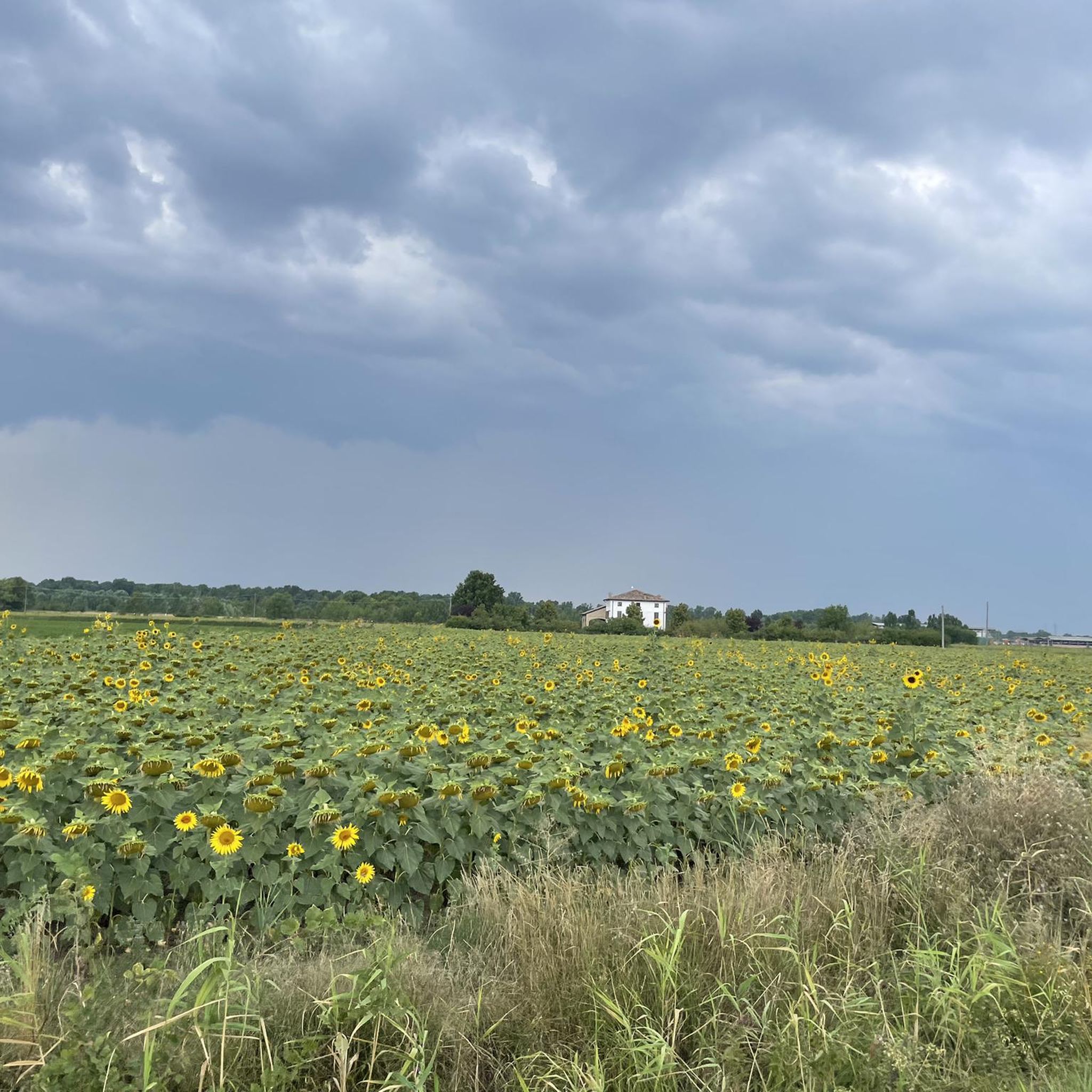
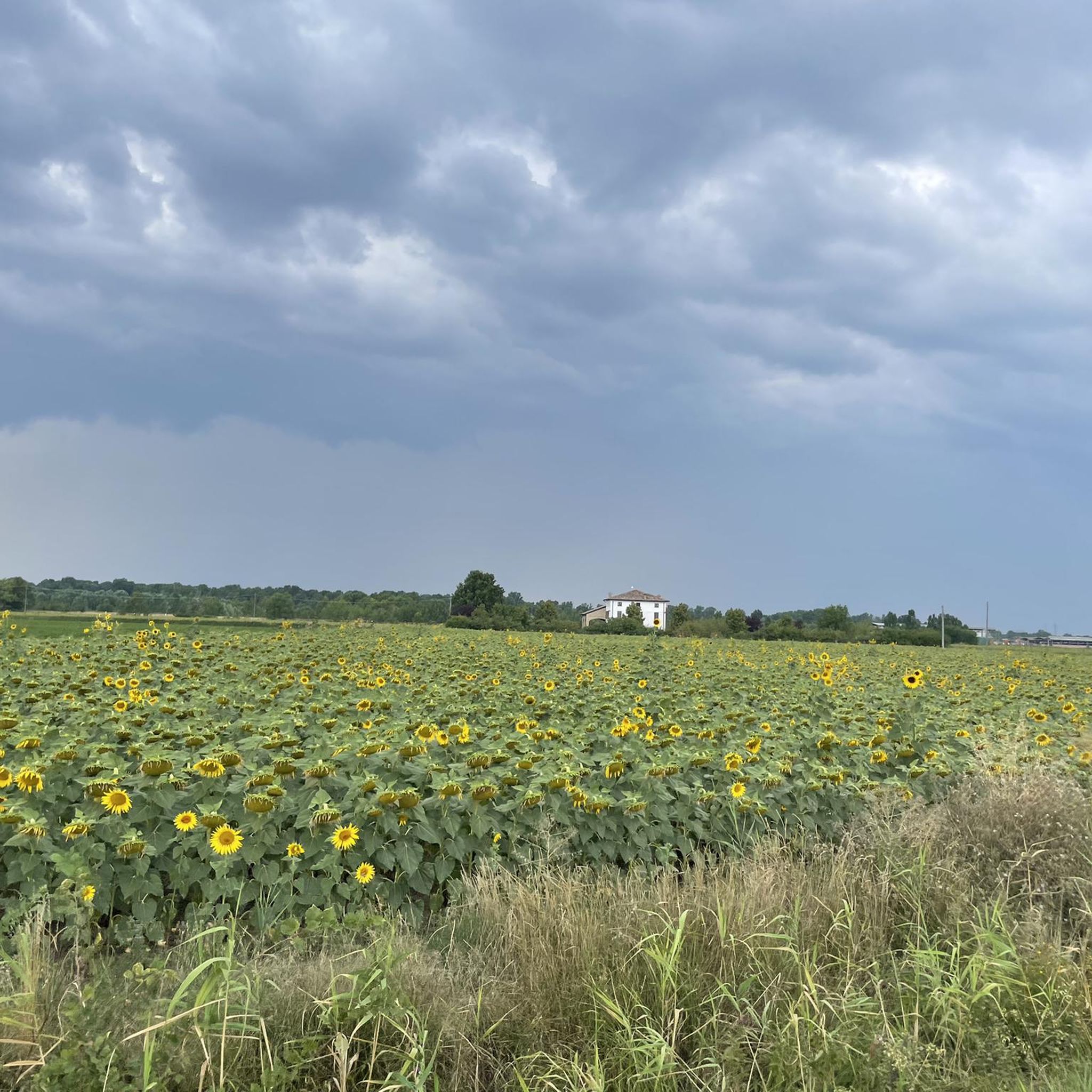
Beautiful to look at but difficult to reach. The green gradually overgrows the entire work of art. Pruning would be desirable.
7
0
Old trees in the park provide protection in all weather conditions. The ages of the trees inspire confidence. Sit down and enjoy beautiful crowns.
6
0

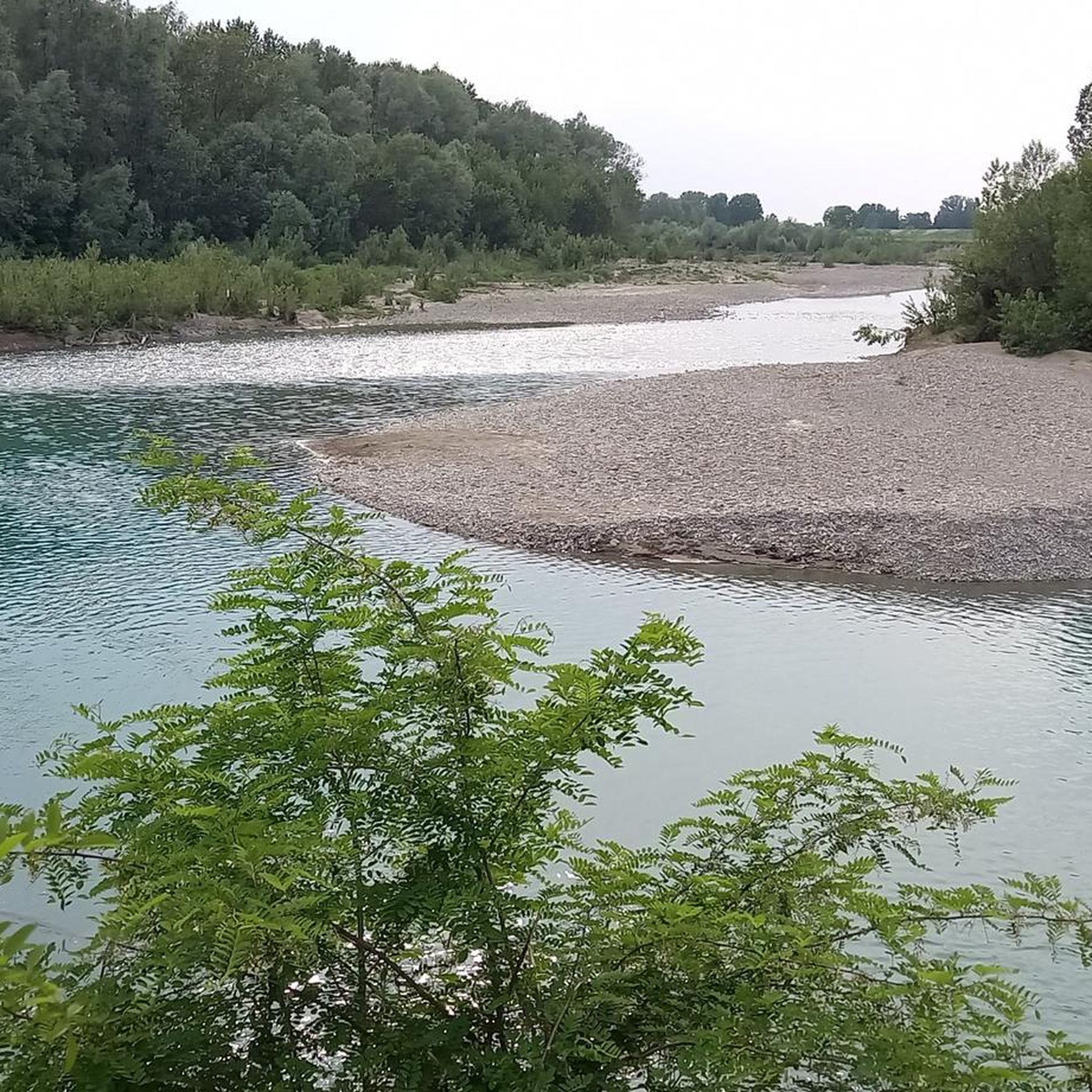
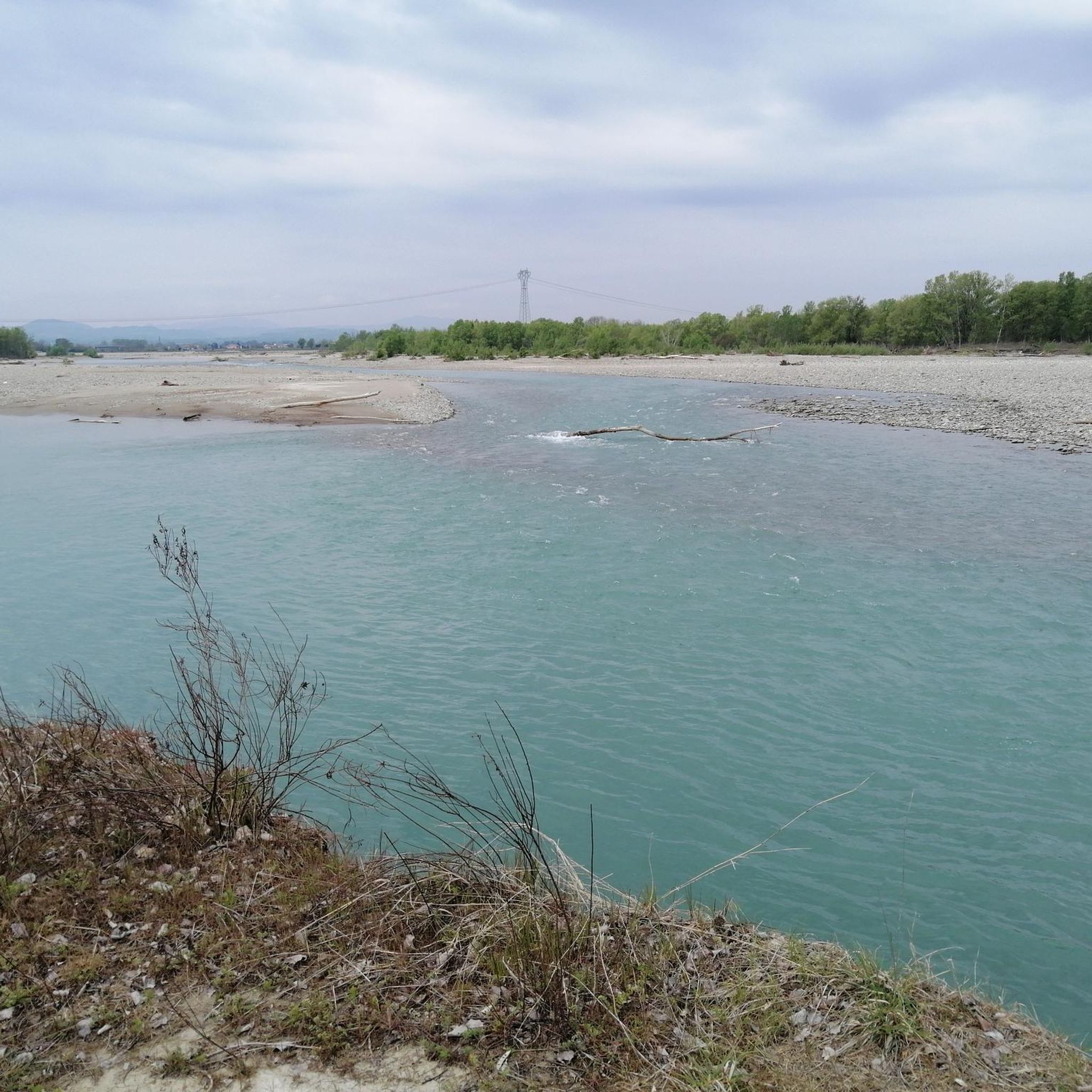
The Fontanili present near Viarolo are among the last examples of springs in the upper Parma plain. Dense patches of vegetation, with some notable examples of Farnia, Black Alder and Poplar, surround the points from which the clear and fresh waters flow, which a little further flow into the Lorno. The banks are covered with patches of Common Reed, Salcerella and Veronica beccabunga, while in the water, together with Common Brasca and Duckweed, uncommon herbs survive, such as Vallisneria spiralis, Samulus Valerandi, Ricci fluitans and dense Greenland. The faunal records include singular species, such as the Panzarolo or Ghiozzetto dei fontanili, a tiny fish that has become very rare, and several dragonflies.
2
2
폰테보 주변에서 가장 인기 있는 명소


더 살펴보기
폰테보 주변의 최고의 동굴을 찾기 위해 이 가이드를 확인해보세요:
