4.5
(140)
765
자전거 타는 사람
136
라이딩
테베리나의 루그나노에 있는 멋진 산악자전거 라이딩 경로를 따라 어디로 가 볼까요? 테베리나의 루그나노에 있는 MTB 경로 컬렉션 중에서 가장 멋진 장소를 아래에서 살펴보세요.
마지막 업데이트: 2월 28, 2026
16
자전거 타는 사람
58.0km
05:03
1,470m
1,470m
어려운 산악 자전거 타기. 우수한 체력 필요. 뛰어난 라이딩 실력이 필요함.
5.0
(2)
51
자전거 타는 사람
41.2km
03:16
750m
750m
보통 산악 자전거 타기. 좋은 체력 필요. 실력과 관계없이 누구나 갈 수 있음.
무료 회원 가입
16
자전거 타는 사람
37.1km
03:30
860m
860m
어려운 산악 자전거 타기. 좋은 체력 필요. 뛰어난 라이딩 실력이 필요함. 투어 중 자전거를 끌고 가야 하는 구간이 있을 수 있음.
4.0
(4)
29
자전거 타는 사람
35.9km
03:00
620m
620m
보통 산악 자전거 타기. 좋은 체력 필요. 뛰어난 라이딩 실력이 필요함.
11
자전거 타는 사람
49.9km
03:33
750m
750m
보통 산악 자전거 타기. 좋은 체력 필요. 실력과 관계없이 누구나 갈 수 있음.
더 다양한 경로와 다른 탐험가들의 추천을 살펴보세요.
무료 회원 가입
이미 komoot 계정이 있나요?
투어 추천은 다른 사람들이 komoot에서 완료한 수천 개의 활동을 바탕으로 구성되어 있습니다.
archaeological site immediately after the church, worth visiting
0
0
CHURCH OF THE MADONNA DEL ROTOLINO (or dell'arrotino) (1555) Small devotional chapel originally built in 1555 thanks to the efforts of the then governor of Vitorchiano Alessio Boccamazza. Located along the "piagge" road that led through the vegetable gardens to the countryside and the church of San Michele. The name derives from a miraculous event that happened to a knife-grinder who was passing by and who saw a large peperino stone (located near the chapel) fall on him and was miraculously saved by the protection of the Virgin Mary. Inside there was a stucco altar with an image of a Madonna with the child in her arms. Initially the church was in the care of the Community of Vitorchiano but around 1600 it passed under the protection of the parish. Having fallen into ruin during the 20th century, the chapel was rebuilt in 2003.
0
0
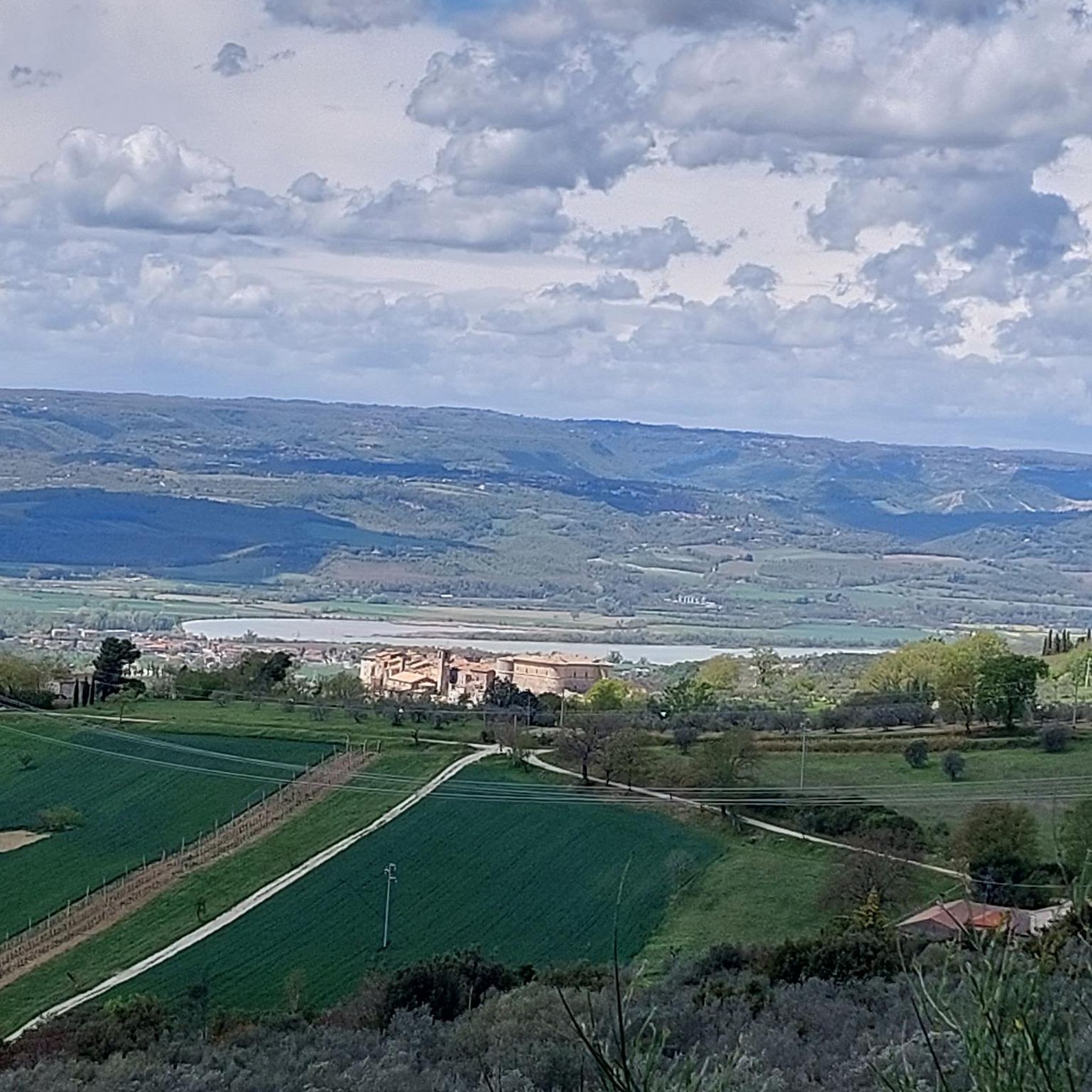
beautiful view when cycling to the park
3
0
Famous for containing the bronze statue of Julius Caesar Germanicus: "Germanicus Julius Caesar (15 BC – 19 AD) was a Roman general and politician belonging to the Julio-Claudian dynasty. Grandson of Augustus and adopted son of Tiberius, Germanicus is known for his extraordinary military talent, personal charisma and his loyalty to Roman institutions. Born on May 24, 15 BC, Germanicus was the son of Nero Claudius Drusus and Antonia Minor, and therefore the nephew of Augustus. He was adopted by Tiberius in 4 AD, thus entering the Julian family and acquiring the name Germanicus in honor of his father's military exploits in Germany. He held prestigious roles at a young age, becoming consul in 12 AD, five years before the normal cursus honorum. Germanicus distinguished himself above all in the military campaigns against the Germanic tribes between 14 and 16 AD, with the aim of avenge the Roman defeat at the Battle of the Teutoburg Forest (9 AD). He led the Roman legions across the Rhine, inflicting heavy losses on the rebels led by Arminius and recovering the lost legionary standards. His strategy involved rapid and coordinated raids on multiple fronts, culminating in the construction of a fleet to attack the enemies by sea. However, despite his successes, the emperor Tiberius recalled him to Rome in 16 AD, interrupting the Romanization of Germany beyond the Rhine. In 17 AD, Germanicus was sent to the East with extraordinary powers to stabilize the eastern provinces. During this mission, he came into conflict with Gnaeus Calpurnius Piso, governor of Syria, who hindered his decisions. Germanicus visited famous places such as Alexandria in Egypt and Babylon, but died suddenly in Antioch in 19 AD, probably poisoned, perhaps on the orders of Piso or due to political intrigues linked to Tiberius. In addition to his military exploits, Germanicus was a cultured man. He composed literary works such as a reworking of Aratus' Phaenomena, showing an interest in astronomy and poetry. He was beloved by the Roman people for his generosity and virtue and was considered an ideal possible successor to Augustus. Germanicus left an indelible mark on Roman history. He was the father of the emperor Caligula and grandfather of Nero. His premature death fueled suspicions and legends, but consolidated his image as a tragic hero and symbol of loyalty to Rome".
0
0
The village is a small town located in the province of Viterbo, in north-western Lazio. It has ancient origins and an important historical and cultural heritage, but its size and small population classify it as a town or village rather than a city. It is best known for the Parco dei Mostri (or Sacro Bosco), a unique tourist attraction that has contributed to its fame.
0
0
Santa Maria di Monte Casoli is a church located in the Monte Casoli area, in the municipality of Bomarzo, in the province of Viterbo. This place has a rich and fascinating history, dating back centuries. The church dates back to the 11th-12th century, but was renovated in the 16th century. Under the current structure are the remains of an ancient triapse rock church, dug into the tuff, accessible through a narrow tunnel. It is believed that this church can be linked to a document from the Monastery of San Silvestro in Capite from the 10th century, which mentions an oratory dedicated to Santa Maria located right in Monte Casoli.
0
0
다른 지역의 최고의 MTB 트레일를 살펴보세요.
무료로 가입하기