스케지노 최고의 러닝 경로
4.6
(21)
1,004
달리기 하는 사람
78
러닝
스케지노에서 하이킹하며 페루자 구석 부분까지 살펴볼까요? 스케지노에 있는 모든 하이킹 및 워킹 경로 컬렉션 중 가장 멋진 하이킹 경로를 엄선하여 소개해드릴게요. 다른 하이커가 공유한 실제 팁과 사진을 살펴보고 후기를 읽으며 마음에 드는 스케지노 워킹 경로를 찾아보세요.
마지막 업데이트: 10월 8, 2026
4.5
(2)
71
달리기 하는 사람
41.7km
05:33
1,590m
1,590m
어려운 조깅. 우수한 체력 필요. 대부분 갈 수 있는 길. 일부 구간에서 미끄러지지 않게 조심해야 함.
19
달리기 하는 사람
12.9km
01:33
470m
470m
어려운 조깅. 우수한 체력 필요. 대부분 포장된 지면. 실력과 관계없이 누구나 갈 수 있음.

17
달리기 하는 사람
15.5km
01:42
210m
210m
어려운 조깅. 우수한 체력 필요. 대부분 포장된 지면. 실력과 관계없이 누구나 갈 수 있음.
5.0
(1)
19
달리기 하는 사람
18.1km
02:49
1,030m
1,030m
어려운 조깅. 우수한 체력 필요. 대부분 포장된 지면. 실력과 관계없이 누구나 갈 수 있음.
5
달리기 하는 사람
10.4km
01:20
390m
390m
어려운 조깅. 우수한 체력 필요. 대부분 포장된 지면. 실력과 관계없이 누구나 갈 수 있음.
더 다양한 경로와 다른 탐험가들의 추천을 살펴보세요.
이미 komoot 계정이 있나요?
투어 추천은 다른 사람들이 komoot에서 완료한 수천 개의 활동을 바탕으로 구성되어 있습니다.
오늘 무료 계정으로 시작하세요
다음 모험이 기다리고 있어요.
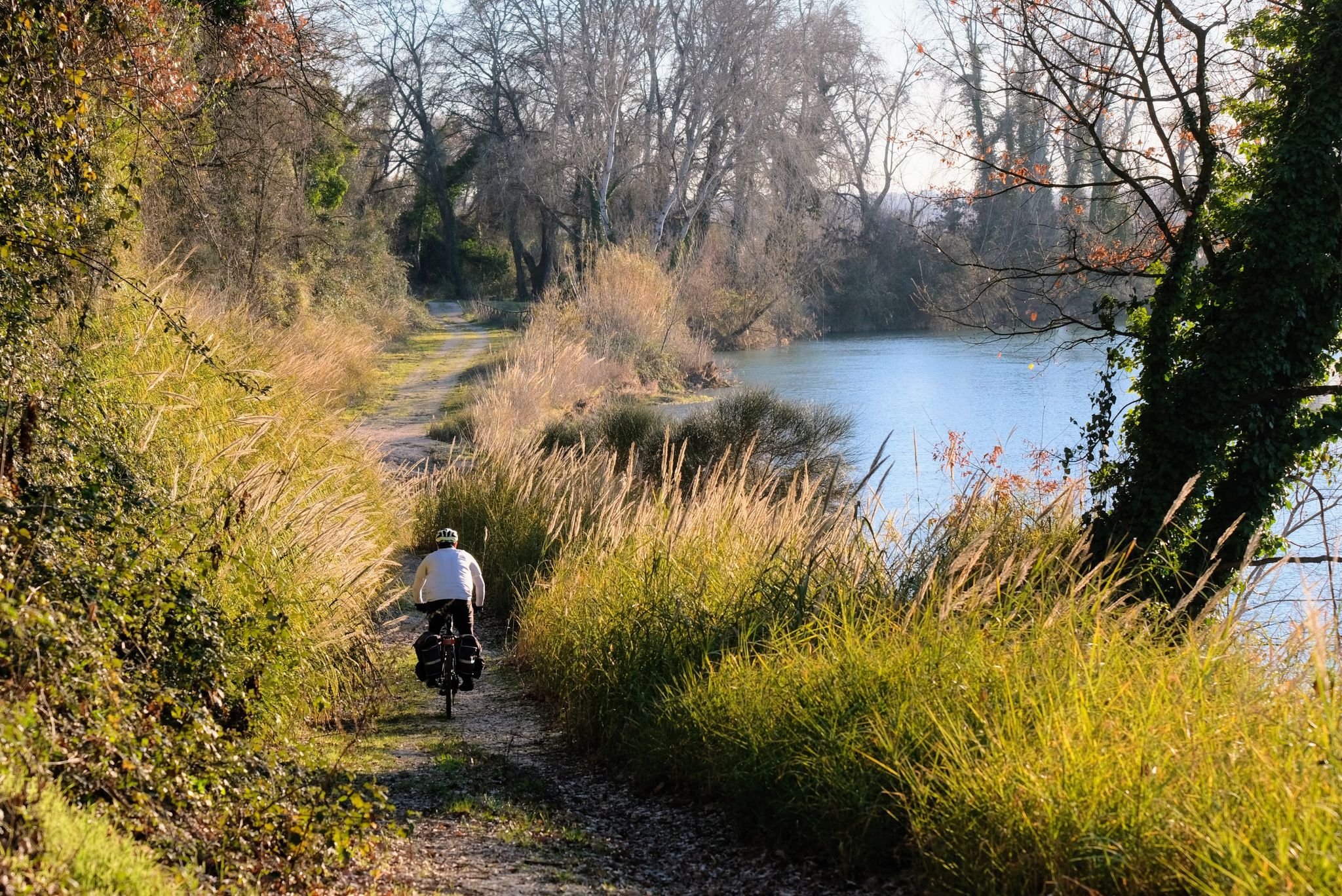
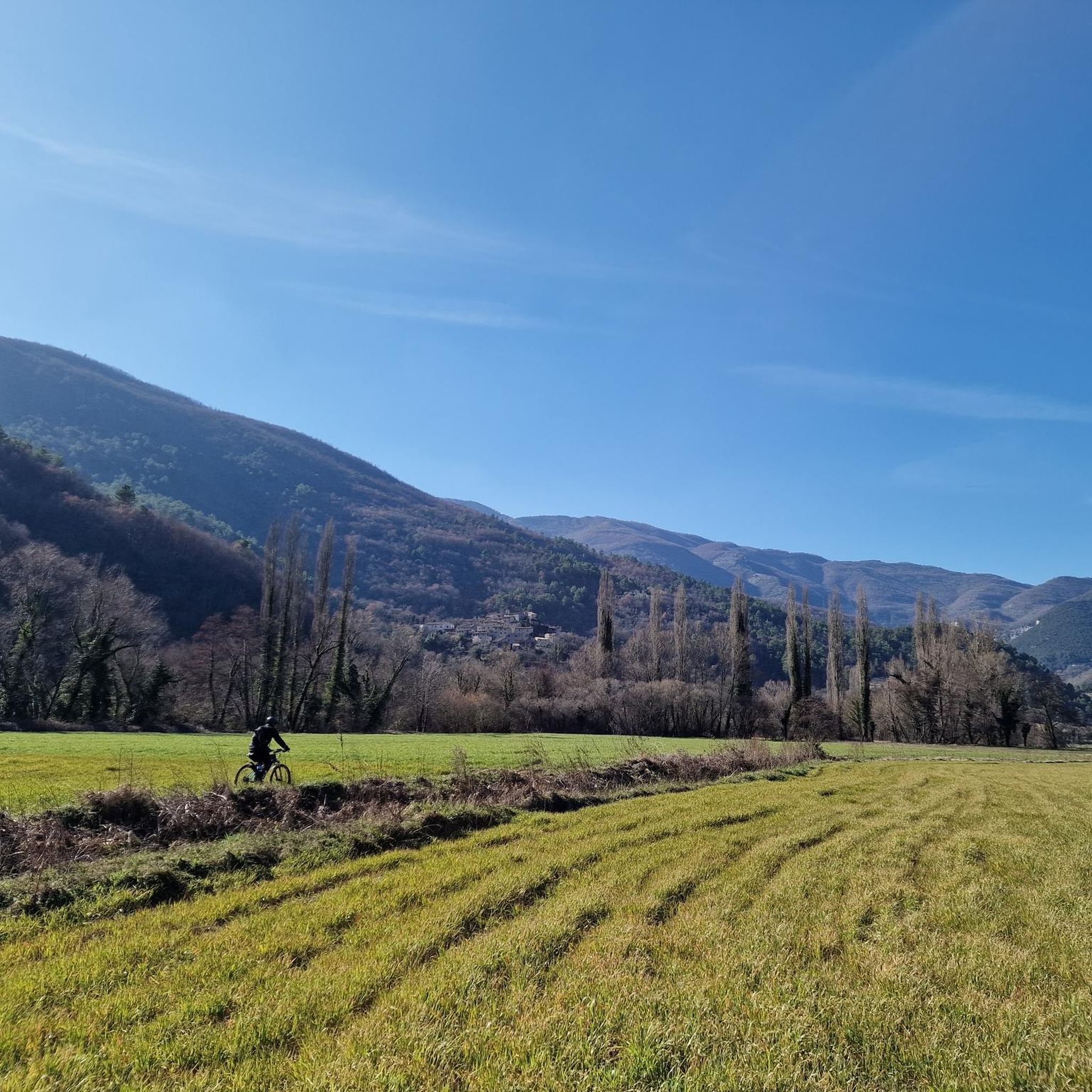
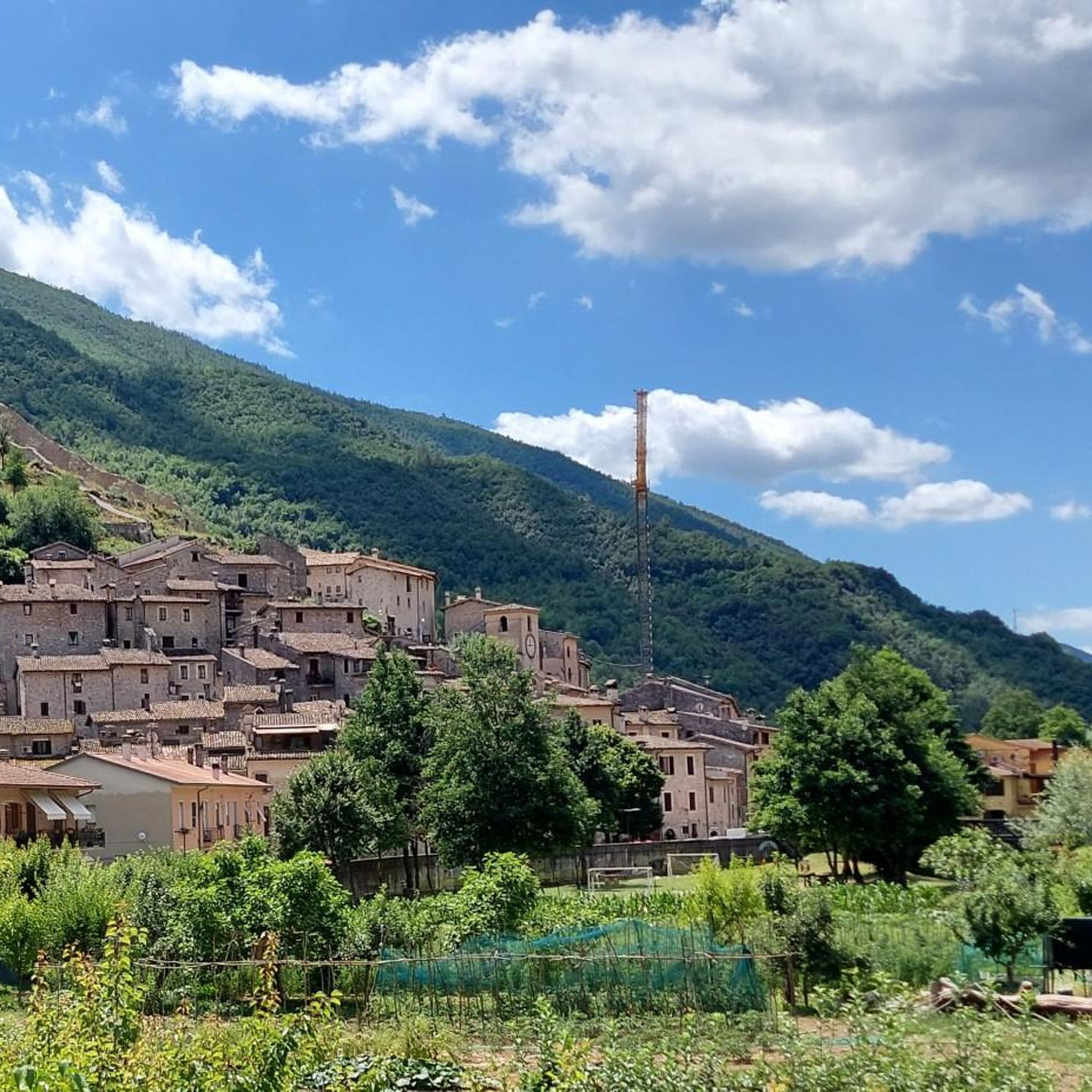
스케지노 주변의 다른 모험

커뮤니티 팁


The Roman Theater of Spoleto is one of the most important Roman monuments in the city and represents a significant testimony to the cultural life of ancient Spoletium. It was built in the 1st century BC, in an area near the forum, according to the architectural models of classical Roman theater. The cavea, built against the natural slope of Sant'Elia Hill, was divided into sectors and could accommodate several thousand spectators. Opposite were the orchestra and the monumental stage, originally decorated with columns, niches, and statues, which served as a backdrop for theatrical and musical performances. The building was constructed of masonry and clad in local stone, with technical solutions that ensured good acoustics. After the end of the Roman era, the theater was gradually abandoned and was partially incorporated into medieval buildings. The area was restored in the 20th century, restoring the structure's visibility and highlighting its archaeological importance. Today, the Roman Theatre is part of the National Archaeological Museum of Spoleto and continues to serve a cultural purpose, hosting events and performances that renew the city's connection to its thousand-year-old theatrical tradition.
0
0

The former tunnel is very long and completely dark. Bring a flashlight and a sweatshirt. Some bats sleep inside.
1
0

Chiesa di San Filippo Neri, Spoleto The beautiful Church of San Filippo Neri stands near Piazza Mentana and was built starting in 1640 by two wealthy citizens of Spoleto who lived in Rome: Ugo Alberici and Loreto Vittori. The design of the building was entrusted to Loreto Scelli and was finally completed in 1671 with the construction of the dome. It was not consecrated until 1724. The Church of San Filippo Neri in Spoleto has the forms and architectural features of 17th-century Roman churches, with an elegant travertine façade decorated with pilasters and a beautiful tympanum. The interior is divided into three naves separated by pillars and a large transept surmounted by the dome. Inside the sacristy is a marble bust of Saint Philip Neri, a work by the sculptor Alessandro Algardi (1650). The side chapels contain altars from the 17th and 18th centuries, while the walls are decorated with 18th-century paintings by artists such as Gaetano Lapis, Sebastiano Conca, Pietro Labruzzi, and the Spoleto painter Francesco Refini. Text T Source: Exploring Umbria srl, https://www.exploring-umbria.com/scopri-spoleto/cosa-vedere-a-spoleto/chiesa-di-san-filippo-neri-a-spoleto/
15
0
Chiesa di San Filippo Neri, Spoleto The beautiful Church of San Filippo Neri stands near Piazza Mentana and was built starting in 1640 by two wealthy citizens of Spoleto who lived in Rome: Ugo Alberici and Loreto Vittori. The design of the building was entrusted to Loreto Scelli and was finally completed in 1671 with the construction of the dome. It was not consecrated until 1724. The Church of San Filippo Neri in Spoleto has the forms and architectural features of 17th-century Roman churches, with an elegant travertine façade decorated with pilasters and a beautiful tympanum. The interior is divided into three naves separated by pillars and a large transept surmounted by the dome. Inside the sacristy is a marble bust of Saint Philip Neri, a work by the sculptor Alessandro Algardi (1650). The side chapels contain altars from the 17th and 18th centuries, while the walls are decorated with 18th-century paintings by artists such as Gaetano Lapis, Sebastiano Conca, Pietro Labruzzi, and the Spoleto painter Francesco Refini. Text T Source: Exploring Umbria srl, https://www.exploring-umbria.com/scopri-spoleto/cosa-vedere-a-spoleto/chiesa-di-san-filippo-neri-a-spoleto/
15
0

Beautiful ride, between viaducts with breathtaking views and truly suggestive tunnels... to do at least once... also suitable for small bikers
0
0


Gallery "closed" for works, but not physically closed. Complete lack of light inside
0
0
스케지노 주변에서 가장 인기 있는 명소


더 살펴보기
다른 지역의 최고의 러닝 트레일 & 경로를 살펴보세요.
