투파라 최고의 사이클링 경로
40
자전거 타는 사람
11
라이딩
투파라 주변의 투어링 사이클링 루트는 이탈리아 몰리세 지역에 있으며, 아펜니노 산맥에 위치한 것이 특징입니다. 이 지역은 마을이 자리 잡고 있는 응회암 절벽을 포함한 다양한 지형을 특징으로 하며, 포르토레 계곡의 전망을 제공합니다. 오키토 호수, 피아넬라 숲, 비페르노 강과 같은 자연적 요소들이 다양한 풍경에 기여합니다. 사이클리스트들은 도전적인 오르막부터 점진적인 경로까지 상당한 고도 변화가 있는 루트를 예상할 수 있습니다.
투파라 주변 최고의 투어링 사이클링 루트
- 가장 인기 있는 투어링 사이클링 루트는 오키토 호수 루프로, 36.5km(22.7마일) 길이의 이 길은 3시간 16분이 소요되며 호수와…
마지막 업데이트: 7월 18, 2026
3
자전거 타는 사람
36.5km
03:16
730m
730m
This difficult 22.7-mile (36.5 km) gravel touring cycling loop around Lake Occhito from Carlantino offers scenic views and 2394 feet (730 me
1
자전거 타는 사람
28.6km
02:11
510m
510m
Cycle the difficult 17.8-mile Riccia and Sentiero Italia Loop, gaining 1681 feet through Molise's forests and agricultural landscapes.

무료 회원 가입
30.2km
02:34
700m
700m
어려운 자전거 타기. 우수한 체력 필요. 투어 중 자전거를 끌고 가야 하는 구간이 있을 수 있음.
3
자전거 타는 사람
48.4km
03:36
1,070m
1,070m
어려운 자전거 타기. 우수한 체력 필요. 대부분 포장된 지면. 실력과 관계없이 누구나 갈 수 있음.
5
자전거 타는 사람
33.3km
02:13
520m
530m
어려운 자전거 타기. 우수한 체력 필요. 대부분 포장된 지면. 실력과 관계없이 누구나 갈 수 있음.
더 다양한 경로와 다른 탐험가들의 추천을 살펴보세요.
무료 회원 가입
이미 komoot 계정이 있나요?
투어 추천은 다른 사람들이 komoot에서 완료한 수천 개의 활동을 바탕으로 구성되어 있습니다.
오늘 무료 계정으로 시작하세요
다음 모험이 기다리고 있어요.
로그인 또는 가입하기
투파라 주변 인기 장소
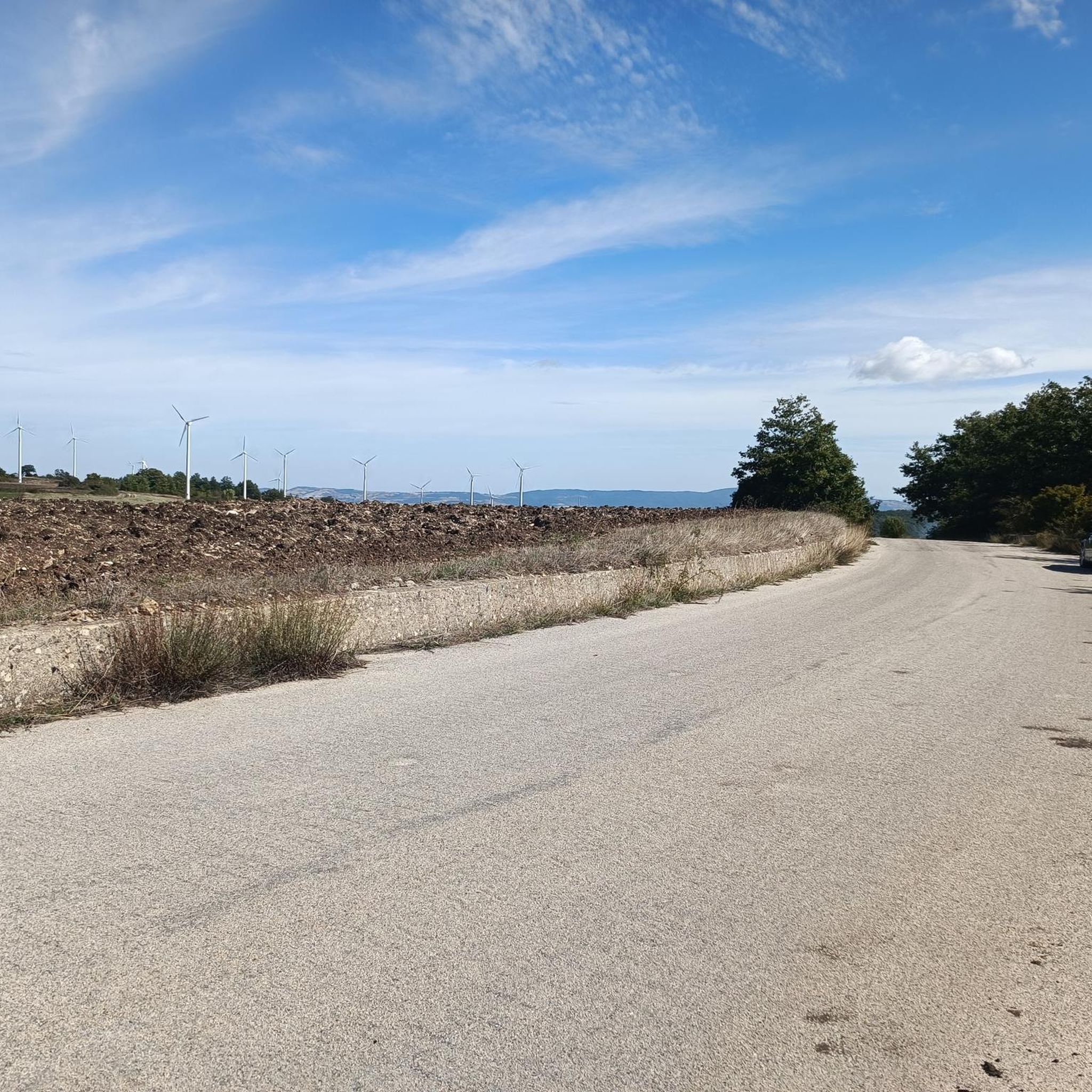

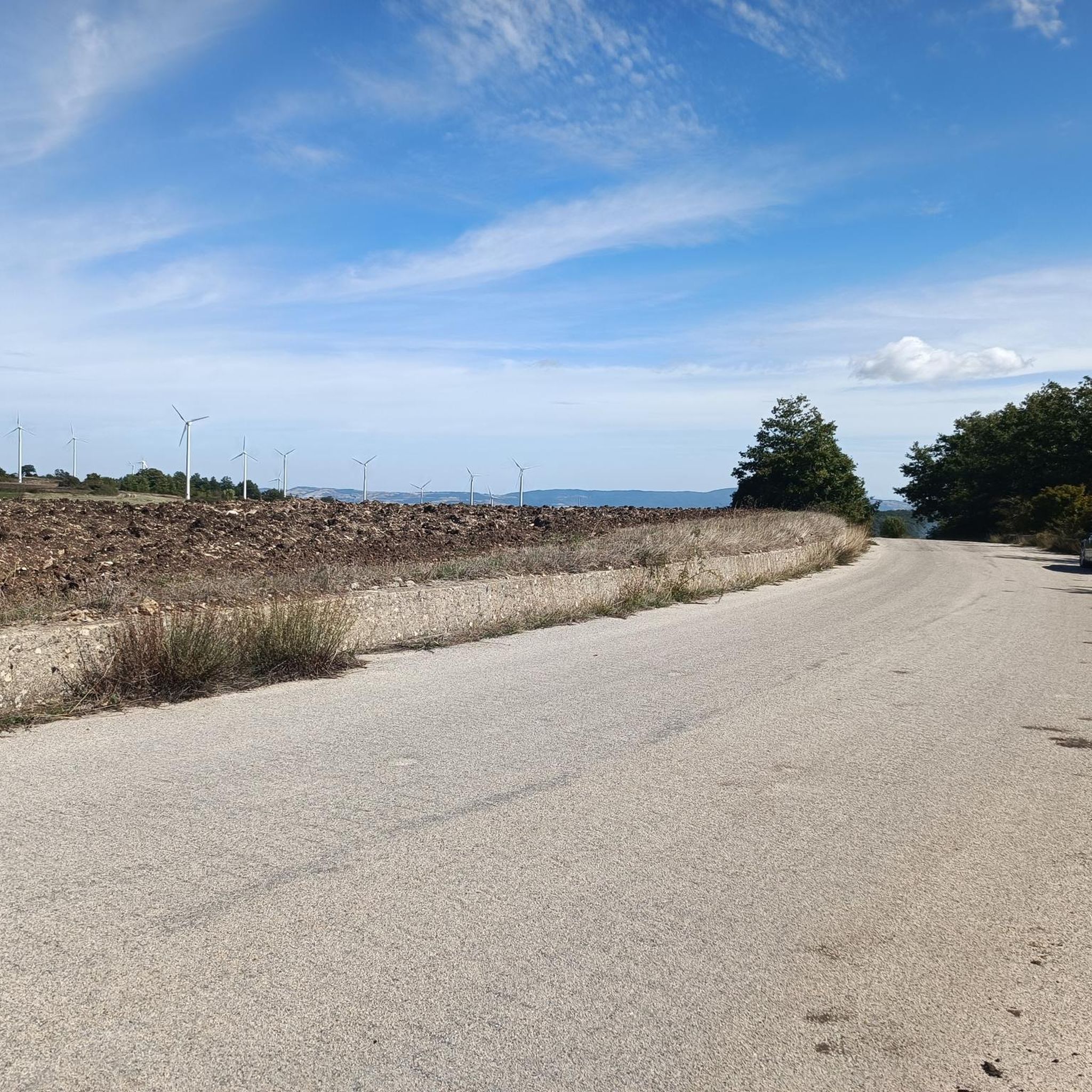
커뮤니티 팁

The Sanctuary of the Madonna Incoronata, built in 1761, stands in a rural area linked to the historic wheat festival, one of the most characteristic rituals of the Fortore area. Every April, farmers and young people of the village dig furrows in the fields and carry the "verghe" (long poles decorated with wheat and flowers) in procession. In ancient times, this was followed by the release of a dove as a propitiatory gesture for the harvest. This tradition combines ancient agricultural symbols with Marian devotion, making the sanctuary a deeply rooted place for San Bartolomeo in Galdo.
1
0
The Lucera-Castel di Sangro Tratturo is one of the great transhumance sheep tracks, an ancient grassy trail over one hundred kilometers long that connected the Tavoliere di Puglia to the high-altitude pastures of Abruzzo. In this stretch, the sheep track marks the border between Campania and Puglia and still retains its original breadth, with open fields, low walls, and intact rural landscapes. It is one of the most important historical shepherds' routes, a cultural corridor that recounts centuries of seasonal migrations and agro-pastoral life.
0
0

San Bartolomeo in Galdo is an Italian town in the province of Benevento, located in Campania, near the border with Puglia and Molise. It has ancient origins, dating back to the Roman and medieval periods, and has numerous historic buildings and churches, including the Church of San Bartolomeo Apostolo. The town is located in the hilly area of Val Fortore, surrounded by an agricultural landscape. Among the local traditions, there are religious celebrations and cultural events that involve the community.
0
0

We are at 490 m. A cold beer before continuing the climb to the Crocella di Motta Pass 1135 m.
0
0
Here State Road 17 crosses the Tratturo Lucera - Castel di Sangro trail
0
0
Article from Sanbartolomeo.info Chapel built in 1761 by the priest Don Nicola Reino. The celebrations in honor of the Crowned Madonna are particularly interesting for their union between the sacred and the profane. This festival is celebrated on the last Sunday of April in the rural village of the same name. Here, the statue of the Virgin is carried in procession, watched over with songs and prayers. In the days leading up to the festival, the farmers dig furrows in the land that reach from the horizon to the small church, putting all their effort into making them as straight as possible, both for competition between the various groups and out of devotion and thanksgiving for the harvest. During the ritual, the farmers raised tall poles made of wheat, grass, and flowers. At the top was placed a representation of the sanctuary—a box containing a dove that will be released at the end of the ceremony. This ritual is kept alive today thanks to the many groups of young people who, throughout the year, prepare the poles covered in colorful crepe paper flowers, which they carry on their shoulders following the procession and then raise in front of the church in honor of the Madonna. The festival is characterized by vigils, prayers, and quick breakfasts consumed on the grass surrounding the church or at the various kiosks set up for the occasion. The historical sources of the wheat festival are helpful in trying to trace all the stages of a phenomenon that over the years has acquired new meanings and adapted to new religious dictates. The origins of the ritual of offering grain to the deities are lost in the mists of time and date back to cults associated with agricultural life in pagan times and the sense of fear and insecurity associated with the precarious return of the lost seed. Indeed, the success of the harvest depends on superior forces beyond human control, such as adverse weather, so it is these forces that must be thanked for the abundant harvest and encouraged to be generous the following year with donations and devotion. The first historical records of the grain festival in Campania date back to the times of the Roman Empire. During the month of August, agricultural work was halted and Ceres, goddess of the harvest, was thanked with offerings and dances in the threshing floors, and propitiatory rites were performed for the coming harvest. Later, with the advent of Christianity, cartloads of grain were carried as offerings to a saint as a sign of devotion and gratitude for the harvest. This ritual perhaps conceals the questionable custom of the clergy, who during the feudal era forced farmers to donate part of their harvest. It was during this period that the first attempts to weave straw into decorations emerged. Even today, thanksgiving for the harvest is dedicated to the saints and Madonnas to whom the inhabitants of various Campanian towns still attached to agricultural traditions are devoted: the Madonna del Carmine in San Marco dei Cavoti, the Madonna Incoronata in San Bartolomeo in Galdo, the Assunta in Fontanarosa, and the Addolorata in Mirabella Eclano, towns where the female deities of the fields have been revived in the Christian figure of the Madonna.
0
0


A beautiful green area of about 450 hectares, a forest full of ash trees and wild animals. There are also benches and tables where you can relax. The natural area is located about 45 minutes by car from Campobasso
1
0
자주 묻는 질문
투파라 주변에는 몇 개의 투어링 사이클링 루트가 있나요?
투파라 주변에는 10개 이상의 투어링 사이클링 루트가 있으며, 몰리세 지역의 다양한 풍경을 통해 다채로운 경험을 제공합니다.
투파라의 투어링 사이클링 루트에서는 어떤 종류의 지형을 예상할 수 있나요?
투파라의 루트는 상당한 고도 변화가 특징이며, 아펜니노 산맥과 포르토레 계곡 내의 산악 지형과 구불구불한 언덕을 통과합니다. 힘든 오르막과 짜릿한 내리막을 경험할 수 있으며, 루트는 일반적으로 더 부드러운 라이딩을 위해 잘 포장되어 있습니다.
투파라에 순환 투어링 사이클링 루트가 있나요?
네, 여러 루트가 루프로 설계되었습니다. 예를 들어, 오키토 호수 루프는 호수와 주변 시골의 전망을 제공하는 인기 있는 옵션입니다. 다른 하나는 아펜니노 산기슭의 다양한 지형을 탐색하는 리차와 센티에로 이탈리아 루프입니다.
투어링 사이클링 루트를 따라 볼 만한 주목할 만한 자연 지형이나 랜드마크는 무엇인가요?
많은 루트에서 포르토레 계곡의 광활한 전망을 감상할 수 있습니다. 또한 이 지역의 유명한 호수인 라고 디 오키토(Lago di Occhito)와 같은 자연 지형을 자전거로 지나갈 수도 있습니다. 투파라 마을 자체는 응회암 절벽 위에 자리 잡고 있어 파노라마 전망을 제공합니다.
투파라의 투어링 사이클링 루트 난이도는 어느 정도인가요?
투파라의 투어링 사이클링 루트는 보통에서 어려움까지 다양합니다. 대부분의 루트는 상당한 고도 상승이 있어 좋은 체력 수준 또는 매우 좋은 체력 수준의 사이클리스트에게 적합합니다. 예를 들어, 오키토 호수 - 포르토레 강을 따라가는 자갈길 루프는 1000미터 이상의 고도 상승을 포함합니다.
역사적인 지역이나 독특한 풍경을 통과하는 루트가 있나요?
네, 산 바르톨로메오 인 갈도와 알토 산니오의 양치기 길 루트는 역사적인 양치기 길을 따라 이어지며, 아름다운 풍경과 함께 이 지역의 과거를 엿볼 수 있습니다.
다른 투어링 사이클리스트들이 투파라에서 사이클링하는 것을 가장 즐기는 점은 무엇인가요?
코무트 커뮤니티는 투파라에서의 투어링 사이클링 경험에 대해 매우 높게 평가하며 평균 별점 5.0점을 받았습니다. 사이클리스트들은 종종 다양한 지형, 도전적인 라이딩 기회, 그리고 몰리세 지역의 독특한 환경과 문화를 탐험하는 몰입감 있는 경험을 칭찬합니다.
숙련된 라이더를 위한 더 길고 도전적인 투어링 사이클링 루트가 있나요?
물론입니다. 상당한 도전을 원하는 숙련된 라이더를 위해, 산 바르톨로메오 인 갈도 – 바르 에덴, 볼투라라 아풀라 루프는 거의 50킬로미터에 달하며 1000미터 이상의 고도 상승을 포함하여 뛰어난 체력을 요구합니다.
투파라에서 투어링 사이클링을 즐기기에 가장 좋은 시기는 언제인가요?
특정 계절 데이터는 제공되지 않지만, 산악 지형을 고려할 때 봄과 가을은 여름의 최고 더위와 높은 고도의 겨울 눈을 피하면서 사이클링하기에 쾌적한 온도를 제공할 것입니다. 항상 라이딩 전에 현지 날씨 조건을 확인하십시오.
투파라 절벽 자체를 조망할 수 있는 루트가 있나요?
투파라는 응회암 절벽 위에 독특하게 자리 잡고 있어 주변 계곡의 파노라마 전망을 제공합니다. 절벽 자체를 직접 지나는 특정 루트는 자세히 설명되어 있지 않지만, 이 지역의 많은 루트는 포르토레 계곡을 자전거로 통과하면서 마을의 극적인 풍경을 조망할 수 있게 해줄 것입니다.
투파라 주변에서 가장 인기 있는 경로
투파라 주변에서 가장 인기 있는 명소


더 살펴보기
다른 지역의 최고의 자전거 경로를 살펴보세요.
