쇤볼카우 최고의 MTB 라이딩 경로
4.7
(213)
758
자전거 타는 사람
98
라이딩
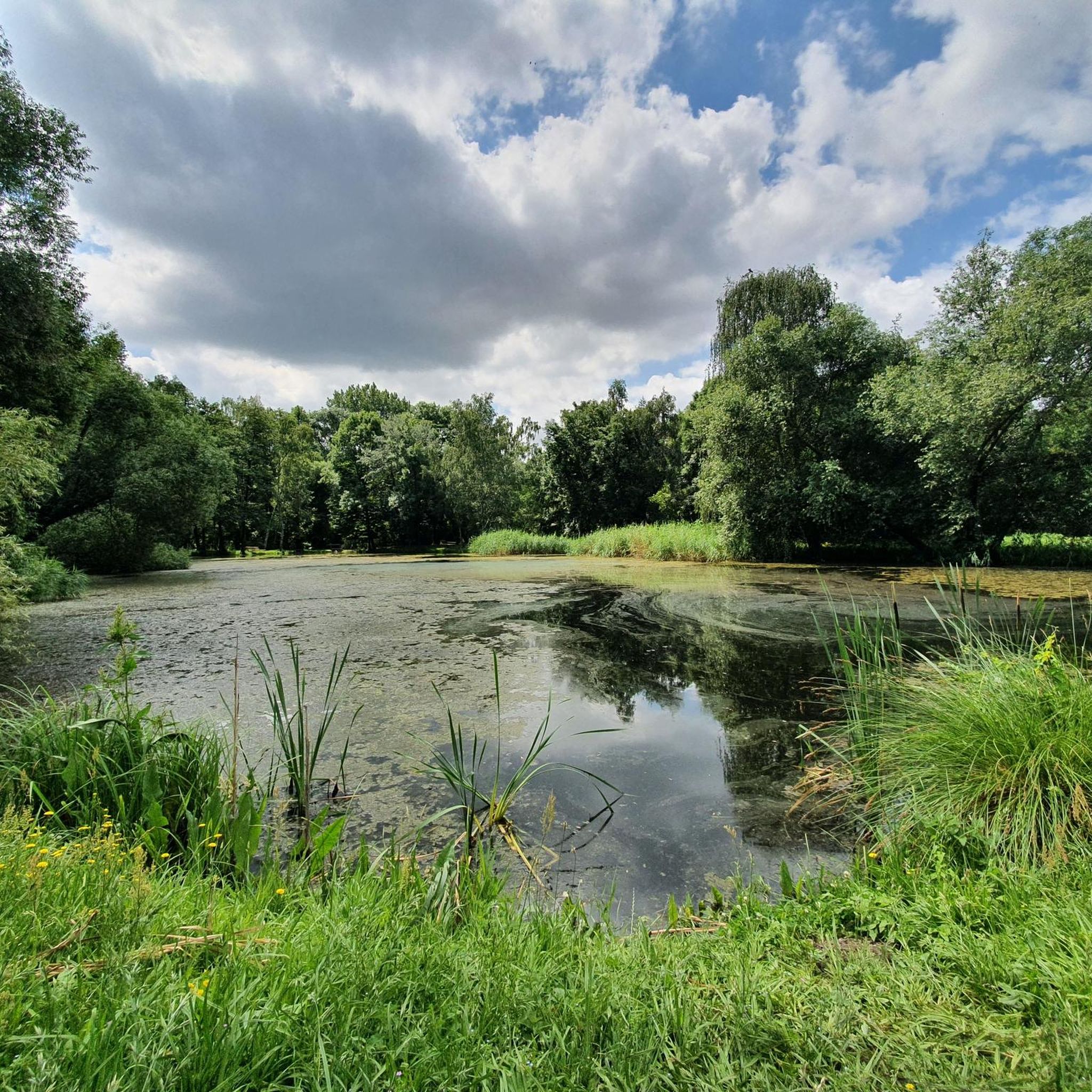
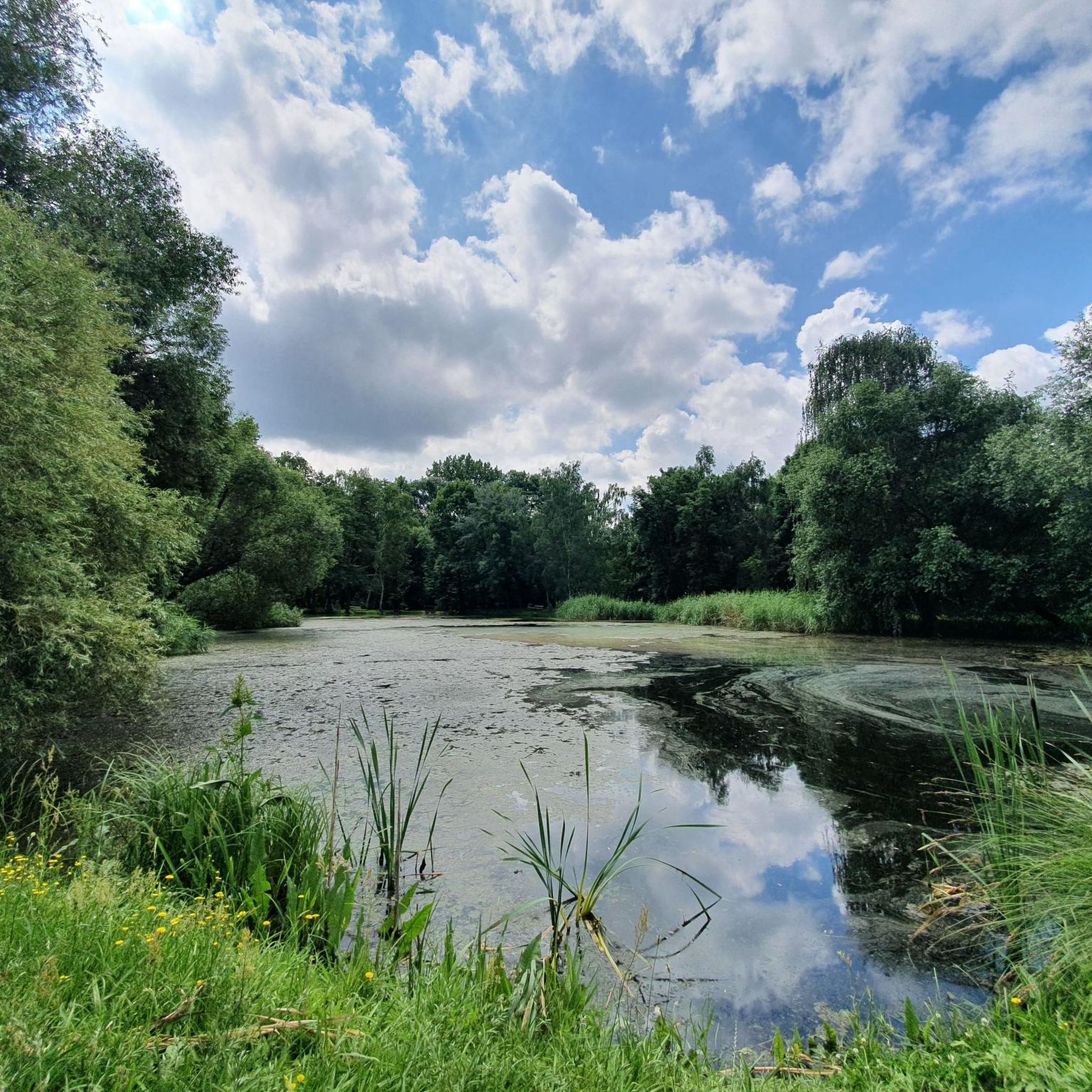
산악자전거는 쇤뵐카우 주변의 잔잔한 호수, 광활한 숲, 복원된 옛 광산 지역으로 특징지어지는 풍경을 가로지릅니다. 작센 북부의 이 지역은 수역 주변의 잘 개발된 자전거 도로부터 자연 보호 구역 내의 비포장 구간에 이르기까지 다양한 오프로드 사이클링에 적합한 지형을 제공합니다. 이 지역은 평탄한 코스와 완만한 경사가 혼합되어 있어 다양한 기술 수준의 라이더가 접근할 수 있습니다. 이 풍경은 슈라디처 호수(Schladitzer See)와 베르벨리너 호수(Werbeliner See)와 같은 호수를 특징으로 하는 라이프치거 노이센란트(Leipziger Neuseenland)에 의해 형성되었습니다.
쇤뵐카우 주변 최고의 산악자전거 코스
- 가장 인기 있는 산악자전거 코스는 베르벨리너…
마지막 업데이트: 10월 14, 2026
4.7
(10)
27
자전거 타는 사람
22.3km
01:07
50m
50m
초급용 산악자전거 라이딩. 모든 체력 수준에 적합. 실력과 관계없이 누구나 갈 수 있음.
5.0
(1)
7
자전거 타는 사람
41.4km
02:43
110m
110m
보통 산악 자전거 타기. 좋은 체력 필요. 실력과 관계없이 누구나 갈 수 있음.

5.0
(1)
4
자전거 타는 사람
40.5km
02:47
90m
90m
보통 산악 자전거 타기. 좋은 체력 필요. 뛰어난 라이딩 실력이 필요함.
5
자전거 타는 사람
25.4km
01:21
60m
60m
초급용 산악자전거 라이딩. 모든 체력 수준에 적합. 실력과 관계없이 누구나 갈 수 있음.
5.0
(2)
5
자전거 타는 사람
50.9km
03:08
100m
100m
보통 산악 자전거 타기. 좋은 체력 필요. 실력과 관계없이 누구나 갈 수 있음.
더 다양한 경로와 다른 탐험가들의 추천을 살펴보세요.
이미 komoot 계정이 있나요?
투어 추천은 다른 사람들이 komoot에서 완료한 수천 개의 활동을 바탕으로 구성되어 있습니다.
오늘 무료 계정으로 시작하세요
다음 모험이 기다리고 있어요.
커뮤니티 팁

이곳에는 이미 940년에 마리아 예배당이 세워졌으며, 불과 몇 년 후인 999년에 산악 교회로 확장되었습니다. 1140년에는 나무로 지어진 교회를 돌로 된 건물로 교체했습니다. 16세기에는 후기 고딕 양식으로 개조되었습니다. 얼마 지나지 않아 마르틴 루터가 마리아 교회에서 여러 차례 설교했습니다. Quelle https://travelnating.com/eilenburg-sehenswuerdigkeiten/
4
0
The Lober-Leine Canal is the artificial outflow of the Lober and Leine rivers into the Mulde River. It begins north of Benndorf and flows into the Mulde between Pouch and Löbnitz (Delitzsch district). The canal was constructed between 1949 and 1951[2] because the original riverbeds had to give way to the Goitzsche open-cast mine. It was approximately 14 kilometers long and was rerouted in 1982[2] to clear the construction site for the Rösa open-cast mine. After the 2002 floods, which destroyed its mouth, it was temporarily used to flood the Seelhauser See, a former open-cast mine lake. In 2004, the canal and its confluence with the Mulde were restored through extensive excavation work. Source: https://de.wikipedia.org/wiki/Lober-Leine-Kanal
2
0
Beautiful rest area above the Lober-Leine Canal with a view of Lake Seelhausen
1
0
A very nice rest area on the circular trail with a great view of the lake.
2
0
The keep is the oldest building (dating from 1206) in the castle complex. The so-called Witch's Cellar is also located here. Behind it stands the main building, which was built as the administrative seat of the town of Düben and now houses the local history and landscape museum. Next to the main building is the so-called castle warden's cottage, which now contains a small café. All the buildings were extensively renovated between 1997 and 1999. At the foot of the castle is the also restored mill. Source: https://de.wikipedia.org/wiki/Burg_D%C3%BCben
2
0
Düben Castle was also the site of one of the last witch trials in Germany. Tradition tells of a witch's cellar in the castle, torture (which was outlawed in Saxony in 1783), a witch's grave, and a witches' dance floor, among other accounts. During the Seven Years' War, King Frederick II of Prussia stayed at the castle and established the largest supply depot for his army in Saxony there, guarded by 5,000 soldiers. This led to the Battle of Torgau on November 3, 1760, which Frederick II won despite heavy losses. During the Wars of Liberation, from October 10 to 14, 1813, Napoleon established his headquarters at Düben Castle. According to his own account, the uncertainty surrounding the military and political situation there made it the most horrific time of his life. After 1815, the castle, along with the town of Düben, became part of Prussia. The judicial and revenue office, established in the castle in 1780, was dissolved in 1942. After the Second World War, a landscape and local history museum about the town of Bad Düben and the Düben Heath was established by 1953 under the direction of local historian Willy Winkler. Exhibits on the history of the castle and town of Düben, as well as the economic development of the region, are on display. During renovation work in the castle tower in October 2017, a wall frieze by Paul Haffner (1874–1965) was discovered behind loose paint in the interior of the timber-framed upper story. Haffner played a key role in the design of the landscape museum's exhibitions in the early 1950s. In addition to numerous murals and illustrations that aided in understanding the museum's contents, Haffner, who worked in the printing shop of museum founder Willy Winkler, drew the inventory cards for the collection objects, produced many drawings and preparatory works for the museum, and contributed to the scenery painting for the local theater.[1] Due to extensive renovation and reconstruction work, the landscape museum in the castle is currently closed and is expected to reopen to visitors in April 2019. The grounds around the castle, including the ship mill, remain open to the public. Source: https://de.wikipedia.org/wiki/Burg_D%C3%BCben
3
0
Düben Castle was first mentioned in 981 in the chronicle of Thietmar of Merseburg, during the dissolution of the Bishopric of Merseburg, still under its Slavic name "Dibni." The castle's location was advantageous due to the ford across the Mulde River on an old trade route. A Slavic settlement also grew up next to the castle. During the German eastward expansion, Flemish immigrants founded the village of Neumark near the castle around 1200. Later, Frankish and Saxon settlers took over the old Slavic farmsteads, thus forming the town of Düben. In 1017, Düben Castle was owned by Count Albi, who was soon succeeded by Count Frederick of Eilenburg. In connection with the Battle of Welfesholz in 1115, Wiprecht of Groitzsch conquered the castle and from there seized several manor houses in the surrounding area. Margrave Otto the Rich was also imprisoned here for a time. Through an inheritance agreement, the castle came into the possession of the Thuringian Landgraves in 1291, who granted it as a fief to their followers. In 1450, the castle was completely destroyed during a feud between the brothers Frederick and William of Thuringia. From 1530 onward, the castle housed the administrative seat of the Electorate of Saxony's Düben district. The castle gained supra-regional notoriety during the Kohlhase Affair, which began in 1532 with the nobleman von Zaschwitz and the Elector of Saxony and dragged on until 1540 (trials in Düben in 1533). The most famous head of the district was likely Philipp Melanchthon Jr. in 1554. During the Thirty Years' War, on September 15, 1631, King Gustavus Adolphus of Sweden, Elector George William of Brandenburg, and Elector John George I of Saxony formed an alliance here against the Catholic Emperor Ferdinand II and subsequently defeated the imperial troops of General Tilly at the Battle of Breitenfeld. The alliance did not help the town of Düben, which was destroyed three more times (in 1631, 1637, and 1641) by passing mercenary armies. Source: https://de.wikipedia.org/wiki/Burg_D%C3%BCben
3
0
쇤볼카우 주변에서 가장 인기 있는 명소


더 살펴보기
다른 지역의 최고의 MTB 트레일를 살펴보세요.
