루시 최고의 워킹 & 하이킹 경로
4.4
(202)
1,994
등산객
120
하이킹
정확한 경로를 찾는 것이 때로는 어렵지만 루시에서 하이킹을 하면 다양한 경치를 마음껏 감상할 수 있답니다. 루시에서 가장 멋진 하이킹과 워킹 중에서 마음에 드는 활동을 시작해보세요.
마지막 업데이트: 8월 23, 2026
1
등산객
27.8km
07:09
130m
130m
어려운 하이킹. 우수한 체력 필요. 실력과 관계없이 누구나 쉽게 갈 수 있는 길.
31
등산객
11.8km
02:58
20m
20m
보통 하이킹. 좋은 체력 필요. 실력과 관계없이 누구나 쉽게 갈 수 있는 길.

무료 회원 가입
24
등산객
9.58km
02:25
10m
10m
보통 하이킹. 좋은 체력 필요. 실력과 관계없이 누구나 쉽게 갈 수 있는 길.
12
등산객
5.49km
01:23
0m
0m
초급용 하이킹. 모든 체력 수준에 적합. 실력과 관계없이 누구나 쉽게 갈 수 있는 길.
7
등산객
5.15km
01:18
10m
10m
초급용 하이킹. 모든 체력 수준에 적합. 실력과 관계없이 누구나 쉽게 갈 수 있는 길.
더 다양한 경로와 다른 탐험가들의 추천을 살펴보세요.
무료 회원 가입
이미 komoot 계정이 있나요?
투어 추천은 다른 사람들이 komoot에서 완료한 수천 개의 활동을 바탕으로 구성되어 있습니다.
오늘 무료 계정으로 시작하세요
다음 모험이 기다리고 있어요.
로그인 또는 가입하기

커뮤니티 팁

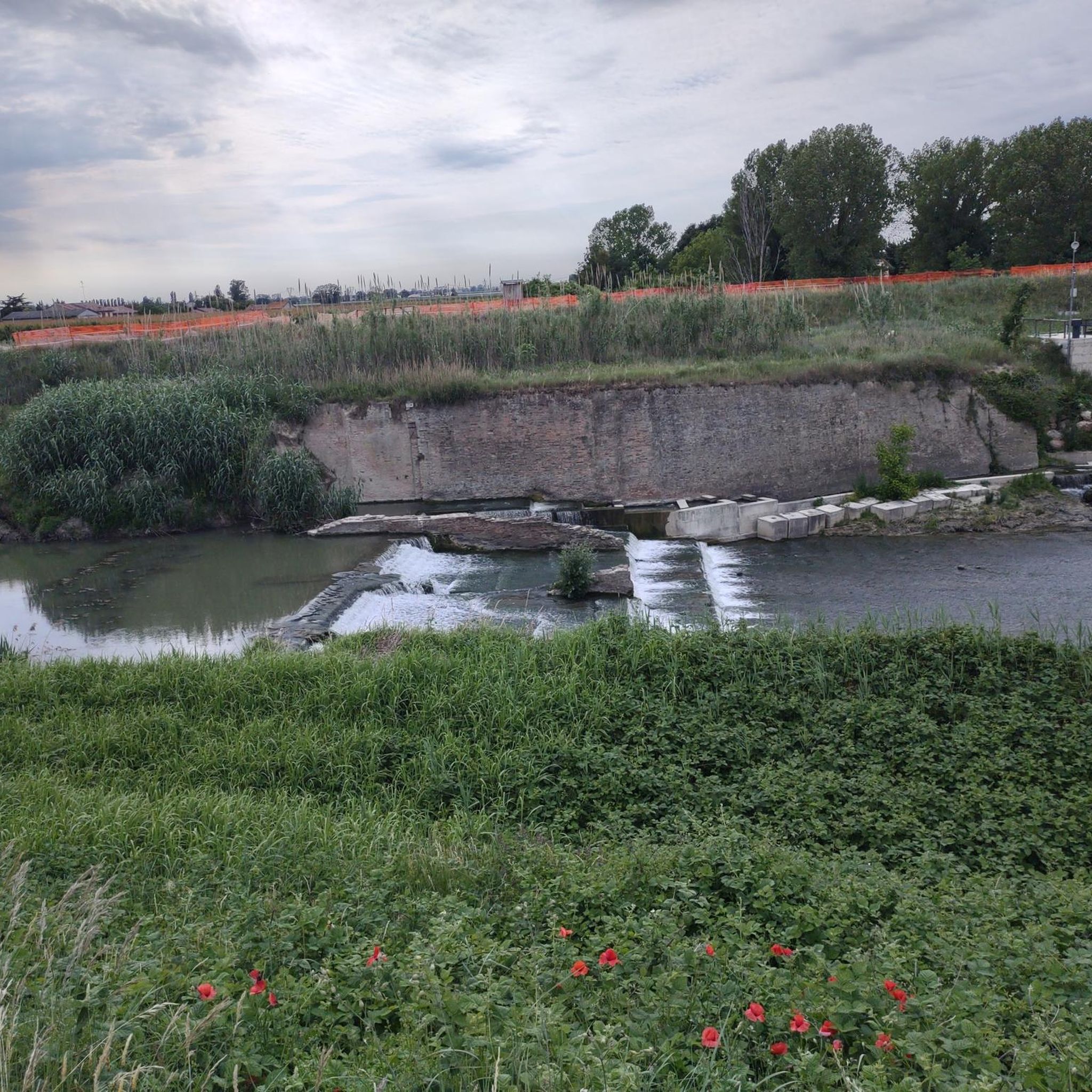
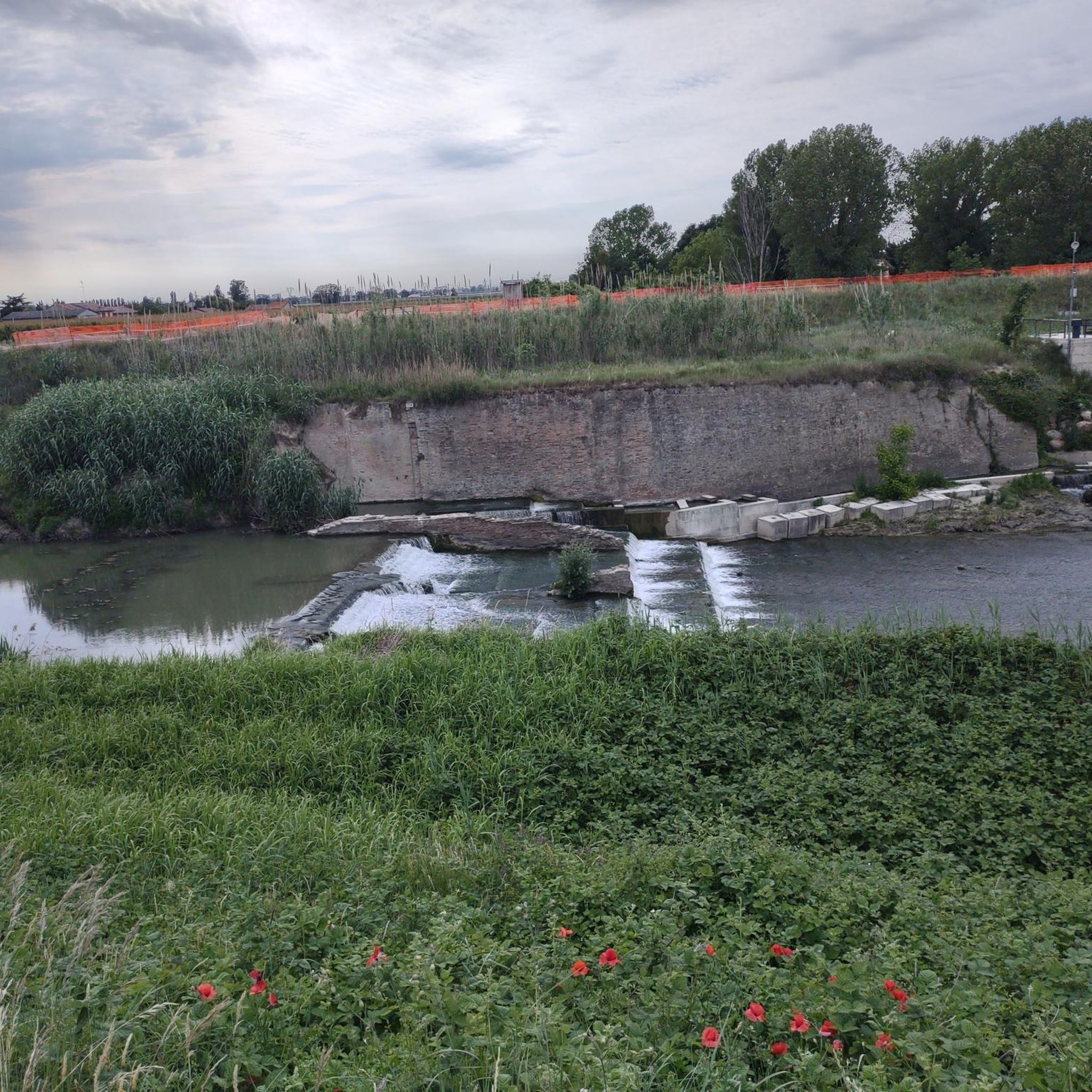
강둑 바로 옆에는 Sulo의 복되신 동정녀에게 헌정된 호기심 많은 작은 종교적 예배당이 있으며, 이는 Filetto (Ra) 지역의 성지로 가는 순례지이지만 Forlì-Bertinoro 교구에 속합니다.
1
0
Ragone와 San Pancrazio 사이의 Montone 다리에 여전히 문제가 있습니다. 1934년에 개장되었고 전쟁 중에 폭격을 받아 재건되었으며, 2024년 10월에 이미 폐쇄되었다가 2025년 11월에 Russi 방향 자전거 도로 건설을 위해 3미터 더 넓게 철거 및 재건축 후 재개장되었습니다. 이제 다리 앞 Via Ragone Vecchio 구간과 다리 뒤 Filetto 방향 Via Sabbionara 구간이 다시 폐쇄될 예정이며, Roncalceci 방향 Via Pugliese로 먼저 나가십시오 🤬
1
0
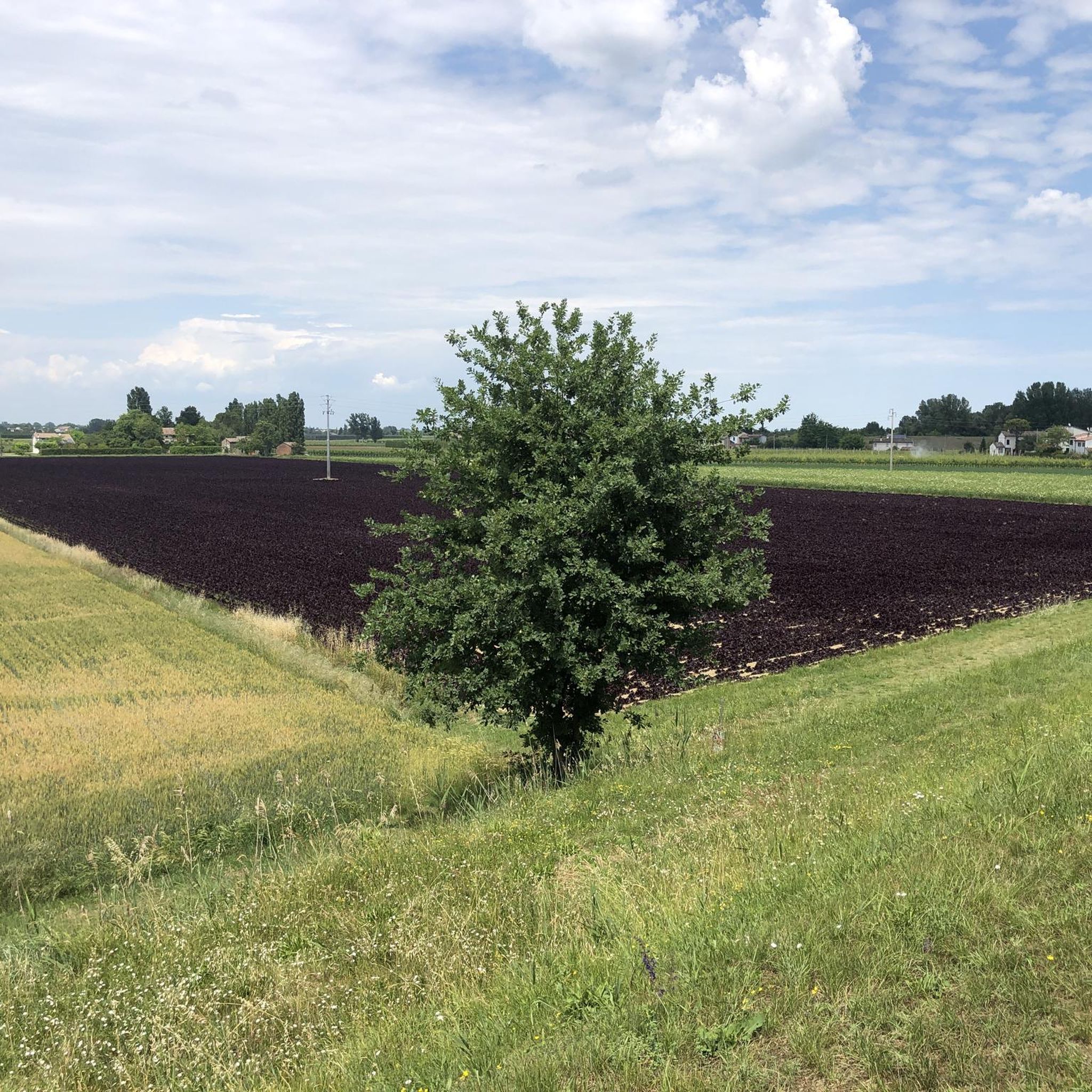
It was a small, wild, silent, hidden corner of absolute tranquility. The photos will never be able to make it seem as lucky as bikers like me and Alessandro who traveled it............
1
0

The convent of San Francesco, dating back to the 13th century, is the oldest convent building in the city of Bagnacavallo. The complex includes the church and the large convent that houses: the beautiful Sala Oriani or “New Refectory”, the cloister, the monumental staircase and the rooms on the first floor (not restored) used as exhibition spaces, the basement and the “large attic” also known as the Sala delle Capriate. Dating back to the mid-1200s, the convent of Bagnacavallo was one of the first to be built after the death of San Francesco. Considering that the first convents were built in places of heavy traffic, we must deduce that Bagnacavallo at the time was an important road junction and a stop for wayfarers. The convent complex underwent renovations and expansions over the centuries, the most important of which occurred in 1460 and 1667 (works by Andrea Galegati). It took on its current appearance at the end of the 18th century, with the interventions of the architect Gioacchino Tomba from Faenza. After the suppression of religious orders due to Napoleonic edicts, the building became largely public property. From 1875 to 1959 the convent was home to public schools and during the Second World War the immense underground areas were used as a refuge for the population. Only a small part of the building, in the twentieth century, was inhabited by the Conventual Friars Minor. This part, after the transfer of the religious to other locations, is no longer accessible to the public. The majority of municipal property has been renovated and used to host exhibitions or public meetings. Part of the building houses the Albergo Antico Convento San Francesco. (Source: https://www.bassaromagnamia.it/poitofintrests/antico-convento-di-s-francesco/ )
0
0
Overlooking Piazza della Libertà are the neoclassical Palazzo Comunale, built starting in 1791 and designed by Cosimo Morelli, and next to it, the beautiful Teatro Goldoni, inaugurated in 1845. On the west side, the Palazzo Vecchio (from the 13th century, but rebuilt several times) and the Civic Tower, built in the mid-13th century; used as a prison, in 1849 the legendary bandit “Il Passatore” was locked up there. Adjacent to the square, in via Trento Trieste, are the 17th-century Chiesa del Suffragio and the Antica Galleria, a public underground passage. (Source: https://www.bassaromagnamia.it/localita/bagnacavallo/ )
0
0
Piazza Nuova is the oval porticoed square built in the 18th century as a market, home to butchers, fishmongers and oil shops. Piazza Nuova, built in 1758, is the first example in Romagna of a center equipped for commerce. It is a unique building of its kind for the originality and elegance of its structures. The interior is developed as a loggia on an elliptical plan, with a succession of thirty round arches on square pillars. The two entrances consist of two arched portals with curved pediments, frames and relief panels. The building is made of exposed brick, paved in terracotta and paved with pebbles. Piazza Nuova has always been the ideal setting for events of various kinds; in recent years it has hosted summer film festivals, theater festivals, parties, exhibitions, musical performances. Vittorio Gassman chose it as the setting for the television reading of the first canto of Dante's Inferno. Restored in the late 90s, it now houses a tavern and some artisan shops. (Source: https://www.bassaromagnamia.it/poitofintrests/piazza-nuova/ )
0
0

Unfortunately this place no longer exists after last year's floods and was razed to the ground
0
0
The bridge, with the classic donkey's back structure, had the function of supporting the doors of one of the eleven locks built at the time of construction of the Canale Naviglio, at the end of the eighteenth century, to allow navigation.
1
0
루시 주변에서 가장 인기 있는 명소


더 살펴보기
다른 지역의 최고의 하이킹를 살펴보세요.
