오버더딩겐 최고의 워킹 & 하이킹 경로
4.6
(11083)
41,021
등산객
118
하이킹
Komoot에 등록된 오버더딩겐 내 트레일 및 경로 컬렉션 중에서 하이킹과 워킹을 가장 멋지게 즐길 수 있는 곳을 알려드릴게요. 아래에서 각 경로의 상세 정보를 모두 확인한 후, 오버더딩겐 속 자연에서 즐거운 시간을 누려보세요.
마지막 업데이트: 10월 11, 2026
4.8
(206)
672
등산객
13.2km
03:35
190m
190m
보통 하이킹. 좋은 체력 필요. 대부분 갈 수 있는 길. 미끄러지지 않게 조심해야 함.
4.8
(103)
391
등산객
4.09km
01:06
50m
60m
초급용 하이킹. 모든 체력 수준에 적합. 실력과 관계없이 누구나 쉽게 갈 수 있는 길.

4.8
(50)
161
등산객
16.4km
04:33
280m
280m
보통 하이킹. 좋은 체력 필요. 실력과 관계없이 누구나 쉽게 갈 수 있는 길.
4.6
(113)
313
등산객
6.35km
01:43
90m
90m
초급용 하이킹. 모든 체력 수준에 적합. 실력과 관계없이 누구나 쉽게 갈 수 있는 길.
4.8
(66)
264
등산객
8.71km
02:23
140m
140m
보통 하이킹. 좋은 체력 필요. 실력과 관계없이 누구나 쉽게 갈 수 있는 길.
더 다양한 경로와 다른 탐험가들의 추천을 살펴보세요.
이미 komoot 계정이 있나요?
투어 추천은 다른 사람들이 komoot에서 완료한 수천 개의 활동을 바탕으로 구성되어 있습니다.
오늘 무료 계정으로 시작하세요
다음 모험이 기다리고 있어요.
오버더딩겐 주변 인기 장소
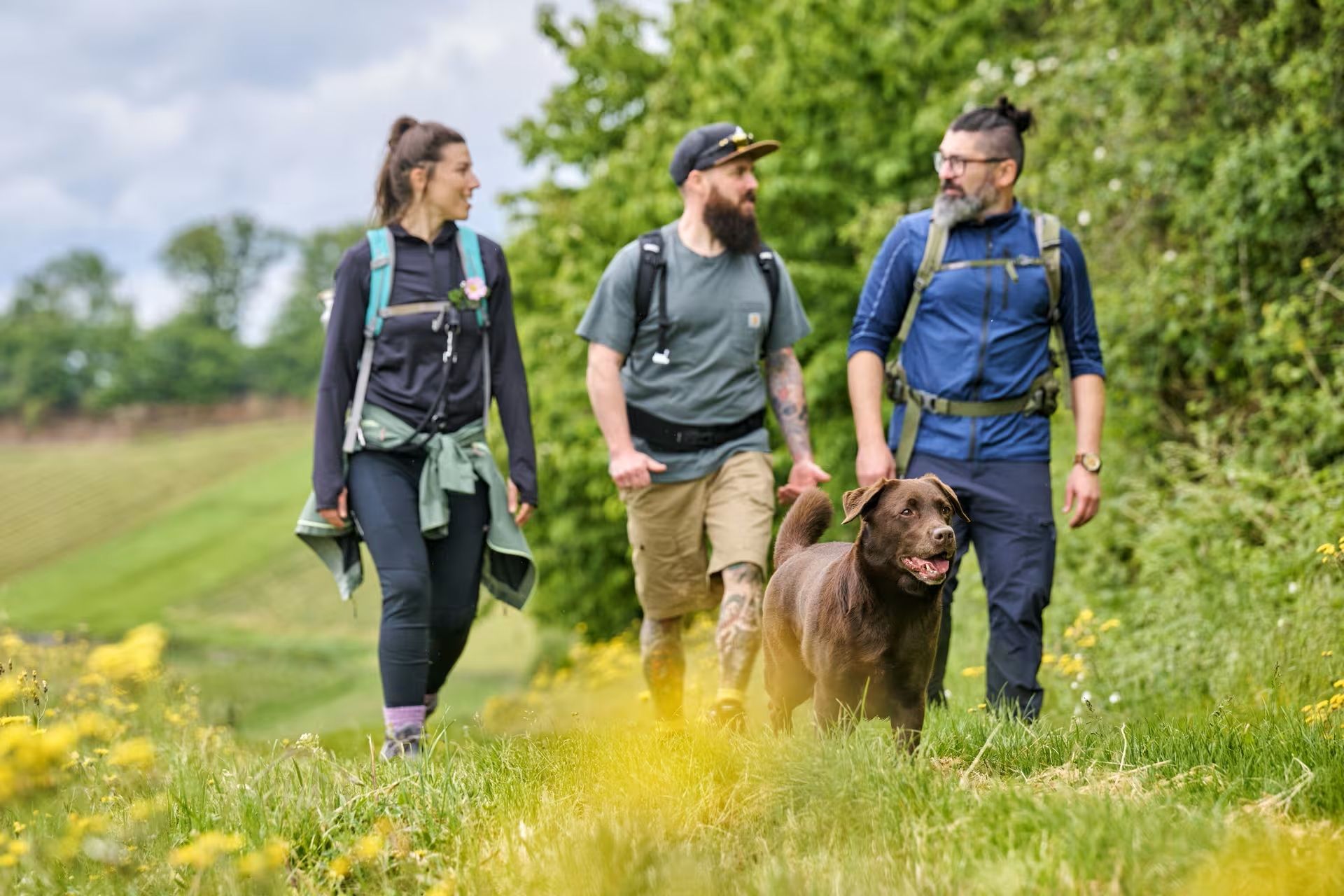
The Land of 1,000 Hills by bus and train – car-free hiking adventures
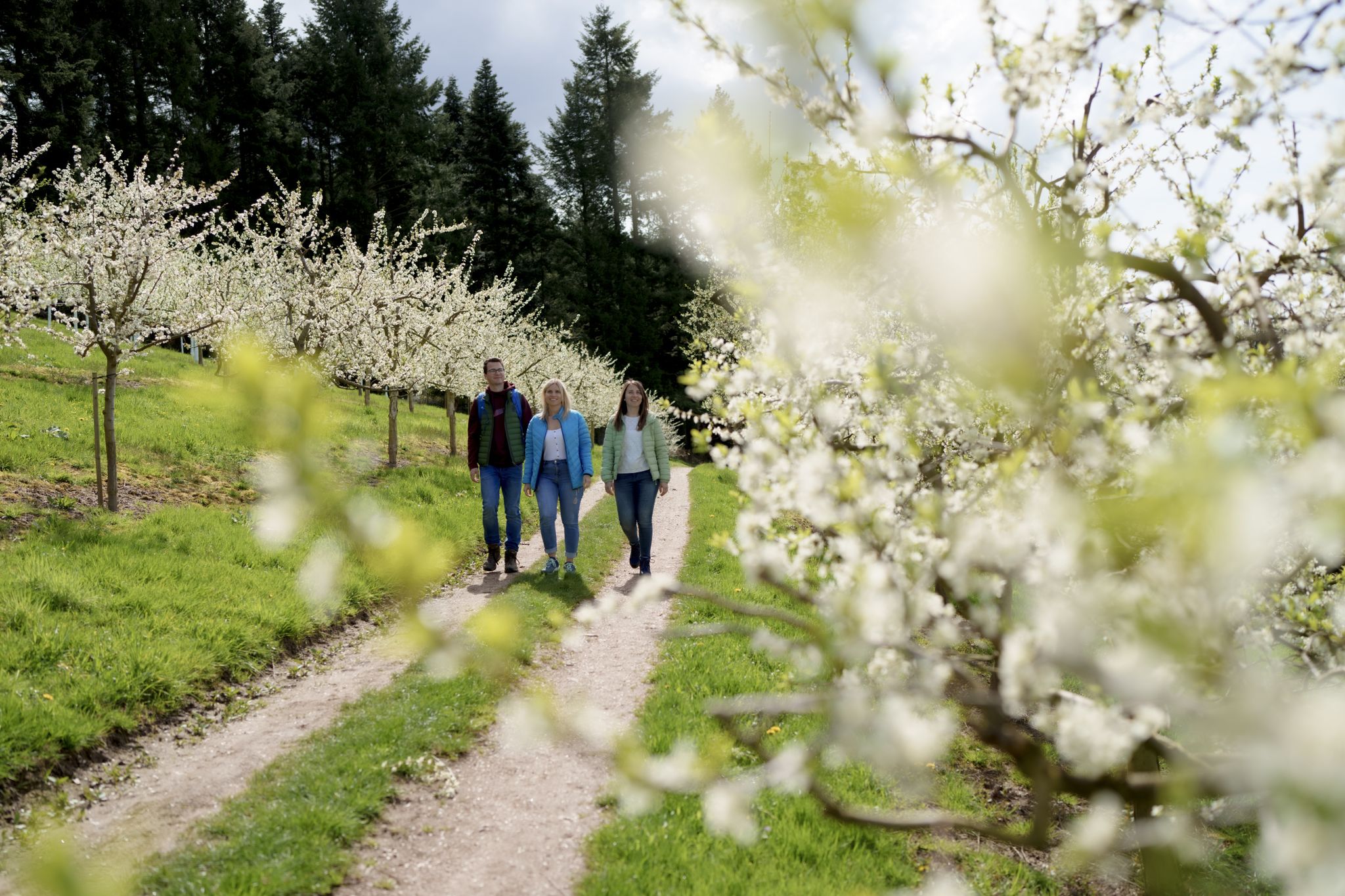
Hiking between Baden's vineyards, wildflowers & green lizards
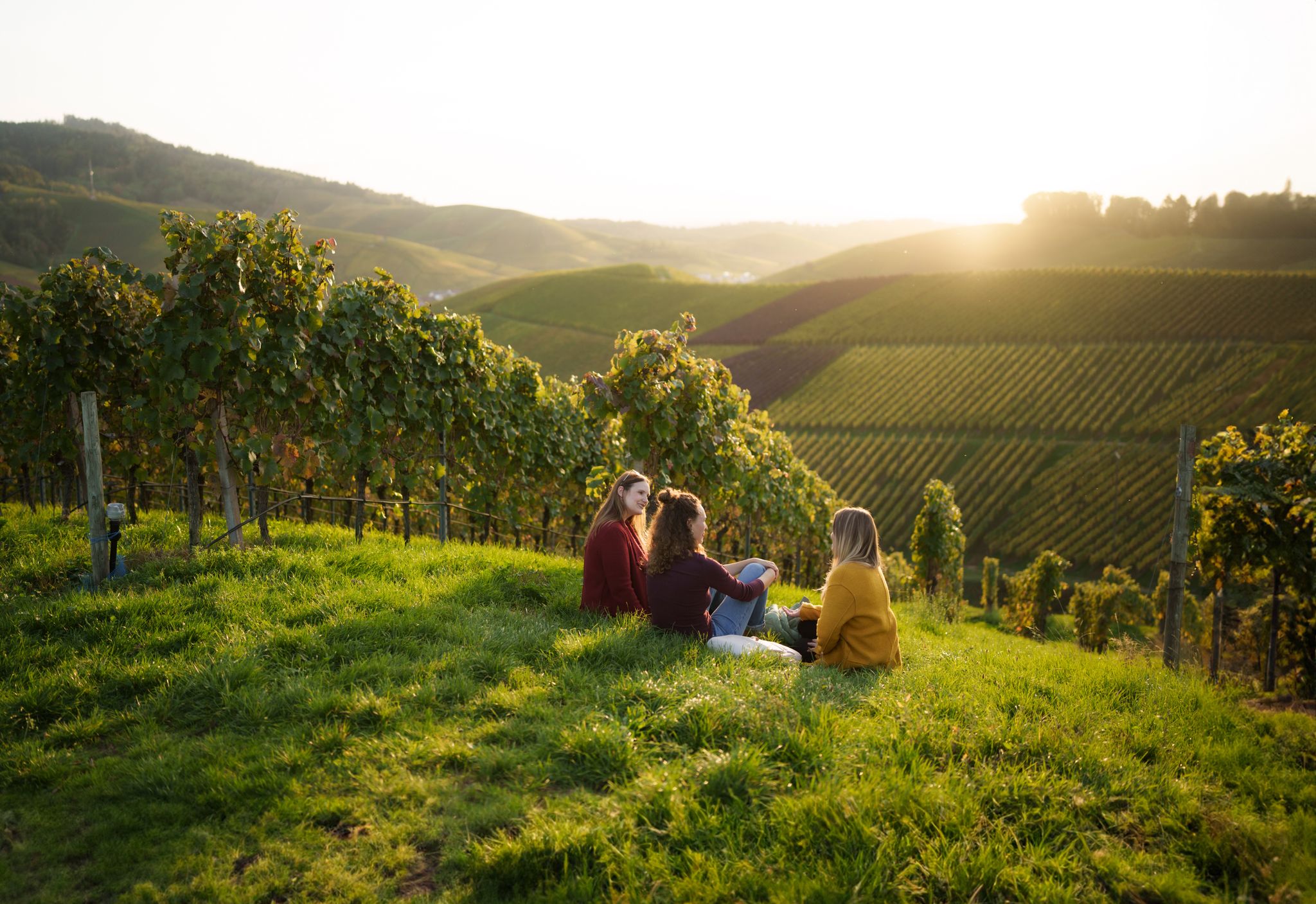
Picnics, wine and wide views – along the Baden Wine Route
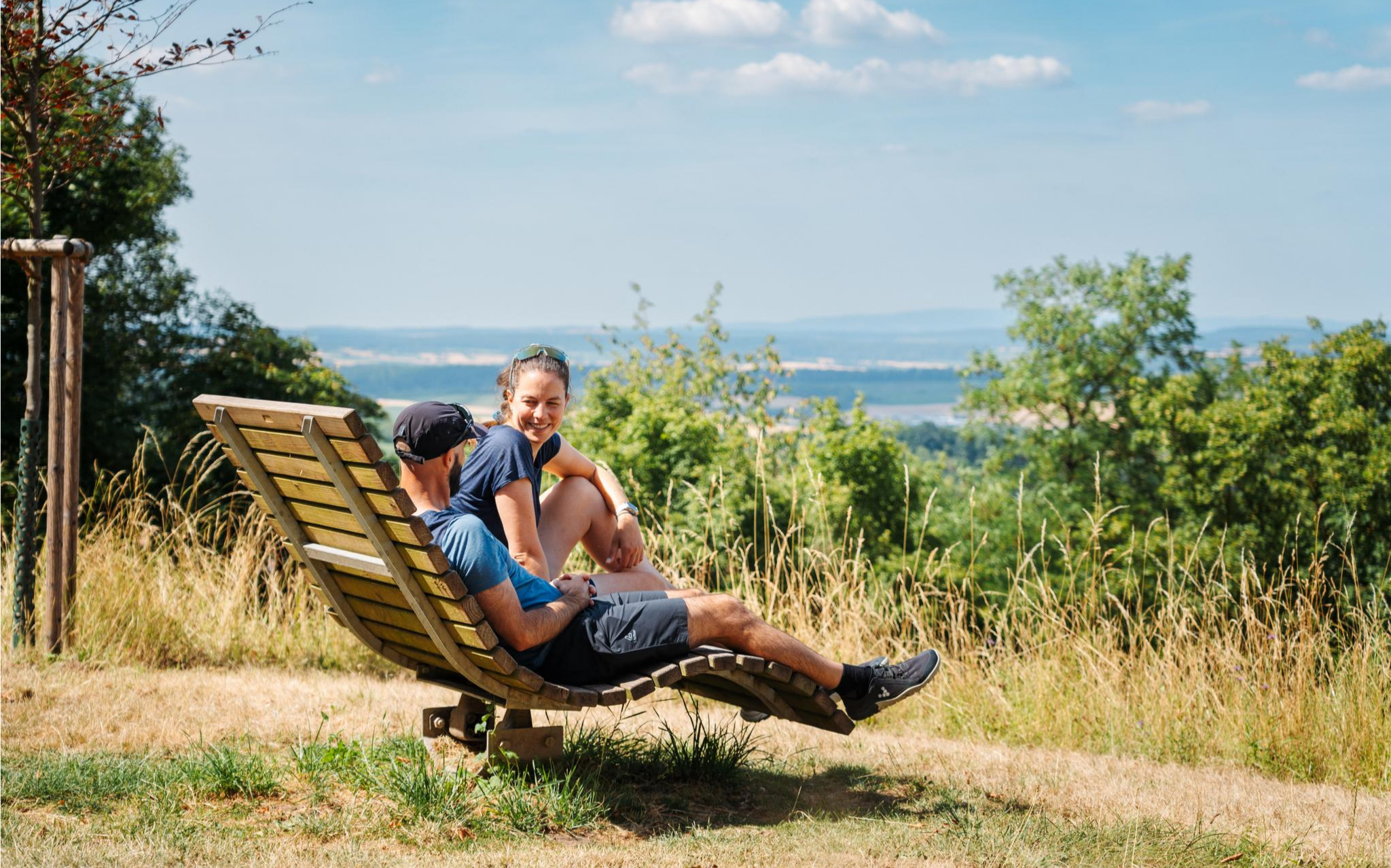
Oases of calm – hill sofas in the land of 1,000 hills
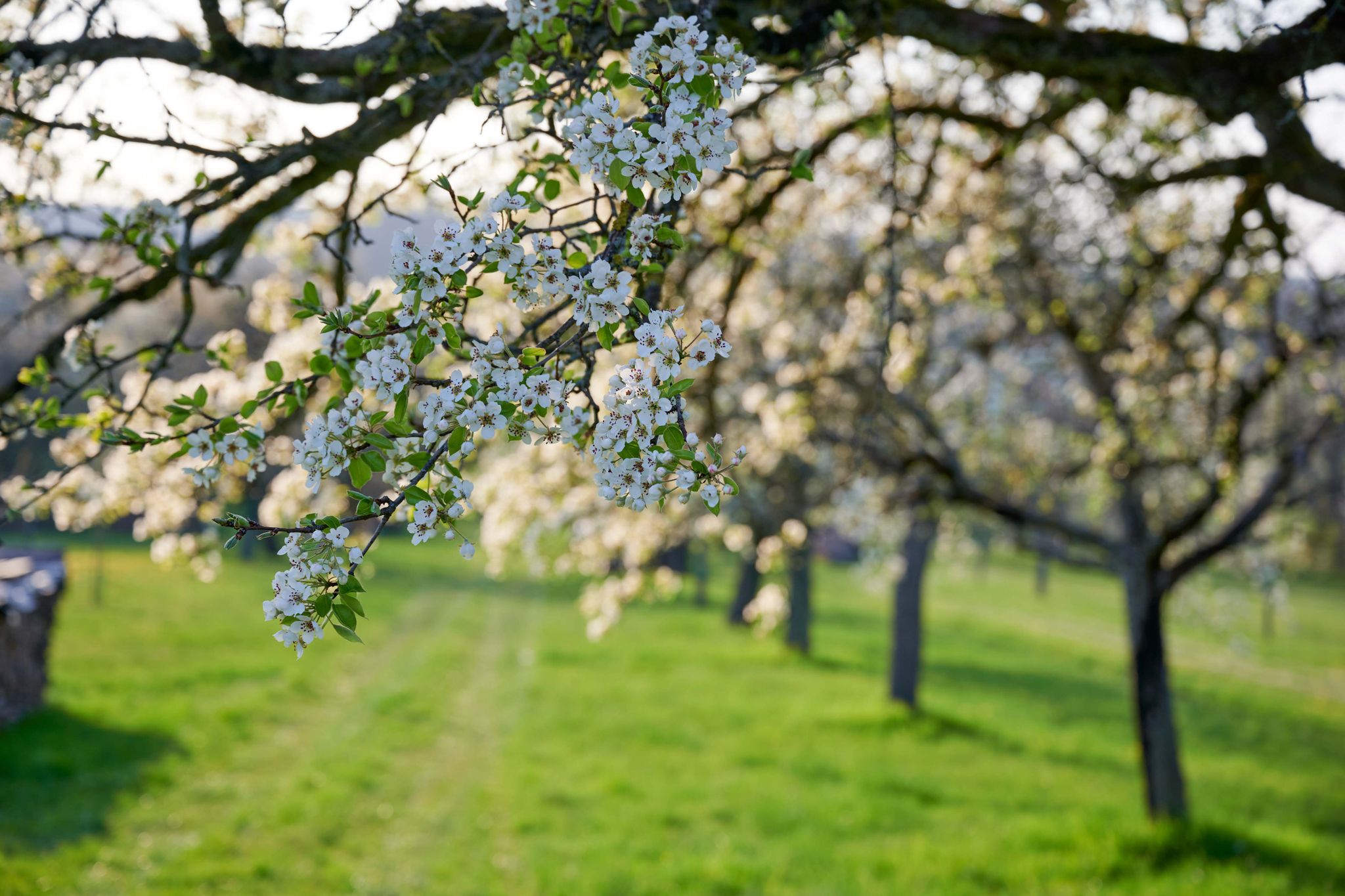
Spring in the land of 1,000 hills – Kraichgau-Stromberg in Germany
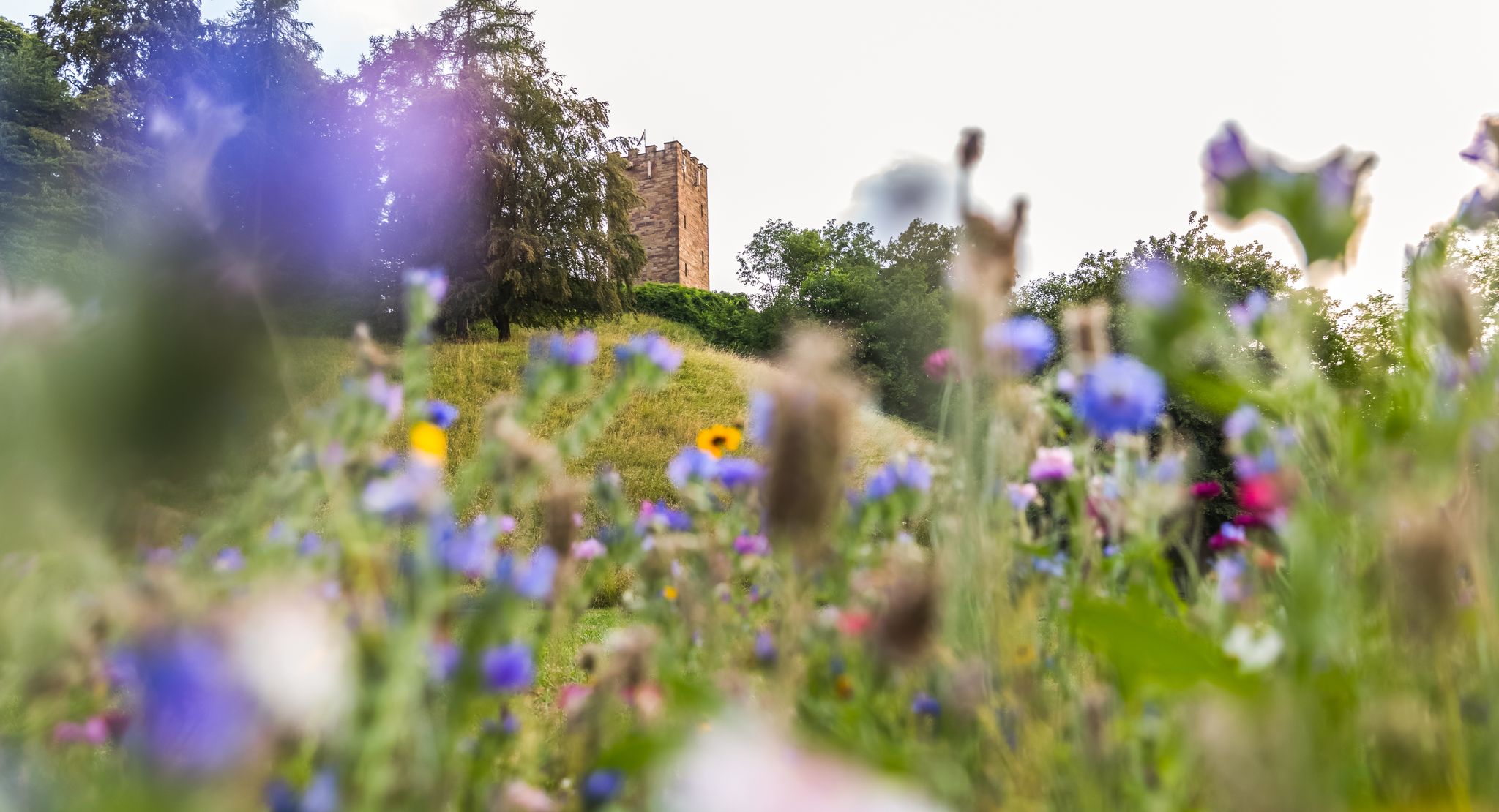
On foot in the nature park Stromberg-Heuchelberg
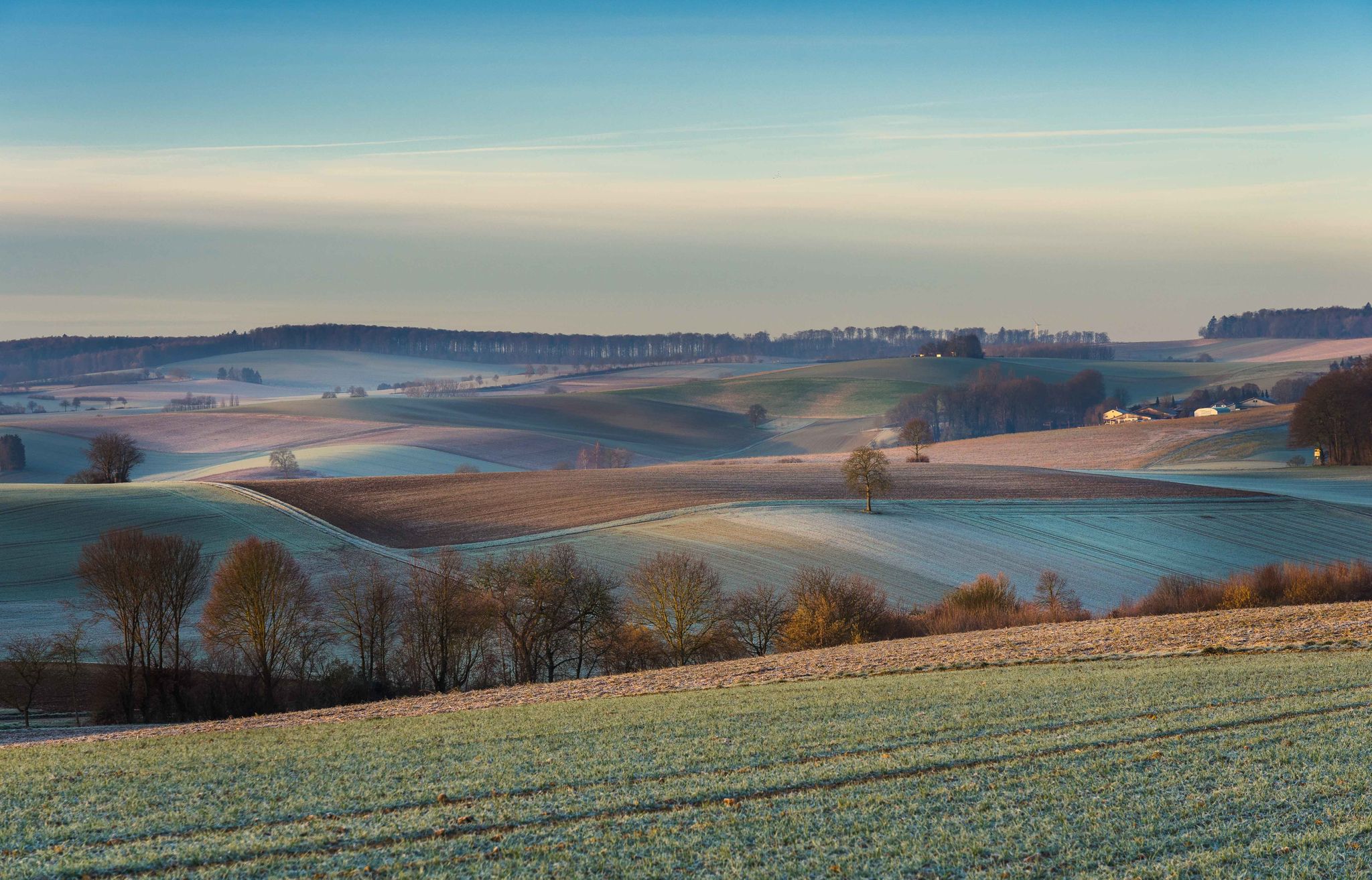
From hill to hill – hikes in Kraichgau-Stromberg
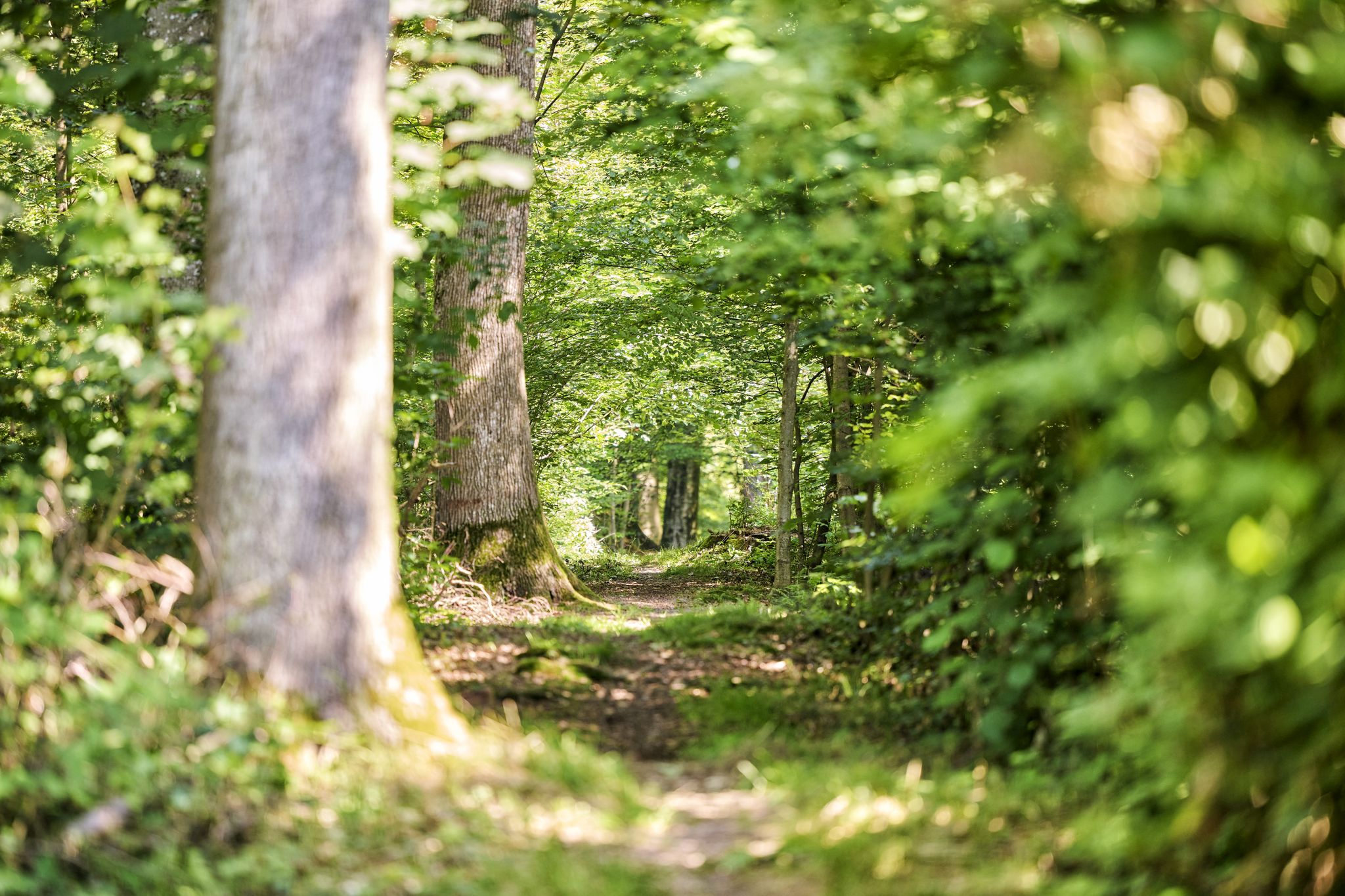
Trail running between woodlands & wine in the Land of 1000 Hills
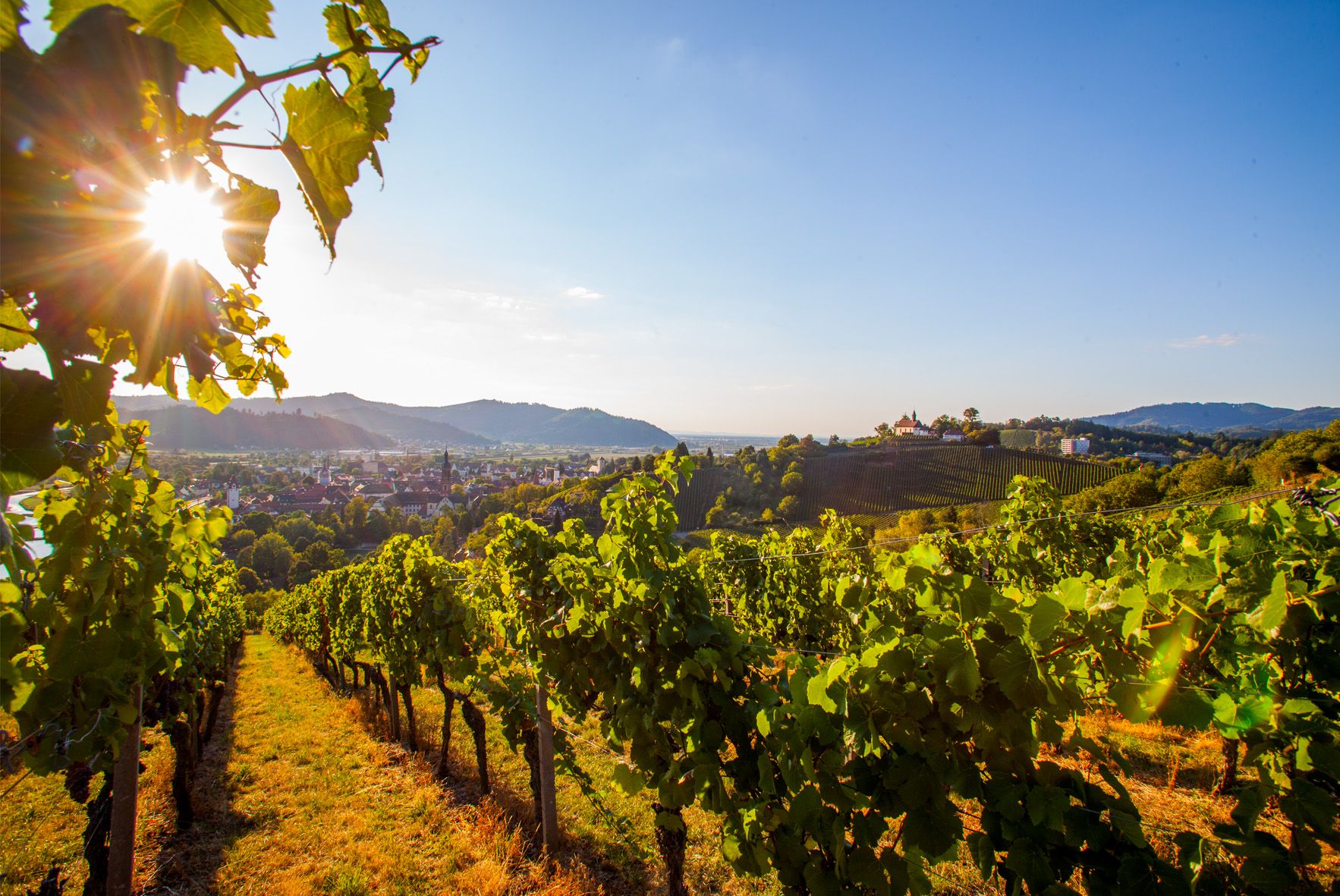
오른쪽으로 브랙 포레스트, 왼쪽으로 라인 – 바덴 와인 사이클 경로
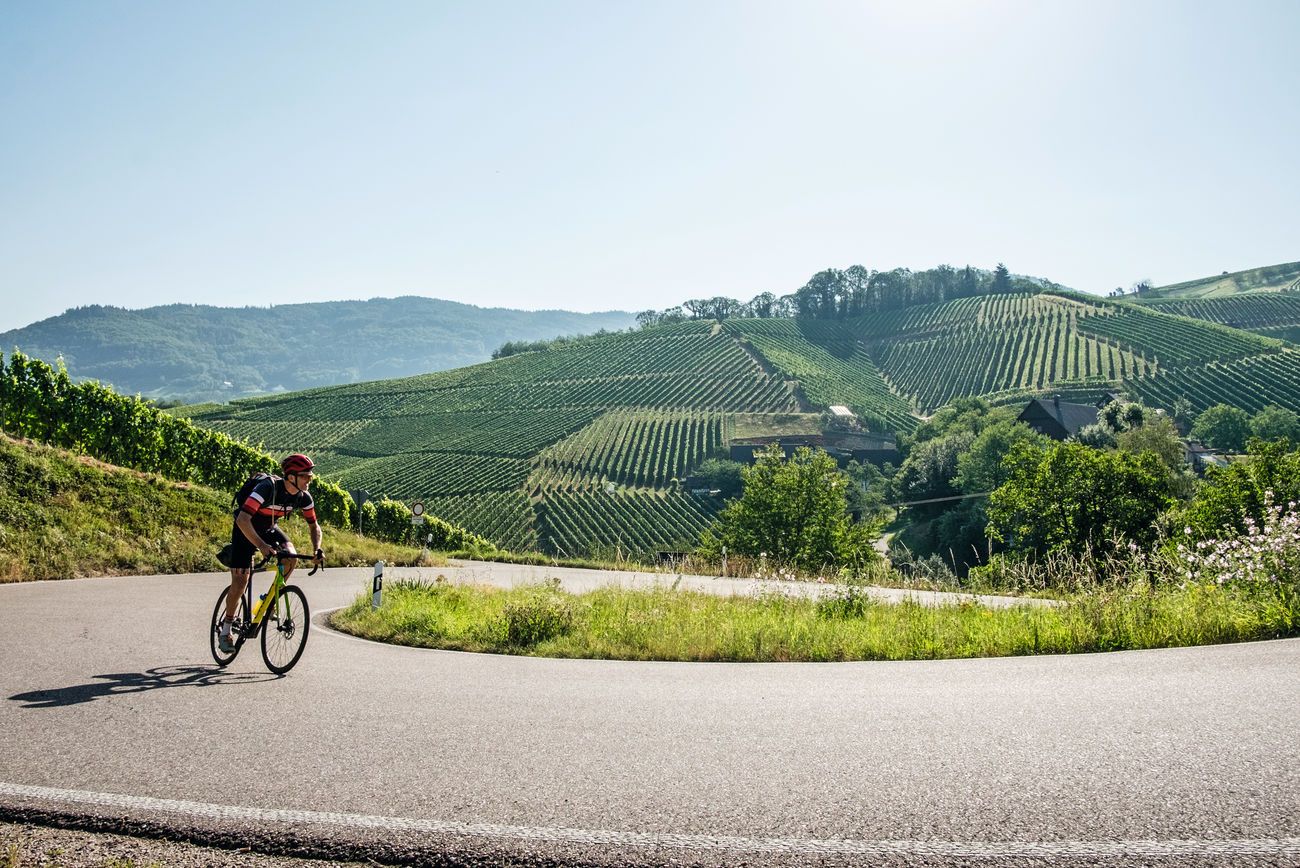
하이들베르크에서 바젤로까지: 바덴 와인 라드웨그에서 4일 동안 투어


커뮤니티 팁

해발 287미터에 위치한 Derdinger Horn의 고개는 포도밭과 숲 사이에 있는 Oberderdingen 위에 자리 잡고 있으며, Kraichgau를 멀리 내다볼 수 있습니다. 고개 표지판 앞에서 셀카를 찍어 Wall of Fame에 업로드하세요 (고개 표지판의 QR 코드를 이용하거나 www.imsuedenganzoben.de/kraichgau-stromberg/de/huegel-paesse 웹사이트를 통해).
0
0

포도밭 위쪽의 좌석 공간으로, 13세기 수도사들이 조성한 아래쪽의 Bernhardsweiher와 주변 풍경을 조망할 수 있습니다.
3
0
포도밭 위 파노라마 길로 이어지는 다양한 계단을 통한 실용적인 연결로, 오버더딩거 와인 하이킹 트레일의 일부입니다.
4
0

Staircase ascent to the Derdinger Horn panoramic trail
0
0

오래된 시청은 아름답게 개조되었으며, 한때 요새화된 시청 안뜰로 가는 유일한 입구였던 곳 근처의 메인 스트리트에 있습니다. 다른 아름다운 목골 주택들은 오래된 시청 앞에 시작되는 오버 가세(Obere Gasse)에 있습니다.
0
2

A very beautiful lake with plenty of shade. There's also a bench with a trash can. There should be more of these along the route.
0
0

오버더딩겐에서 가장 오래된 건물 중 하나는 구 시청사입니다. 1550년에 지어졌으며 1985년까지 시의원들이 사용했습니다. 원래 종이 걸려 있던 작은 지붕 첨탑이 특징입니다. 오늘날에는 문화 및 협회 건물로 사용됩니다.
5
0

Stonemasonry had been known in Stromberg since the 1st century AD. Sternenfels was devastated by the Thirty Years' War and stonemasonry came to a standstill. It was not until 1700 that stonemasonry flourished again and with it the grinding of leftover stones into sweeping sand developed. The increased need for cleanliness led to the construction of numerous sand mills from 1740 onwards. In the middle of the 19th century there were around 35 sand mills. During this period, 3 million litres of sweeping sand were delivered to Stuttgart alone every year. Despite this, the sand farmers were never wealthy and when the trade gradually lost importance due to increasingly different household materials (porcelain instead of clay and wooden dishes; hardwood parquet and linoleum instead of softwood floors), they became extremely poor. The final death blow came from the shortage of materials and the development of the chemical cleaning industry. The last sand mill closed in 1935.
1
0


더 살펴보기
다른 지역의 최고의 하이킹를 살펴보세요.
