벌지에서 가장 멋진 17개의 천연기념물
천연기념물을 방문하여 벌지의 아름다운 풍경을 만나보세요. 벌지에 있는 17
개의 천연기념물과 상세 정보를 살펴본 후에 방문하고 싶은 천연기념물을 다음 모험 계획에 추가해보세요!
마지막 업데이트: 10월 11, 2026
드라켄부르거 마르시 자연보호구역
하이라이트 • 자연 기념물
번역자 Google •
팁에 의해

Liebenau의 그로세 아우에
하이라이트 • 강
번역자 Google •
팁에 의해

이런 장소를 발견하려면 지금 가입하세요
최고의 싱글 트랙, 봉우리 및 다양한 흥미로운 야외 장소에 대한 추천을 받아보세요.
알후저 아헤의 현호색 개화
하이라이트 • 숲
번역자 Google •
팁에 의해

니엔부르크의 빙퇴석
하이라이트 • 자연 기념물
번역자 Google •
팁에 의해


오늘 무료 계정으로 시작하세요
다음 모험이 기다리고 있어요.

커뮤니티 팁

The glacial erratics from Småland in Nienburg/Weser are impressive relics of a natural history dating back tens of thousands of years. These large, often smoothly polished boulders originally came from the southern Swedish region of Småland and were transported to northern Germany by mighty glaciers during the last Ice Age. As the ice sheet slowly moved south, it tore rocks from the Scandinavian bedrock and carried them over long distances. When the ice melted, these so-called erratics were left behind in the landscape – far from their place of origin. Such glacial erratics, which can be geologically clearly attributed to Sweden, can also be found in Nienburg. Their composition, such as granite or gneiss, as well as characteristic structures, allow conclusions to be drawn about their Småland origin. They thus vividly illustrate the immense forces of the Ice Age and demonstrate how profoundly glaciers shaped the landscape we see today. The glacial erratics are silent witnesses to history, forging a connection between the Nienburg region and Scandinavia. Beyond their geological significance, these erratics also play a cultural and design role. In Nienburg, they are deliberately used as striking elements in the cityscape and green spaces, serving simultaneously as a starting point for environmental education and the preservation of historical memory.
1
0

It's wonderful when the larkspurs make a guest appearance on the Waldbühne stage, delighting the audience with their splendid blossoms. The performances are free, absolutely worth seeing, and—as every year—scheduled to run until the end of April.
0
0


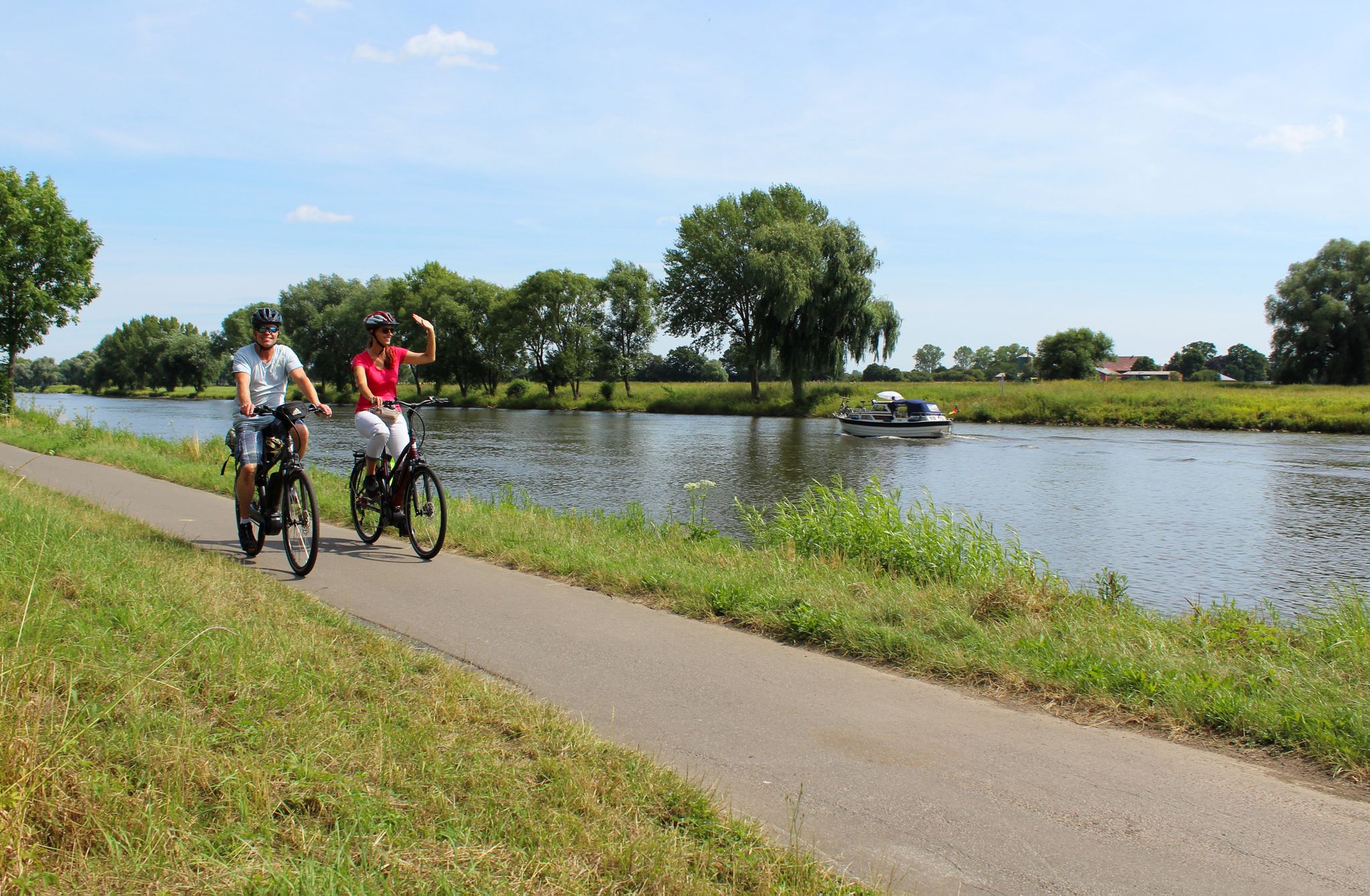
Beautiful cycle path through the nature reserve on the Weser. The marsh landscape is characterized by regular flooding and is a habitat for many different animal species.
7
0

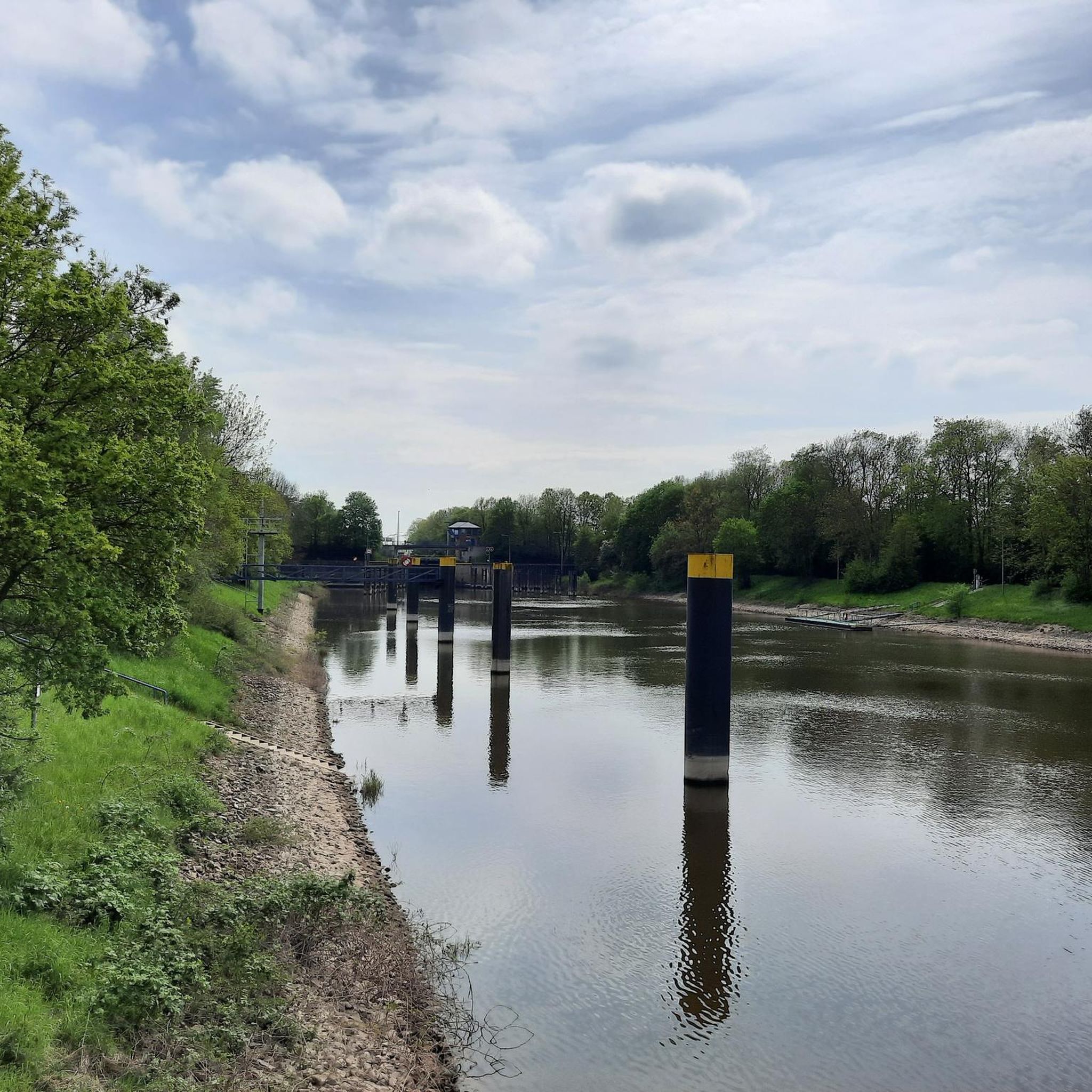
The place on the “Große Aue” has been the location of the mill since 1298. At this time the mill served purely as a grain mill for grinding grain. In 1859 a sawmill was added to the grain mill, and the floodplain now powered four mill wheels. A comprehensive renovation took place in 1913, during which the water wheels were replaced by a turbine. After mill operations stopped in the 1970s, the turbine continues to run and generate electricity today.
3
0

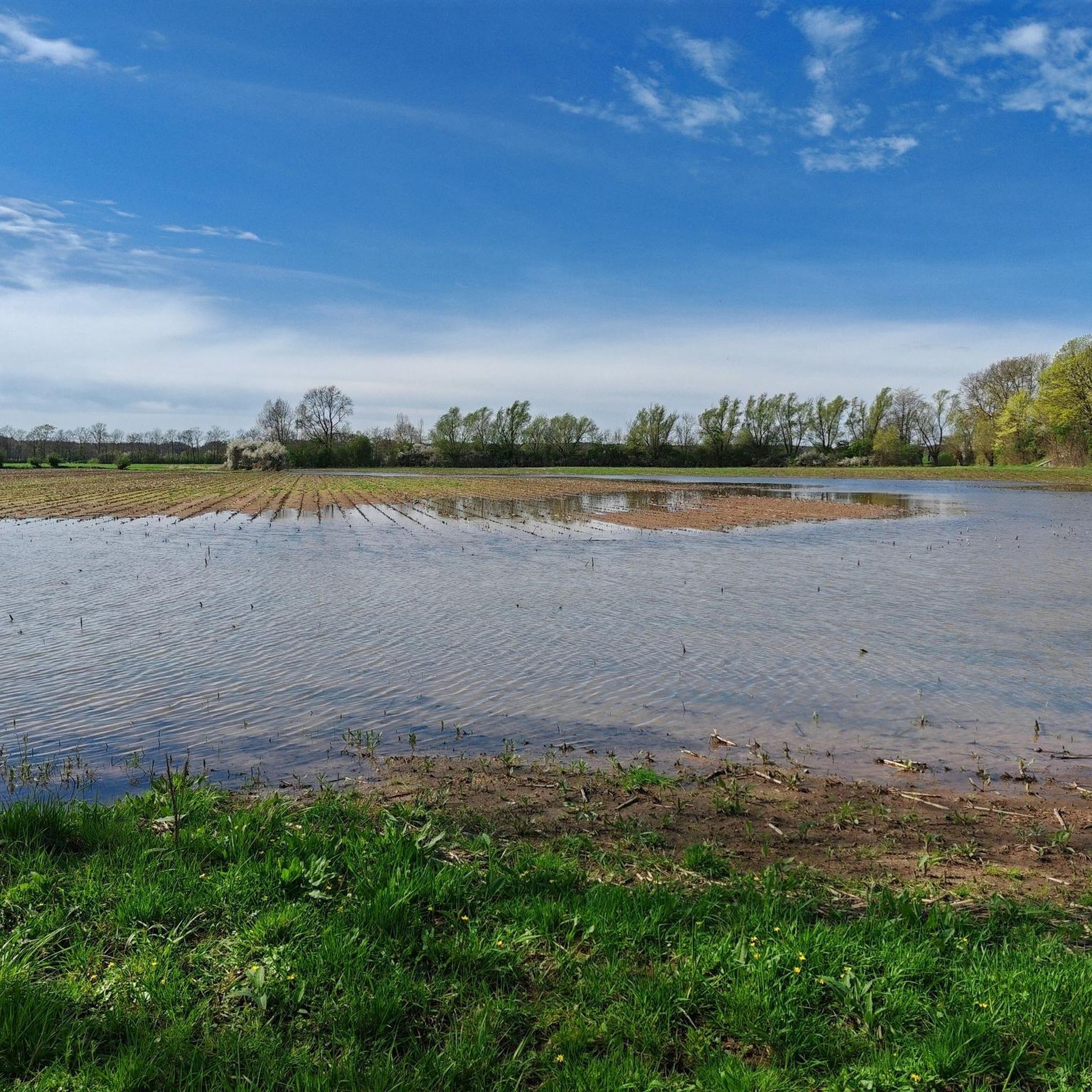
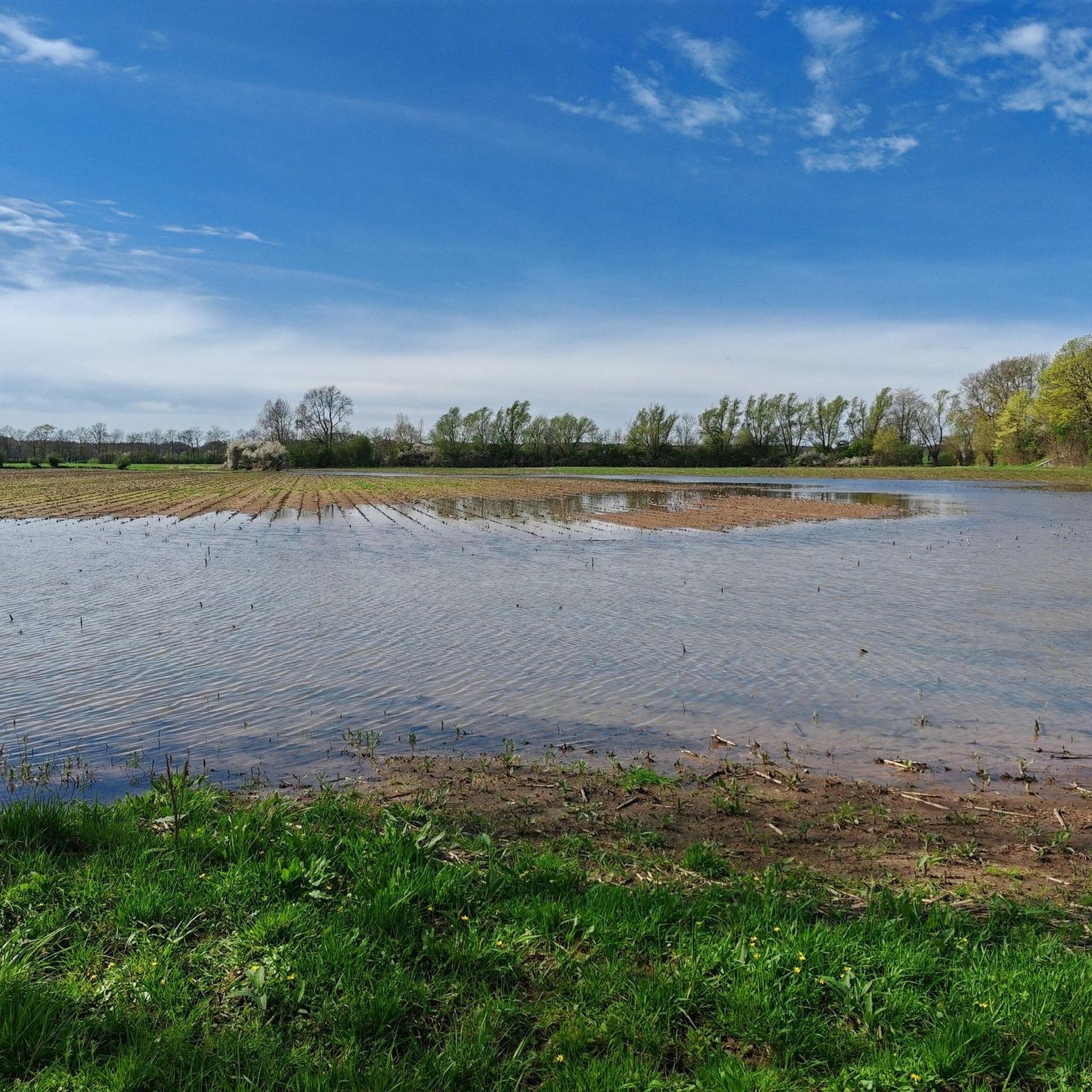
The "Drakenburger Marsch" still shows clear traces of the river bend marsh, a form of land use that was once typical for the entire Wesermarsch. In addition to its cultural and historical significance, this type of landscape, which has become rare, offers a habitat and retreat for vulnerable and endangered animal and plant species and communities due to its structural diversity. The species-rich, well-preserved hedges and their herbaceous fringe are of very high ecological importance as a habitat for numerous, sometimes rare, vertebrates, birds and small mammals. The grassland, which is partly characterized by flood troughs and is regularly flooded, represents an important refuge for organisms bound to temporary bodies of water and offers resting and feeding opportunities, especially for Nordic birds migrating after floods. The remaining wet grassland is also important as a food habitat for the white stork. https://www.lk-nienburg.de/portal/seiten/naturschutzgebiet-drakenburger-marsch-901001074-21500.html
10
0
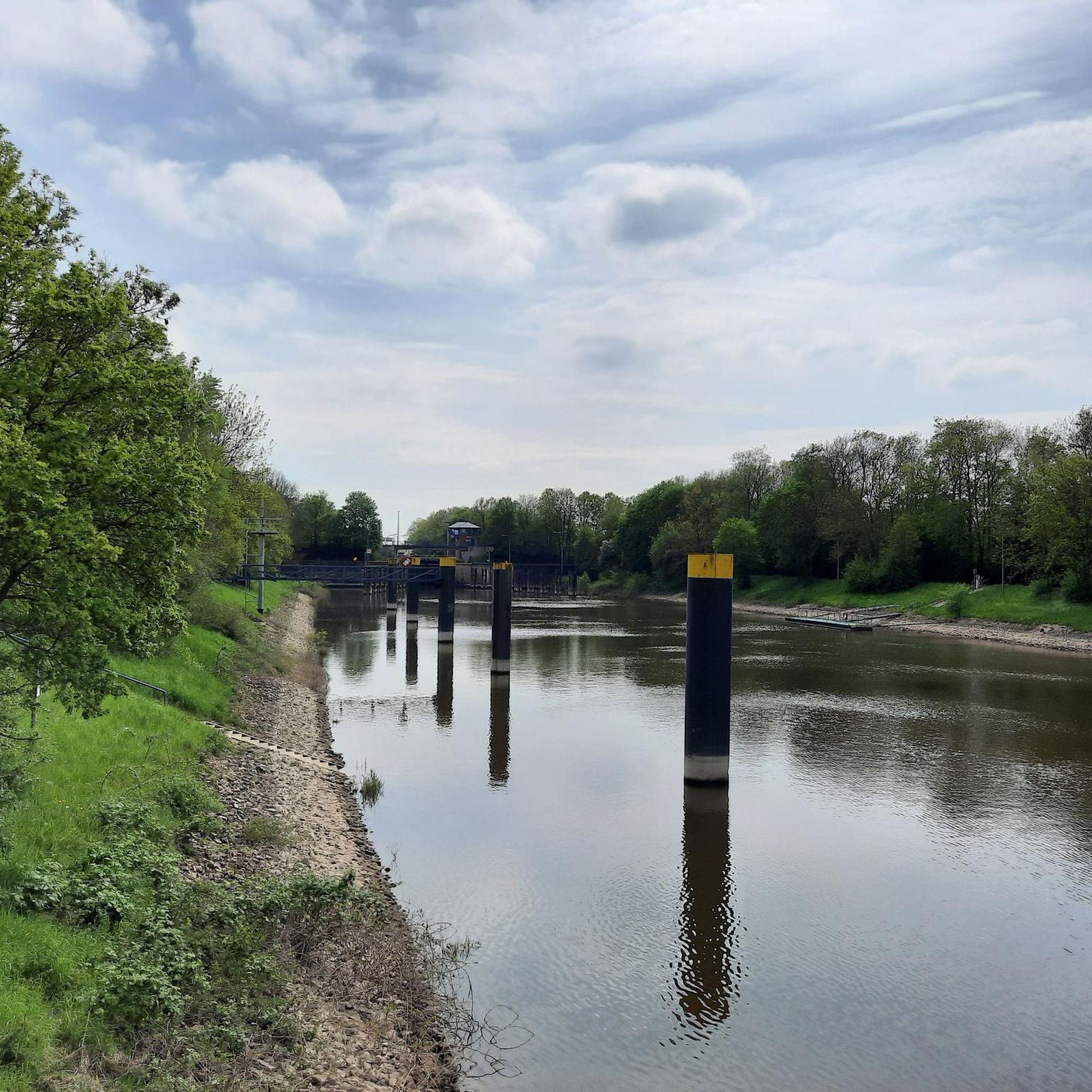
In the years after the Second World War, everything was done to turn the Große Aue into a canal-like river and thus to achieve a flood-free river course. In the 1980s, initiatives in the Minden-Lübbecke area led to the decision to renaturate the river landscape. The landscape, which has become species-poor as a result of the expansion, should recover. Alluvial forests, hedges and the typical plants and animals should be given a habitat again. When the ground-breaking ceremony for renaturation took place in 1989, this project was unique in North Rhine-Westphalia. The monotonous river bed and its up to 300 m wide side spaces were redesigned to form a near-natural meadow landscape. Approximately 200 hectares of flood plains have been reclaimed. The technically upgraded barrel was largely preserved. At the same time, a new body of water was created that flows into the old course at several points. From today's perspective, a species-rich animal and plant world was created without flood disasters being expected. Source: Wikipedia
4
0
They come from the Weser and have a mysterious origin. The Water and Shipping Office is constantly removing heavy stones weighing more than three tons from the river bed with their floating grab, but it doesn't take long for some to "grow" back. The hydraulic engineers are faced with a puzzle. More boulders (natural monuments) are located a little further north on the Weser Cycle Path at the tip of the Weser Peninsula and just before Nienburg Harbour. Many farmers also experience this as a problem on their fields. Every year they "harvest" stones from their fields, which seem to grow back like potatoes. With regard to this phenomenon, the State Office for Mining, Energy and Geology in Hanover refers to the occurrence of cryoturbation, a general term for all movements caused by the effects of frost in the ground. Source: https://www.mittelweser-tourismus.de/poi/nienburgs-findlinge-1/
3
0
벌지 주변에서 가장 인기 있는 명소


더 살펴보기
벌지 주변의 최고의 동굴을 찾기 위해 이 가이드를 확인해보세요:
